Source Waterproof Indoor Wood Wall Panel for Office, Home, Hotel
Compare 30 listings of Waterproof Indoor Wood Wall Panel from verified Chinese manufacturers. Buyers can evaluate specifications like thickness, material, and customization options for office, home, and hotel applications; compare the available evidence and request quotations based on your requirements.
Key considerations
Products List


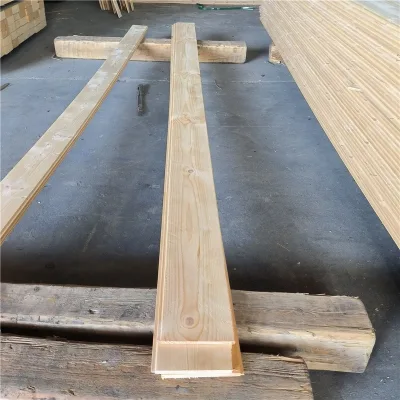
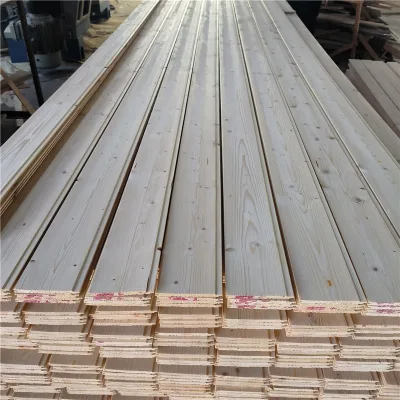


Waterproof WPC Wall Panel Wood Plastic Wall Panel Interior Exterior Wall Panels
$1.10 - $1.90
MOQ: 1000 Meters

$1.60 - $7.50
MOQ: 3000 Square Meters

$1.60 - $7.50
MOQ: 3000 Square Meters

$1.60 - $7.50
MOQ: 3000 Square Meters

$1.60 - $7.50
MOQ: 3000 Square Meters

$1.60 - $7.50
MOQ: 3000 Square Meters

$1.50 - $7.50
MOQ: 3000 Square Meters


China Wholesale Waterproof Composite Wall Panel Wholesale Fireproof Indoor
$2.15 - $2.20
MOQ: 5000 Meters
Comprehensive Sourcing Guide
Waterproof Indoor Wood Wall Panel Sourcing Guide
Procurement professionals must first distinguish between products explicitly labeled for indoor environments and those designed for exterior durability. The available market data indicates a clear segmentation where specific listings target office and home decoration, while others are designated for outdoor applications. Buyers should strictly filter for "Indoor" usage attributes to ensure the selected material meets the specific environmental requirements of interior spaces, avoiding potential performance failures caused by moisture or temperature mismatches.
Verification of the product name and specific application context is critical before proceeding with any order. Listings frequently reference variations such as Bamboo Charcoal Wood Veneer, PVC Panels, or generic Wallboards, each carrying distinct material properties. A buyer must confirm that the specific listing explicitly states "Indoor Wall & Ceiling Decoration" or "Home Decoration" to align with the core keyword, ensuring the selected panel is engineered for the intended interior aesthetic and functional load rather than general-purpose construction.
Product Scope and Observed Listing Signals
The observed product range reveals significant variation in material composition, with WPC (Wood-Plastic Composite) and engineered wood boards being the primary categories for waterproof indoor solutions. Buyers should expect to encounter products described as Bamboo Wood Veneer or Pine Wood Wall Panels, which often feature surface treatments like sanding, embossing, or wood grain textures. It is essential to recognize that "Waterproof" claims in this context often correlate with specific manufacturing processes like hot pressing, which bind the materials to resist moisture ingress in humid indoor environments.
Listing signals also highlight diverse customization capabilities, including thickness options of 5mm or 8mm and lengths ranging from 2.44m to 2.9m. The market data shows that while some products offer standard dimensions like 1.22 meters in width, others support fully customized sizes to fit specific project requirements. Procurement teams must carefully review the "Customized" attribute to determine if the supplier can accommodate unique dimensional needs without compromising the structural integrity or the waterproof performance of the final installed panel.
Technical Specifications to Verify
Thickness and dimensional stability are the primary technical parameters that dictate the suitability of a panel for indoor wall applications. Buyers must verify that the selected product offers thickness options such as 5mm or 8mm, as these dimensions directly influence the panel's rigidity and its ability to withstand impact in high-traffic areas like offices or hotels. The standard width of 1.22 meters is common, but the length often varies between 2.44m and 2.9m, requiring precise measurement of the installation area to minimize waste and ensure a seamless finish.
Surface finish and texture are equally critical for both aesthetic alignment and functional performance in indoor settings. The available data points to surface processes like sanding and super embossing, which create a wood grain pattern that mimics natural timber while providing a smooth, easy-to-clean surface. Buyers should confirm that the specific product listing includes features such as "Easily Clean" and "Moisture-Proof" to ensure the panel will maintain its appearance and structural integrity in environments prone to humidity or frequent cleaning cycles.
Compliance and Safety Documentation
Safety and environmental compliance are paramount when selecting materials for indoor spaces where human occupancy is continuous. The supply chain data indicates that some products utilize E0 grade glue, a standard that signifies extremely low formaldehyde emissions and is highly desirable for indoor air quality. Procurement teams must request specific documentation confirming the adhesive type used in the manufacturing process to ensure the product meets local indoor air quality regulations and does not release harmful volatile organic compounds over time.
Fire safety is another non-negotiable aspect of indoor wall panel procurement, particularly for commercial applications like hotels and offices. Many listings explicitly advertise "Fireproof" as a key advantage, suggesting the material has been treated or engineered to resist ignition or slow the spread of flames. Buyers should verify that the product's fire resistance claims are supported by relevant test reports, ensuring the material complies with local building codes for interior finishes and provides a necessary layer of safety for occupants.
Cost Drivers and Commercial Terms
Pricing in this sector is heavily influenced by the level of customization and the specific material composition of the panel. The observed market data shows a wide price range, reflecting the difference between standard WPC panels and specialized veneer products with custom finishes. Buyers should anticipate that requests for customized colors, specific thicknesses, or non-standard lengths will incur higher unit costs compared to purchasing off-the-shelf items with standard dimensions and multi-color options.
Minimum Order Quantity (MOQ) and packaging requirements are significant factors that impact the total landed cost and logistics planning. Listings indicate MOQs ranging from 300 pieces to 5 CBM, with some suppliers requiring orders as high as 28,000 units for certain configurations. Additionally, packaging varies from cartons to crates and pallets, which affects shipping efficiency and handling costs; buyers must calculate the total volume and weight to optimize freight expenses and ensure the product arrives without damage.
Supplier Qualification and Quality Control
Geographic origin plays a crucial role in the supply chain reliability and lead time for waterproof indoor wall panels. The data identifies major manufacturing hubs in Zhejiang and Shandong provinces in China, which are known for their established wood processing and composite material industries. Buyers should prioritize suppliers from these regions who have a proven track record of exporting similar products, as their proximity to raw material sources often translates to better quality control and more consistent production schedules.
Quality control processes must be verified through the supplier's stated production techniques and surface treatment capabilities. The use of hot pressing engineering and specific surface embossing techniques suggests a controlled manufacturing environment that ensures uniform density and texture. Procurement teams should request evidence of these production methods and inquire about the supplier's internal inspection protocols to ensure that every batch of panels meets the specified standards for moisture resistance and surface smoothness before shipment.
Long-Term Procurement Checks
Sustainability and long-term performance are key considerations for maintaining the value of an interior design investment. The market data highlights "Eco-Friendly" as a distinct advantage for several products, indicating that the materials may be sourced or processed with environmental considerations in mind. Buyers should verify the specific eco-credentials of the product, such as the use of recycled materials or low-emission adhesives, to ensure the procurement aligns with corporate sustainability goals and modern green building standards.
Maintenance requirements and durability over time are essential for evaluating the total cost of ownership for indoor wall panels. Products described as "Dirt-Resistant" and "Easily Clean" offer significant operational advantages in commercial settings where walls are subject to frequent contact and cleaning. Buyers should assess the long-term resilience of the surface finish against scratches and stains, ensuring that the selected panel will retain its aesthetic appeal and functional properties throughout its intended lifespan in the specific indoor environment.
FAQs
What materials are used for waterproof indoor wall panels?
These panels are primarily manufactured from WPC, which stands for Wood Plastic Composite. This material choice ensures the product is both waterproof and fireproof. The surface often features a bamboo charcoal wood veneer or wood grain texture. This composition supports easy cleaning and installation while maintaining an eco-friendly profile for modern interior spaces.
Can I customize the thickness and dimensions of these panels?
Yes, customization is available for both thickness and length. Standard thickness options include 5mm and 8mm, while the width is typically 1.22 meters. Lengths can be selected from 2.44m, 2.8m, or 2.9m, or tailored to specific project requirements. This flexibility allows for precise fitting in various indoor decoration applications.
What are the main advantages of using these wall panels?
The key advantages include being waterproof, fireproof, and moisture-proof. They offer heat insulation and are easy to clean and install. The surface features sanding super embossing with a natural wood grain pattern. These functional benefits make them suitable for hotels, apartments, and offices, providing a durable and modern luxury design style.
What is the typical MOQ for ordering these wall panels?
The minimum order quantity varies by supplier and product type. Some listings specify an MOQ of 500 meters, while others require 300 pieces or 5 CBM. Buyers should verify the specific MOQ with the manufacturer, as it depends on whether the order is for standard sizes or customized dimensions like the 1220mm*5/8mm standard.
Where are these waterproof wall panels typically manufactured?
These panels are primarily manufactured in China, with specific origins in Zhejiang and Shandong provinces. Factories in Linyi, Shandong, are also noted as production locations. The products are packed in cartons, crates, or on pallets for safe shipping. Buyers can source these items directly from these established manufacturing hubs in China.
What surface finishes are available for these indoor panels?
Available surface finishes include sanding super embossing and natural wood grain textures. The panels are designed with a modern luxury aesthetic. Color options are multi-color and can be customized to match specific interior design schemes. The hot-pressing engineered wall board process ensures a smooth and durable finish suitable for high-traffic indoor areas.