Source Waterproof Canvas Tactical Pants for Military, Hiking, and Work
Find 30 options for Waterproof Canvas Tactical Pants designed for outdoor and tactical use. Compare features like windproof fabric, multiple pockets, and adjustable waists across various sizes and colors to find the right fit for your needs; compare the available evidence and request quotations based on your requirements.
Key considerations
Products List


Custom Waterproof Suits Worker Training Cargo Pants Outdoor Tactical Pants
$46.80 - $50.80
MOQ: 5 Pieces

Hot Sale Outdoor Pants Waterproof Hiking Work Pants Mens Tactical Cargo Pants
$42.58 - $44.98
MOQ: 300 Pieces


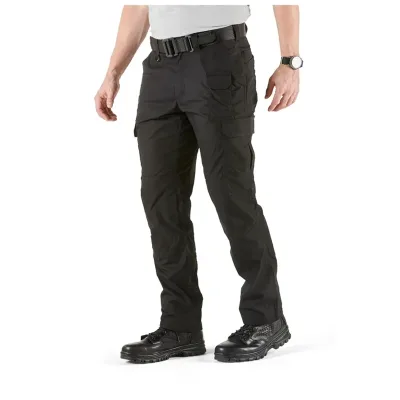


Premium Tactical Pants - Durable Cotton, Waterproof & Tear-Resistant Gear
$1.00 - $3.00
MOQ: 1000 Meters
Comprehensive Sourcing Guide
Waterproof Canvas Tactical Pants Sourcing Guide
Waterproof Canvas Tactical Pants occupy a practical middle ground between heavy-duty workwear and outdoor performance apparel, making them a repeat-purchase category for distributors serving hiking, hunting, security, and general outdoor retail. This guide is written for B2B buyers evaluating listings and preparing supplier discussions, with an emphasis on separating verified product attributes from marketing language that often appears in marketplace descriptions.
The listings observed for this category typically originate from Chinese manufacturers and describe adult, unisex garments in a tactical style with multiple pockets, sturdy zippers, and adjustable waist construction. Prices in the observed range span roughly one to fifty US dollars per unit, and minimum order quantities range from single pieces to several thousand, which signals a mix of small-batch resellers and volume-oriented factories. Use the checks in this guide to narrow that spread before committing samples or deposits.
Product Scope and Observed Listing Signals
The observed listings cluster around two fabric constructions: a 65% polyester and 35% cotton blend, and cotton or poly-cotton alternatives. Claimed functions include waterproof, windproof, wear-resistant, quick-dry, and breathable performance, with features such as tear resistance and water resistance called out explicitly. Size coverage appears broad, with one listing specifying a full S-4XL range and others listing XL and 2XL, so size availability should be confirmed per SKU rather than assumed across a supplier's catalog. Season coverage spans winter, summer, and spring/autumn, which usually indicates lighter-weight shell construction rather than insulated garments.
Colorways listed include camouflage, tan, green, gray, brown, black, and khaki, consistent with tactical and outdoor positioning. Style descriptors vary across listings — tactical, straight-cut, loose fit, and Japan/Korea styling — alongside details like bell-bottom trouser legs and strap features on some models. Production-related signals include a stated monthly output of 5,000 pieces, four production lines, roughly 100 production staff, and a stated 30-day production cycle. Treat these as observations to verify in direct conversation, since listing attributes do not guarantee every SKU shares them.
Technical Specifications to Verify
Begin with fabric composition and weight. Canvas for tactical pants is commonly a poly-cotton blend, and the observed 65/35 polyester-cotton ratio is a reasonable benchmark, but buyers should request the actual fabric spec: grams per square meter, weave density, and whether the waterproof function comes from a coating, a membrane, or a durable water repellent finish. Each construction behaves differently after washing and abrasion, so ask how waterproofing is applied and how it is expected to degrade over the garment's life.
Next, confirm construction details that determine durability in the field. The listings mention sturdy zippers, double tangent (double-stitched) seam lines, and multiple pockets — verify stitch density, bartack placement at stress points, and zipper brand or grade. Request a full size chart with waist, hip, inseam, and rise measurements for each size from S through 4XL, and confirm whether the adjustable waist uses elastic panels, side tabs, or webbing. Finally, clarify which features apply to which models: quick-dry and breathable claims may belong only to specific SKUs, not the whole range.
Compliance and Safety Documentation
Waterproof finishes, dyes, and coatings are the most likely compliance touchpoints in this category. Buyers should ask prospective suppliers which restricted-substance testing they can support for the target destination market, covering azo dyes, formaldehyde levels, and heavy metals in trims and coatings. Do not assume certification exists because a listing looks professional; request the actual test reports or, where absent, budget for third-party testing before shipment. Keep documentation requests aligned with your own market's import requirements rather than accepting a generic "certified" statement.
If the product line includes children's sizing — and the observed attributes do reference a children's age group alongside adults — the compliance burden rises considerably. Children's apparel typically faces stricter requirements for drawcords, small parts such as zipper pulls, flammability, and labeling, which vary by destination market. Confirm which models are genuinely graded for children and which are adult-only, and never extend adult safety documentation to children's SKUs. Also verify country-of-origin labeling, fiber-content labeling, and care-instruction labeling formats against destination regulations before production starts.
Cost Drivers and Commercial Terms
Price spread in the observed listings runs from about one dollar to just over fifty dollars, and the drivers behind that spread are worth itemizing before comparing quotes. Fabric weight and waterproof treatment type move unit cost the most; a coated lightweight shell prices very differently from a heavy canvas with seam sealing. Other cost drivers include zipper and hardware grade, pocket count and reinforcement stitching, size range breadth (S-4XL production requires more grading work), and colorway complexity, since camouflage prints carry separate fabric or printing costs versus solid khaki or black.
Commercial terms deserve equal attention. Observed minimum order quantities range from 1 to 3,000 pieces, so small buyers can often start with trial orders, but per-unit pricing will typically improve only at higher tiers — ask for a quantity-price ladder rather than a single quote. Confirm the stated 30-day production cycle against your launch calendar and add buffer for inspection and shipping. Clarify packaging expectations too: some listings describe individual packaging per item, others carton packing, and the difference affects both freight volume and retail-ready presentation.
Supplier Qualification and Quality Control
Qualify suppliers against their claimed capacity rather than their listings. The observed figures — 5,000 pieces monthly output, four production lines, 100 production staff, and individual inspection of each item — describe a small-to-mid-size operation that can plausibly handle mid-volume orders, but you should verify by asking for recent production records, factory photos or a live video walkthrough, and references from buyers in a similar category. Ask specifically how "each individual inspection" is performed and what defect criteria are applied, since self-inspection claims vary widely in rigor.
Structure quality control around a written specification sheet before any deposit. Lock down fabric composition and weight, waterproofing method, stitching requirements, hardware, size tolerances, and color standards, then require a pre-production sample and a sealed approval sample. Plan an inspection at mid-production for first orders and a final random inspection before shipment; if you cannot attend personally, engage a third-party inspection service in China, where these goods originate. Define the acceptance threshold and the remedy — rework, discount, or replacement — in the purchase agreement so disputes have a clear resolution path.
Long-Term Procurement Checks
Sustained sourcing success in this category depends on monitoring consistency across repeat orders. Waterproof performance and color shading are the two attributes most likely to drift between production runs, so retain reference samples from each approved batch and compare incoming goods against them. Track defect rates by SKU and by failure mode — seam leakage, zipper failure, size deviation — and share this data with your supplier in periodic reviews. A stated 30-day cycle and stable monthly output mean little if actual delivery performance erodes over successive orders.
Build resilience into the relationship as volumes grow. Confirm that key inputs — the poly-canvas fabric, zippers, and any waterproof coating — have qualified alternate sources, so a single material shortage does not halt your supply. Reconfirm compliance documentation annually or whenever the supplier changes a fabric mill or coating process, since reformulation can invalidate earlier test reports. Finally, revisit commercial terms periodically: as your order history grows, renegotiate the quantity-price ladder, payment terms, and lead-time commitments based on demonstrated volume, and keep a second qualified supplier warm to protect against capacity or geopolitical disruption.
FAQs
What materials are used in these tactical pants?
The pants are constructed from a blend of 65% polyester and 35% cotton. This specific fabric composition is designed to balance durability with comfort for outdoor tactical environments. The material choice supports the required functional features while maintaining a relaxed fit for adult users.
What size range is available for these pants?
The available size range spans from S to 4XL, ensuring coverage for a wide variety of body types. This inclusive sizing allows buyers to source inventory that meets diverse customer needs. The relaxed fit design further accommodates different preferences within this standard size spectrum.
Can these pants be customized for specific branding needs?
Yes, customization is available for these tactical pants. Buyers can request specific modifications to align with their brand identity or operational requirements. This flexibility supports private labeling and tailored design elements, ensuring the final product meets distinct market positioning strategies.
What is the production lead time for orders?
The standard production cycle is 30 days from order confirmation. This timeline accounts for the manufacturing process and individual inspection of each item. Buyers should plan their inventory schedules accordingly to ensure timely delivery and stock availability for their retail channels.
What functional features do these pants offer?
These pants feature waterproof, windproof, and quick-dry properties. They are also breathable and include multiple pockets for utility. The sturdy zipper and double tangent line enhance durability. These features make them suitable for outdoor tactics and various seasonal conditions.
What is the monthly production capacity?
The facility has a monthly output capacity of 5000 pieces. This production volume is supported by four dedicated production lines and a staff of 100 people. This capacity allows for consistent supply to meet moderate to large order volumes without significant delays.
What is the packaging method for these items?
Each item is individually packaged to ensure protection during transit. This method helps maintain product quality and presentation upon arrival. The individual packaging also facilitates easier inventory management and reduces the risk of damage during storage and shipping processes.