Source Waterproof Disposable Massage Bed Sheet for Hospital, Beauty Salon, SPA
Compare 30 listings for the Waterproof Disposable Massage Bed Sheet from suppliers in Hubei, China. Options include non-woven fabric materials with customizable sizes, colors, and logo printing to meet specific needs for hospitals, beauty salons, and SPA centers.
Key considerations
Products List


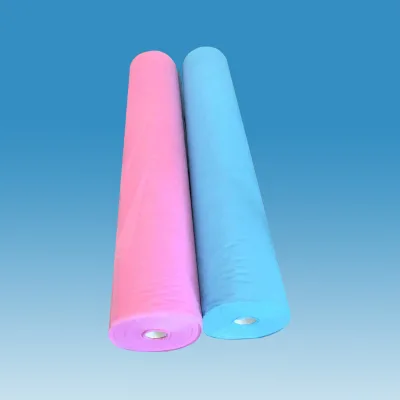
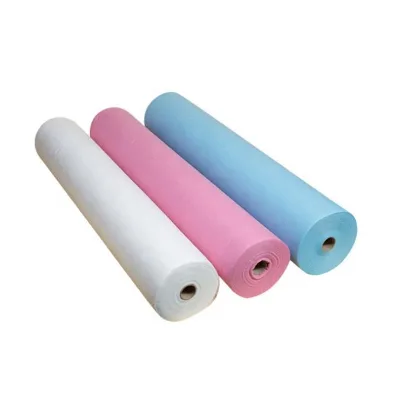
Disposable Non Woven Massage Waterproof Bed Sheet Roll for Massage Table
$4.30 - $4.60
MOQ: 1000 Pieces


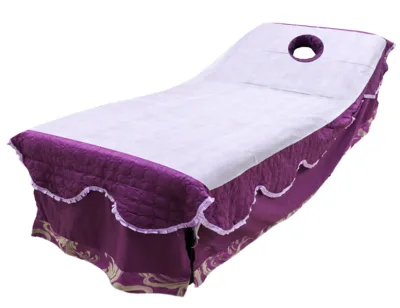


Soft Skin-Friendly Non-Woven Massage Bed Cover Disposable Massage Bed Sheet
$0.11 - $0.35
MOQ: 5000 Pieces


Comprehensive Sourcing Guide
Strategic Sourcing Guide for Waterproof Disposable Massage Bed Sheets
Understanding Product Specifications and Material Composition
When sourcing waterproof disposable massage bed sheets, the primary objective is to identify products that balance fluid resistance with user comfort. The core material composition is a critical determinant of performance. Based on available market data, these products are predominantly manufactured from Non-woven Fabric, with specific variations including PP (Polypropylene), SMS (Spunbond-Meltblown-Spunbond), Paper, and Spunlace materials. Each material offers distinct properties; for instance, SMS structures are often favored for their superior barrier properties against liquids while maintaining a soft hand feel, which is essential for client comfort during spa or medical treatments.
The weight of the fabric, often referred to as Grammage or GSM, is a vital technical specification that influences both durability and cost. Observed data indicates a weight range typically falling between 15g/m² and 50g/m², with specific product models citing ranges such as 20-40g/m² or 20-50g/m². Buyers must understand that higher GSM values generally correlate with increased opacity and tear resistance, reducing the risk of sheet failure during use. However, excessively heavy sheets may compromise the "soft" and "disposable" nature required for high-volume applications.
Dimensions and customization capabilities are equally significant. While standard roll sizes like 80cm x 50m or 60cm x 50m are common, the market also supports fully customized sizing "as required" or "as your requirement." This flexibility allows procurement teams to tailor sheet widths to specific massage table dimensions, minimizing waste. Furthermore, the product style varies between flat sheets and fitted designs. Some models feature elastic edges or tie-down mechanisms to ensure the sheet stays securely in place on the table surface, preventing slippage during active therapy sessions. The core size of the roll, often specified as 35mm or 38mm, is another technical detail that affects compatibility with existing dispensing systems or manual handling processes.
Compliance, Certification, and Sterilization Protocols
In the medical and beauty sectors, regulatory compliance is non-negotiable. Buyers must verify that suppliers adhere to recognized international standards. The most frequently cited certifications for these products include CE, ISO 13485, and FDA registration. ISO 13485 specifically addresses quality management systems for medical devices, ensuring that the manufacturing process maintains consistent quality control. The presence of CE marking indicates conformity with health, safety, and environmental protection standards for products sold within the European Economic Area. FDA registration is crucial for products intended for the US market, signaling that the manufacturer meets specific regulatory requirements for medical supplies.
A critical distinction in this category is the sterilization method. Many disposable medical sheets are supplied without Ethylene Oxide (EtO) sterilization. This is a significant observation because EtO sterilization is a complex process that requires specific aeration times to remove toxic residues. Products marked as "Without Ethylene Oxide Sterilization" are often intended for non-invasive applications where the sheet acts as a barrier rather than a sterile instrument. Buyers must confirm whether the product requires terminal sterilization or if it is supplied in a clean, non-sterile state, as this impacts storage requirements and the scope of use within a facility.
The origin of the product also plays a role in compliance. A significant portion of these supplies originates from Hubei, China. While this location is a major manufacturing hub, buyers should ensure that the specific supplier's facility holds valid, current certifications rather than relying on general regional knowledge. The "Goods Name" and "Product Material" fields in supplier listings should be cross-referenced with the specific regulatory body requirements of the buyer's target market to ensure no discrepancies exist between the claimed material and the certified product type.
Cost Drivers and Economic Factors in Procurement
The pricing structure for waterproof disposable massage bed sheets is influenced by several variable factors, primarily material composition, weight, and order volume. The observed price range in the market spans from $0.05 to $8.60 per unit, though this wide variance often reflects differences in packaging formats (e.g., per bag vs. per roll) and material quality. The cost is heavily driven by the GSM; a sheet weighing 50g/m² will inherently cost more than one weighing 15g/m² due to the higher volume of raw material used.
Minimum Order Quantity (MOQ) is another substantial economic factor. The market exhibits an MOQ range from 10 units up to 50,000 units. For smaller clinics or spas, an MOQ of 10 may be accessible, allowing for trial orders without significant capital commitment. Conversely, large hospital chains or distributors may leverage the higher end of the MOQ spectrum to negotiate better unit economics. The packaging format also impacts the effective cost. Standard packing configurations include 100 pieces per bag with 10 bags per carton, or 1 piece per bag with 50 pieces per carton. Buyers should calculate the total landed cost, including shipping and handling, which can vary significantly based on the density and volume of the carton.
Customization services, such as logo printing and tailored sizing, introduce additional cost variables. While "Logo Printing" is listed as both available and unavailable in different product listings, the presence of a custom logo typically incurs a setup fee or a higher unit price. Similarly, "Customized" sizes or specific color requirements (White, Blue, Green, Pink, or Multicolor) may affect the production run efficiency and, consequently, the final price. Buyers should request detailed quotes that break down the base material cost, customization fees, and packaging costs to make accurate budget comparisons.
Typical Applications and Usage Scenarios
The versatility of waterproof disposable massage bed sheets makes them suitable for a diverse range of applications. The primary use cases identified include hospitals, beauty salons, spas, and medical clinics. In a hospital setting, these sheets serve as a critical barrier to prevent cross-contamination between patients, particularly in areas where linens are difficult to launder frequently or where infection control protocols are stringent. The "Eco-Friendly" feature noted in some product descriptions suggests that certain manufacturers are developing sustainable options that appeal to healthcare facilities with green procurement mandates.
In the beauty and wellness industry, the application extends to massage therapy, facial treatments, and body wraps. The "Soft" and "Disposable" features are paramount here, as they enhance the client experience by providing a fresh, clean surface for every session. The availability of colors like White, Blue, Green, and Pink allows establishments to align the sheet color with their brand identity or to use color-coding for different service types. For example, a spa might use blue sheets for hydrotherapy and pink sheets for facial treatments.
The "Fitted" style with elastic or ties is particularly valuable in dynamic environments where the table may be moved or adjusted frequently. This ensures the sheet remains taut and secure, preventing the client from slipping or the sheet from bunching up during the procedure. The "Mainly Used in Hospital, Beauty Salon etc" application note underscores the dual nature of the product: it must be robust enough for clinical use yet comfortable enough for relaxation. Buyers should evaluate their specific workflow to determine if a standard roll, a fitted sheet, or a specific material like Spunlace is best suited for their operational needs.
Supplier Evaluation and Quality Assurance Strategies
Evaluating a supplier for disposable medical supplies requires a rigorous approach beyond simple price comparison. Buyers should prioritize suppliers who provide clear documentation of their quality management systems. The presence of ISO 13485 certification is a strong indicator of a supplier's commitment to consistent quality. Additionally, the ability to provide samples is a crucial step in the evaluation process. Most suppliers support sample requests, allowing procurement teams to physically inspect the material's texture, fluid resistance, and overall finish before committing to a large order.
Quality control should be embedded in the procurement process. Buyers must verify the "Quality Guarantee Period," which is often cited as two years for these products. This suggests a shelf-life expectation and a commitment to product stability. When reviewing supplier listings, attention should be paid to the consistency of product attributes. For instance, if a supplier claims a weight of 20-40g/m², the buyer should ensure that the actual product delivered falls within this range and does not fluctuate significantly between batches. The "Product Standard" field, which may list CE and ISO13485, should be verified against the specific batch certificates provided by the supplier.
Logistics and lead times are also critical components of supplier evaluation. The observed delivery time for these products typically ranges between 30 to 35 days. This lead time should be factored into inventory planning to prevent stockouts. Buyers should also assess the supplier's packaging integrity. Standard packaging includes 1PC/Bag, 10 rolls/CTN, or 100PCS/CTN configurations. Ensuring that the packaging is robust enough to protect the product during transit is essential, especially for lightweight, non-woven materials that can be easily damaged. Finally, the supplier's willingness to accept OEM (Original Equipment Manufacturer) requests and customized orders indicates a level of flexibility and partnership that is valuable for long-term procurement relationships.
Long-Term Procurement Considerations and Inventory Management
Sourcing waterproof disposable massage bed sheets is not merely a transactional activity but a strategic decision that impacts long-term operational efficiency. One of the primary considerations is the balance between inventory holding costs and the risk of product expiration. With a quality guarantee period of two years, buyers have a reasonable window to utilize stock, but they must manage their inventory levels to avoid overstocking, which ties up capital and storage space. The "Folded" nature of some products can complicate storage, requiring specific shelving solutions to maintain product integrity and prevent creasing that could affect the sheet's performance.
Sustainability is an emerging factor in long-term procurement strategies. As "Eco-Friendly" features become more prevalent, buyers may find themselves under pressure to select suppliers who prioritize environmentally responsible manufacturing practices. This could involve choosing products made from recyclable materials or those that require less energy to produce. Additionally, the ability to customize the product, such as adding a logo or specific colors, can enhance brand visibility and client perception, adding value beyond the basic utility of the sheet.
Supply chain resilience is another critical consideration. Given that the lead time is typically 30-35 days, buyers should maintain a safety stock buffer to account for potential delays in production or shipping. Diversifying the supplier base can mitigate the risk of disruption. While many products originate from Hubei, China, buyers should explore whether alternative sourcing regions are available to reduce dependency on a single geographic area. Finally, the scalability of the supply chain must be considered. As a business grows, the ability of the supplier to fulfill larger orders, such as those approaching the 50,000 unit MOQ, without compromising quality or delivery times is essential for maintaining operational continuity.
Comparative Analysis of Product Attributes
To facilitate decision-making, it is helpful to compare the key attributes of different product variations available in the market. The following table summarizes the observed specifications and their implications for procurement.
| Attribute | Variation A (Standard) | Variation B (Premium/Custom) | Procurement Implication |
|---|---|---|---|
| Material | Non-woven Fabric | PP/SMS/Paper/Spunlace | SMS offers better barrier; Spunlace offers superior softness. |
| Weight | 20~50 G/M2 | 15~45 gms | Higher weight increases durability; lower weight reduces cost. |
| Size | As Required | 80cm50m, 60cm50m | Custom sizes reduce waste; standard rolls are easier to stock. |
| Style | Flat or Fitted | With Elastic or Ties | Fitted styles prevent slippage; flat styles are versatile. |
| Certification | CE, ISO13485 | CE, ISO13485, FDA | FDA is required for US medical use; ISO13485 is global standard. |
| Sterilization | Without EtO | Without EtO | Suitable for non-invasive use; check if sterile packaging is needed. |
| Packaging | 100 PCS/Bag, 10bag/CTN | 1PC/Bag, 50PCS/Carton | Bulk packaging reduces unit cost; individual bags aid hygiene. |
| Lead Time | 30~35 Days | 30~35 Days | Consistent lead time allows for predictable inventory planning. |
This comparison highlights that while the core function remains the same, the specific attributes allow buyers to tailor their procurement to their specific operational needs, whether that be cost reduction, enhanced comfort, or specific regulatory compliance. By carefully analyzing these variables, procurement teams can make informed decisions that align with their organizational goals and budgetary constraints.
FAQs
What certifications do waterproof disposable massage bed sheets typically have?
These sheets typically hold CE, ISO 13485, and FDA certifications. Buyers should verify that the specific batch certificates match these standards to ensure compliance with international medical device regulations.
How long is the delivery time for these products?
The standard delivery time ranges between 30 to 35 days. Procurement teams must factor this lead time into their inventory planning to prevent stockouts during high-demand periods.
Can I request custom sizes for these bed sheets?
Yes, customization is available with sizes as required by the buyer. This flexibility allows clinics to tailor widths to specific massage table dimensions, minimizing material waste during use.
What is the minimum order quantity for these sheets?
The minimum order quantity ranges from 10 to 50,000 units depending on the supplier. Smaller clinics can access lower MOQs for trials, while large chains leverage higher volumes for better economics.
Which materials are used to make these disposable sheets?
Materials include Non-woven Fabric, PP, SMS, Paper, and Spunlace. Each material offers distinct properties, such as superior liquid barrier protection or a soft hand feel for client comfort.
Are these sheets sterilized with Ethylene Oxide?
Many products are supplied without Ethylene Oxide sterilization. This indicates they are intended for non-invasive barrier applications rather than sterile instrument use, affecting storage and scope of use.