Source Waterproof Digital Sports Watch for Running, Swimming, and Gym Training
Compare 30 Waterproof Digital Sports Watch options featuring day/date displays, heart rate monitoring, and luminous dials. Buyers can evaluate customization, band materials, and waterproof ratings from suppliers in China.
Key considerations
Products List


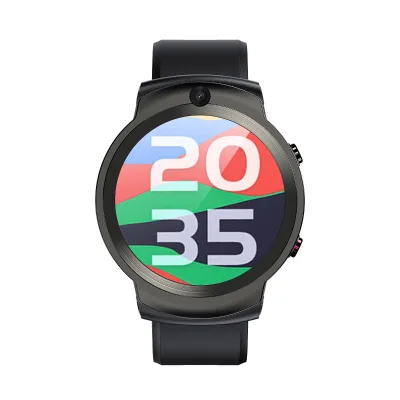
Ultra-thin Fitness Tracker Heart Rate Monitor Pedometer Waterproof Smartwatch
$91.73 - $111.10
MOQ: 3 Minimum
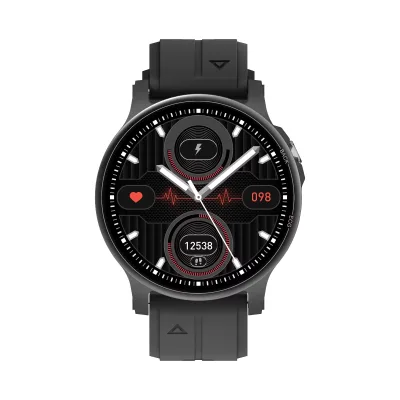
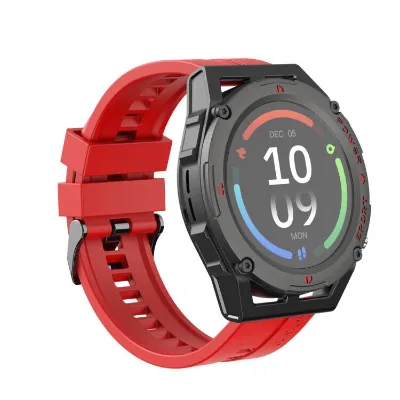
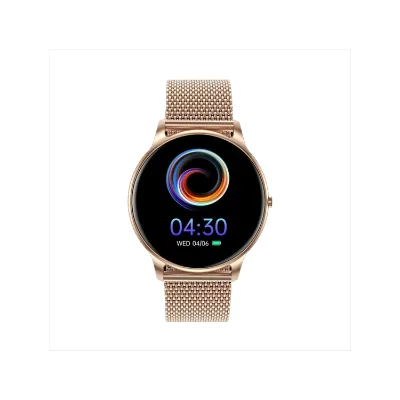


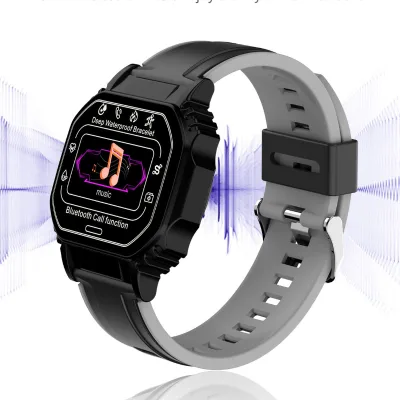
Waterproof Sports Smart Watch with Minimalist Design & Bluetooth Calling
$11.53 - $11.93
MOQ: 100 Pieces

Comprehensive Sourcing Guide
Strategic Sourcing Guide for Waterproof Digital Sports Watches
The global market for waterproof digital sports watches has expanded significantly, driven by the convergence of consumer demand for durable fitness tracking and the need for cost-effective promotional merchandise. For B2B procurement professionals, navigating this sector requires a disciplined approach that distinguishes between generic digital timepieces and specialized sports-grade devices. The following guide outlines the critical technical, compliance, and operational factors necessary for sourcing high-quality waterproof digital sports watches while mitigating supply chain risks.
Technical Specifications and Functional Attributes
When evaluating potential suppliers, the primary focus must be on the technical specifications that define the product's utility in a sports context. The core keyword "Waterproof Digital Sports Watch" implies a specific set of performance metrics. Based on observed market data, waterproof ratings vary significantly across product lines. Buyers should verify that the specific model meets the intended usage environment. Observed listings indicate waterproof capabilities ranging from 30 meters to 50 meters, with some general classifications simply stating "Waterproof" without a specific depth rating. A 30-meter rating typically protects against splashes and rain, suitable for daily wear, whereas a 50-meter rating offers better resistance for swimming and shallow water activities. Procurement teams must explicitly confirm the depth rating in the technical datasheet before finalizing an order, as "waterproof" is often a marketing term rather than a standardized metric.
The display technology is another critical differentiator. The market offers both digital and analog-digital hybrid options. For pure sports applications, digital displays are preferred for their readability and data presentation capabilities. Features such as "Day/Date," "Alarm," and "Luminous" indicators are standard expectations for sports models. Advanced units may include heart rate monitoring capabilities, transforming the watch into a functional fitness tracker. The case shape also influences the aesthetic and functional profile; square cases are often associated with a modern, sporty look, while round cases offer a more traditional appearance. The movement type, whether quartz or solar-powered, dictates the maintenance requirements and longevity of the device. Solar-powered options, such as those labeled "Sport Solar Watch," offer enhanced utility for outdoor athletes by reducing battery dependency.
Compliance and Certification Verification
In the B2B procurement of electronic devices, compliance with international safety and environmental standards is non-negotiable. Buyers must demand evidence of certification from the supplier to ensure the product meets regulatory requirements for the target market. Observed product listings frequently cite "CE" and "RoHS" certifications. CE marking indicates conformity with health, safety, and environmental protection standards for products sold within the European Economic Area, while RoHS (Restriction of Hazardous Substances) ensures the device is free from specific hazardous materials.
However, reliance on a single listing's claim is insufficient. Procurement teams must verify that the certification applies to the specific production batch and model. It is also essential to check for other regional certifications relevant to the destination market, such as FCC for the United States or PSE for Japan. While some background information mentions standards like EN13319, this should be treated as a reference point for general industry knowledge rather than a guaranteed attribute of every listed product. Buyers should request valid certification documents and, if necessary, engage third-party testing laboratories to validate the claims before mass production begins. This due diligence prevents potential customs seizures and protects the brand from liability associated with non-compliant electronics.
Cost Drivers and Pricing Dynamics
Understanding the cost structure of waterproof digital sports watches is vital for budgeting and margin analysis. The observed price range in the market is broad, spanning from approximately $0.68 to $111.10 USD. This wide variance is driven by several factors, including the complexity of the movement, the quality of materials, and the level of customization. Basic models with simple digital displays and standard stainless steel or plated metal bands will sit at the lower end of the spectrum. Conversely, models featuring advanced sensors like heart rate monitors, solar charging capabilities, or premium band materials such as silicone, rubber, or woven fabrics will command higher prices.
Material selection is a primary cost driver. Bands made from stainless steel and plated metal offer durability and a premium feel but increase the unit cost compared to silicone or rubber alternatives. The clasp type also influences pricing; deployment buckles generally cost more than standard buckles or bracelet clasps due to their mechanical complexity and manufacturing precision. Furthermore, the level of customization significantly impacts the final price. Products offering customized logos, OEM services, and tailored packaging (such as bubble bags or color boxes versus standard polybags) incur additional tooling and setup costs. Buyers must balance the desire for customization against the budget constraints, ensuring that the added value of branding justifies the incremental expense.
Minimum Order Quantities and Supplier Capabilities
Supplier evaluation must include a thorough analysis of Minimum Order Quantity (MOQ) requirements and production capacity. The market data reveals a wide range of MOQs, from as low as 1 unit to as high as 3,000 units. A specific product model may list an MOQ of 500 pieces, while others may be more flexible. For large-scale corporate procurement or promotional campaigns, suppliers with higher MOQs often offer better per-unit pricing. However, for smaller orders or pilot runs, buyers should seek suppliers who can accommodate lower quantities without compromising quality.
The supplier's ability to handle OEM orders is another critical capability. Most reputable suppliers in this sector accept OEM orders, allowing buyers to customize the product model, logo, and packaging. The "prod_model" field often indicates specific SKUs, such as "LED Sports Watch-092N" or "Promotional Digital Watches-032O," which can serve as a baseline for customization. Buyers should verify the supplier's lead times and production flexibility. While specific lead times are not universally standardized in the provided data, suppliers with established manufacturing bases in regions like Fujian, China, typically have robust supply chains. It is essential to confirm the production timeline to ensure the goods arrive before the intended launch date or promotional event.
Quality Control and Material Standards
Quality control (QC) is paramount when sourcing electronic devices that are subjected to physical stress and environmental exposure. The "Quality" attribute is often listed as "Best" in marketing materials, but this is a subjective claim that requires objective verification. Buyers should implement a rigorous QC protocol that includes material inspection, functional testing, and durability checks. The band material, whether it is stainless steel, plated metal, silicone, rubber, or weaving, must be inspected for defects, color consistency, and structural integrity.
Waterproofing is a specific area of concern that requires dedicated testing. The observed waterproof ratings of 30 meters and 50 meters must be validated through pressure testing. A simple visual inspection is insufficient; the product must be subjected to water pressure tests to ensure seals and gaskets are intact. Additionally, the dial color, case shape, and clasp type should be checked against the approved sample. For products with "Luminous" features, the brightness and duration of the glow should be tested. The packaging, whether it is a PP bag, polybag, or color box, must also be inspected to ensure it meets the buyer's requirements for protection and presentation. Any deviation from the agreed-upon specifications should result in rejection of the batch.
Long-Term Procurement and Application Strategy
The long-term success of a procurement strategy for waterproof digital sports watches depends on aligning the product selection with the intended application. These watches are versatile and can be used for various purposes, from personal fitness tracking to corporate giveaways and promotional events. The "Sport" style and "Men" or "Unisex" gender attributes suggest a broad market appeal, but specific applications may require different feature sets. For instance, a promotional campaign for a running club might prioritize watches with heart rate monitoring and alarm features, while a corporate gift might focus on the aesthetic appeal of a square or round case with a customized logo.
Sustainability and after-sales support are also long-term considerations. Buyers should inquire about the availability of spare parts, such as replacement bands or batteries, to extend the product lifecycle. The "New" age attribute indicates that the products are current, but buyers should ensure that the technology remains relevant for the expected lifespan of the product. Furthermore, suppliers who offer flexible packaging options, such as custom color boxes or bubble bags, add value by allowing buyers to tailor the unboxing experience to their brand identity. By maintaining a strong relationship with suppliers who demonstrate reliability in quality, compliance, and delivery, buyers can secure a consistent supply of high-performance waterproof digital sports watches for their ongoing needs.
Comparative Analysis of Product Attributes
To facilitate decision-making, the following table summarizes key attributes observed across different product models in the market. This comparison highlights the variability in specifications and helps buyers identify the most suitable options for their specific requirements.
| Attribute | Model A (LED Sports Watch-092N) | Model B (Promotional Digital-032O) | Model C (Sport Solar Watch-020H) | Model D (Multifunctional-093S) |
|---|---|---|---|---|
| Case Shape | Square | Round | Customized | Customized |
| Waterproof | 30 m | 50 m | Waterproof (Unspecified) | Waterproof (Unspecified) |
| Band Material | Stainless & Plated Metal | Detachable Case | Weaving | Silicone/Rubber |
| Key Features | Day/Date | Day/Date, Chronograph, Alarm | Sport Solar | Heart Rate, Luminous |
| Movement | Digital | Quartz | Solar | Digital |
| Clasp Type | Leather Deployment Buckle | Buckle | Bracelet Clasp | Standard |
| Certification | CE, RoHS | CE, RoHS | CE, RoHS | CE, RoHS |
| MOQ | 500 PCS | Variable | Variable | Variable |
This table illustrates that while many models share common certifications like CE and RoHS, the functional capabilities and material compositions vary widely. A buyer seeking a solar-powered watch for outdoor use would prioritize Model C, whereas a buyer looking for a durable, classic look might prefer Model A. The variability in waterproof ratings and band materials underscores the necessity of detailed specification checks before placing an order. By carefully analyzing these attributes, procurement professionals can ensure that the selected products meet the exact demands of their target market and application scenarios.
FAQs
What certifications do waterproof digital sports watches typically have?
Most models carry CE and RoHS certifications to ensure safety and environmental compliance. Buyers must verify that these certifications apply to the specific production batch before mass production begins.
Which waterproof ratings are available for these digital watches?
Observed listings indicate ratings ranging from 30 meters to 50 meters, with some simply labeled waterproof. A 30-meter rating protects against splashes, while 50 meters supports swimming and shallow water activities.
Can buyers customize the logo and packaging for these watches?
Yes, OEM services are accepted with customized logos and tailored packaging options like color boxes or polybags. This customization incurs additional tooling costs that must be balanced against the budget.
What is the minimum order quantity for these sports watches?
The market reveals MOQs ranging from 1 unit to 3,000 units, with some specific models requiring 500 pieces. Buyers should seek suppliers with flexible MOQs for pilot runs or smaller orders.
Which materials are used for the bands on these watches?
Band materials include stainless steel, plated metal, silicone, rubber, and weaving fabrics. Selection depends on durability needs and cost, with metal bands generally costing more than silicone alternatives.
What features are common in these digital sports watch models?
Common features include Day/Date displays, alarms, luminous indicators, and heart rate monitoring. Some models also offer solar power or chronograph functions depending on the specific product model selected.
Where are these waterproof digital watches typically manufactured?
Products originate from China, with specific manufacturing bases located in regions like Fujian. Suppliers in these areas typically maintain robust supply chains for international B2B procurement needs.