Source Waterproof Faux Leather Handbags for Travel, Shopping, and Work
Find 30 Waterproof Faux Leather Handbag options featuring genuine leather, PU, and neoprene materials. Compare customization, OEM services, and packaging details for travel, shopping, and work applications.
Key considerations
Products List


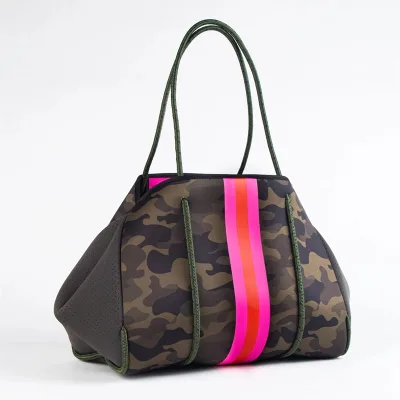


PU Leather Shoulder Bag & Handbag
$8.90 - $29.90
MOQ: 1 Pieces
Zhang Fan's Garments Store, Quanzhou Fengze District Quanxiu Street


Designer Women's Mini Shoulder Handbag
$8.90 - $29.90
MOQ: 1 Pieces
Zhang Fan's Garments Store, Quanzhou Fengze District Quanxiu Street


Comprehensive Sourcing Guide
Waterproof Faux Leather Handbag Sourcing Guide
The Waterproof Faux Leather Handbag market offers a distinct advantage for buyers seeking durable, weather-resistant accessories that maintain a premium aesthetic without the maintenance requirements of genuine leather. Based on observed product attributes, these items frequently utilize materials such as PU, PVC, and specialized coatings to achieve water resistance while mimicking the texture of patent or genuine leather. The presence of "Waterproof" as a specific attribute in listings indicates that the outer shell is engineered to repel moisture, making these bags suitable for travel, shopping, and outdoor activities where exposure to rain or spills is a concern.
Procurement strategies for this category must account for the variability in material composition, as listings show a mix of PU, PVC, and even silicone or neoprene constructions alongside traditional faux leather options. Buyers should verify that the "Waterproof" claim applies to the entire bag structure, including seams and zippers, rather than just the surface material. The observed customization options, including logo printing and design modifications, suggest that these products are highly adaptable for private label branding, allowing businesses to create unique product lines that align with specific fashion trends or functional requirements.
Product Scope and Observed Listing Signals
The product scope for waterproof faux leather handbags spans a wide range of styles, from simple and European designs to antique and candy-colored fashion elements. Observed listings indicate that these bags are available in various hardness levels, ranging from partial hard to medium soft, which directly influences the bag's structural integrity and shape retention. The gender classification varies, with options available for female and unisex markets, ensuring that buyers can source inventory that targets specific demographic segments or offers a versatile, inclusive product line.
Listing signals reveal significant flexibility in production capabilities, with many suppliers offering OEM services and customized designs. The presence of specific model numbers like "Genuine Leather Handbags-057G" or "PVC Handbag-027S" in the data suggests that suppliers often categorize their waterproof offerings under broader material umbrellas, requiring careful verification of the actual outer material. Buyers should note that while some listings mention "Genuine Leather," the waterproof attribute is often paired with PU or PVC materials, necessitating a clear distinction between the marketing term and the physical composition to avoid misalignment with buyer expectations.
Technical Specifications to Verify
When evaluating technical specifications, the primary focus must be on the material composition and the specific nature of the waterproofing treatment. Buyers should confirm whether the waterproofing is achieved through a coating, a laminate, or the inherent properties of the synthetic material like PVC or PU. The observed data lists "Inside Material" as both Polyester and Fabric, which impacts the bag's internal durability and resistance to moisture absorption from the outside; verifying the lining material is crucial for ensuring that the interior does not degrade or stain when exposed to damp conditions.
Structural specifications such as hardness, style, and dimensions are equally critical for functional assessment. Listings indicate a range of sizes, including specific measurements for L, M, and S variants, which allows buyers to match inventory to their target market's size preferences. The "Hardness" attribute, described as partial hard or medium soft, dictates how the bag holds its shape when empty and how it responds to daily wear. Additionally, the number of handles or straps, often listed as two, and the shape configuration must be verified against the intended use case, whether it is for travel, hiking, or daily commuting.
Compliance and Safety Documentation
While specific certification names are not provided in the observed data, buyers must request documentation proving that the synthetic materials used meet international safety standards for consumer goods. The use of PU, PVC, and other polymers often requires verification of compliance with regulations regarding restricted substances, such as phthalates or heavy metals, which are common concerns in the leather and synthetic accessory industry. Buyers should explicitly ask for test reports that confirm the absence of harmful chemicals, ensuring the product is safe for prolonged skin contact and aligns with the safety expectations of the destination market.
Packaging and labeling compliance are also essential components of the documentation review process. The observed "prod_packing" details, such as "Each Packed in a Polybag," indicate that the packaging itself must be evaluated for environmental compliance and safety, particularly if the destination market has strict regulations on plastic usage. Furthermore, the "prod_standard" being listed as "customized" implies that the supplier may not adhere to a single universal standard, requiring the buyer to define and validate the specific quality and safety benchmarks that the finished product must meet before shipment.
Cost Drivers and Commercial Terms
The cost of waterproof faux leather handbags is heavily influenced by the complexity of the customization and the specific material chosen. Listings show a wide MOQ range from 1 to 3000 pieces, with some specific models requiring a minimum of 10,000 pieces, which significantly impacts the unit price and the feasibility of small-batch orders. Buyers should anticipate that higher customization levels, such as unique logo printing, specific color matching, or tailored dimensions, will increase the production cost and potentially extend the lead time, as these processes require additional setup and quality control steps.
Commercial terms regarding supply ability and logistics must be carefully negotiated to ensure consistent inventory flow. The observed "Supply Ability" of 20,000 pieces per month suggests that suppliers have the capacity to handle large orders, but buyers should verify if this capacity is consistent year-round or subject to seasonal fluctuations. The "Port of dispatch" being listed as ShenZhen indicates a specific logistical hub, and buyers should factor in shipping costs and lead times from this location to their final destination. Additionally, the "Single gross weight" and package dimensions are critical for calculating freight costs, especially for air freight where weight and volume directly affect the total landed cost.
Supplier Qualification and Quality Control
Supplier qualification for this category requires a rigorous assessment of their manufacturing capabilities and quality control protocols, particularly regarding the consistency of the waterproofing feature. Buyers should verify that the supplier has a dedicated production line for synthetic leather goods and can demonstrate a history of producing items with the specific "Waterproof" attribute without compromising the aesthetic finish. The presence of "Customized" design and logo options suggests that the supplier has flexible production systems, but buyers must ensure that these customizations do not introduce variability that could lead to quality inconsistencies across batches.
Quality control checks should focus on the integrity of the seams, the durability of the waterproof coating, and the accuracy of the customization. Since the "prod_standard" is often listed as customized, buyers should establish clear acceptance criteria for the finished product, including tests for water resistance, color fastness, and material strength. The observation of "Mixed Color" and "Customized Colors" options highlights the need for strict color matching protocols to ensure that the final product aligns with the buyer's brand identity. Regular third-party inspections during production and pre-shipment are recommended to verify that the physical attributes, such as hardness and dimensions, match the agreed-upon specifications.
Long-Term Procurement Checks
Establishing a long-term procurement relationship for waterproof faux leather handbags requires ongoing monitoring of material consistency and supplier performance over time. Buyers should implement a system to track the performance of the waterproofing feature under real-world conditions, as synthetic materials can degrade or lose their water-repellent properties with extended use. Regular feedback loops with the supplier are essential to address any recurring quality issues, such as peeling coatings or seam failures, and to ensure that the supplier maintains the same level of quality as the initial order.
Strategic planning for future orders should include evaluating the supplier's ability to adapt to changing market trends and material innovations. The observed "Fashion Element" of "Candy Color" and various styles like "Antique" or "European Style" indicates that the market is dynamic, and suppliers must be capable of quickly adjusting their production to meet new design demands. Buyers should also review the supplier's supply chain resilience, ensuring they can maintain the "Supply Ability" of 20,000 pieces per month even during periods of high demand or material shortages. Continuous engagement and periodic audits will help maintain a reliable supply of high-quality waterproof handbags that meet evolving consumer expectations.
FAQs
What materials are used for waterproof faux leather handbags?
Waterproof faux leather handbags are typically crafted from materials such as genuine leather, PU, PVC, or silicone. Some models feature a polyester or fabric lining for added comfort and durability. The choice of material affects the bag's hardness, style, and overall aesthetic, allowing for various design options including simple, European, or antique styles.
Can I customize the logo and design on these handbags?
Yes, customization is available for logos, designs, and colors. Buyers can request customized logos and specific design elements to match their brand identity. The product supports OEM services, allowing for tailored solutions. Colors can be customized, including mixed or specific candy colors, ensuring the final product aligns with your marketing and aesthetic requirements.
What is the typical MOQ for ordering these handbags?
The Minimum Order Quantity varies by product model, ranging from 300 pieces to 10,000 pieces. For instance, some models have an MOQ of 300 pcs, while others may require up to 10,000 pcs. Buyers should check the specific MOQ for the desired model, as it directly impacts pricing tiers and production scheduling for bulk orders.
Where are these handbags manufactured and shipped from?
These handbags are manufactured in China, with specific origins noted in Guangdong. The port of dispatch is typically ShenZhen. This location allows for efficient logistics and supply chain management. Buyers should consider lead times and shipping costs associated with dispatch from this region when planning their procurement strategy.
What packaging details are provided for these handbags?
Each handbag is typically packed in a polybag or OPP bag for protection during transit. The single package size and gross weight vary by model, with some items weighing around 0.120 kg. This packaging ensures the product remains clean and undamaged during shipping, facilitating easy handling and storage for the buyer upon arrival.
What styles and genders are these handbags suitable for?
These handbags are available in various styles, including simple, European, fashion, and antique designs. They cater to both female and unisex markets. Features like candy colors, solid colors, or mixed colors add to the aesthetic appeal. The designs range from partial hard to medium soft, offering versatility for different fashion preferences and usage scenarios.