Source Waterproof Fade Resistant UV Ink for Heat Transfer, Textile, and Outdoor
Compare 30 listings for Waterproof Fade Resistant UV Ink suitable for heat transfer, textile printing, and outdoor applications. Buyers can evaluate viscosity, drying methods, and compatible print heads across multiple suppliers in China.
Key considerations
Products List





Comprehensive Sourcing Guide
Strategic Sourcing Guide for Waterproof Fade Resistant UV Ink
Understanding the Technical Landscape of UV and Sublimation Inks
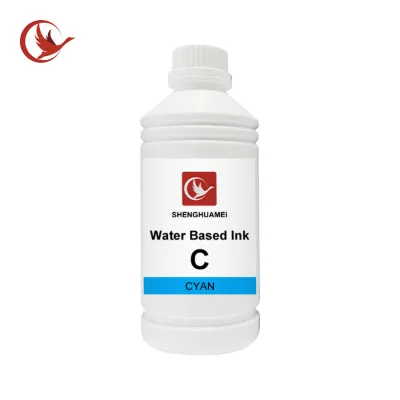
When sourcing "Waterproof Fade Resistant UV Ink," buyers must first navigate a complex terminology landscape where product attributes often overlap or diverge significantly from the core keyword. The supplied data reveals a market populated by distinct ink chemistries, including Water Based Ink, Solvent Based Ink, and various Sublimation Inks, alongside specific UV LED ink formulations. A critical observation from the product data is the variation in drying mechanisms; while some products utilize Heat Curing, others rely on Oxidative Polymerization Drying or are designed for Digital Printing and Offset Printing respectively.
The term "UV Ink" in the provided context is associated with specific model identifiers such as "UV LED ink" and "Textile Sublimation Printing Ink." However, the data also lists "Sublimation Ink" with a transfer rate of greater than 92% and "Water Based Ink" suitable for heat transfer printing. This indicates that a single search term may yield products with fundamentally different performance profiles. For instance, one product line is specified as "Solvent Based Ink" with an oil-based solvent, while another is explicitly "Water Based." Buyers must verify whether the "UV" designation in a listing refers to the curing method (UV LED curing) or if the product is actually a sublimation ink designed for heat transfer applications on polyester and triacetate fabrics. The presence of "UV Ink" alongside "Sublimation Ink" in the same dataset suggests that suppliers may offer diverse portfolios, requiring precise filtering based on the intended substrate and curing infrastructure.
Critical Technical Specifications and Performance Metrics
To ensure the ink meets the "waterproof" and "fade resistant" criteria, procurement teams must scrutinize specific technical attributes found in the product listings. The data highlights several key performance indicators that serve as proxies for durability. One product specification lists "Vivid Color, Perfect Fastness, No Clog" as core features, directly addressing the fade resistance and operational reliability requirements. Another entry specifies a "Dye Degree: Above 4 Grad," which is a quantitative measure of color intensity and saturation, often correlated with fade resistance in textile applications.
The chemical composition is equally vital. The presence of "Pigment" as a component in one product line suggests superior lightfastness compared to dye-based inks, which are common in sublimation processes. However, the data also lists "Dye sublimation ink" and "Textile Sublimation Printing Ink," which typically rely on dye migration rather than pigment suspension. For waterproof applications, the "Ink Granula: Less Than 5 μm" specification is a critical quality marker, ensuring the ink particles are fine enough to penetrate fibers without clogging print heads or leaving a surface residue that could compromise water resistance.
Furthermore, the "Transfer Rate: >92%" observed in sublimation ink listings is a direct metric of efficiency and color retention. High transfer rates generally indicate that the ink bonds effectively to the substrate, reducing the likelihood of washing out or fading. Buyers should also verify the "Shelf Life," which varies from 1 Year to 3 Years in the observed data. A longer shelf life often correlates with better chemical stability, which can be a secondary indicator of the ink's long-term resistance to environmental degradation. The "Suitable Print Head" compatibility, listing models like 4720, I3200, XP600, L1800, Dx5, Dx6, and Dx7, is essential for ensuring the ink's viscosity and particle size are compatible with the buyer's existing printing hardware, preventing mechanical failures that could lead to inconsistent application and poor waterproofing.
Compliance, Certification, and Safety Standards
In the B2B procurement of industrial inks, compliance is not merely a regulatory formality but a critical component of product safety and market access. The supplied facts explicitly mention several certifications that buyers should prioritize when evaluating potential suppliers. The data confirms the existence of products holding "ISO9001," "MSDS," "SGS," and "Dgm" certifications. ISO9001 indicates a standardized quality management system, which is a baseline for consistent manufacturing processes. MSDS (Material Safety Data Sheet) is indispensable for handling, storage, and transportation safety, particularly for inks that may contain solvents or require specific curing conditions.
The presence of "SGS" certification suggests that third-party testing has been conducted, likely covering the "fade resistant" and "waterproof" claims through standardized durability tests. However, buyers must be cautious not to assume that every product in a catalog holds these certifications. The data shows that while some products list these certifications, others do not. Therefore, the procurement strategy must include a mandatory request for current, valid certification documents for the specific batch or model being ordered.
Regarding standards, the data references "UL2818" and "UL 969" in the background context, though these are marked as low-confidence and should not be asserted as universal standards for the listed products. Instead, buyers should verify if the product meets local or international standards relevant to the end-use application, such as textile safety standards or environmental regulations regarding volatile organic compounds (VOCs). The "prod_standard" field in the data lists packaging sizes like "1000ml 500ml 250ml 100ml" and "1kg/tin, 2.5kgs/tin," which are standard industrial packaging formats but do not constitute performance standards. Buyers must ensure that the "Certification" field in the supplier's documentation aligns with the specific regulatory requirements of their target market, rather than relying on generic claims.
Cost Drivers and Procurement Economics
The economics of sourcing UV and sublimation inks are influenced by a combination of raw material costs, packaging specifications, and order volume. The observed price range of 2 to 300 USD suggests a significant variance based on product type, volume, and packaging. The "prod_packing" attributes vary from "Wooden Box" to "Plastic Bottle" and "Carton Packing Inside, Pallet Packing Outside." Premium packaging, such as wooden boxes, often correlates with higher-end products or larger bulk orders, potentially driving up the unit cost but reducing the risk of damage during transit.
The "MOQ range: 1-300" indicates a flexible market structure, allowing for both trial orders and large-scale procurement. However, the "Delivery Time: 5-7 Working Days" is a fixed logistical parameter that impacts inventory planning and cash flow. Buyers should calculate the total cost of ownership (TCO) by factoring in the "Shelf Life" of the ink. A product with a 3-year shelf life may have a higher upfront cost but offers better value for long-term projects compared to a 1-year shelf life product that requires frequent reordering.
Additionally, the "Support Customization: OEM" and "Customization: Available" attributes suggest that buyers can negotiate specific formulations or packaging requirements, which may incur additional costs. The "Location" of the origin, listed as "Henan China" and "Xinxiang, China," implies that logistics costs will depend on the buyer's proximity to these regions. While the data does not provide specific freight rates, the concentration of suppliers in Henan Province suggests a regional hub that may offer competitive shipping rates for bulk orders. Buyers should also consider the "Solvent" type; "Oil Based" solvents may have different regulatory and disposal costs compared to "Water Based" inks, affecting the overall operational expenditure.
Typical Applications and Substrate Compatibility
The versatility of the inks listed in the data highlights the importance of matching the ink chemistry to the specific application. The "Suitable Fabric" attributes include "Polyester, Triacetate, Nylon, Acrylic" for sublimation inks, and "T-Shirts, Casual Wear, Sportswear, Racing Suits" for textile applications. This confirms that the "fade resistant" and "waterproof" claims are most relevant for textile printing, where the ink must withstand washing and exposure to elements.
For non-textile applications, the data lists "Suitable Materials: Newspaper Art Paper Ect" and "Suitable Print Head: Offset Machine," indicating that some products are designed for paper-based offset printing rather than textile transfer. The "Printing Type" varies between "Digital Printing," "Transfer Printing," and "Offset Printing," meaning that a single product may not be suitable for all applications. Buyers must verify that the "Ink Drying" method (Heat Curing vs. Oxidative Polymerization) aligns with their production line capabilities. For instance, "Heat Curing" is essential for sublimation processes on polyester, while "Oxidative Polymerization" might be required for solvent-based inks used in outdoor signage or packaging.
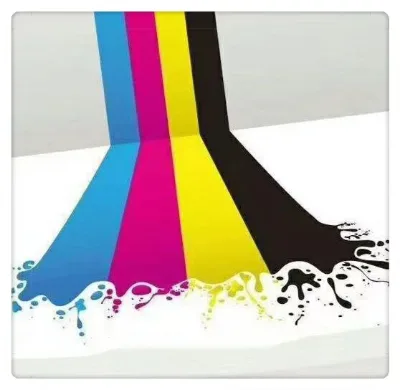
The "Colors" listed as "Cmyklclm" and "C M Y K LC Lm" indicate a wide color gamut capability, which is crucial for high-quality, fade-resistant prints. The "Feature: Vivid Color" reinforces the need for inks that maintain saturation over time. Buyers should also note the "Suitable Paper: Heat Transfer Sublimation Paper," which is a specific consumable that must be paired with the ink to achieve the desired waterproof and fade-resistant results. Mismatching the paper type with the ink chemistry can lead to poor adhesion, resulting in water damage or rapid fading.
Supplier Evaluation and Quality Control Protocols
Evaluating suppliers requires a rigorous assessment of their production capabilities and quality control measures. The "prod_origin" locations, specifically "Henan China" and "Xinxiang, China," provide a geographical context, but buyers should not rely solely on location as a proxy for quality. Instead, the focus should be on the "Certification" and "Standard" compliance. The presence of "ISO9001" and "MSDS" in the data is a positive indicator, but buyers must verify the authenticity and scope of these certifications.
Quality control should extend to the "Ink Granula" size, with a target of "Less Than 5 μm" to ensure print head compatibility and smooth application. The "Performance: Viscosity" and "Performance: Dry" attributes suggest that viscosity testing is a standard part of the quality assurance process. Buyers should request sample batches to test the "Transfer Rate" and "Dye Degree" themselves, as these metrics are critical for verifying the "fade resistant" claims. The "Shelf Life" of 1 to 3 years should be validated through stability testing, ensuring that the ink does not degrade during storage.
Furthermore, the "Support Customization: OEM" capability indicates that suppliers are willing to adapt their products to specific buyer requirements. This flexibility is a strong indicator of a supplier's technical competence and commitment to customer satisfaction. However, buyers should be wary of suppliers who claim "UV Ink" capabilities without providing evidence of UV curing compatibility or specific UV LED ink formulations. The "Model" specifications, such as "Zd-1700 Sublimation Ink" and "Outdoor Offset Ink," should be cross-referenced with the buyer's specific application needs to ensure a precise match.
Long-Term Procurement Considerations and Sustainability
Sourcing "Waterproof Fade Resistant UV Ink" is not just a one-time transaction but a long-term partnership that requires careful planning for sustainability and supply chain resilience. The "Delivery Time: 5-7 Working Days" is a relatively short lead time, which is beneficial for maintaining lean inventory levels. However, buyers should consider the potential for supply chain disruptions and the need for buffer stock, especially given the "Shelf Life" constraints.
The "Standard" packaging sizes, such as "1000ml 500ml 250ml 100ml" and "1kg/tin, 2.5kgs/tin," offer flexibility in inventory management. Buyers should evaluate whether smaller packaging sizes are more cost-effective for their production volume or if larger bulk packs reduce per-unit costs. The "Customization: Available" attribute allows for tailored solutions, which can be a strategic advantage in reducing waste and optimizing resource usage.
Sustainability is another critical factor. The distinction between "Water Based Ink" and "Solvent Based Ink" has significant environmental implications. Water-based inks generally have lower VOC emissions and are easier to dispose of, aligning with modern sustainability goals. Buyers should inquire about the environmental impact of the "Solvent" used, particularly if "Oil Based" solvents are involved. The "Certification" of "MSDS" and "SGS" often includes environmental compliance data, which buyers should review to ensure alignment with corporate sustainability policies.
Finally, the "Feature: No Clog" and "Perfect Fastness" attributes suggest a focus on operational efficiency and product longevity. Buyers should consider the total cost of ownership, including the cost of print head maintenance and the frequency of ink replacement. A product with a "Shelf Life" of 3 years may reduce the frequency of reordering and minimize the risk of using expired ink, which can lead to poor print quality and increased waste. By carefully evaluating these long-term factors, buyers can build a resilient and sustainable supply chain for their ink procurement needs.
FAQs
What drying methods are used for Waterproof Fade Resistant UV Ink?
Some products utilize heat curing while others rely on oxidative polymerization drying. Buyers must verify the specific drying mechanism matches their production line capabilities to ensure proper curing and durability.
Which certifications should I look for in Waterproof Fade Resistant UV Ink?
Look for products holding ISO9001, MSDS, SGS, and Dgm certifications. These documents confirm quality management systems and safety data, though buyers must verify that specific batches possess these valid credentials.
How long is the shelf life of Waterproof Fade Resistant UV Ink?
Shelf life varies from one year to three years depending on the specific formulation. A longer shelf life often correlates with better chemical stability and long-term resistance to environmental degradation.
Can I customize the packaging for Waterproof Fade Resistant UV Ink orders?
Yes, customization and OEM support are available for these ink products. Buyers can negotiate specific packaging requirements, though this may incur additional costs and affect the total order value.
What is the typical delivery time for Waterproof Fade Resistant UV Ink?
The standard delivery time is five to seven working days for most listed products. This fixed logistical parameter should be factored into inventory planning and cash flow calculations for procurement.
Which fabrics are suitable for Waterproof Fade Resistant UV Ink applications?
Suitable fabrics include polyester, triacetate, nylon, and acrylic for sublimation processes. Specific textile applications also list t-shirts, sportswear, and racing suits as compatible substrates for these inks.