Source Waterproof Foil Fridge Magnet for Home, Office, and Retail
Explore 30 listings for Waterproof Foil Fridge Magnet options suitable for home decor, office organization, and retail promotions. Compare materials like metal, PVC, and alloy, along with customization features such as die-cut shapes and UV-proof inks to find the right supplier.
Key considerations
Products List


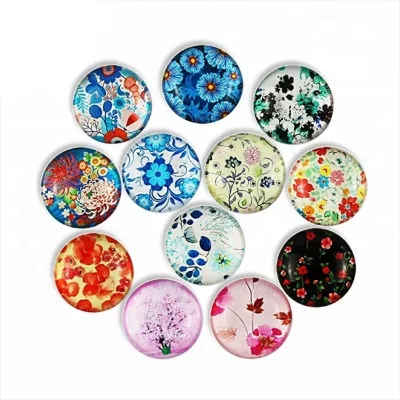


Rubber Fridge Magnet Custom Different Styles Fridge Magnet Refrigerator Magnet
$0.35 - $0.50
MOQ: 500 Pieces


Manufacturer Cheap Custom Waterproof Rubber Fridge Magnet for Refrigerator
$0.35 - $0.50
MOQ: 500 Pieces


Hot Selling City Souvenir Aluminum Fridge Decoration Gift Foil Magnet Fridge Magnet
$0.10 - $0.12
MOQ: 1000 Pieces


Best Sale Magnetic Sticker Custom Promotional Foil Souvenir Fridge Magnet
$0.10 - $0.12
MOQ: 1000 Pieces


Comprehensive Sourcing Guide
Waterproof Foil Fridge Magnet Sourcing Guide
Buyers seeking waterproof foil fridge magnets must first distinguish between standard decorative items and those engineered for moisture resistance. The supplied data indicates a diverse market where "Aluminum Foil Fridge Magnet" and "Metal Fridge Magnet" products coexist with PVC and rubber alternatives. While some listings explicitly mention UV-proof eco-friendly inks, the specific waterproof capability of the foil substrate itself requires careful verification against the intended environment, as standard foil may corrode without proper sealing.
Procurement decisions should prioritize the specific application context, ranging from home decoration to industrial or promotional use. The observed product range includes heart-shaped, sheet, and cartoon styles, suggesting that the waterproof requirement often applies to the adhesive layer or the protective coating rather than the magnetic core alone. Buyers must confirm whether the "Self Adhesive" feature remains effective after exposure to humidity, as this is a critical failure point for magnets used in kitchens or bathrooms.
Product Scope and Observed Listing Signals
The current market signals reveal a wide spectrum of materials, including metal, PVC, alloy, and rubber magnet composites, all competing for the "Fridge Magnet Sticker" and "Home Decoration" segments. Listings frequently cite "Die Cut or Kiss Cut" processing, which allows for intricate shapes like hearts or custom logos, but the waterproof integrity depends heavily on the lamination or coating process applied to these cuts. Buyers should note that while "UV Proof Eco Friendly" ink is common, the physical barrier against water is a separate attribute that must be explicitly confirmed in the product specification.
Commercial listings often highlight customization options, with "Customized" appearing as a standard attribute for both the product model and the production standard. The "JCK Series" and "gs21366" model numbers suggest established production lines, yet the "Neutral Wooden Cases Packing" versus "OPP Bag" options indicate varying levels of protection during transit. Sourcing strategies should focus on suppliers who can demonstrate that their customization process does not compromise the waterproof seal, particularly when moving from standard sheet shapes to complex die-cut designs.
Technical Specifications to Verify
Technical due diligence must center on the magnetic core composition and the adhesive system's resistance to moisture. The data lists "Isotropic Magnet" and "Single Magnetic" features alongside "Alloy" and "Rubber Magnet" materials, requiring buyers to verify which combination offers the necessary water resistance for their specific use case. While "Die Casting/Polishing/Plating/Printing" are listed processes, the critical technical parameter is the sealant applied over the foil or metal surface to prevent oxidation and adhesive failure in damp conditions.
Buyers should also scrutinize the "Support File" requirements, which include CDR, Ai, and Pdf formats, to ensure the design file can accommodate the necessary waterproof border or over-lamination zones. The "Size: Customized Magnet Size" attribute offers flexibility, but the waterproof performance may vary if the custom dimensions alter the surface-area-to-volume ratio of the protective coating. Verification of the "Process" details, such as whether plating is applied before or after printing, is essential to ensure the final product meets the durability standards required for wet environments.
Compliance and Safety Documentation
Safety and compliance documentation for waterproof magnets often involves verifying that the materials used in the coating and adhesive do not leach harmful substances when exposed to moisture. The observed listings cite "ROHS, SGS, CE" and "ISO, CE, RoHS" certifications, which are critical for ensuring the product meets international safety standards for consumer goods. Buyers must confirm that these certifications explicitly cover the waterproof coating materials, as standard metal or plastic certifications may not automatically extend to the chemical composition of the adhesive or sealant layers.
Environmental claims such as "Eco-Friendly" and "UV Proof Eco Friendly" ink require substantiation through third-party test reports, especially when the product is intended for food-adjacent areas like refrigerators. The "Customized" standard noted in the data implies that compliance may vary by batch or specific design, necessitating a request for updated test certificates for every new order. Procurement teams should ensure that the supplier provides documentation proving the waterproof layer does not contain volatile organic compounds that could off-gas in humid conditions.
Cost Drivers and Commercial Terms
Cost structures for waterproof foil magnets are heavily influenced by the complexity of the customization and the specific material chosen, such as alloy versus rubber or PVC. The observed MOQ range of 100 to 5000 units suggests that smaller orders may incur higher per-unit costs due to setup fees for die-cutting and specialized waterproof coating processes. Buyers should anticipate that "Customized" shapes and "Multicolor" printing options will drive costs higher than standard sheet shapes, particularly when the waterproof requirement necessitates additional lamination steps.
Commercial terms regarding shipping and packaging also impact the total landed cost, with options ranging from "Standard Export Package" to "Neutral Wooden Cases Packing." The availability of "Sample" units is a key factor in validating the waterproof claim before committing to a large order, though this may add to the initial procurement timeline. Buyers must negotiate clear terms for rework or replacement if the waterproof seal fails during transit or initial use, as the "Self Adhesive" nature of the product makes it susceptible to damage if not handled correctly.
Supplier Qualification and Quality Control
Supplier qualification should focus on their ability to maintain consistent waterproofing across different production runs, especially given the "Hand-Made" and "Die Casting" processes noted in the data. The presence of "OEM: Acceptable" indicates that many suppliers are capable of custom manufacturing, but buyers must verify their quality control protocols for the specific waterproof coating application. A robust supplier will have documented procedures for testing the adhesion and water resistance of the final product, ensuring that the "UV Proof" and "Eco Friendly" claims hold true under real-world conditions.
Quality control checks must include visual inspections for coating defects and functional tests for magnetic strength after exposure to moisture. The "Shipping" options listed, including DHL, UPS, and FedEx, suggest that suppliers are experienced in global logistics, but the packaging must be sufficient to protect the waterproof seal during transit. Buyers should request a pre-shipment inspection report that specifically addresses the integrity of the adhesive and the waterproof barrier, as these are the most likely points of failure for the product.
Long-Term Procurement Checks
Long-term procurement success relies on establishing a feedback loop to monitor the durability of the waterproof magnets in the field. Buyers should track return rates related to adhesive failure or corrosion, as these issues often indicate a degradation in the waterproof coating over time. The "Usage" attributes listed, such as "Personal Decorations" and "Commerce Gift," suggest that the magnets will face varying levels of wear, making it essential to validate that the waterproof performance remains consistent over months or years of use.
Continuous supplier evaluation should include periodic re-testing of samples to ensure that the "Customized" production standards have not drifted. As the market evolves, buyers must remain vigilant about changes in material sourcing, particularly for the "Alloy" and "Metal" components that form the core of the magnet. Establishing a long-term partnership with a supplier who can provide consistent test data and maintain the "ROHS, SGS, CE" compliance levels will ensure that the waterproof foil magnets continue to meet the buyer's quality expectations.
FAQs
What materials are used for waterproof foil fridge magnets?
Waterproof foil fridge magnets are typically constructed from metal, PVC, or rubber magnet materials. These materials ensure durability and resistance to moisture, making them suitable for kitchen environments. The foil surface provides a smooth finish for high-quality printing, while the magnetic backing ensures strong adhesion to metal surfaces without damaging the appliance.
Can these magnets be customized with specific designs?
Yes, customization is available for these magnets. Buyers can provide design files in CDR, Ai, or Pdf formats to create unique shapes and colors. The production process includes die cutting or kiss cutting to achieve specific forms, such as heart-shaped or sheet styles. This allows for personalized branding or decorative purposes tailored to specific promotional needs.
What certifications do these magnets typically hold?
These magnets often hold certifications such as ROHS, SGS, CE, and ISO. These standards ensure the products meet safety and environmental requirements, particularly regarding material composition and manufacturing processes. Buyers seeking eco-friendly options can look for products labeled as eco-friendly, which align with these rigorous certification standards for safe use in homes and commercial settings.
How are waterproof foil fridge magnets packaged for shipping?
Packaging options include neutral wooden cases, standard export packages, OPP bags, and cartons. The choice depends on the order quantity and specific buyer requirements. Standard export packaging ensures protection during transit, while OPP bags are suitable for individual units. Proper packaging prevents damage to the magnetic backing and printed surface, ensuring products arrive in pristine condition.
What is the typical MOQ for these magnets?
The minimum order quantity typically ranges from 100 to 5000 units. This flexibility allows buyers to place smaller test orders or larger bulk purchases. The MOQ may vary based on the customization level, material choice, and production complexity. Buyers should confirm specific MOQ requirements with suppliers to align with their inventory needs and budget constraints effectively.
Are samples available for quality verification?
Samples are available for quality verification before placing bulk orders. This allows buyers to assess the material quality, print clarity, and magnetic strength firsthand. Suppliers often provide samples to demonstrate their production capabilities and ensure the final product meets the buyer's expectations. Requesting samples is a prudent step to validate the product's suitability for your specific application.