Source Waterproof Foldable Air Sofa for Camping Hiking Travel
Explore 30 listings of Waterproof Foldable Air Sofa options suitable for outdoor camping, hiking, and travel. Buyers can compare specifications, materials, and prices to find the right inflatable seating solution for their needs.
Key considerations
Products List
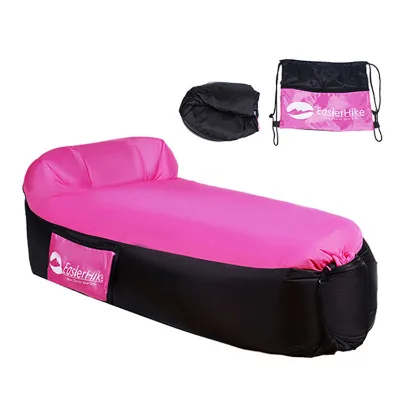
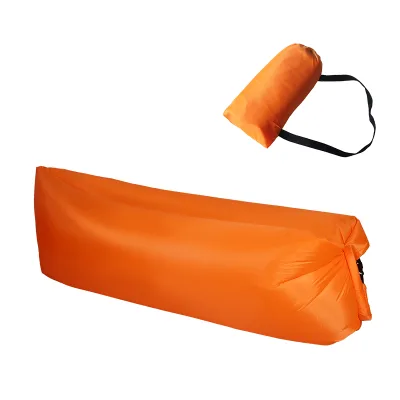

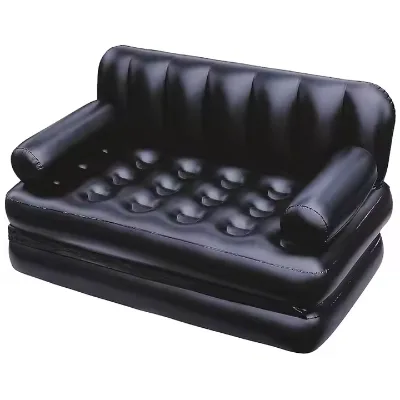
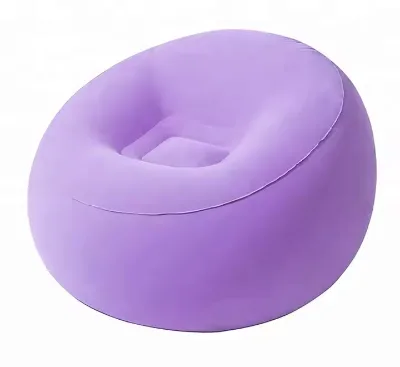


Portable Inflatable Outdoor Indoor Relax Air Chair Inflatable Sofa Stool
$8.00 - $17.00
MOQ: 1000 Pieces


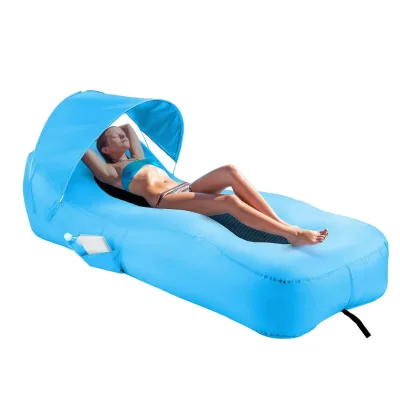


Inflatable Lounger Air Sofa 210t Polyester 450lbs Capacity Portable Air Sofa
$1.58 - $2.05
MOQ: 500 Pieces


Outdoor Inflatable Couch Air Sofa Lightweight Waterproof Quick Inflate Lounger
$1.58 - $2.05
MOQ: 500 Pieces
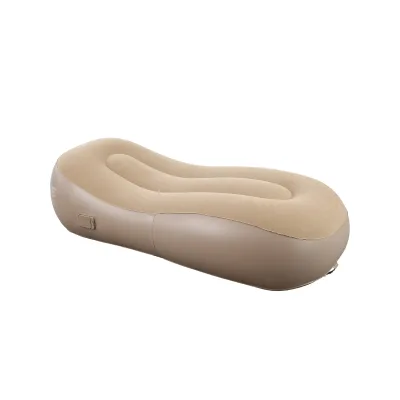
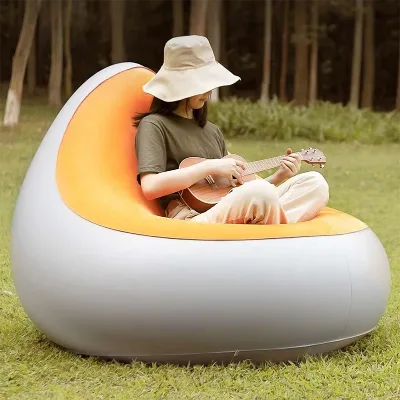


High Quality Foldable Convenient Portable Flocking Inflatable Lounge Chair Air Sofa with Backrest
$10.50 - $11.00
MOQ: 500 Pieces

New Modern Folding Lazy Inflatable Sofa Outdoor Portable Beach Inflatable Air Sofa
$24.49 - $27.13
MOQ: 500 Pieces

Inflatable Sofa Chair for Adults Portable Waterproof Inflatable Lounge Air Sofa Chair
$45.87 - $50.84
MOQ: 1000 Pieces
Comprehensive Sourcing Guide
Strategic Sourcing Guide for Waterproof Foldable Air Sofas
Understanding Product Definitions and Core Attributes
The category of waterproof foldable air sofas encompasses a diverse range of inflatable furniture designed for temporary or semi-permanent seating and sleeping solutions. In the context of B2B procurement, these products are frequently identified by specific designations such as "Banana Shape Air Sofa," "Inflatable Aero Chair," or "Inflatable Lazy Bag air Sleep Sofa." The fundamental operational principle across this category is the ability to achieve structural integrity simply by filling the unit with air, eliminating the need for rigid internal frames or complex assembly mechanisms.
When evaluating listings, buyers must distinguish between products marketed primarily for outdoor utility versus those intended for indoor living spaces. The observed market data indicates a split in application focus. Some units are explicitly tagged for "Outdoor Camping Hiking Travelling" and "Fishing Chair" applications, while others are designated for "Living Room" or "Apartment" use. This distinction is critical because the material composition and durability requirements often differ based on the intended environment. For instance, outdoor-focused models frequently utilize "210t waterproof polyester" or "eco pvc" materials to withstand environmental stressors, whereas indoor variants may prioritize aesthetic design styles like "Modern" over rugged weather resistance.
The physical form factor is another primary differentiator. Listings reveal variations in shape, including the "Banana Shape" and standard rectangular configurations. Dimensions vary significantly, with observed specifications ranging from compact sizes like "21070cm" to larger sleeping configurations measuring "190x80x60CM" or "7460*25in." These dimensional variances directly impact logistics, packaging volume, and the final utility of the product for the end-user. Buyers must align these physical specifications with their target market's spatial requirements and portability needs.
Technical Specifications and Material Composition
Material selection is the most critical technical factor determining the longevity and performance of an air sofa. The supplied product data highlights two primary material categories: "210t waterproof polyester" and "eco pvc." Polyester variants are often associated with lightweight, packable designs suitable for hiking and camping, where weight is a premium constraint. In contrast, PVC-based products, such as those with "PVC Bag and Cartoon" packaging, often offer enhanced durability and puncture resistance, making them suitable for heavier usage scenarios or indoor lounging.
The frame material also plays a pivotal role in structural stability. While some entries list "Frame Material" as "Other" or "PVC," this distinction affects the inflation pressure required and the rigidity of the final product. A PVC frame generally provides a more rigid structure compared to a simple fabric tube, influencing the comfort level and the ability to support heavier loads. The "Armrest" feature is another technical specification to verify; some models include armrests for enhanced comfort, while others are designed as simple loungers or sleeping bags.
Weight is a significant logistical consideration. Observed data shows a wide range, from lightweight units weighing "0.8kg" to heavier models reaching "4.84kg." The single gross weight, often listed as "1.6 kg" for specific models, is essential for calculating shipping costs. The "Single package size" of "38X25X20 cm" indicates the packed volume, which directly affects how many units can be loaded into a standard shipping container. Buyers must ensure that the weight and volume specifications align with their freight budget and storage capabilities.
Compliance, Certification, and Safety Standards
In the realm of inflatable furniture, compliance and safety are paramount, yet the provided data does not explicitly list specific third-party certifications or test results for the observed products. Instead, the data notes that standards are "according to the product's size," which implies a reliance on dimensional or general manufacturing norms rather than a universal safety certification.
Buyers must verify that the materials used, particularly "eco pvc" and "waterproof polyester," meet the chemical safety regulations of the destination market. For example, if the target market is the European Union, the PVC content must comply with REACH regulations regarding phthalates and other hazardous substances. In the United States, compliance with CPSIA (Consumer Product Safety Improvement Act) may be necessary if the product is marketed for use by children or in family settings.
The "Warranty" period of "3 Years" observed in some listings is a strong indicator of manufacturer confidence, but it does not replace the need for independent testing. Buyers should request specific test reports for tensile strength, air retention, and material flammability. Without explicit certification data in the source listings, the procurement strategy must include a clause requiring the supplier to provide proof of compliance with relevant international safety standards before finalizing large orders. The "Condition" is listed as "New," which is a baseline requirement, but the absence of specific safety marks in the provided text necessitates a proactive verification process by the buyer.
Cost Drivers and Pricing Dynamics
The pricing landscape for waterproof foldable air sofas is influenced by several variables, including material quality, customization options, and order volume. The observed price range spans from $0.98 to $99, reflecting the vast difference between basic, mass-produced models and premium, feature-rich units. This wide variance suggests that the cost is not linearly correlated with size alone but is heavily driven by material grade and brand positioning.
The "MOQ" (Minimum Order Quantity) is a significant cost driver. Data indicates an MOQ range from "1PC" to "2000," with a high-confidence fact noting an MOQ of "400pcs" for certain models. Lower MOQs, such as "1PC," often come with a higher unit price due to the inefficiencies of small-batch production and setup costs. Conversely, orders meeting the 400-piece threshold or higher typically benefit from economies of scale, reducing the per-unit cost.
Customization is another major factor affecting price. The availability of "Customized Logo" and "Customization: Available" options allows buyers to brand the product, but these services invariably add to the manufacturing cost. The "Brand Name" varies from generic to specific labels like "BEIDOU" or "FDS," and branded products often command a premium. Additionally, the "Payment Terms" of "Bank Transfer or Western Union" are standard, but the financial terms can impact the final landed cost if currency exchange rates or transaction fees are not managed carefully.
Supplier Evaluation and Geographic Considerations
Geographic origin is a key indicator of supply chain dynamics and potential quality baselines. The supplied data identifies two primary regions of origin: "Zhejiang, China" and "Guangdong, China." Both provinces are established manufacturing hubs for textiles and plastic goods, offering robust supply chains for air sofa production. Zhejiang is often associated with textile and fabric expertise, which may explain the prevalence of "210t waterproof polyester" products from that region. Guangdong, known for its plastic and electronics manufacturing, may be the source of the "PVC" and "eco pvc" variants.
When evaluating suppliers, buyers should look beyond the "Place of Origin" to assess the supplier's capacity for "Customized Logo" and "Customization." The ability to offer "Customized" products suggests a flexible manufacturing line capable of handling bespoke orders. The "Selling Units" being listed as "Single item" indicates that the suppliers are accustomed to selling individual units, which is beneficial for drop-shipping or small-scale retail, but buyers must confirm if the supplier can handle bulk B2B orders efficiently.
The "Shipping Way" options of "Air, Sea, or Express" provide flexibility, but the choice impacts lead time and cost. "Sea" shipping is typically the most cost-effective for large volumes, while "Air" is faster but more expensive. The "Mail packing" attribute marked as "Y" suggests that the products are packaged in a way suitable for direct mailing, which is advantageous for e-commerce fulfillment. Buyers should verify the "Single gross weight" and "Single package size" to ensure the supplier's packaging aligns with their logistics strategy.
Quality Control and Long-Term Procurement Strategy
Quality control for inflatable products must focus on air retention, seam integrity, and material durability. Since the data does not provide specific test results, buyers must implement a rigorous inspection protocol. This includes checking for leaks, verifying the "Inflatable" functionality, and ensuring the "Folded" state returns the product to its original compact dimensions without damage. The "Condition" being "New" is a prerequisite, but buyers should also inspect for defects in the "Upholstery Material" and "Frame Material" upon receipt.
Long-term procurement considerations involve establishing a relationship with suppliers who can maintain consistent quality over time. The "Warranty" of "3 Years" is a positive signal, but it requires a clear understanding of what is covered. Buyers should negotiate terms that address potential defects in the "eco pvc" or "waterproof polyester" materials. The "Product Name" variations, such as "Inflatable Aero Chair" versus "Inflatable Lazy Bag," indicate that the market is segmented, and buyers should ensure they are sourcing from suppliers who specialize in their specific niche to avoid quality compromises.
The "Application" of the product, whether for "Outdoor" use or "Living Room" settings, dictates the required quality standards. Outdoor applications demand higher resistance to UV degradation and water ingress, while indoor applications may prioritize aesthetic consistency and comfort. Buyers should request samples that match their specific application requirements before committing to large orders. The "Design Style" of "Modern" suggests a trend towards sleek, minimalist designs, which may require tighter tolerances in manufacturing to maintain the desired look.
Comparative Analysis of Product Variants
To facilitate decision-making, the following table summarizes the key differences observed in the product data, highlighting the trade-offs between various specifications.
| Feature | Variant A (Outdoor Focus) | Variant B (Indoor/General Focus) |
|---|---|---|
| Primary Material | 210t waterproof polyester | eco pvc |
| Frame Material | Other (Fabric-based) | PVC |
| Weight | 0.8kg (Lightweight) | 4.84kg (Heavier) |
| Dimensions | 210*70cm (Compact) | 190x80x60CM (Large) |
| Application | Outdoor Camping, Hiking | Living Room, Apartment |
| Shape | Banana Shape Air Sofa | Inflatable Lazy Bag |
| MOQ | 400pcs (High confidence) | 1PC (Flexible) |
| Packaging | PVC Bag and Cartoon | Y (Mail packing) |
This comparison illustrates that buyers must carefully balance the need for portability and weather resistance against the desire for comfort and indoor aesthetics. The "MOQ" difference is particularly striking, with outdoor-focused models requiring higher volume commitments, likely due to the complexity of the "waterproof" treatment and the specific "Banana Shape" molding. In contrast, the "Indoor" variants offer lower entry barriers with an MOQ of "1PC," making them accessible for smaller retailers or drop-shippers.
Final Procurement Recommendations
Sourcing waterproof foldable air sofas requires a nuanced approach that balances technical specifications, cost drivers, and supplier capabilities. Buyers should prioritize verifying material certifications and testing results, as the provided data does not explicitly confirm compliance with international safety standards. The geographic origin of the supplier, whether Zhejiang or Guangdong, should inform expectations regarding material expertise, with Zhejiang potentially offering superior textile solutions and Guangdong providing robust PVC manufacturing.
Cost optimization should be achieved by aligning order volumes with the supplier's MOQ thresholds, particularly the 400-piece benchmark observed for specific models. Customization options, such as logo placement, should be negotiated early to ensure they do not inflate the unit cost disproportionately. Finally, a robust quality control plan focusing on air retention and material durability is essential to ensure long-term customer satisfaction and minimize returns. By adhering to these evidence-based strategies, buyers can navigate the complex landscape of inflatable furniture procurement effectively.
FAQs
What materials are used for waterproof foldable air sofas?
These products typically use 210t waterproof polyester or eco pvc materials. The choice depends on whether the unit is designed for outdoor camping or indoor living room use, affecting durability and weight.
How much does a Waterproof Foldable Air Sofa weigh?
Weight varies significantly between models, ranging from 0.8kg for lightweight outdoor versions to 4.84kg for heavier indoor units. This difference impacts shipping costs and portability for the buyer.
Which minimum order quantity applies to these air sofas?
Minimum order quantities range from 1 piece to 2000 pieces depending on the supplier. Some high-confidence listings specify an MOQ of 400 pieces for specific models, while others allow single item purchases.
Can buyers customize the logo on these inflatable sofas?
Yes, customization is available for logos on many models. Buyers can request branded units, but this option may affect the unit price and requires coordination with the manufacturer for production.
Where are waterproof foldable air sofas manufactured?
These items are primarily manufactured in China, specifically in Zhejiang and Guangdong provinces. The origin location often correlates with the material type, such as polyester from textile hubs or PVC from plastic manufacturing centers.
What warranty periods are offered for inflatable chairs?
Some suppliers offer a warranty period of up to 3 years for their products. This warranty covers defects but does not replace the need for independent safety testing or certification verification before bulk orders.