Source Waterproof Foldable Outdoor Rug for office hotel beach
Compare 30 Waterproof Foldable Outdoor Rug options from verified suppliers. Explore features like stain resistance, non-slip backing, and customizable sizes for office, hotel, and beach applications.
Key considerations
Products List
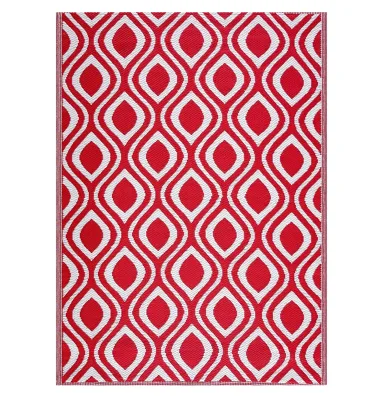


$3.00 - $13.00
MOQ: 1000 Pieces


Outdoor Reversible PP Woven Waterproof Carpet Water Resistant Anti-UV Carpet Outdoor Rug
$18.90 - $29.30
MOQ: 1 Square Meters


Wholesale Waterproof Foldable Outdoor Camping Mat Extra Large Beach Mat
$0.46 - $0.49
MOQ: 3000 Pieces


Comprehensive Sourcing Guide
Strategic Sourcing Guide for Waterproof Foldable Outdoor Rugs
Understanding the Product Category and Core Attributes
The procurement of a Waterproof Foldable Outdoor Rug requires a precise understanding of the specific product attributes that distinguish it from standard indoor textiles. Based on available market data, this category is defined by materials such as 100% Polypropylene and Polyester, which are selected for their inherent resistance to moisture and durability in external environments. The primary functional requirement is the ability to withstand exposure to elements while remaining portable and easy to clean. Key observed features include stain resistance, mildew resistance, and a non-slip surface, which are critical for safety and maintenance in high-traffic outdoor zones.
The product form is typically a flat-weave or low-pile carpet, often described as having "no pile" or a very low profile to prevent dirt accumulation and facilitate rapid drying. The foldable nature of these rugs is a distinct advantage for logistics and storage, allowing them to be rolled or folded into compact dimensions, such as a single package size of approximately 92x10x10 cm. This characteristic is particularly valuable for buyers targeting the hospitality sector, outdoor event management, or residential patio use where space efficiency is paramount. The design aesthetic often leans towards modern geometric patterns, though customization options allow for specific branding or thematic requirements, such as designs catering to specific cultural or religious preferences like Muslim prayer mats.
Technical Specifications and Material Performance
When evaluating the technical specifications of waterproof foldable outdoor rugs, buyers must scrutinize the material composition and physical dimensions to ensure suitability for the intended application. The supply chain data indicates that Polypropylene is a dominant material, offering a balance of cost-effectiveness and weather resistance. In some instances, Polyester is also utilized, which may offer different tactile properties while maintaining the necessary waterproof capabilities. The grammage of the material is a critical indicator of durability, with observed ranges typically falling between 350gsm and 400gsm. A higher gram weight generally correlates with better resistance to tearing and wear, although the specific application dictates the optimal density.
Thickness is another vital parameter. For outdoor rugs designed to be folded, the thickness is often kept minimal, ranging from 0.2 mm to 0.4 mm for standard woven varieties, while some specialized variants may feature a thickness of up to 5 mm if they include a sponge padding layer for comfort. The absence of a high pile is a standard feature for these products, ensuring they remain flat and do not trap moisture or debris. The shape is predominantly rectangular, with standard sizes including 5x8 ft, 6x9 ft, and 9x12 ft, though customized dimensions are frequently available to meet specific project requirements.
The manufacturing technique is predominantly machine-made, which ensures consistency in the weave and pattern application. This method supports high-volume production capabilities, with suppliers often citing supply abilities of up to 10,000 pieces per week. The hardness of the material is generally described as medium-soft, providing a balance between structural integrity and user comfort. Buyers should verify that the specific model number and technical sheet align with these parameters, as variations exist between different product lines within the same category.
Compliance, Certification, and Safety Standards
In the realm of outdoor textiles, compliance and safety standards are non-negotiable, particularly when the product is intended for use in public spaces, hotels, or areas frequented by children and pets. While the provided data does not explicitly confirm specific certification statuses for every listed product, buyers must actively verify that the rugs meet relevant safety and environmental standards. A common benchmark in the industry is the OEKO-TEX standard, which ensures that the textile is free from harmful substances. Although this is a background reference, it represents a critical verification point for procurement teams concerned with health and safety.
The "waterproof" and "mildew resistant" claims observed in product descriptions must be substantiated through third-party testing reports. Buyers should request documentation proving that the material has undergone rigorous testing for water absorption, UV resistance, and microbial growth inhibition. The non-slip feature is another area requiring verification; the rug must maintain its grip on various surfaces, including concrete, wood, and tile, even when wet. This is often achieved through specific backing treatments or the inherent texture of the polypropylene weave.
Furthermore, the "pet friendly" attribute suggests that the material should be non-toxic and resistant to pet damage. Procurement teams should ensure that the dyes and chemical treatments used in the manufacturing process are safe for animals and humans. Since the products are often manufactured in regions like Zhejiang, China, buyers should also be aware of the export standards required by their destination markets, including fire retardancy ratings if the rug is intended for commercial hospitality use.
Cost Drivers and Pricing Dynamics
The pricing of waterproof foldable outdoor rugs is influenced by a complex interplay of factors, including material costs, production volume, and customization requirements. The observed price range in the market spans from $0.15 to $29.30 USD, a wide variance that reflects differences in size, material quality, and order quantity. The minimum order quantity (MOQ) is a significant cost driver, with observed ranges starting as low as 1 piece for samples but typically requiring bulk orders of 200 pieces or more for standard production runs. Some suppliers may have higher MOQs up to 3000 pieces, which can significantly impact the unit cost for smaller buyers.
Material selection is a primary determinant of cost. While 100% Polypropylene is generally more economical, Polyester variants or those with added features like sponge padding may command a higher price point. The customization of colors, patterns, and dimensions also adds to the cost. For instance, custom colors or specific geometric designs may require additional setup fees or longer lead times. The packaging details, such as the use of PE bags and cartons, also contribute to the final landed cost, especially for international shipments.
Buyers should note that the "sample" availability often comes with a freight collect policy, meaning the cost of shipping the sample is borne by the buyer. This is a standard practice but should be factored into the initial budget. The supply ability of 10,000 pieces per week suggests that volume discounts are likely available for large orders, but the lead time for production must be carefully managed to avoid delays.
Typical Applications and Use Cases
The versatility of waterproof foldable outdoor rugs makes them suitable for a diverse range of applications. The observed use cases include offices, hotels, outdoor spaces, beaches, and homes. In the hospitality sector, these rugs are ideal for patio areas, poolside lounges, and outdoor event setups where durability and ease of cleaning are essential. The stain-resistant and washable properties make them particularly valuable in high-traffic areas where spills are common.
For residential use, these rugs serve as excellent solutions for balconies, patios, and garden areas. The foldable design allows for easy storage during inclement weather or when the space is not in use. The "picnic blanket" classification indicates their utility for outdoor leisure activities, where portability and comfort are key. The "Muslim" design attribute highlights their specific application in religious contexts, such as outdoor prayer areas, where cleanliness and orientation are important.
The "all-season" and "spring/autumn" classifications suggest that these rugs are designed to perform well in varying weather conditions, though buyers should verify the specific UV resistance for year-round outdoor exposure. The "leisure" style and "modern" aesthetic make them suitable for contemporary outdoor living spaces. Whether for commercial branding or personal use, the ability to customize the design and size ensures that these rugs can be tailored to fit specific branding guidelines or spatial requirements.
Supplier Evaluation and Quality Control
Selecting the right supplier is critical for ensuring the quality and reliability of waterproof foldable outdoor rugs. Buyers should evaluate suppliers based on their production capabilities, specifically their "machine-made" techniques and supply ability of 10,000 pieces per week. The origin of the product, typically Zhejiang, China, should be verified to ensure it aligns with the buyer's sourcing strategy and logistics preferences. The port of dispatch, often Ningbo or Shanghai, is a key logistical factor that affects shipping times and costs.
Quality control measures should be a priority during the supplier evaluation process. Buyers must request samples to verify the "medium soft" hardness, the "no pile" texture, and the effectiveness of the "non-slip" backing. The "easy clean up" and "stain resistant" claims should be tested practically to ensure they meet the buyer's expectations. The "gram weight" of 350gsm to 400gsm should be confirmed through physical measurement of the sample.
Additionally, the "packaging details" should be reviewed to ensure that the rugs are protected during transit. The folded or rolled packaging, combined with PE bags and cartons, should be robust enough to prevent damage. The "sample" lead time of 3-7 days is a standard benchmark, but buyers should confirm the actual turnaround time for their specific order. The "customization" availability should be clearly defined, including any additional costs or lead times associated with custom colors, sizes, or designs.
Long-Term Procurement Considerations
Long-term procurement of waterproof foldable outdoor rugs requires a strategic approach that balances cost, quality, and supply chain resilience. Buyers should consider the lifecycle of the product, focusing on durability and maintenance requirements. The "mildew resistant" and "waterproof" attributes are essential for extending the product's lifespan in outdoor environments. Regular cleaning and proper storage are necessary to maintain the rug's appearance and functionality over time.
Supply chain stability is another critical factor. With a supply ability of 10,000 pieces per week, buyers should assess the supplier's capacity to handle peak demand periods and potential disruptions. The "customization" options offer flexibility, but buyers should establish clear communication channels to manage changes in design or specifications. The "single gross weight" of 0.590 kg and the "single package size" of 92x10x10 cm are important for logistics planning, affecting shipping costs and storage requirements.
Finally, buyers should maintain a focus on continuous improvement and supplier relationship management. Regular audits and quality checks can help ensure that the product continues to meet the required standards. By staying informed about market trends and technological advancements in textile manufacturing, buyers can make informed decisions that optimize their procurement strategy and deliver value to their end customers.
FAQs
What material is used for waterproof foldable outdoor rugs?
The primary material is 100% Polypropylene, though some variants use Polyester. These materials provide inherent water resistance and durability for outdoor environments while maintaining a flat weave structure.
Which sizes are available for these outdoor area rugs?
Standard sizes include 5x8 ft, 6x9 ft, and 9x12 ft, with customized dimensions also available. The product is designed to be folded or rolled for compact storage and transport.
Can buyers customize the color and pattern of the rug?
Yes, customization is available for colors and patterns to match specific branding or design needs. Buyers can request specific geometric designs or custom colors beyond the standard red and white options.
How does the non-slip feature work on these rugs?
The rugs feature a non-slip surface designed for safety on various outdoor surfaces. This attribute ensures stability on concrete, wood, or tile even when the rug is exposed to moisture.
What is the typical minimum order quantity for these products?
The standard minimum order quantity is 200 pieces, though some listings may start as low as one piece for samples. Bulk orders typically range up to 3000 pieces depending on the supplier.
How long does it take to receive a sample of the rug?
Samples are available within 3 to 7 days and are shipped freight collect. This allows buyers to verify the medium-soft texture and waterproof qualities before committing to a larger order.