Source High Flow Motorcycle Fuel Pump for Racing, Street, and Off-road
Compare specifications and prices for 30 High Flow Motorcycle Fuel Pump units from verified Chinese manufacturers. Buyers can evaluate options for racing, street, and off-road applications with customizable features and OEM services.
Key considerations
Products List


Fuel Pumps 295-9125 for 320d Fuel Pump High Quality
$835.00 - $875.00
MOQ: 10 Pieces
Di Sai Long Electronic Fuel Injection System (Dongguan) Co.,Ltd.


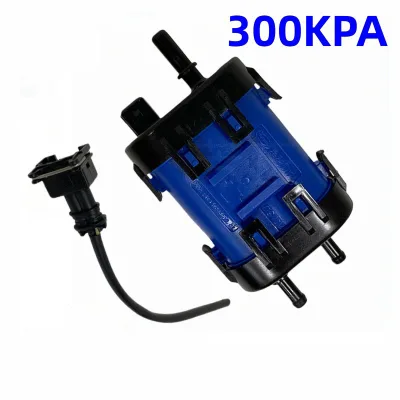
Factory Customization Motorcycle Parts Fuel Transfer Pump in Tank Fuel Pump Sh125I
$15.00 - $15.80
MOQ: 10 Pieces




Comprehensive Sourcing Guide
Strategic Sourcing Guide for High Flow Motorcycle Fuel Pumps
Understanding Technical Specifications and Performance Metrics
When sourcing a High Flow Motorcycle Fuel Pump, the primary objective is to identify components that can deliver consistent fuel delivery under varying engine loads and RPM ranges. The technical architecture of these pumps often centers on the driving type, which in many industrial and aftermarket contexts is electric motor-driven. Buyers must verify the mounting height and the specific position of the pump shaft, as these dimensions dictate the physical integration within the motorcycle's fuel tank or chassis. For high-flow applications, the pump casing is frequently designed as a horizontal split pump, allowing for easier maintenance and inspection of internal components.
The performance of the pump is heavily influenced by its internal geometry and the precision of its manufacturing. In industrial-grade contexts, dimensional accuracy is critical. Specifications such as journal diameter dimensional accuracy falling within the IT01-IT range indicate a high level of precision engineering, ensuring minimal friction and wear. Similarly, surface roughness values between 0.63 and 0.16μm are indicative of a smooth finish that reduces turbulence and enhances flow efficiency. While specific motorcycle models vary, the underlying mechanical principles remain consistent: the pump must operate as a centrifugal unit capable of handling the suction requirements of the engine.
Material selection is another pivotal technical factor. High-flow pumps often utilize alloy steel for critical components like the shaft and housing to withstand the corrosive nature of modern fuels and the mechanical stress of high-speed rotation. The shaft itself may be a stepped shaft or a straight shaft depending on the design, with the axis shape typically being round to ensure balanced rotation. For applications requiring customization, the surface treatment can be tailored to specific environmental conditions, such as marine or agricultural environments, though for motorcycles, corrosion resistance and weight are paramount.
Compliance and Certification Verification
Navigating the regulatory landscape is essential for ensuring that a High Flow Motorcycle Fuel Pump meets international safety and environmental standards. The supply chain for these components is often global, with origins frequently traced to manufacturing hubs in China, including regions like Zhejiang and Jiangshu. Buyers must rigorously verify that the supplier holds valid certifications that align with the target market's regulations.
Common certifications observed in this sector include CE, CCC, ISO9001, RoHS, ISOGS, and EPA. The presence of CE and CCC marks suggests compliance with European and Chinese safety standards, respectively, while ISO9001 indicates a certified quality management system. RoHS compliance is particularly relevant for electronic components within the pump assembly, ensuring the absence of hazardous substances. For automotive applications, ISOTS (International Organization for Standardization for Automotive) certification is a strong indicator of a supplier's ability to meet the rigorous demands of the automotive industry.
It is crucial to distinguish between general industrial certifications and those specific to automotive fuel systems. While some products may list certifications like EPA, which relates to environmental protection, the primary focus for motorcycle fuel pumps should be on ISO standards and automotive-specific approvals. Buyers should request documentation proving that the specific model, such as those with OE numbers like YAMAHA125 or 3601, has undergone the necessary testing to validate these claims. Without verified documentation, the risk of non-compliance in the destination market remains high, potentially leading to shipment rejections or legal liabilities.
Cost Drivers and Pricing Dynamics
The pricing of high flow motorcycle fuel pumps is influenced by a complex interplay of factors, including material costs, manufacturing complexity, and order volume. The observed market range for such components can vary significantly, spanning from nominal values up to substantial sums, reflecting the diversity in quality and application. For high-flow units, the cost is often driven by the precision of the CNC machining processes required to achieve the tight tolerances mentioned in technical specifications.
Material costs play a significant role, with alloy steel being a premium choice over standard plastics or lower-grade metals. The customization of the product, including specific surface treatments or tailored dimensions, adds to the base cost. Additionally, the packaging method, whether it be a simple carton, a plastic tray with a box, or a heavy-duty wooden carton, impacts the final price due to the added material and labor costs.
Order volume is perhaps the most significant variable affecting the unit price. Many suppliers operate with a Minimum Order Quantity (MOQ) that can range from 50 pieces to 1000 pieces, depending on the supplier's capacity and the complexity of the order. Buyers should expect that smaller orders will carry a higher per-unit cost, while larger volumes may unlock tiered pricing structures. Payment terms, such as a 30% T/T deposit, are standard and should be factored into the overall cash flow planning. It is important to note that lead times, which can extend to 45 days or more depending on quantity and item availability, also influence the total cost of ownership by affecting inventory holding costs and production scheduling.
Typical Applications and Industry Fit
High flow motorcycle fuel pumps are designed to serve a wide array of applications beyond just standard street motorcycles. The versatility of these components allows them to be integrated into various sectors, including the automotive industry, marine industry, and even agricultural equipment. In the context of motorcycles, these pumps are essential for high-performance engines that require a steady and abundant supply of fuel to maintain power output.
The specific fitment of the pump is often tied to the make and model of the vehicle. For instance, components designed for Yamaha motorcycles, identified by OE numbers like YAMAHA125, are tailored to fit specific fuel tank geometries and engine configurations. However, the same technical principles apply to other vehicle types. The pump's ability to function as a central spindle unit with a rigid axle makes it suitable for demanding environments where vibration and stress are common.
In addition to motorcycles, these pumps find utility in robotics, medical, and aerospace industries, where precise fluid control is necessary. The "high flow" designation implies that the pump is optimized for applications where fuel consumption rates are elevated, such as in racing motorcycles or high-displacement engines. Buyers should ensure that the pump's specifications, including its driving type and mounting height, align with the specific requirements of their intended application. The standard size and customizability options allow for adaptation to a wide range of vehicle platforms, from standard commuter bikes to specialized off-road machines.
Supplier Evaluation and Selection Criteria
Selecting the right supplier for high flow motorcycle fuel pumps requires a thorough evaluation of their capabilities, history, and reliability. Buyers should prioritize suppliers who demonstrate a clear understanding of the technical specifications and can provide evidence of their manufacturing processes. The use of CNC machining is a key indicator of a supplier's ability to produce high-precision components, and buyers should inquire about the specific machinery and quality control measures employed.
The origin of the product is another critical factor. Suppliers based in regions like Zhejiang or Jiangshu in China have established reputations for producing automotive components, but the specific factory's track record must be verified. Buyers should look for suppliers who offer OEM customized services, indicating a willingness to adapt products to specific client needs. The availability of samples, often subject to negotiation, allows buyers to test the product's quality before committing to a larger order.
Transparency in communication regarding lead times, payment terms, and packing methods is essential. A reliable supplier will provide clear information on delivery times, which may vary based on quantity and item specifics. Additionally, the supplier's ability to handle different packing requirements, from neutral packing to brand-specific packaging, demonstrates their flexibility and attention to detail. Buyers should also verify the supplier's certification status and ensure that their quality management systems are up to date, as this directly impacts the consistency and reliability of the supplied components.
Quality Control and Long-Term Procurement Considerations
Ensuring the long-term reliability of high flow motorcycle fuel pumps requires a robust quality control strategy. Buyers should implement strict inspection protocols that verify the dimensional accuracy, surface roughness, and material integrity of the received components. The use of standardized testing procedures, aligned with ISO9001 or similar frameworks, helps to minimize the risk of defects and ensures that the pumps meet the required performance standards.
Long-term procurement considerations involve building a sustainable relationship with suppliers who can consistently deliver high-quality products. This includes establishing clear communication channels for addressing any issues that arise during the production or usage phases. Buyers should also consider the scalability of the supply chain, ensuring that the supplier can meet increasing demand without compromising on quality.
The customization aspect of the product offers an opportunity to tailor the fuel pump to specific long-term needs, such as enhanced durability or improved efficiency. By working closely with suppliers to refine the product design and manufacturing process, buyers can achieve a competitive advantage in the market. Regular audits and performance reviews of the supplier's output are essential to maintain high standards and ensure that the procurement strategy remains aligned with the company's long-term goals. Ultimately, the success of sourcing high flow motorcycle fuel pumps depends on a balanced approach that combines technical expertise, regulatory compliance, and strategic supplier management.
FAQs
What certifications are available for high flow motorcycle fuel pumps?
Available certifications include CE, CCC, ISO9001, RoHS, ISOGS, EPA, and ISOTS. These marks indicate compliance with safety, environmental, and quality management standards required for automotive and industrial applications.
Which materials are used to manufacture high flow motorcycle fuel pumps?
Alloy steel is the primary material used for critical components like the shaft. This material choice ensures durability and resistance to corrosion while withstanding the mechanical stress of high-speed rotation in demanding environments.
Can I request customization for High Flow Motorcycle Fuel Pump specifications?
Customization is available for surface treatment and specific product dimensions. Buyers can tailor the pump to meet unique environmental conditions or fitment requirements for specific motorcycle models like Yamaha.
What is the typical lead time for High Flow Motorcycle Fuel Pump orders?
Delivery time is approximately 45 days but depends on the order quantity and specific item. Suppliers may adjust this timeline based on current production capacity and the complexity of the customization requested.
How does the MOQ affect the procurement of high flow motorcycle fuel pumps?
Minimum Order Quantities range from 50 to 1000 pieces depending on the supplier. Higher volumes often unlock better pricing, while smaller orders may carry a higher per-unit cost due to setup expenses.
What packaging options exist for shipping high flow motorcycle fuel pumps?
Packaging options include cartons, plastic trays with boxes, and wooden cartons. Neutral packing or brand-specific packaging can be arranged to protect the components during transit and meet client branding requirements.
Which industries utilize High Flow Motorcycle Fuel Pump technology?
These pumps serve the automotive, marine, agricultural, aerospace, robotics, and medical industries. Their robust design supports applications requiring precise fluid control and high flow rates under varying operational loads.