Source Waterproof Leather Seaside Imitation Shoes for Beach, Pool, and Casual
Compare 26 Waterproof Leather Seaside Imitation Shoes from verified suppliers. Options include round toe designs, various insole materials like rubber and EVA, and styles suitable for beach, pool, and casual occasions with OEM and ODM services available.
Key considerations
Products List


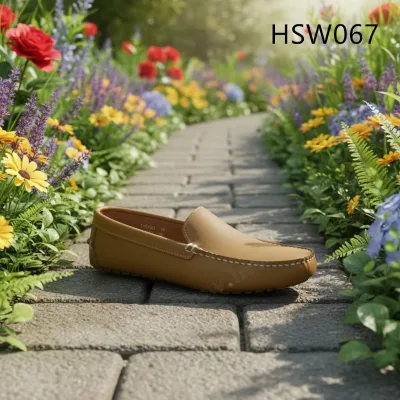
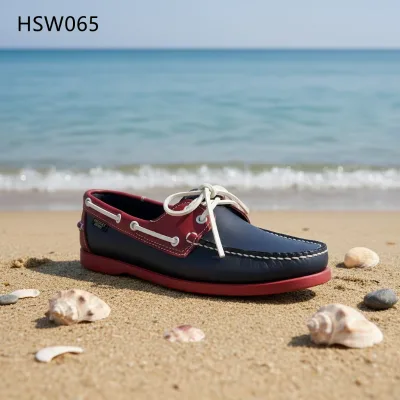
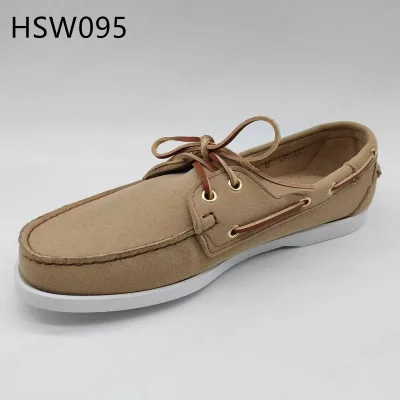


Comprehensive Sourcing Guide
Strategic Sourcing Guide for Waterproof Leather Seaside Imitation Footwear
Understanding Product Definitions and Market Variability
When sourcing "Waterproof Leather Seaside Imitation Shoes," buyers must first navigate a complex landscape where terminology often overlaps with contradictory product attributes. The core keyword suggests a specific functional profile: footwear designed for coastal environments, constructed from leather or leather-like materials, and capable of repelling water. However, an analysis of the available product data reveals significant variability in how these attributes are defined across different listings. Some entries explicitly list "Waterproof" as a primary feature, while others simultaneously categorize the same item type as "Not Waterproof." This discrepancy highlights a critical procurement challenge: the term "imitation" in this context may refer to the visual aesthetic of genuine leather rather than the material composition itself, or it may indicate a specific type of synthetic upper designed to mimic leather's appearance while offering different performance characteristics.
The product data indicates that "Leather" is a listed material, yet "Genuine Leather" is also specified as a lining material in certain configurations. This distinction is vital for buyers seeking durability versus those prioritizing comfort. Furthermore, the "Seaside" aspect of the keyword implies a need for resilience against saltwater and sand, yet the observed product attributes include styles labeled as "Boat Shoes" with "Low Opening Depth," which aligns with traditional maritime footwear, while other entries describe "Streetwear" or "Retro" styles that may lack the specific structural reinforcement required for active seaside use. Buyers must therefore treat the keyword as a starting point for inquiry rather than a guarantee of a single product specification. The sourcing strategy must begin with a rigorous clarification of whether the "waterproof" claim applies to the upper material, the lining, or the entire assembly, as the data shows conflicting reports where one attribute is marked "Waterproof" and another "Not Waterproof" for similar model numbers.
Technical Specifications and Material Composition Analysis
A deep dive into the technical specifications reveals a wide spectrum of material compositions that directly impact the suitability of the footwear for seaside environments. The observed data lists "Leather" and "Genuine Leather" as primary materials, but also includes "Mesh" and "PU" (Polyurethane) as upper materials. Mesh, often paired with "Breathable" and "Anti-microbial" features, offers excellent ventilation but presents a significant challenge regarding water resistance unless treated with a specialized coating. Conversely, the "Leather" and "Genuine Leather" options provide a more traditional barrier against moisture, though the data notes that some leather products are explicitly "Not Waterproof," suggesting that without additional treatment or specific construction methods, standard leather may absorb water rather than repel it.
The insole materials further complicate the selection process. The data shows "Rubber," "EVA," and "PU" as available options. EVA (Ethylene-Vinyl Acetate) is frequently cited for its lightweight properties and shock absorption, making it suitable for casual beach wear, while rubber insoles offer superior durability and slip resistance, which is critical for wet, sandy, or rocky seaside surfaces. The "Low Heel" and "Round Toe" attributes observed in the data suggest a design philosophy focused on comfort and stability, which is generally favorable for walking on uneven terrain. However, the presence of "Slip-on" closures alongside "Lace-up" patterns indicates a divergence in security; lace-up systems generally provide a more secure fit for active seaside activities where waves or shifting sand might cause a shoe to slip off, whereas slip-on designs prioritize convenience for casual, stationary beach use.
| Attribute Category | Observed Options | Implication for Seaside Use |
|---|---|---|
| Upper Material | Leather, Genuine Leather, Mesh, PU | Leather offers better water resistance; Mesh requires coating for waterproofing. |
| Lining Material | Genuine Leather, PU | Affects breathability and internal moisture management. |
| Insole Material | Rubber, EVA, PU | Rubber offers better grip on wet surfaces; EVA is lighter. |
| Closure Type | Lace-up, Slip-on | Lace-up provides better security for active use; Slip-on for casual. |
| Waterproof Status | Waterproof, Not Waterproof | Critical verification needed; "Not Waterproof" items require caution. |
Compliance, Certification, and Safety Verification
Navigating the compliance landscape for footwear intended for seaside use requires careful attention to both material safety and performance standards. While the provided data does not explicitly confirm the presence of specific certifications like OEKO-TEX, ROHS, REACH, ISO 20344, or ASTM F1671, these are the benchmarks buyers should actively request to verify. The "Standard" attribute in the data is listed as "As your requiry," which indicates a high degree of customization but also places the burden of specification verification on the buyer. For footwear that claims to be "Waterproof," "Resilient," and "Anti-microbial," independent testing is essential to validate these claims, particularly regarding the chemical treatments used to achieve water resistance and the antimicrobial properties of the lining.
Buyers must verify that the materials used, especially if "PU" or synthetic leathers are involved, comply with relevant chemical regulations regarding volatile organic compounds (VOCs) and heavy metals. The "Anti-microbial" feature mentioned in the data is a significant selling point for seaside environments where humidity and salt can promote bacterial growth. However, without a specific certification standard cited in the product listing, this claim remains an observation rather than a verified fact. Similarly, the "Waterproof" attribute requires validation against established standards for water penetration resistance. Buyers should request test reports that demonstrate the shoe's ability to withstand water exposure under specific pressure conditions, rather than relying solely on the manufacturer's label. The absence of a fixed standard in the data ("As your requiry") suggests that the supplier may be willing to meet specific client requirements, but the buyer must define these requirements clearly before production begins.
Cost Drivers and Pricing Structure Analysis
The pricing structure for Waterproof Leather Seaside Imitation Shoes is influenced by a complex interplay of material costs, customization levels, and order volume. The observed price range spans from $2.15 to $1,500, a disparity that reflects the vast difference between basic casual models and high-end, fully customized, or bulk industrial orders. The lower end of the spectrum likely corresponds to simple slip-on designs with synthetic uppers and standard packaging, while the higher end may include complex leather constructions, advanced waterproofing treatments, and bespoke design services. The "MOQ" (Minimum Order Quantity) is listed as ranging from 1 to 1,000, with a specific high-confidence fact noting an MOQ of 800 for certain configurations. This suggests that significant cost advantages are available only at scale, and buyers seeking smaller quantities may face a premium per unit.
Customization is a primary cost driver in this sector. The data confirms that "Customization" is available, with suppliers accepting "Customer Deaigner" (Designer) input and offering "OEM&ODM" services. The ability to specify "Colour" (e.g., Black, Yellow, Grey) and "Size" (41#-45#) adds layers of complexity to the manufacturing process. While the "Standard" is listed as "As your requiry," this flexibility often comes with a cost premium, especially if it requires retooling or the use of specialized materials like "Genuine Leather" for lining. The "Sample Date" of 15-20 days also impacts the overall timeline and cost, as expedited sampling or rush production would likely incur additional fees. Buyers should anticipate that the final unit cost will be a function of the chosen material (Leather vs. Mesh), the level of customization (OEM vs. Standard), and the order volume relative to the MOQ thresholds.
Supplier Evaluation and Operational Capabilities
Evaluating suppliers for this specific product category requires a focus on their ability to manage the nuances of customization and the logistical challenges of international trade. The data indicates that the "prod_origin" is China, which is a major manufacturing hub for footwear, but it also highlights the need for rigorous supplier vetting. Key operational capabilities to assess include the "Service" model, which includes OEM and ODM, and the "Sample Date" of 15-20 days. A supplier's ability to deliver samples within this timeframe is a strong indicator of their production efficiency and responsiveness. Furthermore, the "Hand Made" attribute suggests that certain models may rely on artisanal craftsmanship, which can be a double-edged sword: it offers unique quality but may introduce variability in production consistency.
The "Shipping" method is listed as "by Sea," which is standard for bulk orders but implies a longer lead time compared to air freight. Buyers must factor this into their supply chain planning, especially if they are targeting seasonal demand. The "prod_packing" options, ranging from standard "Box" to "Gift Box Packaging," also reflect the supplier's versatility in meeting different market needs. When evaluating a supplier, buyers should verify their capacity to handle the "Customer Deaigner" requests, ensuring they have the technical expertise to translate design concepts into functional footwear that meets the "Waterproof" and "Resilient" criteria. The "Open Depth" and "Heel Height" specifications also require close collaboration with the supplier to ensure the final product meets the ergonomic needs of the target market.
Quality Control and Long-Term Procurement Strategy
Establishing a robust quality control (QC) protocol is essential for mitigating the risks associated with the observed inconsistencies in product attributes. Given the conflicting data regarding "Waterproof" status and material composition, a pre-shipment inspection is non-negotiable. Buyers should implement a QC checklist that specifically tests for water penetration, seam integrity, and material durability. The "Feature" list includes "Resilient" and "Anti-microbial," which should be verified through physical testing rather than relying on marketing claims. For "Leather" products, checking for consistent grain and finish is crucial, while for "Mesh" or "PU" products, verifying the quality of the waterproof coating is paramount.
Long-term procurement success depends on building a partnership with suppliers who can maintain consistency across production runs. The "Standard" being "As your requiry" offers flexibility but requires clear documentation of specifications to prevent drift. Buyers should establish a "Standard" document that defines acceptable tolerances for size, color, and material properties. The "Sample Date" of 15-20 days should be used as a benchmark for the production cycle, and any deviations should be addressed immediately. Additionally, the "MOQ" of 800 for certain models suggests that buyers should plan for inventory management strategies that align with these volume thresholds to optimize costs. By focusing on clear communication, rigorous testing, and strategic inventory planning, buyers can navigate the complexities of sourcing Waterproof Leather Seaside Imitation Shoes and ensure a reliable supply chain that meets their specific operational needs.
FAQs
Can I customize the color and design of these shoes?
Yes, customization is available for color and design. Suppliers accept customer designer input and offer OEM and ODM services to meet specific requirements like black, yellow, or grey colors.
What is the minimum order quantity for these shoes?
The minimum order quantity ranges from 1 to 1000 units depending on the configuration. A specific high-confidence fact notes an MOQ of 800 for certain leather configurations.
How long does it take to receive a sample?
The sample date is typically 15 to 20 days. This timeline applies to the production of samples before bulk manufacturing begins for the order.
Are these shoes made of genuine leather?
Some models feature genuine leather as a lining material, while others use leather or mesh for the upper. Buyers must verify the specific material composition for each model.
Do these shoes come in different sizes?
Yes, sizes range from 41 to 45 and can be customized as requested. The standard size range is 41#-45#, but custom sizing is available upon inquiry.
What is the lead time for shipping these shoes?
Shipping is conducted by sea, which is standard for bulk orders. The sample production takes 15 to 20 days, followed by the sea freight transit time.
Are these shoes waterproof or not waterproof?
Product data shows conflicting attributes where some listings claim waterproof features while others state not waterproof. Buyers must verify the specific waterproof status for the selected model.