Source Breathable Canvas Fitness Shoes for Gym, Yoga, and Walking
Explore 30 options for Breathable Canvas Fitness Shoes designed for gym workouts, yoga sessions, and casual walking. Compare features like anti-odor lining, lightweight EVA soles, and vegan materials from Chinese manufacturers offering OEM services; compare the available evidence and request quotations based on your requirements.
Key considerations
Products List
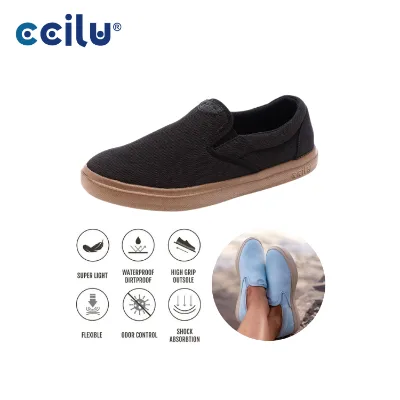


Sport Shoes for Active Lifestyle, Lightweight Breathable Canvas Sneakers
$2.00 - $3.00
MOQ: 1200 Pairs


Stylish Running Shoes, Breathable Canvas Footwear for Sports Enthusiasts
$2.00 - $3.00
MOQ: 1200 Pairs


Comprehensive Sourcing Guide
Breathable Canvas Fitness Shoes Sourcing Guide
Buyers evaluating Breathable Canvas Fitness Shoes must first distinguish between general casual styles and performance-oriented models, as the supplied data reveals a mix of running, volleyball, and walking shoe specifications. The observed listings indicate that while some units feature canvas uppers with lace-up closures, others utilize advanced materials like coffee yarn and rPET for sustainability. This variation requires a clear definition of the intended use case, whether for light athletic activity, daily walking, or fashion-forward slip-on applications, to ensure the selected product matches the functional requirements of the target market.
Procurement teams should also scrutinize the seasonal versatility and customization options presented in the catalog, as the data shows products available for all four seasons with specific features like quick-dry and anti-odor properties. The presence of both flat and low-heel options alongside customizable sizing and color palettes suggests a flexible supply chain capable of adapting to diverse regional preferences. However, the absence of stock for certain models and the reliance on ODM/OEM services mean that lead times and minimum order quantities will vary significantly, necessitating early engagement with suppliers to align production schedules with inventory needs.
Product Scope and Observed Listing Signals
The product scope for Breathable Canvas Fitness Shoes in this dataset spans from basic casual wear to specialized athletic footwear, evidenced by the inclusion of running shoes, volleyball shoes, and slip-ons. Buyers must carefully map these categories to their specific needs, noting that while some models offer canvas uppers with cotton or mesh linings, others incorporate high-tech insoles made from coffee PU foam or rubber. This diversity in construction materials implies that a single supplier may offer a broad range of SKUs, but the performance characteristics of each will differ based on the specific upper and sole composition selected.
Listing signals indicate a strong emphasis on sustainability and customization, with many products featuring GRS and B-Corp certifications and the use of recycled plastic bottle yarns. The availability of co-branding options and customizable colors, sizes, and logos allows buyers to create unique product lines, yet the "No Stock" status for several items confirms that these are primarily made-to-order solutions. This signals a shift from off-the-shelf purchasing to a collaborative development process, where buyers must provide detailed specifications early to ensure the final product meets both aesthetic and functional expectations.
Technical Specifications to Verify
When verifying technical specifications, buyers must prioritize the upper and lining materials to ensure the promised breathability and comfort are delivered. The data highlights the use of canvas, mesh, and coffee yarn, each offering different levels of airflow and durability, while the insole materials range from rubber to coffee PU foam, affecting cushioning and odor control. It is critical to request physical samples to test the actual feel of these materials, as the listed attributes like "breathable" and "light weight" are subjective claims that require tactile and functional validation before bulk ordering.
Sole composition and heel height are equally vital technical parameters that define the shoe's stability and suitability for specific activities. The observed listings include EVA and coffee compound outsoles with flat or low-heel designs, which are ideal for walking and casual wear but may lack the support required for high-impact sports. Buyers should verify the anti-slip and water-repellent claims through independent testing, especially since some models are explicitly marked as not waterproof, ensuring that the selected footwear performs reliably in the intended environmental conditions without compromising safety.
Compliance and Safety Documentation
Compliance and safety documentation for Breathable Canvas Fitness Shoes should focus on verifying the sustainability certifications and material safety claims provided by the supplier. The dataset explicitly mentions GRS, B-Corp, and Peta approval, which are significant indicators of ethical sourcing and vegan status, but buyers must request valid certificates to confirm these claims are current and applicable to the specific production batch. Relying solely on marketing text without documentary proof can lead to compliance risks, particularly when selling in markets with strict regulations regarding recycled content and animal welfare.
Safety standards regarding the physical construction of the footwear must also be rigorously checked to ensure they meet the requirements of the destination market. While the listings highlight features like anti-odor and dirt-proof capabilities, these are functional attributes rather than safety certifications. Buyers should inquire about specific testing protocols for slip resistance and durability, ensuring that the shoes comply with relevant international safety standards for footwear. Without documented test results, claims about performance features remain unverified and could expose the buyer to liability if the products fail under normal use conditions.
Cost Drivers and Commercial Terms
Cost drivers for Breathable Canvas Fitness Shoes are heavily influenced by the complexity of customization and the specific materials selected for the upper and sole. The use of specialized materials like coffee yarn and rPET, combined with the option for co-branding and custom colorways, typically increases the unit cost compared to standard canvas models. Additionally, the observed MOQ range of 1 to 1200 units suggests that smaller orders will carry a higher per-unit price, while larger volumes may offer economies of scale, making it essential for buyers to balance their inventory needs with their budget constraints.
Commercial terms regarding lead times and packaging must be clearly defined, as the "No Stock" status for many items indicates a production-based supply model. The use of recycled cardboard boxes for packaging aligns with sustainability goals but may require specific handling instructions to prevent damage during transit. Buyers should negotiate clear delivery schedules and payment terms that account for the time required for material sourcing and manufacturing, ensuring that the final delivery date aligns with their market launch plans and that the packaging meets any specific retail or logistical requirements.
Supplier Qualification and Quality Control
Supplier qualification for this category requires a thorough assessment of their manufacturing capabilities and their ability to handle complex customization requests. The data indicates that suppliers offer OBM, ODM, and OEM services, suggesting a high level of flexibility, but buyers must verify their capacity to maintain consistent quality across different material combinations and design variations. It is crucial to audit the supplier's production facilities to ensure they have the necessary equipment to handle materials like coffee compound and EVA, which may require specialized processing techniques.
Quality control protocols must be established to monitor the consistency of the breathable and lightweight features claimed in the product listings. Since the data shows a mix of materials and styles, a robust QC plan should include random sampling and functional testing for breathability, durability, and comfort. Buyers should also verify the supplier's ability to manage the customization process, ensuring that color matching, sizing accuracy, and logo placement meet the agreed-upon specifications before the final shipment is released.
Long-Term Procurement Checks
Long-term procurement checks should focus on the stability of the supply chain and the supplier's ability to maintain consistent quality over time. Given the reliance on sustainable materials like rPET and coffee yarn, buyers must ensure that the supplier has secure access to these raw materials to avoid production delays or quality fluctuations. Regular audits and performance reviews are necessary to confirm that the supplier continues to meet the sustainability and safety standards required by the brand and its customers.
Buyers should also monitor market trends and consumer feedback to ensure the product line remains relevant and competitive. The observed customization options and seasonal versatility suggest a dynamic market, but the lack of stock for certain models indicates a need for agile inventory management. Establishing a feedback loop with end-users and maintaining open communication with the supplier will help identify potential issues early and allow for timely adjustments to the product design or sourcing strategy to meet evolving consumer demands.
FAQs
What materials are used in the Breathable Canvas Fitness Shoes?
The Breathable Canvas Fitness Shoes utilize a canvas upper material for durability and style. The lining features mesh fabric to enhance airflow and comfort during wear. Insoles are made from rubber to provide cushioning and support. These material choices ensure the shoes remain lightweight and suitable for various casual or fitness activities throughout the day.
Can these shoes be customized for specific brand requirements?
Yes, customization is available for these shoes to meet specific brand requirements. Buyers can request custom colors, including white, blue, black, and grey options. US sizes can also be customized to fit target demographics. Additionally, co-branding options are available for logos, allowing businesses to tailor the product appearance to their unique market identity and branding guidelines effectively.
What features do these walking shoes offer for daily use?
These walking shoes offer resilient and breathable features ideal for daily use. The canvas upper combined with mesh lining ensures adequate ventilation. They are designed with a lace-up close pattern for a secure fit. The shoes are not waterproof but provide comfort for dry conditions. Their flat heel and closed toe style make them suitable for casual walking and light fitness activities.
What is the minimum order quantity for these fitness shoes?
The minimum order quantity for these fitness shoes starts at one unit. This low MOQ allows buyers to test the product with minimal initial investment. It is particularly useful for small businesses or individuals looking to sample the quality before committing to larger bulk orders. The flexible ordering policy supports various procurement strategies and reduces the barrier to entry for new buyers.
Are these shoes suitable for unisex wear?
Yes, these shoes are designed for unisex wear, making them versatile for all customers. They are available in standard US sizes ranging from 5.5 to 11. The neutral design and color options like black, white, and grey appeal to both men and women. This unisex classification broadens the potential market reach and simplifies inventory management for retailers stocking these fitness shoes.
What packaging is used for shipping these canvas shoes?
The packaging for these canvas shoes consists of cartons for bulk shipping efficiency. Individual items are packed securely to prevent damage during transit. The use of standard cartons helps in optimizing storage space and handling logistics. This packaging method ensures that the shoes arrive in good condition, maintaining their quality and appearance for the end consumer upon receipt at the destination warehouse or retail location.