Source Sneakers for Running, Basketball, and Casual Wear
Source 30 Sneaker options featuring PU uppers, mesh linings, and EVA soles. Compare designs for running, basketball, and casual use. Find unisex styles with anti-slip features and customizable packaging for wholesale needs; compare the available evidence and request quotations based on your requirements.
Key considerations
Products List

Designer Sneakers Wholesale Sneaker Designer Fashion Shoe Replica Sneaker
$28.00 - $58.00
MOQ: 1 Pieces

Wholesale Luxury Women Sneaker Running Sneaker Sport Shoe Designer Sneakers
$28.00 - $58.00
MOQ: 1 Pieces


Replica Sneaker Top Quality Sneaker Sport Replica Online Store Designer Sneakers
$28.00 - $58.00
MOQ: 1 Pieces

Luxury Men′ S Shoes Women Sneaker Running Sneaker Sport Shoe Designer Sneakers
$28.00 - $58.00
MOQ: 1 Pieces
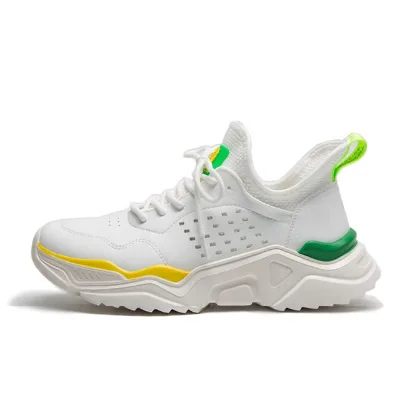

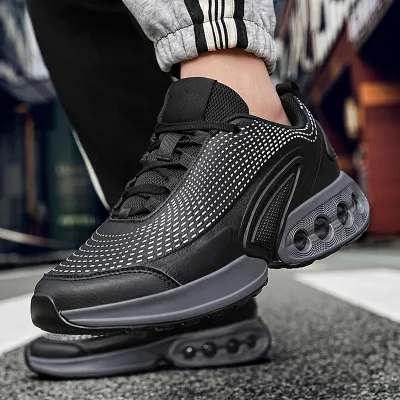


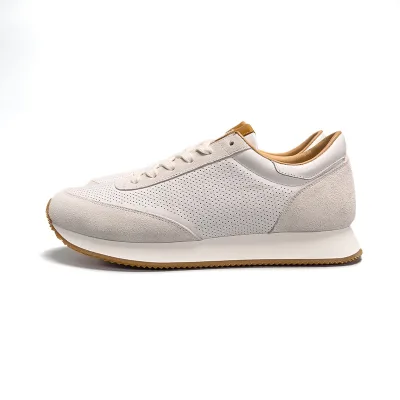


Comprehensive Sourcing Guide
Sneaker Sourcing Guide
The global market for replica and luxury-style sneakers presents a complex landscape where buyers must distinguish between genuine luxury goods and high-fidelity replicas. Observed listings frequently categorize these items under terms like "Designer Sneakers," "Luxury Sports Shoes," and "Replica Original Shoes," indicating a supply chain focused on high-end aesthetics rather than authentic brand authorization. Procurement teams should recognize that products labeled as "Putian Shoes" or originating from specific regions in China often fall into this category, requiring careful legal and ethical due diligence before any transaction occurs.
Buyers must also navigate the diverse functional claims found in these listings, which range from "Anti-slip Grooves" and "Waterproof" features to "Breathable" mesh linings. While the product attributes suggest versatility for fitness, casual wear, and basketball, the underlying materials often combine PU uppers with EVA midsoles and rubber outsoles to achieve a specific look and feel. Understanding that these items are marketed as "Wholesale Replica Shoes" or "Fashion Shoes" is critical for setting realistic expectations regarding durability, brand value, and the legal implications of importing such goods into various jurisdictions.
Product Scope and Observed Listing Signals
Sourcing signals indicate a wide array of product models, with specific identifiers like GH-20806 and numerical codes such as 274, 93, and 129 appearing across different listings. These model numbers often correspond to specific design iterations that mimic popular luxury or athletic silhouettes, yet the actual construction varies significantly between suppliers. Buyers should verify that the "Upper Material" matches the visual expectation, as listings frequently cite PU or a PU+Mesh combination, which affects both the aesthetic finish and the breathability of the final product.
The commercial signals in these listings also reveal a flexible approach to customization and packaging, with options for "Original Box" packing or custom requirements. The "Customization: Available" attribute suggests that buyers can request specific colorways or branding adjustments, though the "Brand Name: OEM" designation clarifies that these are unbranded or white-label goods rather than authorized products. Additionally, the presence of "Sample time: 15-20days" indicates that the supply chain is not always immediate, requiring buyers to plan their inventory cycles well in advance to avoid stockouts during peak demand periods.
Technical Specifications to Verify
Technical verification begins with the physical dimensions and weight of the single package, which are listed as 31x10x10 cm with a gross weight of 1.5 kg. These metrics are essential for calculating accurate shipping costs and determining the optimal container load for international freight. Buyers must confirm that the "Single package size" aligns with the "Standard" dimensions of 39x28x13 cm for the carton, ensuring that the packaging is robust enough to protect the shoes during transit while minimizing volumetric weight charges.
Material composition is another critical technical area, with listings specifying "Sole Material" as a blend of EVA and Rubber and "Lining Material" as Mesh. These materials dictate the shoe's performance characteristics, such as cushioning, flexibility, and moisture management. Procurement teams should request physical samples to validate that the "Midsole Material" provides the advertised "Cushioning" and that the "Anti-skid design" with "Anti-slip Grooves" meets the safety requirements for the intended use, whether for casual walking or athletic activities.
Compliance and Safety Documentation
Navigating the legal landscape for replica and OEM sneakers requires strict adherence to intellectual property laws in both the country of origin and the destination market. Since many listings explicitly mention "Replica Brand" or "Luxury Brands" in a context that implies unauthorized reproduction, buyers must understand that importing such goods can lead to customs seizures, fines, or legal action. It is imperative to verify the specific legal status of the product in the target market before placing any order, as the "Brand Name: OEM" label does not automatically grant immunity from trademark infringement claims.
Safety documentation for footwear often includes compliance with local standards for slip resistance and material toxicity, though these are not explicitly detailed in the provided listing facts. Buyers should request test reports or certificates of analysis to ensure that the "Waterproof" claims and chemical treatments used on the PU and Mesh materials do not violate environmental or safety regulations. Without verified documentation, the risk of non-compliance increases significantly, potentially resulting in product recalls or reputational damage for the importing business.
Cost Drivers and Commercial Terms
The cost structure for these sneakers is influenced by the "Supply Ability" of 5000 pairs per day and the "MOQ" which can range from 1 pair to 300 pairs. This flexibility allows small buyers to test the market with low-volume orders while enabling larger retailers to secure bulk pricing. However, the "Sample time" of 15-20 days adds a hidden cost in terms of lead time, which can impact cash flow and inventory turnover rates. Buyers must factor in these delays when calculating the total landed cost and determining the optimal reorder point to maintain stock levels.
Pricing and payment terms are further complicated by the "Packaging Details" which allow for variations like 12 pairs per carton or custom configurations. These packaging choices directly affect the unit cost and shipping efficiency, as denser packing reduces freight expenses but may require higher upfront investment in cartons. Additionally, the "Port of dispatch" being Xiamen introduces specific logistics considerations, including potential port congestion or seasonal weather delays that could extend the lead time beyond the standard sample period.
Supplier Qualification and Quality Control
Qualifying a supplier for replica or OEM sneakers requires a rigorous assessment of their production capabilities and quality control processes. The "Place of Origin" being Fujian, China, is a known hub for footwear manufacturing, but it also hosts a mix of high-quality and low-quality producers. Buyers should verify the supplier's ability to consistently deliver on the "Feature" list, which includes "Light Weight," "Fashion Trend," and "Breathable" attributes, by conducting on-site audits or requesting third-party inspection reports.
Quality control must extend beyond the initial sample to the mass production phase, ensuring that the "Style" remains consistent across all units. Given the "Customization: Available" option, there is a risk of deviation in design details if the supplier does not have strict adherence protocols. Buyers should implement a clear inspection plan that checks for defects in the "Lace-up" closure, the integrity of the "Anti-slip Grooves," and the overall finish of the PU upper to ensure the final product meets the agreed-upon specifications before shipment.
Long-Term Procurement Checks
Establishing a long-term relationship with a supplier in this sector requires continuous monitoring of product consistency and market responsiveness. The "Selling Units" being listed as "Single item" suggests a focus on individual sales, but long-term contracts often require bulk commitments. Buyers should regularly review the "Model Number" variations to ensure the supplier is keeping pace with changing fashion trends and consumer preferences, as the "Fashion Shoes" category is highly dynamic and prone to rapid obsolescence.
Finally, buyers must maintain a vigilant stance on the legal and ethical implications of their sourcing strategy over time. As regulations regarding replica goods evolve, the "Luxury Sports Shoes" and "Replica Online Store" labels may become less viable or more risky. Procurement teams should periodically reassess their supplier base to ensure they are not inadvertently supporting operations that could lead to legal disputes, and they should explore alternative sourcing strategies that align with their brand values and compliance requirements.
FAQs
What materials are used in these sneakers?
The sneakers feature a PU upper material combined with a mesh lining for breathability. The sole is constructed from EVA and rubber to provide durability and traction. This combination ensures comfort and support for various casual and fitness activities while maintaining a lightweight profile for all-day wear.
Can I customize the design of these shoes?
Yes, customization is available for these sneakers. The supplier accepts both OEM and ODM requests, allowing buyers to tailor designs to specific needs. This flexibility supports branding efforts and unique product requirements, making it suitable for businesses looking for personalized footwear solutions in the global market.
What is the minimum order quantity for these sneakers?
The minimum order quantity is one pair. This low MOQ allows buyers to test the product quality before committing to larger orders. It is ideal for small businesses or individuals seeking to evaluate the fit, style, and material quality of the sneakers without a significant initial investment.
How long does it take to produce samples?
Sample production typically takes 15 to 20 days. This timeframe allows for the creation of prototypes that meet specific design and material requirements. Buyers can use this period to review the sample quality, fit, and finish before proceeding with bulk manufacturing orders for their specific market needs.
Where are these sneakers manufactured?
These sneakers are manufactured in Fujian, China. The production facility is located in this region, which is known for its footwear manufacturing capabilities. Buyers can expect consistent quality and adherence to specified standards, with the port of dispatch being Xiamen for efficient international shipping and logistics management.
What sizes are available for these sneakers?
The sneakers are available in sizes 35 to 45. This range covers most adult foot sizes, ensuring a fit for a wide audience. The unisex design makes them suitable for both men and women, providing versatility for various casual, fitness, and fashion-oriented applications in the global market.