Source Tennis Sneaker for Running, Training, and Daily Wear
Compare 30 Tennis Sneaker listings from Fujian, China, featuring options with mesh linings, EVA outsoles, and customizable logos. Buyers can review sizes ranging from 36 to 46, colors like green and black, and MOQs starting at 300 pairs for bulk orders.
Key considerations
Products List
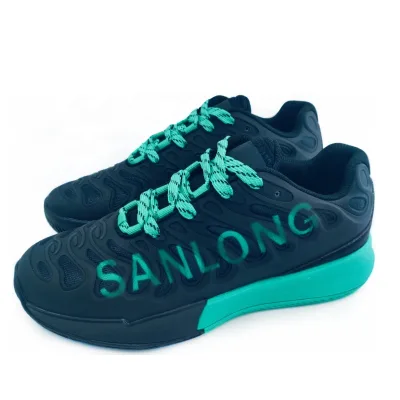
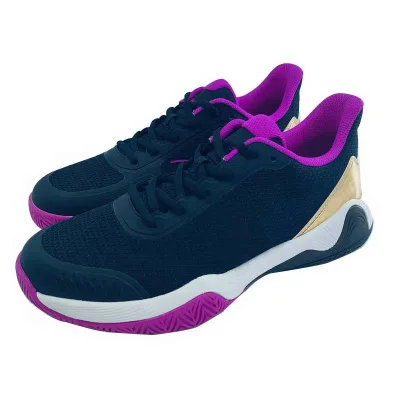
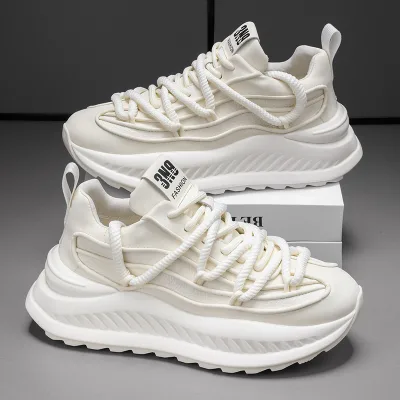
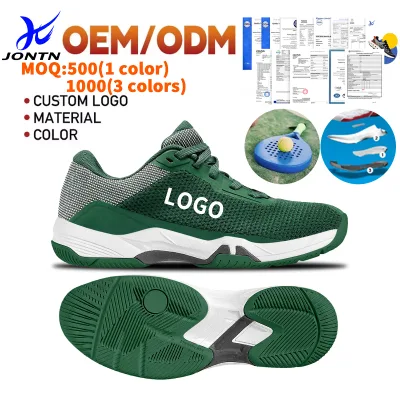


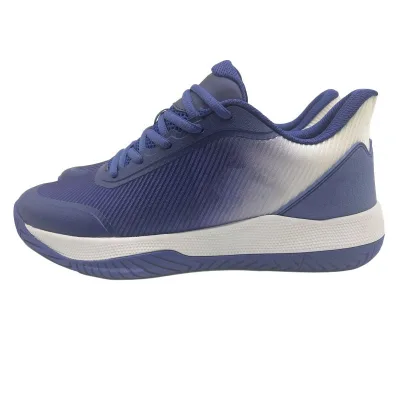
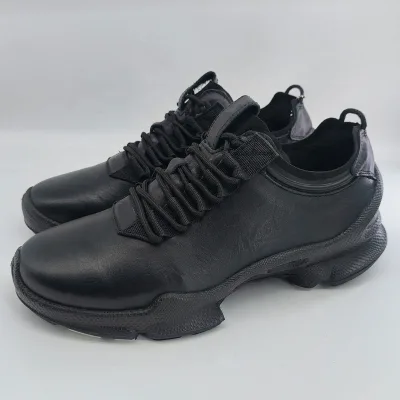
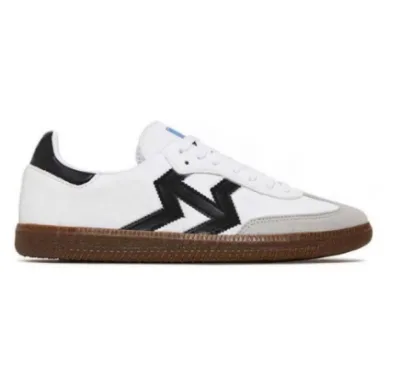
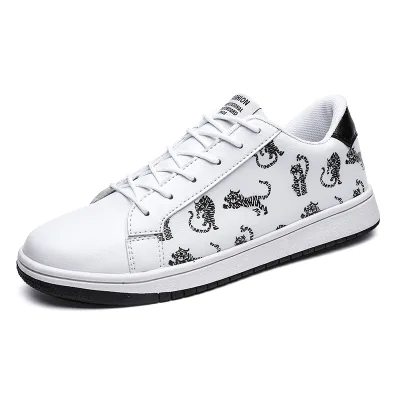



Comprehensive Sourcing Guide
Tennis Sneaker Sourcing Guide
Buyers evaluating tennis sneakers must first distinguish between performance-specific athletic models and general sport-style footwear that shares similar aesthetics. The available market data indicates a clear split where some listings explicitly define the product function as "Athletics Tennis Shoes" while others are categorized broadly as "Sport Shoes" or "Running shoes." This distinction is critical because a shoe designed for casual fashion may lack the lateral support and durability required for competitive play, even if the visual style appears identical. Procurement teams should verify the specific functional claim against the intended use case before committing to a bulk order.
The observed product listings reveal significant variability in material composition and construction, which directly impacts performance and longevity. While some items feature EVA outsoles and mesh linings for breathability, others combine rubber, TPR, and EVA in the sole or utilize PVC for the midsole, a material choice that may affect flexibility and shock absorption. Buyers must scrutinize these material specifications to ensure they align with the physical demands of the sport, as a mismatch in sole hardness or upper breathability can lead to premature wear or athlete discomfort during extended use.
Product Scope and Observed Listing Signals
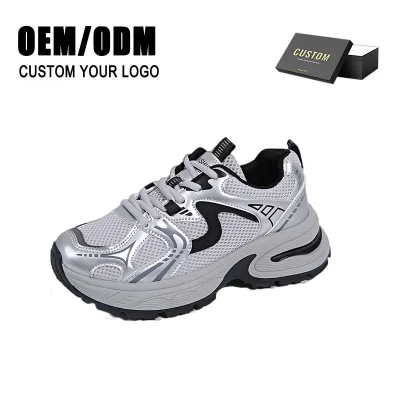
The current market signals suggest a diverse range of sizing and gender options, with listings offering US sizes from 4 to 12 and specific ranges like 36-46 standard sizes. While some products are marketed as "Unisex," others are explicitly targeted toward "Male" buyers, requiring buyers to carefully map their target demographic to the available inventory. The presence of both "Ready to Ship" and "Custom" options indicates that buyers can source immediate stock for general needs or engage in OEM/ODM projects for branded, customized footwear, depending on their inventory strategy.
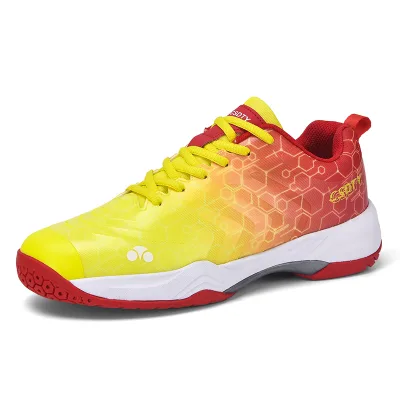
Visual and stylistic attributes vary widely, with colors ranging from specific single shades like Green or Black to multi-color options including Blue and White. The product descriptions highlight features such as "Fashion comfortable durable" or "Breathable, Anti-Slip, Soft," which serve as key differentiators for buyers seeking specific aesthetic or functional benefits. However, these feature claims should be treated as observations from individual listings rather than universal guarantees, necessitating sample verification to confirm that the actual product delivers on the advertised comfort and durability promises.
Technical Specifications to Verify
Buyers must rigorously verify the sole construction, as the data shows conflicting information regarding midsole materials, with some listings specifying PVC while others list Rubber or TPR. The outsole materials also vary between EVA, Rubber, and TPR combinations, which dictates the shoe's traction and wear resistance on different court surfaces. Since the midsole is responsible for shock absorption and the outsole for grip, confirming the exact material blend is essential to ensure the footwear meets the mechanical requirements of tennis, where sudden stops and lateral movements are common.
Packaging and weight specifications provide critical logistical data for freight planning and cost estimation, yet the observed data presents inconsistent figures for single package dimensions and gross weight. Some listings indicate a package size of 34x24x12 cm with a weight of 1.2 kg, while others show 36x26x14 cm and 1.6 kg, suggesting variations in box design or included accessories. Procurement teams should request precise packing lists and weight certificates for the specific order to avoid unexpected shipping costs and to ensure that the packaging is robust enough to protect the shoes during transit.
Compliance and Safety Documentation
While the provided context mentions background standards like ISO 13287 and ASTM F2413-18, these should not be assumed as automatically met by all listed products without explicit verification. Buyers must request current test reports or certificates of compliance from the supplier to confirm that the footwear meets the safety and chemical regulations of their target market, particularly regarding REACH compliance for chemical substances. Relying on general category knowledge without specific documentation can expose the buyer to regulatory risks and potential product recalls in regions with strict safety standards.
The absence of explicit certification claims in the product listings means that buyers cannot assume any product is pre-certified for specific safety or environmental standards. It is the buyer's responsibility to define the required compliance framework and ask the supplier to provide evidence of adherence, such as material safety data sheets or third-party lab results. This proactive approach ensures that the sourced tennis sneakers are safe for consumer use and compliant with local laws, protecting the brand from liability and maintaining consumer trust.
Cost Drivers and Commercial Terms
The observed Minimum Order Quantity (MOQ) ranges from 300 to 600 pairs, creating a significant barrier for small buyers or those testing new product lines. This variation in MOQ suggests that suppliers have different production capacities and cost structures, with higher volume orders likely securing better unit pricing. Buyers must align their order volume with their financial capacity and sales forecasts, as failing to meet the supplier's MOQ may result in higher per-unit costs or the inability to place an order at all.
Pricing and lead times are influenced by the level of customization required, with listings indicating support for OEM, ODM, and customized logos. The ability to customize materials and branding adds value but also introduces complexity and potential cost increases compared to standard ready-to-ship items. Buyers should negotiate clear terms regarding the cost impact of customization, the timeline for sample approval, and the production lead time to ensure that the final delivery aligns with their market launch schedule and budget constraints.
Supplier Qualification and Quality Control
Supplier qualification should focus on their capacity to deliver consistent quality across different material specifications, given the observed variations in lining materials like Mesh versus Cotton Fabric. Buyers must assess the supplier's quality control processes to ensure that the transition between different material types does not compromise the structural integrity or comfort of the final product. A robust QC system is essential to catch defects in stitching, sole bonding, or material consistency before the goods leave the factory.
The availability of OEM and ODM services indicates that suppliers are willing to adapt to buyer requirements, but this flexibility must be balanced with strict quality assurance protocols. Buyers should implement a pre-shipment inspection plan that verifies the product against the agreed-upon specifications, including size, color, and material composition. This step is crucial to prevent the receipt of goods that deviate from the sample or the initial agreement, ensuring that the final shipment meets the expected standards for the Tennis Sneaker market.
Long-Term Procurement Checks
Establishing a long-term partnership requires continuous monitoring of supplier performance regarding delivery reliability and consistency in product quality over time. Buyers should track key performance indicators such as on-time delivery rates and the frequency of quality issues to identify any degradation in service that could impact their business operations. Regular audits and feedback loops help maintain a high standard of collaboration and ensure that the supplier remains committed to meeting the evolving needs of the buyer.
As market trends shift, the ability of the supplier to adapt to new design requests or material innovations becomes a critical factor in long-term success. Buyers should maintain open communication channels to discuss future product developments and ensure that the supplier can scale production or adjust specifications as needed. This strategic approach fosters a resilient supply chain capable of responding to changes in consumer demand and maintaining a competitive edge in the dynamic Tennis Sneaker market.
FAQs
What materials are used for the lining and outsole?
The lining material is mesh or cotton fabric depending on the specific model. The outsole is made from EVA, rubber, or TPR to ensure durability and anti-slip performance for various athletic activities.
Which sizes are available for these tennis sneakers?
Available sizes range from US 4 to 12 and EU 36 to 46. Specific models offer sizes like 39 to 46 or 6.5 to 11, ensuring a fit for most adult foot measurements in unisex or male categories.
Can I customize the material and logo for bulk orders?
Yes, customization for material and logo is supported for bulk orders. OEM and ODM services are welcomed, allowing buyers to specify unique designs while meeting minimum order quantities of 300 or 600 pairs.
Where are these sport shoes manufactured and shipped from?
These products originate from Fujian, China. The single package size varies between 34x24x12 cm and 36x26x14 cm, with gross weights ranging from 1.0 kg to 1.6 kg per item for shipping calculations.
What features make these sneakers suitable for all seasons?
These sneakers are designed for winter, summer, spring, and autumn use. Key features include breathability, comfort, fashion trends, and durable construction using mesh uppers and soft midsoles for year-round athletic performance.
What is the minimum order quantity for custom tennis shoes?
The minimum order quantity is either 300 pairs or 600 pairs depending on the specific product listing. Buyers should verify the exact MOQ before placing an order to ensure compliance with supplier requirements.
Are these shoes available in multiple colors and styles?
Yes, options include green, black, and blue colors with styles like running shoes or lace-up designs. The product name is often listed as tennis sneakers or casual sneakers with various upper materials like PU and mesh.