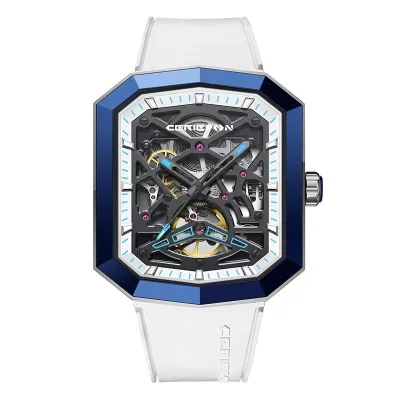
Source Waterproof Luminous Automatic Wrist Watch for daily wear
Explore 30 listings for a Waterproof Luminous Automatic Wrist Watch featuring round or square cases, stainless steel or leather bands, and various movements. Buyers can compare customization options, certifications, and MOQs across suppliers.
Key considerations
Products List


New Men's Sports Multifunctional Quartz Watch Waterproof Luminous Wristwatch
$9.70 - $10.29
MOQ: 2 Pieces




Comprehensive Sourcing Guide
Strategic Sourcing Guide for Waterproof Luminous Automatic Wrist Watches
The global market for timekeeping devices has evolved significantly, with the segment of waterproof, luminous, automatic wrist watches representing a robust intersection of mechanical engineering and practical utility. For B2B procurement professionals, sourcing these items requires a nuanced understanding of the specific mechanical attributes that define an "automatic" movement versus quartz or digital alternatives, alongside the critical safety and durability features implied by waterproof and luminous specifications. This guide synthesizes observed market data and technical realities to provide a disciplined framework for evaluating suppliers and products in this category.
Understanding Automatic Movement Mechanics and Specifications
The core of the "automatic" designation lies in the movement technology, which distinguishes these timepieces from quartz or digital models. An automatic watch operates via a self-winding mechanism that harnesses the kinetic energy of the wearer's wrist motion to wind the mainspring. This is a critical differentiator when reviewing product specifications. In the current market landscape, while some listings feature quartz movements or digital displays, the specific demand for automatic watches necessitates a rigorous verification of the movement type. Buyers must confirm that the supplier explicitly states "Automatic" as the movement type, as opposed to "Quartz" or "Digital," which appear in various product listings for similar aesthetic categories.
When evaluating the technical specifications of an automatic watch, the dial diameter and thickness are primary indicators of the internal architecture. Standard market observations suggest that automatic movements often require slightly more case depth to accommodate the rotor and gear train. Specifications such as a 42mm dial diameter and a thickness around 12mm are common benchmarks for robust automatic designs. However, buyers should not assume these dimensions apply universally; they must verify the specific physical constraints of the model they intend to procure. The case shape, often round for traditional automatics but occasionally square for modern interpretations, also influences the internal layout. The presence of features like a day/date display or a chronograph function adds layers of complexity to the movement, requiring precise calibration and potentially affecting the power reserve duration.
Waterproofing Standards and Luminous Technology
Waterproofing is a non-negotiable safety feature for wrist watches intended for active use or marine environments. The terminology used in procurement documents must be scrutinized carefully. While some listings simply state "Waterproof," others provide specific depth ratings, such as 30 meters. It is essential for buyers to understand that a "30-meter" rating often implies splash resistance suitable for daily wear rather than swimming or diving. For true waterproofing in aquatic environments, higher ratings (e.g., 50m, 100m, or 200m) are typically required, though specific numerical claims must be validated against the supplier's test data. The absence of a specific numerical rating in a listing does not confirm a lack of protection, but it necessitates a direct inquiry into the testing standards employed.
Luminous technology is the second pillar of this product category. The requirement for "luminous" functionality implies the application of light-absorbing materials on the dial and hands to ensure visibility in low-light conditions. In the context of the observed market, features like "Luminous" are frequently paired with "Day/Date" and "Chronograph" capabilities. Buyers must verify the type of luminescent material used, as this impacts longevity and brightness. While specific chemical compositions are rarely disclosed in general listings, the presence of this feature should be confirmed through product descriptions or technical datasheets. The integration of luminous elements must not compromise the waterproof integrity of the watch; the seal between the case and the crystal must remain intact even with the application of luminescent paint or inserts.
Compliance, Certification, and Material Integrity
Navigating the regulatory landscape is a critical component of B2B sourcing. The supply chain for wrist watches is subject to various international standards regarding material safety and environmental compliance. Observed market data indicates that some suppliers provide certifications such as CCC, ISO, CE, and RoHS. These certifications are vital indicators of a supplier's adherence to quality management systems and environmental regulations. The CCC (China Compulsory Certification) is particularly relevant for products entering the Chinese market, while ISO standards (such as ISO 9001) suggest a commitment to consistent quality control. CE marking indicates conformity with health, safety, and environmental protection standards for products sold within the European Economic Area, and RoHS restricts the use of specific hazardous materials in electrical and electronic equipment.
Material selection is equally critical for ensuring product durability and safety. The band material is a primary point of differentiation, with stainless steel and leather being the most common options observed. Stainless steel offers high resistance to corrosion and wear, making it suitable for waterproof applications, while leather provides a classic aesthetic but may require more care in wet conditions. The case material is often an alloy, which provides structural integrity while keeping weight manageable. The surface material, typically tempered glass or sapphire crystal, protects the dial from scratches and impacts. Sapphire, in particular, is known for its superior hardness and scratch resistance compared to standard glass. Buyers must verify that the specific materials listed match the intended application, ensuring that the combination of band, case, and surface materials meets the durability requirements of the target market.
Cost Drivers and Minimum Order Quantity Dynamics
The pricing structure for automatic wrist watches is influenced by a complex interplay of factors, including movement complexity, material quality, and customization requirements. The observed price range in the market spans from $4 to $252, a wide variance that reflects differences in quality tiers and feature sets. Lower-priced items often utilize simpler movements or less durable materials, while higher-priced models may incorporate sapphire crystals, advanced chronograph mechanisms, or premium leather bands. The cost drivers also include the level of customization, such as logo printing or design modifications. Listings indicate that customization is available, with options for customized logos and designs, which can significantly impact the unit cost.
Minimum Order Quantity (MOQ) is another critical financial consideration for B2B buyers. The market data reveals an MOQ range from 1 to 3000 units, with specific models often requiring quantities like 500 or 1000 units. High MOQs are typical for customized orders or models with complex supply chain requirements, as they allow suppliers to amortize setup costs. Buyers with smaller volume needs may find suppliers offering lower MOQs, but these options might come with higher per-unit costs or limited customization. Understanding the MOQ structure is essential for budgeting and inventory planning. Buyers should negotiate based on their volume projections, seeking flexibility where possible, especially when introducing new product lines or testing market response.
Supplier Evaluation and Quality Control Protocols
Selecting the right supplier requires a comprehensive evaluation of their capabilities beyond the product listing. Key indicators of a reliable supplier include the availability of OEM (Original Equipment Manufacturer) services, which allow for branding and design customization. The presence of a "Yes" for OEM capability suggests that the supplier is equipped to handle private label orders and specific design requests. Additionally, the production origin, often listed as China for this category, provides context for the manufacturing ecosystem but does not guarantee quality on its own. Buyers must assess the supplier's track record, production capacity, and ability to meet lead times.
Quality control is paramount in the watch industry, where mechanical precision and aesthetic finish are critical. Buyers should implement a rigorous QC protocol that includes pre-production sample approval, in-process inspections, and final random inspections. The packing method, such as individual polybag packaging or box packaging, also plays a role in protecting the product during transit. Some listings indicate "Each Packed in a Polybag," while others specify "Box" packaging, which may be required for retail presentation. Ethical considerations, such as the absence of ethylene oxide sterilization, should also be verified to ensure compliance with safety standards. A supplier's willingness to provide detailed quality reports and test results is a strong indicator of their commitment to product integrity.
Long-Term Procurement and Market Adaptability
Sourcing automatic wrist watches is not merely a transactional activity but a strategic long-term partnership. The market is dynamic, with trends shifting between sport, modern, and casual styles. Buyers must remain agile, monitoring changes in consumer preferences and technological advancements. The availability of features like multiple time zones, power reserves, and various display methods (analog vs. digital) allows for product differentiation. However, the core requirement for waterproof and luminous functionality remains constant for this specific keyword segment.
Long-term procurement considerations also include supply chain resilience. Diversifying suppliers and maintaining a buffer stock can mitigate risks associated with lead time fluctuations or production disruptions. The ability to customize products, such as altering the case shape or dial color, provides a competitive edge in a crowded market. Buyers should establish clear communication channels with suppliers to ensure that any changes in specifications or standards are promptly addressed. By focusing on technical specifications, compliance, and quality control, buyers can build a sustainable supply chain that delivers high-value products to their customers.
Comparative Analysis of Product Attributes
To facilitate decision-making, the following table summarizes key attributes observed in the market for waterproof, luminous, automatic wrist watches. This comparison highlights the variability in specifications and helps buyers identify the most suitable options for their specific needs.
| Attribute | Observation A | Observation B | Observation C |
|---|---|---|---|
| Movement | Automatic | Quartz | Digital |
| Case Shape | Round | Square | Round |
| Band Material | Stainless Steel | Leather | Alloy |
| Surface Material | Sapphire | Tempered Glass | Glass |
| Waterproof | Waterproof (Specifics vary) | Waterproof | 30 m |
| Luminous | Yes | Yes | Yes |
| Style | Sport | Modern | Casual |
| Gender | Unisex | Men | Men |
| MOQ | 1000 | 500 | 1 |
| Certification | CCC, ISO, CE, RoHS | Customized | Standard |
This table illustrates that while the core keyword remains consistent, the execution varies significantly. Buyers must carefully match these attributes to their target market requirements, ensuring that the selected product aligns with both functional expectations and regulatory standards. By adhering to these guidelines, procurement professionals can navigate the complexities of the automatic watch market with confidence and precision.
FAQs
Can I find waterproof luminous automatic wrist watches with custom logos?
Yes, customization is available for logos on these timepieces. Listings confirm that customized logos and designs are offered, allowing buyers to brand the watches according to their specific requirements while maintaining the automatic movement and waterproof features.
What certifications do Waterproof Luminous Automatic Wrist Watch manufacturers hold?
Some suppliers provide certifications including CCC, ISO, CE, and RoHS for these watches. These marks indicate adherence to quality management systems and environmental regulations, ensuring the products meet international safety and compliance standards for the global market.
Which movement types are available for waterproof luminous automatic wrist watches?
Automatic movements are the primary type for this specific category, though Quartz and Digital options also appear in general listings. Buyers must verify the movement specification explicitly, as automatic watches rely on kinetic energy rather than batteries or digital circuits.
How is the waterproof rating defined for these automatic wrist watches?
Waterproof ratings vary, with some models specified at 30 meters while others simply state waterproof without a depth. A 30-meter rating typically indicates splash resistance for daily wear, so buyers should confirm specific depth requirements for aquatic activities before procurement.
What is the minimum order quantity for custom waterproof luminous automatic wrist watches?
The minimum order quantity ranges from 1 to 3000 units depending on the supplier and customization level. Specific models often require quantities like 500 or 1000 units, so buyers should negotiate based on their volume projections to manage costs effectively.
Can I source automatic wrist watches with sapphire crystal surfaces from China?
Yes, sapphire crystal surfaces are available alongside tempered glass and standard glass options for these watches. The products originate from China, offering a mix of surface materials that provide varying levels of scratch resistance and durability for different market segments.
What packaging options exist for wholesale automatic wrist watch orders?
Packaging varies between individual polybags and retail boxes for these timepieces. Buyers should specify their preferred packing method, as some listings indicate each unit is packed in a polybag while others offer box packaging for retail presentation.