Source Waterproof Machine Sewing Volleyball for Training, Play, and Gifts
Find 30 Waterproof Machine Sewing Volleyball options from China suppliers. Compare specs like neoprene and PVC materials, custom logo printing, and bulk MOQs for training, playground use, and promotional gifts.
Key considerations
Products List
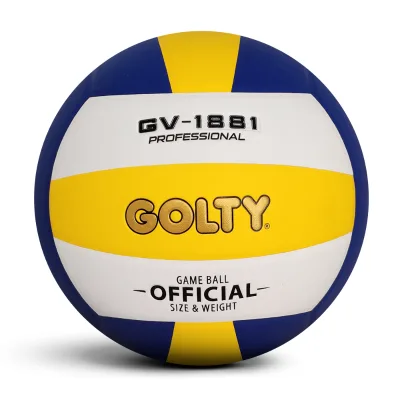
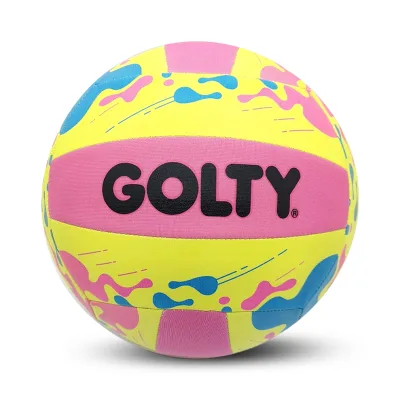
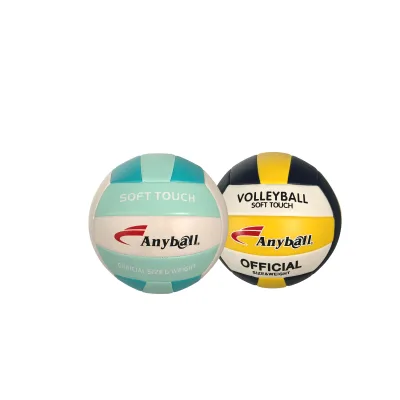

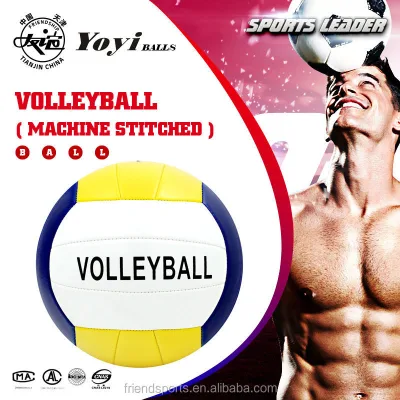


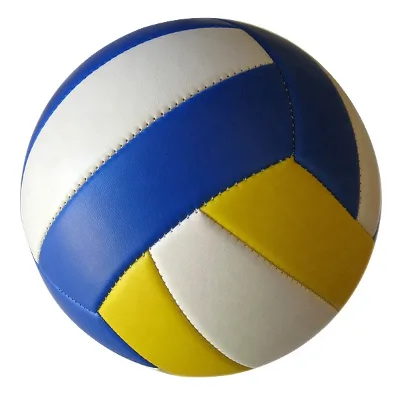


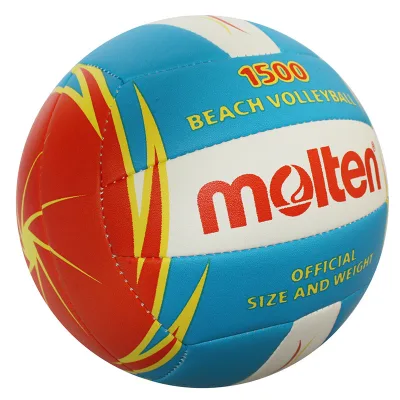
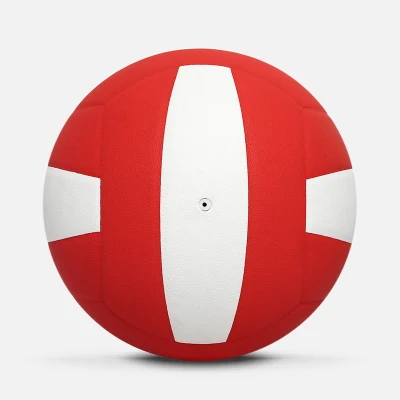
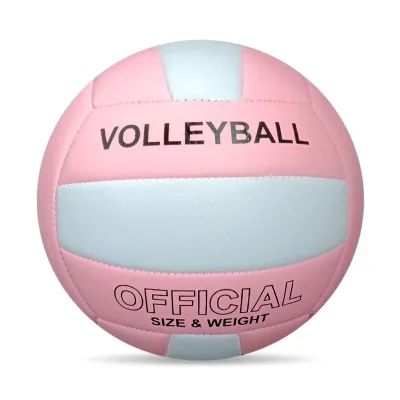
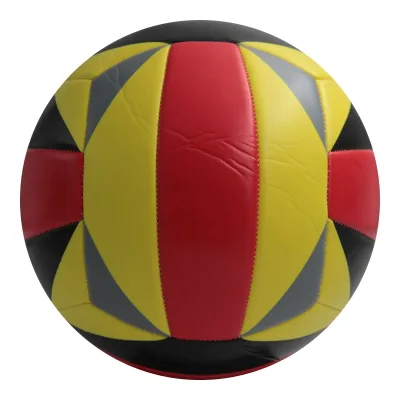


Comprehensive Sourcing Guide
Waterproof Machine Sewing Volleyball Sourcing Guide
Sourcing a Waterproof Machine Sewing Volleyball requires a careful balance between material durability, construction integrity, and intended usage environment. The term "waterproof" in the context of volleyballs often refers to water-resistant or quick-drying properties rather than absolute impermeability, as most sports balls rely on air pressure and surface texture for performance. Buyers must distinguish between balls designed for beach or pool play, which require robust outer shells, and those intended for indoor training, where moisture-wicking and soft touch are prioritized. The machine sewing construction method offers a specific set of advantages and limitations compared to thermally bonded or hand-stitched alternatives, influencing both the ball’s longevity and its aerodynamic consistency.
This guide provides evidence-based procurement advice for buyers evaluating listings that claim waterproof capabilities and machine-sewn construction. It focuses on verifying material compositions, such as neoprene or PVC, which are commonly associated with water-resistant sports equipment. The analysis draws from observed market data, including price ranges, minimum order quantities (MOQs), and technical specifications, to help buyers make informed decisions. By understanding the interplay between material science and manufacturing techniques, procurement teams can select products that meet specific operational needs while avoiding common pitfalls related to misleading marketing claims or incompatible usage scenarios.
Product Scope and Observed Listing Signals
The current market for machine sewing volleyballs exhibits a diverse range of product attributes, with observed prices ranging from $0.83 to $8.98 USD and MOQs varying significantly from 1 to 5,000 pieces. This wide variance suggests a market segmented by quality tiers, with lower-priced items often targeting bulk promotional use or basic training, while higher-priced options may offer enhanced durability or specialized materials. Buyers should note that the term "waterproof" is not explicitly confirmed in all observed listings; instead, features like "moisture-wicking," "eco-friendly," and "soft touch" are more frequently cited. This indicates that many products are designed for sweat resistance or easy cleaning rather than submersion in water, necessitating careful verification of material claims before procurement.
Observed product specifications reveal a mix of materials, including neoprene and PVC, which have distinct performance characteristics. Neoprene-based volleyballs, such as those with model number VM-7000, are often marketed with sustainability features like recycled materials and are suitable for training purposes. In contrast, PVC-based options, like the V01 model, are frequently associated with children’s age groups and modern styling, potentially offering greater water resistance due to the inherent properties of PVC. The presence of both adult and children’s age groups in the data highlights the importance of aligning product selection with the target demographic, as size, weight, and inflation pressure requirements differ substantially between these groups.
Technical Specifications to Verify
When evaluating machine sewing volleyballs, buyers must verify the bladder material and outer shell composition, as these directly impact water resistance and bounce consistency. The rubber bladder is a common specification, but its thickness and quality are critical for maintaining air pressure in humid or wet conditions. Additionally, the circumference of the ball, typically ranging from 650mm to 670mm for standard sizes, should be confirmed to ensure compliance with regulatory standards for the intended age group or competition level. Buyers should request detailed technical sheets that specify the exact thickness of the neoprene or PVC layer, as thinner materials may degrade faster when exposed to saltwater or prolonged moisture.
The machine sewing technique itself requires scrutiny, particularly regarding the stitch density and thread quality. High-quality machine sewing should result in a seamless appearance with tight, uniform stitches that prevent water ingress through the seams. Buyers should inspect product images or request samples to assess the integrity of the seams, looking for any gaps or loose threads that could compromise the ball’s structure. Furthermore, the closure type, often listed as machine sewing, should be cross-referenced with the ball’s inflation valve design, as a poorly sealed valve can negate the benefits of a water-resistant outer shell. Verification of these technical details ensures that the product meets the functional requirements of the intended application, whether for beach volleyball, pool training, or general outdoor use.
Compliance and Safety Documentation
Safety and compliance documentation is essential for volleyballs, especially those marketed for use by children or in competitive settings. Buyers should request certificates of conformity that verify the absence of harmful substances, such as phthalates in PVC or heavy metals in dyes, which are common concerns in sports equipment manufacturing. While specific certification standards were not explicitly listed in the observed data, buyers should inquire about compliance with international safety standards, such as ISO or ASTM, which govern material safety and performance for sports goods. This is particularly important for PVC-based balls, which may require additional testing to ensure they meet environmental and health regulations in target markets.
Sustainability claims, such as the use of recycled materials, should be substantiated with credible documentation to avoid greenwashing. Buyers should ask suppliers for evidence of the recycled content percentage and the source of the materials, ensuring that these claims align with corporate social responsibility goals. Additionally, packaging details, such as the use of poly bags and cartons, should be evaluated for environmental impact, with a preference for recyclable or biodegradable options where possible. By prioritizing suppliers who provide transparent and verifiable compliance documentation, buyers can mitigate risks associated with regulatory non-compliance and enhance their brand’s reputation for ethical sourcing.
Cost Drivers and Commercial Terms
The cost of machine sewing volleyballs is influenced by several factors, including material type, order volume, and customization requirements. Neoprene materials, often associated with higher durability and water resistance, tend to be more expensive than PVC, leading to a wider price range in the market. Buyers should consider the total cost of ownership, which includes not only the unit price but also shipping, tariffs, and potential returns due to quality issues. The observed MOQs, ranging from 1 to 5,000 pieces, offer flexibility for small businesses and large enterprises alike, but higher volumes typically result in better unit pricing and more favorable commercial terms.
Customization options, such as logo printing and custom designs, add to the overall cost but can enhance brand visibility and product differentiation. Buyers should negotiate clear terms regarding the cost of molds, setup fees, and minimum quantities for customized orders. Additionally, payment terms and lead times should be carefully aligned with production schedules to avoid delays. Suppliers offering flexible payment options, such as partial upfront payments, can help manage cash flow, while those with reliable lead times ensure timely delivery for seasonal or event-driven purchases. Understanding these cost drivers enables buyers to make strategic decisions that balance budget constraints with quality and customization needs.
Supplier Qualification and Quality Control
Supplier qualification is a critical step in ensuring the reliability and consistency of machine sewing volleyball orders. Buyers should assess suppliers based on their production capacity, quality control processes, and track record in the sports equipment industry. The observed supply ability of 400 pieces per week for certain models indicates that smaller suppliers may have limited capacity, which could be a bottleneck for large orders. Buyers should verify the supplier’s ability to scale production and maintain quality standards during peak periods, requesting references or case studies from previous clients to validate their capabilities.
Quality control measures should be clearly defined and enforced throughout the production process. Buyers should implement pre-shipment inspections to check for defects in stitching, material consistency, and overall ball shape. Random sampling and testing for water resistance and air retention can provide additional assurance of product quality. Establishing a clear communication channel with the supplier for addressing quality issues and implementing corrective actions is essential for maintaining long-term partnerships. By prioritizing suppliers with robust quality control systems, buyers can reduce the risk of receiving substandard products and ensure customer satisfaction.
Long-Term Procurement Checks
Long-term procurement success depends on continuous monitoring of supplier performance and market trends. Buyers should regularly review supplier metrics, such as on-time delivery rates, defect rates, and responsiveness to issues, to identify areas for improvement. Building a diversified supplier base can mitigate risks associated with single-source dependencies, allowing buyers to switch suppliers if performance declines or market conditions change. Additionally, staying informed about advancements in materials and manufacturing techniques can help buyers identify opportunities for cost savings or product enhancements.
Sustainability and ethical sourcing practices should be integrated into long-term procurement strategies to align with evolving consumer expectations and regulatory requirements. Buyers should engage with suppliers on initiatives to reduce environmental impact, such as using recycled materials or optimizing packaging. Regular audits and assessments of supplier practices can ensure compliance with these standards and foster a culture of continuous improvement. By focusing on long-term relationships and strategic alignment, buyers can secure a reliable supply of high-quality machine sewing volleyballs that meet both current and future business needs.
FAQs
What material is used for the Waterproof Machine Sewing Volleyball?
The product uses Neoprene Material for the VM-7000 model and PVC for the V01 model. These materials ensure durability and a soft touch suitable for training and outdoor play while maintaining water resistance.
Can I order custom designs for this machine sewing volleyball?
Yes, the supplier accepts custom designs and offers customized logo printing services. Buyers can request specific branding or patterns to meet their unique requirements for training or promotional gifts.
What is the minimum order quantity for this volleyball?
The minimum order quantity is 500 pieces for the standard model. Some listings indicate a range from 1 to 5000 pieces, but the confirmed high-confidence fact sets the baseline at 500 pcs.
How is the machine sewing volleyball packaged for shipment?
Each unit is packed in a poly bag while deflated and then placed in a carton. The standard packing quantity is 50 pieces per carton, with specific dimensions varying by model size.
Which age groups can use this machine sewing volleyball?
The product is available for both adults and children depending on the specific model selected. The VM-7000 is designed for adults, while the V01 model is suitable for children's training and play.
What is the weight of a single machine sewing volleyball?
The weight ranges from 200 to 220 grams for the standard model. Another variant has a single gross weight of 0.270 kg, ensuring it is lightweight enough for training and portable for travel.