Source Waterproof Multi-Functional Toiletry Bag for Travel Camping Household
Explore 30 options for a Waterproof Multi-Functional Toiletry Bag suitable for travel, camping, and household use. Buyers can compare features like material, dimensions, and customization to find the right bag for professional or personal needs.
Key considerations
Products List


Lightweight Travel Storage Bag Water-Resistant Durable Polyester Toiletry Bag Unisex
$1.75 - $269.00
MOQ: 100 Pieces


Multifunctional Makeup Portable Travel Toiletry Bag Waterproof Mask Storage Bag
$0.32 - $0.55
MOQ: 100 Pieces


Multi Pocket Waterproof Lightweight Zipper PU Leather Travel Cosmetic Toiletry Bag
$4.61 - $5.03
MOQ: 500 Pieces

Compact Portable Waterproof Lightweight Multipurpose Travel Cosmetic Toiletry Bag
$3.99 - $4.36
MOQ: 500 Pieces

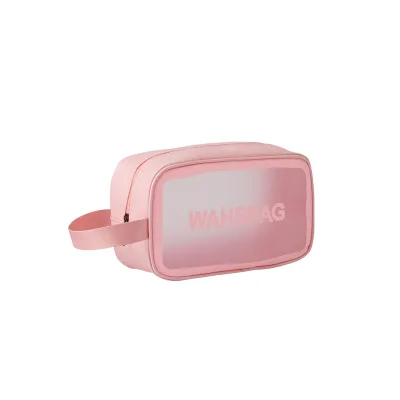


New Pattern Toiletry Bag Portable Multi Functional Travel Makeup Storage Bag
$1.42 - $1.45
MOQ: 200 Pieces


Custom Printed Large Waterproof Makeup Pouch Travel Cosmetic Toiletry Bag
$3.50 - $5.00
MOQ: 1000 Pieces


Comprehensive Sourcing Guide
Strategic Sourcing Guide for Waterproof Multi-Functional Toiletry Bags
Understanding Product Specifications and Material Composition
When sourcing a waterproof multi-functional toiletry bag, the primary objective is to identify products that balance durability with functional versatility. The market offers a diverse array of configurations, ranging from compact cube types to larger horizontal square designs. A critical observation in the current supply landscape is the variation in material composition. While polyester remains a dominant material choice due to its inherent resistance to moisture and ease of cleaning, cotton blends with nylon linings are also prevalent, offering a softer tactile experience while maintaining structural integrity. Buyers must recognize that "waterproof" is not a monolithic attribute; observed product data indicates a spectrum ranging from fully waterproof constructions to water-resistant variants. This distinction is vital for procurement strategies, as water-resistant items may suffice for general travel but fail under heavy rain or submersion scenarios common in camping or professional use.
The physical dimensions of these bags vary significantly based on intended capacity and portability. Specifications found in current listings include models measuring approximately 22 x 18.5 x 8.5 cm, while others extend to 25 x 13 x 21 cm or 24.5 x 15 x 7.5 cm. These dimensions directly influence the internal volume and the ability to accommodate various toiletry items. Furthermore, the hardness of the bag is a key differentiator; some products are designed with a "medium soft" feel to allow for flexible packing, whereas others prioritize a "soft" structure for lightweight travel. The shape of the bag, whether cube-type or horizontal square, dictates how it fits into luggage or backpacks. A cube type often maximizes vertical space, while a horizontal square design may offer better stability when placed on a flat surface.
Functional Features and Operational Versatility
The multi-functional aspect of these toiletry bags is defined by their opening mechanisms and organizational capabilities. Observed product attributes highlight distinct opening styles, including single-open and double-open configurations. A single-open design typically simplifies access, allowing users to quickly retrieve items with one hand, which is advantageous in time-sensitive environments like airport security or morning routines. Conversely, double-open features provide greater flexibility, potentially allowing the bag to be opened from multiple sides or laid completely flat for easier organization. The closure method is almost universally a zipper, which offers a secure seal to prevent spills from contaminating other luggage contents.
Customization plays a pivotal role in the functional utility of these bags for B2B buyers. Many suppliers offer options for custom logos and colors, enabling brands to align the product with their corporate identity or marketing campaigns. The printing capabilities observed include silk screen printing, foil bronzing, and heat transfer, each offering different aesthetic and durability outcomes. Additionally, the intended use extends beyond simple household storage; these bags are frequently marketed for professional use, camping, and general travel. This versatility suggests that the design must withstand varying environmental conditions, from the humidity of a bathroom to the ruggedness of outdoor camping. The "unisex" nature of the design ensures broad market appeal, making these items suitable for a wide demographic without gender-specific constraints.
Compliance, Certification, and Quality Verification
Navigating the compliance landscape for toiletry bags requires a nuanced approach, as the product category does not always mandate specific high-level certifications unless intended for medical or food-contact applications. However, buyers should be vigilant regarding material safety and manufacturing standards. While some background information mentions BSCI certification, this should be treated as a potential supplier attribute rather than a guaranteed product standard. Buyers must explicitly request proof of any social compliance certifications if their corporate policy mandates ethical manufacturing practices.
Quality verification begins with the material specifications. For polyester-based bags, the buyer should verify the denier count and the quality of the waterproof coating. For cotton and nylon blends, the stitching density and the integrity of the lining are critical. The observed data indicates that not all products labeled with similar names possess identical waterproof capabilities. Some listings explicitly state "Water Resistant," while others claim "Waterproof." This discrepancy necessitates a rigorous testing protocol before mass production. Buyers should request physical samples to conduct water exposure tests, simulating the conditions the product will face in the field. Additionally, the standard dimensions provided, such as 12 x 4.7 x 9 inches or 11 x 6 inches, should be verified against the actual product to ensure consistency in manufacturing tolerances.
Cost Drivers and Economic Considerations
The pricing of waterproof multi-functional toiletry bags is influenced by several factors, including material costs, customization complexity, and order volume. The observed price range in the market spans from $0.32 to $269, a variance that reflects the difference between basic, unbranded items and high-end, heavily customized professional kits. The minimum order quantity (MOQ) is another significant cost driver. Data indicates MOQs ranging from 100 pieces to 1,000 pieces. Lower MOQs, such as 100 units, often come with a higher per-unit cost but offer flexibility for startups or small businesses testing the market. Higher MOQs, like 1,000 units, typically unlock lower unit prices but require a larger capital outlay and inventory commitment.
Customization adds a layer of cost complexity. Options such as custom logos, specific colorways, and specialized printing techniques like foil bronzing will increase the unit price. The production process also involves packaging costs; standard packaging is often a single piece per poly bag or OPP bag, but custom packaging solutions will incur additional expenses. Buyers must balance the desire for premium features against the budget constraints. It is essential to calculate the total landed cost, including shipping, duties, and any potential tariffs, rather than focusing solely on the FOB price. The sample time, observed to be approximately five days after design confirmation, also impacts the timeline and potential rush fees if the project schedule is tight.
Supplier Evaluation and Operational Reliability
Selecting the right supplier requires a thorough evaluation of their capabilities beyond just the product catalog. The origin of the products is predominantly China, with specific mentions of Zhejiang as a manufacturing hub. This regional concentration suggests a mature supply chain with access to raw materials and specialized labor. However, buyers should not assume uniform quality across all suppliers in this region. Key evaluation criteria include the supplier's ability to handle OEM and ODM requests, their responsiveness to design changes, and their track record with similar product lines.
The observed data highlights that many suppliers offer "All Available" OEM and ODM services, indicating a high degree of flexibility. However, the ability to deliver on time is equally critical. While specific lead times are not universally standardized in the provided data, the sample time of about five days suggests a relatively agile production environment. Buyers should verify the supplier's capacity to scale production from sample to mass order without compromising quality. Communication channels, language proficiency, and the clarity of the quotation process are also vital indicators of a supplier's professionalism. A reliable supplier will provide detailed technical data sheets, clear photos of the actual product, and transparent information regarding their production standards.
Quality Control and Long-Term Procurement Strategy
Implementing a robust quality control (QC) strategy is essential to mitigate risks associated with mass production. Given the variation in waterproof claims, QC should include specific testing for water resistance and leakage. Inspectors should check the zipper functionality, ensuring it operates smoothly and seals tightly. The stitching should be examined for consistency, with no loose threads or weak points that could lead to premature failure. For bags with custom logos, color matching and print durability must be verified to ensure the branding remains intact after repeated use and cleaning.
Long-term procurement considerations involve building a sustainable relationship with suppliers. This includes negotiating favorable terms for repeat orders, establishing clear quality benchmarks, and creating a feedback loop for continuous improvement. Buyers should also consider the environmental impact of their sourcing decisions, particularly regarding the materials used. While polyester is durable, its recyclability is a concern; exploring suppliers who offer recycled polyester or eco-friendly alternatives could align with corporate sustainability goals. Furthermore, maintaining a diverse supplier base can reduce dependency risks and provide leverage in negotiations. By focusing on these strategic elements, buyers can ensure a steady supply of high-quality, multi-functional toiletry bags that meet their specific operational and market requirements.
Comparative Analysis of Product Attributes
To facilitate informed decision-making, the following table summarizes the key variations observed in the product attributes available in the current market. This comparison highlights the differences in specifications, materials, and functional features that buyers must consider when selecting a supplier.
| Attribute Category | Option A (Cube Type) | Option B (Horizontal Square) | Option C (Cotton/Nylon Blend) |
|---|---|---|---|
| Material | Polyester | Polyester | Cotton with Nylon Inside |
| Waterproof Status | Water Resistant / Waterproof | Waterproof | Not Waterproof |
| Hardness | Medium Soft | Soft | Soft |
| Opening Style | Single Open | Double Open | Single Open |
| Typical Dimensions | 22 x 18.5 x 8.5 cm | 24.5 x 15 x 7.5 cm | 11 x 6 inch / 7 x 4 inch |
| Customization | Logo, Color | Logo, Color | Logo, Color |
| MOQ Range | 100 - 1,000 PCS | 100 - 1,000 PCS | 100 - 1,000 PCS |
| Intended Use | Travel, Camping, Household | Travel, Professional | Travel, Household |
| Packing | 1 PC / Poly Bag | 1PC / OPP Bag | Each PCS / OPP |
This table illustrates that while the core function remains consistent, the specific attributes vary significantly. Buyers must align these attributes with their specific use cases. For instance, a buyer targeting outdoor camping enthusiasts might prioritize the "Waterproof" and "Double Open" features of Option B, whereas a buyer focusing on luxury travel might prefer the "Cotton/Nylon Blend" of Option C for its aesthetic appeal, despite the lack of waterproofing. Understanding these nuances is critical for successful procurement.
FAQs
Can I customize the logo and color on this toiletry bag?
Yes, customization is available for both logos and colors. Suppliers offer options such as silk screen printing, foil bronzing, and heat transfer to align the product with your brand identity.
What are the typical dimensions for these travel bags?
Dimensions vary by model, with common sizes including 22 x 18.5 x 8.5 cm and 24.5 x 15 x 7.5 cm. Larger options like 25 x 13 x 21 cm are also available for high-capacity needs.
Which materials are used to construct these toiletry bags?
Polyester is the dominant material choice, though some models use cotton with a nylon lining. These materials provide durability and varying levels of water resistance or waterproofing depending on the specific design.
How do the opening styles differ between product models?
Models feature either single-open or double-open configurations to suit different usage scenarios. A single-open design simplifies access, while a double-open style allows the bag to lay flat for organization.
What is the minimum order quantity for these bags?
The minimum order quantity ranges from 100 pieces to 1,000 pieces depending on the supplier and customization level. Lower MOQs offer flexibility for testing, while higher volumes typically unlock better pricing.
Are these bags suitable for camping and professional use?
Yes, the intended use covers household storage, professional applications, and camping or travel. The designs are unisex and built to withstand varying environmental conditions from bathrooms to outdoor settings.