Source Waterproof Multilayer Parquet Wood Floor for Household, Commercial, Outdoor
Explore 30 listings of Waterproof Multilayer Parquet Wood Floor featuring multi-layer construction and various surface treatments. Buyers can compare specifications including thickness, installation methods, and certifications like CE and ISO for household, commercial, and outdoor applications.
Key considerations
Products List


Popular High Gloss Waterproof Timber Laminate Wood Floor Parquet Floor
$3.52 - $7.56
MOQ: 300 Square Meters


European Oak Engineered Scratch Resistant Multilayer Hardwood Wood Parquet Flooring
$3.60 - $4.70
MOQ: 100 Square Meters

$6.60 - $7.20
MOQ: 1000 Square Meters

Hot Selling Oak Wood Parquet Laminate Floor Engineered Flooring Price in China
$4.70 - $5.80
MOQ: 100 Square Meters

Waterproof V-Groove Moisture-Proof Composite Engineered Wooden Oak Grain Laminate Flooring
$15.89 - $20.25
MOQ: 100 Square Meters

Waterproof Laminate Flooring for Wet Areas - China Manufacturer Direct Supply
$5.90 - $6.60
MOQ: 1000 Square Meters

Insulation Parquet Engineered Wood Lamination Flooring for Office
$2.34 - $3.56
MOQ: 100 Square Meters
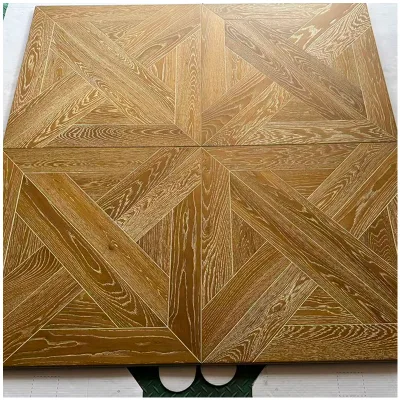

High-Quality Anti-Scratch Parquet Oak Engineered Wood Flooring Parquet Floor Oak Flooring
$2.55 - $2.77
MOQ: 1000 Square Feet


Parquet Wood Laminate Wood Flooring High Pressure Laminate Floor Laminated Flooring
$1.90 - $4.50
MOQ: 2000 Square Meters


Special Offer Scratch Resistant Multilayer Oak Engineered / Solid Wood Parquet Flooring
$25.00 - $28.00
MOQ: 500 Square Meters


Laminate Flooring Parquet Waterproof Laminated Wood Flooring 8mm 12mm
$2.60 - $6.00
MOQ: 300 Square Meters

Glossy White Laminate Flooring Parquet Waterproof Laminate Flooring
$3.80 - $6.50
MOQ: 2000 Square Meters

China Factory Wooden Color Parquet Flooring Waterproof Laminate Flooring with Hot Sale
$3.50 - $5.98
MOQ: 2000 Square Meters


12mm V Groove Water Resistant Parquet Laminate Flooring Laminated Floor
$5.20 - $5.40
MOQ: 2800 Square Meters
Comprehensive Sourcing Guide
Strategic Sourcing Guide for Waterproof Multilayer Parquet Wood Floors
Understanding the Technical Architecture of Multilayer Parquet Systems
When sourcing waterproof multilayer parquet wood floors, buyers must first distinguish between traditional solid wood and engineered constructions designed for high-moisture environments. The core product category identified in current market data is the "Cosyhouse Multilayer Engineered Flooring," which utilizes a multi-layer construction to ensure dimensional stability. Unlike single-piece solid timber, these systems are composed of multiple plies, often described as "Multi-Ply Parquet," where a top wear layer of real wood species is bonded to a stable core. The observed wood species for these high-performance units include European White Oak and American Black Walnut, providing a premium aesthetic finish while maintaining structural integrity.
The physical specifications of these floors vary significantly based on the intended application. Market listings indicate a thickness range that includes specific units at 15mm and broader ranges spanning 7mm to 12mm. The standard dimension for many of these parquet units is observed at 60060015mm, though customization is frequently available to meet specific project requirements. The surface treatment plays a critical role in both aesthetics and performance. Buyers should expect to encounter finishes such as UV Laquering, which provides a durable protective coating, alongside textural options like Brushed, Embossed, or Handscraped finishes. Some variants offer a High Gloss surface finish, while others prioritize a more natural, matte appearance. The pattern classification is distinct, with "Parquet" being a primary design motif, often complemented by "Wood Grain" textures that mimic the organic look of natural timber.
Compliance Verification and Certification Standards
In the B2B procurement of flooring materials, verifying compliance with international standards is non-negotiable. The supplied product data confirms that reputable manufacturers in this sector typically hold CE certification, which is a mandatory requirement for products entering the European Economic Area. Furthermore, the presence of ISO certifications is a strong indicator of quality management systems. Specifically, the data highlights ISO9001 for quality assurance and ISO14001 for environmental management. Some listings also reference ISO classification for laminate flooring, suggesting that the product line may encompass both engineered wood and high-density fiberboard variants that meet specific industry benchmarks.
Environmental safety is another critical compliance pillar. Buyers must verify that the products meet strict environmental standards, such as the E-function classification, which often relates to formaldehyde emission limits. The data explicitly mentions "Phthalate-Free" status, a crucial detail for indoor air quality and compliance with health regulations in sensitive environments like schools and hospitals. Additionally, the "Environmental Protection Grade" is a specific attribute that buyers should request documentation for, ensuring the adhesive and resin systems used in the multilayer construction do not release harmful volatile organic compounds (VOCs). While FSC certification is noted in background knowledge, buyers should treat it as a potential attribute to verify rather than a guaranteed standard for every SKU, as it is not explicitly confirmed in the high-confidence product facts.
Cost Drivers and Procurement Economics
The pricing structure for waterproof multilayer parquet floors is influenced by several variable factors, including wood species, thickness, and surface treatment complexity. The observed price range in the current market spans from $1.10 to $44.76 USD per unit. This wide disparity indicates that the lowest price points likely correspond to thinner profiles (7mm-12mm) or basic species, while the higher end of the spectrum reflects premium 15mm units featuring American Black Walnut or specialized high-gloss finishes. Buyers should be aware that the "Customization" attribute is a significant cost driver; orders requiring specific dimensions, custom patterns, or unique surface treatments will incur higher unit costs compared to standard stock items.
Minimum Order Quantity (MOQ) is another critical economic factor. The observed MOQ range is substantial, varying from 2 units to 3,000 units. This suggests that the market is heavily skewed toward bulk B2B transactions rather than small-scale retail purchases. For a buyer planning a large commercial project, the lower end of the MOQ spectrum (2 units) might represent a sample or trial order, whereas the upper limit (3,000 units) reflects the standard production batch size for full-scale installations. The packaging method, typically utilizing pallets for "International Standard Packaging," also impacts logistics costs. Buyers must calculate the total landed cost, including freight, by considering the density of the palletized units and the origin location, which is confirmed as China for the majority of these listings.
Application Scenarios and Performance Requirements
The versatility of waterproof multilayer parquet flooring allows it to be deployed across a diverse range of venues. The data explicitly categorizes the usage for "Household," "Commercial," and "Outdoor" settings. This broad applicability is supported by a robust set of functional attributes. The primary selling point is the "100% Waterproof" performance, with specific claims of "No Surface Penetration," making these floors suitable for areas prone to moisture exposure, such as kitchens, bathrooms, and ground-floor commercial spaces. The "Expansion Rate of Water Absorption" is observed to be less than 2.5%, a critical metric for ensuring the floor does not warp or buckle in humid conditions.
Beyond water resistance, the functional profile includes "Anti-Static," "Soundproof," and "Thermal Insulation" capabilities. These features are particularly valuable in commercial environments like offices, hotels, and retail stores where noise control and comfort are paramount. The "Anti-Slip Rating" is specified as R10 according to the EU Standard, providing a baseline for safety in wet or high-traffic areas. For projects requiring higher safety standards, buyers should verify if the specific product batch meets the R11 or R12 ratings, as the R10 rating is the minimum observed in the data. The "Fire Resistance Rating" is listed as Class B1, indicating a degree of flame retardancy that meets many international building codes for interior finishes. The "Shock Absorption Performance" is noted to have an energy rebound rate of ≥55%, which is beneficial for applications where comfort underfoot is a priority, such as in gyms or play areas.
Supplier Evaluation and Quality Control Protocols
Evaluating a supplier for multilayer parquet flooring requires a rigorous assessment of their manufacturing capabilities and quality control processes. The "Grade" of the material is a critical indicator of quality, with observed classifications ranging from "Ab" to "Abcd" and "CD." Buyers must request detailed definitions of these grades to understand the proportion of clear wood versus knotted or defective sections in the top veneer. A higher grade (e.g., Abcd) typically implies a more consistent and premium appearance, while lower grades may be suitable for high-traffic areas where visual perfection is less critical than durability.
The installation method is another key area for supplier verification. The data indicates both "Floating" and "Lock Installation" methods are available. The "Lock Installation" system is particularly advantageous for large commercial projects as it allows for rapid deployment and potential disassembly. Buyers should request samples to test the locking mechanism's tightness and the ease of installation. Furthermore, the "Maintenance Method" is specified as "Easy to Clean with Neutral Detergent," a feature that reduces long-term operational costs. Suppliers should provide clear maintenance guidelines and demonstrate the durability of the "UV Laquering" or other surface treatments against abrasion and chemical cleaning agents.
Long-Term Procurement and Lifecycle Management
Sourcing waterproof multilayer parquet flooring is not merely a transactional purchase but a strategic decision impacting the lifecycle of a building. The "Custom Service" attribute highlights that over 1,000 designs are optional for floor decoration, offering buyers the flexibility to align flooring with specific brand identities or architectural themes. However, this customization capability requires careful long-term planning. Buyers must ensure that the supplier can maintain consistent production of custom designs over the life of the project, including potential future repairs or expansions.
The "Sample" availability is a vital component of the procurement process. Before committing to a large order, buyers should utilize the sample program to verify the "Waterproof Performance" and "Fire Resistance Rating" in real-world conditions. The "Installation" attribute also notes "Artificial" installation methods, which may refer to specific underlayment or adhesive requirements that differ from traditional nail-down methods. Buyers should confirm the compatibility of the flooring with various subfloors and underlayments to prevent future failures. Finally, the "Product Name" and "Prod Model" (e.g., PW-01) serve as unique identifiers for tracking and reordering. Maintaining a clear record of these model numbers and the associated certifications (CE, ISO) ensures that replacement orders match the original specifications, preserving the aesthetic and functional consistency of the installed floor.
Comparative Analysis of Key Product Attributes
To facilitate decision-making, the following table summarizes the critical attributes observed in the current market for waterproof multilayer parquet flooring. This comparison highlights the variance in specifications that buyers must navigate when selecting a supplier.
| Attribute Category | Specific Observation | Relevance to Procurement |
|---|---|---|
| Construction | Multi Layers, Multi-Ply Parquet | Ensures dimensional stability and moisture resistance. |
| Dimensions | 7mm-12mm, 15mm; 60060015mm | Determines suitability for specific subfloors and room heights. |
| Surface Finish | UV Laquering, High Gloss, Brushed, Embossed | Affects aesthetics, slip resistance, and maintenance requirements. |
| Wood Species | European White Oak, American Black Walnut | Drives cost and aesthetic value; verify authenticity. |
| Certifications | CE, ISO9001, ISO14001, ISO | Mandatory for market access and quality assurance. |
| Performance | 100% Waterproof, Class B1 Fire, R10 Anti-Slip | Critical for safety compliance and durability in wet areas. |
| Installation | Floating, Lock Installation | Impacts labor costs and installation speed. |
| Environmental | Phthalate-Free, E-Function, <2.5% Water Absorption | Essential for indoor air quality and health compliance. |
| MOQ | 2 - 3,000 Units | Defines the minimum financial commitment required. |
| Origin | China | Influences lead times, shipping costs, and trade tariffs. |
By systematically analyzing these attributes against project requirements, buyers can mitigate risks associated with product failure, non-compliance, and cost overruns. The availability of customization and the robust range of certifications suggest a mature market, but the wide price and MOQ ranges necessitate careful negotiation and specification alignment to ensure the selected product delivers the intended performance and value.
FAQs
What certifications do waterproof multilayer parquet wood floors have?
These floors typically hold CE certification and ISO9001 for quality management. Many products also include ISO14001 for environmental standards and are classified as laminate flooring to meet international benchmarks.
Which wood species are used in these multilayer parquet systems?
The primary wood species observed include European White Oak and American Black Walnut. These materials provide a premium aesthetic finish while maintaining the structural integrity required for high-performance flooring applications.
How thick are the available Waterproof Multilayer Parquet Wood Floor options?
Available thicknesses range from 7mm to 12mm, with specific units reaching 15mm. Standard dimensions often include 600 by 600 by 15mm, though customization is frequently available to meet specific project requirements.
Can these floors be installed using a floating method?
Yes, installation methods include floating systems and lock installation mechanisms. These methods allow for rapid deployment in large commercial projects and ensure the floor can be disassembled if necessary for future maintenance.
What is the minimum order quantity for these engineered flooring products?
The minimum order quantity ranges from 2 units to 3,000 units depending on the supplier. This wide variation suggests that lower quantities may represent sample orders while higher quantities reflect standard production batches.
Which surface treatments are available for these waterproof parquet floors?
Surface treatments include UV laquering, brushed, embossed, handscraped, and high gloss finishes. These options allow buyers to select between durable protective coatings and various textural appearances to match specific design themes.