Source Waterproof Night View Rearview Camera for Cars Trucks
Find 24 Waterproof Night View Rearview Camera options for cars, trucks, and agricultural vehicles. Compare models with CCD or CMOS chips, IP68 ratings, and various interface types to select the right unit for your fleet needs.
Key considerations
Products List


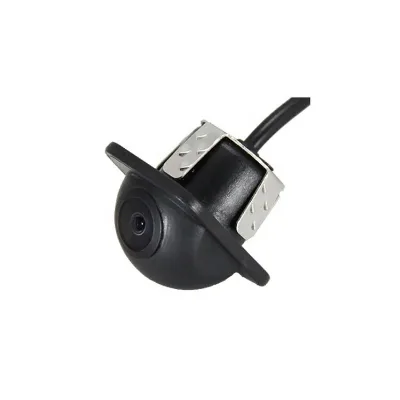
Auto Night Vision Reversing Parking Waterproof HD Video Camera Car Rear View Camera
$15.00 - $18.00
MOQ: 10 Pieces
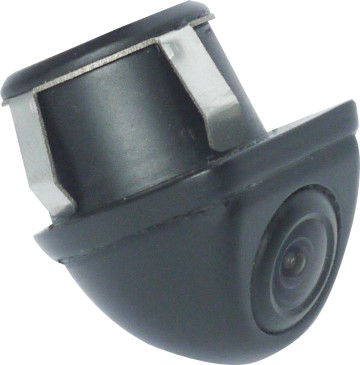
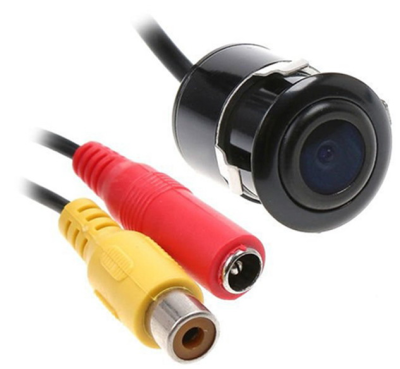


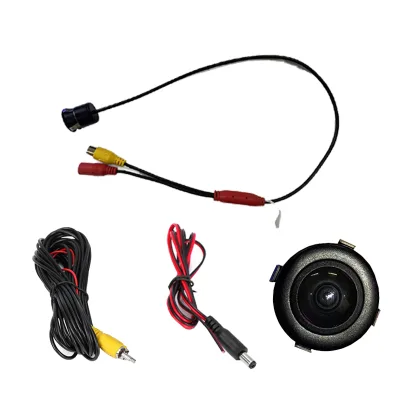
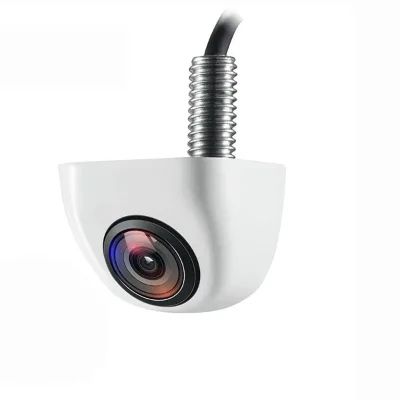


Comprehensive Sourcing Guide
Waterproof Night View Rearview Camera Sourcing Guide
Sourcing waterproof night view rearview cameras requires a disciplined approach to technical verification and supplier qualification, particularly when deploying these devices across diverse vehicle fleets. These cameras are engineered to provide critical visibility in low-light conditions while withstanding harsh environmental factors such as water ingress, dust, and physical shock. Buyers must navigate a market where specifications vary significantly between models, ranging from basic CCD sensors to advanced CMOS chips with optional AI pedestrian detection. The procurement process demands careful attention to interface compatibility, housing materials, and operational voltage ranges to ensure seamless integration with existing vehicle electrical systems and display units.
This guide outlines the essential steps for evaluating suppliers, verifying technical claims, and establishing robust commercial terms. By focusing on observable listing signals and concrete technical parameters, procurement teams can mitigate the risk of receiving non-compliant or underperforming hardware. The following sections provide a structured framework for assessing product scope, technical specifications, compliance documentation, cost drivers, supplier qualifications, and long-term maintenance checks. Adhering to this framework ensures that sourced cameras meet the rigorous demands of automotive, agricultural, and industrial applications without relying on unverified marketing claims.
Product Scope and Observed Listing Signals
The product scope for waterproof night view rearview cameras encompasses a wide array of vehicle types, including cars, SUVs, trucks, RVs, forklifts, agricultural machinery, and engineering vehicles. Listings often highlight specific models such as the MS-770, MS-750, MS-780, MS-756, MS-755, MS-311, CL-906, and SL-R1, each tailored to different operational needs. For instance, some models are designed with a 3.25-inch display footprint, while others are compact probes with specific diameter requirements like 18.8mm. Buyers should observe that applicable models vary by listing, with some explicitly including harvesters and corn machines, indicating a strong focus on heavy-duty and agricultural sectors.
Observed listing signals reveal significant variation in packaging and origin, with products originating from China and packed in cartons, gift boxes, or neutral paper boxes. The price range observed in listings spans from $1.12 to $57, reflecting differences in sensor quality, housing materials, and included accessories. Minimum Order Quantities (MOQ) also vary widely, from as low as 1 unit to 1000 units, allowing for both sample testing and bulk procurement. Buyers must carefully cross-reference these signals with their specific requirements, noting that a low MOQ might indicate a supplier willing to accommodate small batch orders, while a high MOQ could suggest economies of scale for larger fleet deployments.
Technical Specifications to Verify
Technical verification begins with the image sensor and display type, as these components directly impact visibility and integration. Buyers should confirm whether the camera uses a CCD or CMOS chip, as this affects image quality, power consumption, and cost. Display types vary from units without screens to those with reverse image capabilities or integrated gauges. For example, some models feature a 3.25-inch display with specific dimensions, while others are probe-only units requiring an external monitor. It is crucial to verify the interface type, such as Air Plug or RCA, to ensure compatibility with the vehicle’s existing wiring harness and display system.
Environmental resilience and operational parameters are equally critical for long-term reliability. Buyers must verify the waterproof grade, with IP68 being a common standard for high-end models, ensuring protection against submersion and dust ingress. The alarming distance, which indicates the effective detection range, typically ranges from 0.2m to 2.5m depending on the model. Additionally, the working temperature range, often specified as -20°C to +70°C, must be checked to ensure performance in extreme climates. Voltage input requirements, usually DC12V or 12-24V, must match the vehicle’s electrical system, and buyers should confirm if optional features like AHD signal output or AI pedestrian detection are available for specific models.
Compliance and Safety Documentation
Compliance and safety documentation are essential for ensuring that sourced cameras meet regulatory standards and do not pose risks to vehicle operation or personnel. Buyers should request evidence of relevant certifications, such as CE, which indicates conformity with health, safety, and environmental protection standards for products sold within the European Economic Area. While certification status may not always be explicitly listed in initial inquiries, it is a critical requirement for many markets and should be verified before placing large orders. Suppliers should be able to provide test reports or certificates from accredited laboratories to substantiate their claims.
In addition to formal certifications, buyers should verify that the product packaging and labeling comply with local regulations, including language requirements and safety warnings. The use of standard packaging materials, such as cartons or gift boxes, should be confirmed to ensure that products are protected during transit and storage. Buyers should also inquire about the supplier’s quality management systems, such as ISO 9001, which indicates a structured approach to quality control and continuous improvement. These documents provide assurance that the supplier adheres to consistent manufacturing practices and can deliver products that meet specified standards.
Cost Drivers and Commercial Terms
Cost drivers for waterproof night view rearview cameras include the type of sensor, housing material, and additional features such as AI detection or specific display sizes. Models with CMOS chips and advanced features like pedestrian detection typically command higher prices than those with basic CCD sensors and no screen. The shell material, whether alloy or aluminum, also influences cost, with more durable materials often resulting in higher unit prices. Buyers should analyze the price range of $1.12 to $57 to understand the value proposition of different models, considering that lower prices may correlate with reduced features or shorter warranties.
Commercial terms, including MOQ and lead times, significantly impact procurement strategy and cash flow. Suppliers offering low MOQs of 1 unit provide flexibility for testing and small-scale deployments, while those requiring 1000 units may offer better pricing for bulk orders. Buyers should negotiate clear terms regarding payment methods, shipping responsibilities, and return policies. It is advisable to establish a trial order to assess product quality and supplier responsiveness before committing to larger volumes. Additionally, buyers should clarify any customization options, such as branding or specific cable lengths, and understand how these affect the final cost and delivery schedule.
Supplier Qualification and Quality Control
Supplier qualification involves assessing the manufacturer’s production capabilities, quality control processes, and track record. Buyers should verify the supplier’s origin, with many products originating from China, and inquire about their manufacturing facilities and capacity. It is important to confirm that the supplier has experience in producing automotive-grade cameras and can provide references or case studies from previous clients. Buyers should also evaluate the supplier’s ability to handle customization requests, such as specific interface types or housing materials, and their responsiveness to technical inquiries.
Quality control measures should be clearly defined and agreed upon before production begins. Buyers should request information on the supplier’s inspection processes, including incoming material checks, in-process inspections, and final product testing. It is advisable to specify acceptance criteria for key parameters such as waterproof grade, image quality, and electrical performance. Buyers may also consider conducting third-party inspections or audits to verify the supplier’s quality management systems. Establishing a clear communication channel for addressing defects or non-conformities is essential for maintaining product quality and supplier accountability.
Long-Term Procurement Checks
Long-term procurement checks focus on ensuring sustained product quality, supplier reliability, and cost-effectiveness over time. Buyers should establish a regular review process to monitor supplier performance, including on-time delivery rates, defect rates, and responsiveness to issues. It is important to track changes in product specifications or packaging that may impact compatibility or performance. Buyers should also stay informed about technological advancements in camera technology, such as improvements in sensor sensitivity or new interface standards, to ensure that sourced products remain competitive and relevant.
Additionally, buyers should maintain a robust inventory management system to track stock levels and reorder points, minimizing the risk of stockouts or excess inventory. Regular communication with suppliers can help identify potential supply chain disruptions or price fluctuations early, allowing for proactive mitigation strategies. Buyers should also consider the total cost of ownership, including maintenance, warranty claims, and potential replacement costs, when evaluating long-term procurement decisions. By maintaining a strategic approach to supplier management and product evaluation, buyers can ensure a reliable supply of high-quality waterproof night view rearview cameras for their operations.
FAQs
What functions do these rearview cameras offer?
These cameras provide night vision, waterproofing, dustproofing, and shockproofing capabilities. Some models also include a gauge display and reverse image functionality to assist drivers in low-light conditions and various weather environments.
Which vehicle types are compatible with these cameras?
The cameras are designed for cars, SUVs, trucks, RVs, forklifts, and agricultural machinery like harvesters. They also fit engineering vehicles and sightseeing cars, ensuring broad applicability across different transport and industrial sectors.
Can I customize the product specifications for my order?
Yes, customization is available for these rearview cameras. Buyers can request specific adjustments to meet their unique operational needs while maintaining the core features like IP68 waterproofing and night vision performance for reliable use.
What is the waterproof rating of the camera shell?
The camera shell features an IP68 waterproof grade, ensuring it is fully protected against dust and immersion in water. This high standard allows the device to operate reliably in harsh outdoor conditions without damage.
How does the night vision capability work on these units?
The units utilize CCD or CMOS chips to capture clear images in low-light environments. This technology enables effective night vision, allowing drivers to see obstacles and surroundings clearly even during darkness or poor visibility.
What voltage input do these cameras require to operate?
These cameras typically operate on a DC12V input with a tolerance of plus or minus 10 percent. Some models also support a 12V to 24V input range, making them suitable for various vehicle electrical systems.
What is the viewing angle range for these cameras?
The viewing angle ranges from 100 to 170 degrees, providing a wide field of view for the driver. This broad angle helps eliminate blind spots and ensures comprehensive coverage of the area behind the vehicle.