Source Waterproof Polyester Bike Panniers for Camping, Traveling, and Sports
Explore 30 listings of Waterproof Polyester Bike Panniers suitable for cycling, camping, and daily travel. Buyers can compare models like DK23-BB099 and DK21-BP122113 based on capacity, material, and customization options to find the right gear for outdoor adventures.
Key considerations
Products List


Waterproof Canvas Bicycle Bike Rear Seat Carrier Bag Cycling Double Panniers Bag
$15.99 - $20.99
MOQ: 500 Pieces


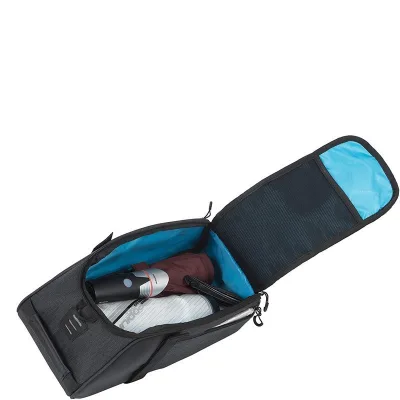
Polyester Waterproof Cycling Storage Bag Cheap Price Bicycle Bags Outdoor Riding Backseat Panniers
$6.69 - $7.56
MOQ: 50 pieces


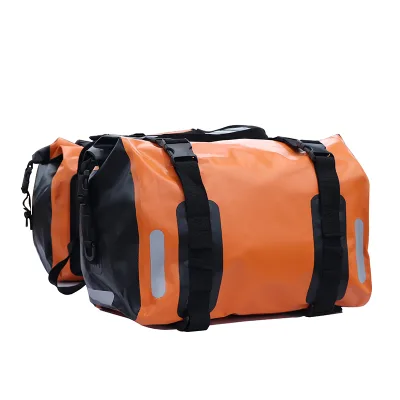


Large Capacity Bike Rack Bag Waterproof Cycling Pannier for Outdoor Travel
$24.62 - $27.08
MOQ: 100 Pieces


Comprehensive Sourcing Guide
Strategic Sourcing Guide for Waterproof Polyester Bike Panniers
Understanding Product Attributes and Material Specifications
When sourcing Waterproof Polyester Bike Panniers, the primary objective is to identify products that balance durability, weather resistance, and structural integrity for outdoor cycling applications. The core material, polyester, is a dominant choice in this category due to its high tensile strength and resistance to abrasion. In the current market landscape, polyester is frequently treated or laminated to achieve the necessary waterproof properties required for cycling in variable weather conditions. Buyers must verify that the material specification explicitly states "Waterproof" as a functional attribute, rather than relying solely on the base fabric type.
The product attributes observed in the supply chain indicate a strong focus on "Simplicity" in style, which often correlates with streamlined designs that minimize snag points and maximize aerodynamic efficiency. However, aesthetic variations exist, with some models featuring "Crocodile Grain" or "Stitching Bag" elements to enhance visual appeal without compromising the bag's structural function. The color palette is diverse, with "Black" and "Red" being prominent options, though availability may vary by specific model.
Capacity is a critical differentiator. The market offers "Medium" capacity options, which are generally suitable for day trips or short commutes, carrying essentials like tools, rain gear, and hydration. Specific dimensions observed in the supply chain include configurations such as 362018cm and 403330cm, as well as imperial measurements like 17.32 x 13.78 x 9.84 inches. Buyers should cross-reference these dimensions against their bicycle frame geometry and handlebar clearance to ensure a proper fit. The "Bearing Capacity" for these units is typically rated above 10 kg, ensuring they can support the weight of standard cycling gear without structural failure.
Technical Standards and Functional Performance
The technical performance of bike panniers is defined by a combination of material properties, construction standards, and functional certifications. A key functional attribute to verify is the "Waterproof" claim. While many products list this feature, the degree of waterproofing can vary significantly. Buyers should look for products that specify a "Hardness" rating, such as "Soft," which indicates flexibility and ease of packing, or rigid structures that maintain shape under load.
Standardization in the industry often revolves around specific model numbers and dimensional consistency. For instance, models like DK23-BB099 and DK21-BP122113 adhere to specific dimensional standards, such as 362018cm or 403330cm. These standards ensure that the panniers fit standard mounting systems. It is crucial to note that some suppliers offer "Customized" standards, allowing for bespoke dimensions to meet unique frame requirements. When evaluating technical specifications, the "prod_standard" field often contains the physical dimensions, which must be compared against the "Size" attribute to ensure alignment.
The "Function" attribute is paramount for outdoor cycling. Products must be designed to withstand the rigors of "Sports, Camping & Traveling, and Bicycle Bag" usage. This implies a need for robust zippers, reinforced stitching, and secure mounting mechanisms. The "Gross Weight" of these bags typically ranges from 1-1.5 kg, a factor that influences the overall weight of the bicycle and the rider's endurance. Additionally, the "Suite Quantity" is usually "One," meaning the product is sold as a single unit or a pair depending on the listing, which affects the total cost calculation.
Cost Drivers and Pricing Dynamics
The pricing of Waterproof Polyester Bike Panniers is influenced by several variables, including material quality, customization options, and order volume. The observed price range in the market spans from $0.70 to $27.08 USD. This wide disparity suggests a segmentation between basic, mass-produced models and premium, feature-rich units. The lower end of the spectrum likely represents entry-level products with standard polyester construction and minimal customization, while the higher end may include advanced waterproofing technologies, reinforced stitching, and custom branding.
Minimum Order Quantity (MOQ) is a significant cost driver. The observed MOQ range is between 50 and 2000 units. Suppliers with lower MOQs, such as 50 or 500 PCS/Color, offer flexibility for smaller buyers or those testing the market, but often carry a higher unit cost. Conversely, larger orders can leverage economies of scale to reduce the per-unit price. The "Payment Term" of T/T (Telegraphic Transfer) is standard in this sector, requiring buyers to manage cash flow carefully, especially when dealing with larger production runs.
Customization is a major factor in cost escalation. The "Customization" attribute is widely available, allowing buyers to add logos, specific colors, or unique dimensions. However, this process often incurs additional setup fees and may extend the lead time. The "Sample Time" of 7-10 days and "Sample Lead Time" of 8-12 days are critical for budgeting, as they represent the initial investment before mass production begins. Buyers must factor in the cost of samples, which may be charged separately, into their overall procurement budget.
Supplier Evaluation and Operational Capabilities
Evaluating suppliers requires a deep dive into their operational capabilities, particularly regarding production capacity and logistics. The "prod_origin" is consistently listed as "China," indicating a centralized manufacturing hub. This concentration offers access to a vast supply chain but necessitates rigorous vetting to ensure quality consistency. Buyers should assess the supplier's ability to handle "Customized" orders, as this is a common requirement for B2B buyers looking to differentiate their product lines.
The "Lead Time" is a critical metric for supply chain planning. The observed lead time for production ranges from 45 to 60 days. This duration includes the time required for material sourcing, manufacturing, quality control, and packaging. Buyers must align their inventory planning with these timelines to avoid stockouts. The "Sample Lead Time" of 8-12 days provides a window for product validation before committing to a full production run.
Packaging standards are another area of evaluation. The "prod_packing" attribute varies, with options ranging from "One Bag in One Polybag" to "CTN" (Carton). The choice of packaging affects shipping costs and product protection. For international shipments, carton packaging is often preferred for better stackability and protection against moisture during transit. Buyers should verify that the packaging meets the specific requirements of their destination markets, particularly regarding sustainability and labeling regulations.
Quality Control and Compliance Verification
Quality control is essential to ensure that the Waterproof Polyester Bike Panniers meet the expected performance standards. Buyers should implement a multi-stage quality assurance process, starting with sample verification. The "Sample Time" of 7-10 days allows for a thorough inspection of the product's construction, including the integrity of the stitching, the effectiveness of the waterproofing, and the durability of the zippers.
Compliance checks should focus on the "prod_standard" and "Material" specifications. While the supplied data does not list specific third-party certifications, buyers should request documentation to verify that the polyester material meets relevant safety and environmental standards. The "Waterproof" function should be tested under simulated cycling conditions to ensure it holds up against rain and splashes. The "Bearing Capacity" of >10 kg should be verified through load testing to prevent failure during use.
The "Gross Weight" of 1-1.5 kg is a standard metric that should be consistent across batches. Variations in weight could indicate inconsistencies in material density or construction quality. Buyers should also verify the "Hardness" and "Style" attributes to ensure the product matches the design specifications. For products with "Crocodile Grain" or "Stitching Bag" elements, visual inspection is crucial to ensure these features are applied correctly and do not compromise the bag's functionality.
Long-Term Procurement and Market Considerations
Long-term procurement strategies for Waterproof Polyester Bike Panniers should focus on building sustainable relationships with suppliers and ensuring product consistency. The "Usage" attributes, including "Camping & Traveling," "Sports," and "Student" applications, indicate a broad market appeal. Buyers should consider the versatility of the product to maximize its market potential. The "Gender" attribute is listed as "Unisex," which expands the target audience and reduces the need for gender-specific inventory.
The "Fashion Element" of "Crocodile Grain" and "Stitching Bag" suggests that aesthetic trends play a role in product selection. Buyers should stay informed about fashion trends in the cycling industry to ensure their product offerings remain relevant. The "Season" attribute is listed as "All," indicating that these products are suitable for year-round use, which is a significant advantage for inventory planning.
Customization remains a key differentiator in the long term. The ability to add "Customized" logos and adjust dimensions allows buyers to create unique product lines that stand out in a competitive market. However, this requires careful management of the "Lead Time" and "Sample Lead Time" to ensure that customization does not delay product launches. The "Payment Term" of T/T should be negotiated to balance risk and cash flow, especially for repeat orders.
In conclusion, sourcing Waterproof Polyester Bike Panniers requires a balanced approach that considers technical specifications, cost drivers, supplier capabilities, and quality control. By leveraging the observed data and adhering to rigorous evaluation standards, buyers can secure high-quality products that meet the demands of the outdoor cycling market. The wide range of options, from basic models to customized solutions, offers ample opportunity for strategic procurement that aligns with specific business goals and customer needs.
FAQs
What customization options are available for these bags?
Customization is available for logos, colors, and dimensions to meet specific buyer needs. Suppliers offer customized standards and logo printing, allowing for unique product lines while maintaining the core polyester construction and waterproof function required for outdoor cycling.
Which capacity sizes are offered for these bike panniers?
Medium capacity is the standard offering, suitable for carrying tools and rain gear. Specific dimensions like 36*20*18cm or 40*33*30cm are observed, ensuring they fit standard mounting systems while supporting a bearing capacity of over 10 kg for typical cycling loads.
Can buyers order samples before placing a bulk order?
Yes, sample lead times range from 7 to 12 days depending on the specific model requirements. This allows buyers to verify the waterproof function, stitching quality, and material durability before committing to the main production run which typically takes 45 to 60 days.
What is the typical minimum order quantity for these products?
The minimum order quantity ranges from 50 to 2000 units, with some specific models requiring 500 pieces per color. Lower MOQs offer flexibility for testing the market, while larger orders leverage economies of scale to reduce the per-unit cost significantly.
How are these bags packaged for international shipping?
Packaging options include one bag in one polybag or carton packaging depending on the supplier. Carton packaging is often preferred for international shipments to ensure better stackability and protection against moisture during transit, aligning with the standard shipping requirements for this product category.
Which payment terms are standard for these transactions?
The standard payment term is T/T, or Telegraphic Transfer, which is common in this manufacturing sector. Buyers must manage cash flow carefully, especially when dealing with larger production runs, as this method requires upfront or milestone-based payments before shipment.