Source Waterproof Pocket Size Camping Blanket for Beach, Picnic, and Outdoor Use
Find 30 verified suppliers offering a Waterproof Pocket Size Camping Blanket suitable for beach outings, garden picnics, and outdoor activities. Compare materials like polyester and Oxford, check customization options, and review MOQs ranging from 100 to 3000 pieces for your sourcing needs.
Key considerations
Products List


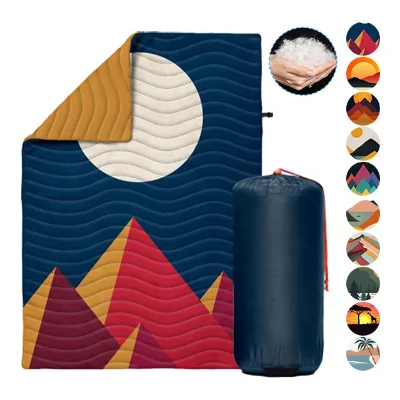
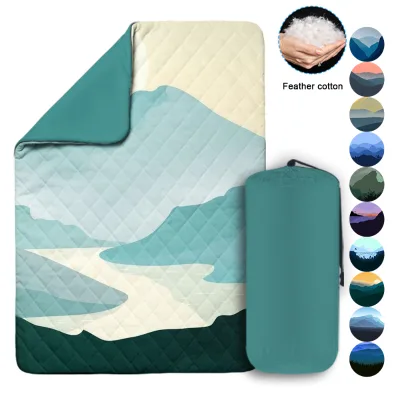
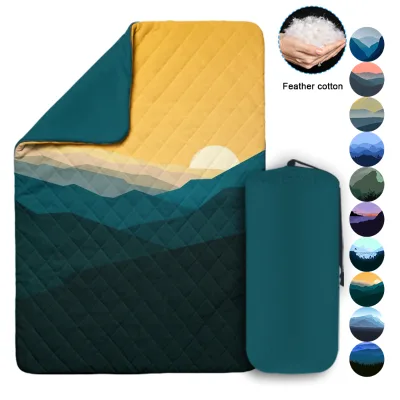


![Camping Blanket, Picnic Mat, Puffy Blanket, Promotional Gift, Beach Rug. C]](https://image.made-in-china.com/221f0j00lNyqOPzWlIgZ/Camping-Blanket-Picnic-Mat-Puffy-Blanket-Promotional-Gift-Beach-Rug-C-.webp)


Picnic Blanket Waterproof Pocket Beach Mat Foldable Outdoor Camping Mat
$1.50 - $3.00
MOQ: 3000 Pieces
Comprehensive Sourcing Guide
Waterproof Pocket Size Camping Blanket Sourcing Guide
Procuring a waterproof pocket-size camping blanket requires balancing portability with robust weather protection for outdoor enthusiasts. Buyers must prioritize materials that repel moisture while maintaining a compact form factor suitable for backpacking or beach picnics. The observed market data indicates a strong presence of Oxford and polyester fabrics, which are commonly engineered to provide the necessary water resistance without adding excessive weight to the user's gear.
When evaluating listings, attention should be paid to specific design features like foldable structures and integrated carrying cases that define the "pocket size" category. Sourcing teams should verify that the product dimensions align with the intended use, whether for sandbeach activities or general outdoor camping, ensuring the blanket offers sufficient coverage while remaining easy to pack. The availability of customization options for logos and packaging allows brands to tailor these essential items to their specific market positioning.
Product Scope and Observed Listing Signals
The current market landscape for waterproof camping blankets reveals a diverse range of styles, from simple woven designs to more complex padded options suitable for winter use. Listings frequently highlight features such as eco-friendly materials and waterproof coatings, catering to consumers who value both sustainability and performance in their outdoor gear. The observed product models, such as TB01 and BB-01M, demonstrate that manufacturers offer variations in size and material composition to meet different consumer needs.
Buyers should note that while some products are designed specifically for beach picnics, others are optimized for colder conditions with down padding. The variety in observed sizes, ranging from compact dimensions to larger 195*200cm options, suggests that a single SKU may not satisfy all procurement requirements. It is critical to distinguish between standard leisure blankets and those engineered for specific high-performance outdoor activities to ensure the selected product matches the intended application.
Technical Specifications to Verify
Technical due diligence must focus on the material composition and dimensional accuracy of the waterproof camping blanket. Buyers should confirm whether the fabric is made from Oxford or polyester, as these materials dictate the level of water resistance and durability. The observed specifications indicate that sizes can vary significantly, from 140*200cm to custom dimensions, so verifying the exact measurements against the product description is essential to avoid fulfillment errors.
In addition to size, the weight and packing method are critical technical factors that influence the user experience. Products observed with weights ranging from 0.7kg to 1.1kg offer different trade-offs between portability and comfort. Sourcing teams must verify the packing details, such as whether items are individually bagged in OPP or bulk packed, to ensure the final product arrives in a condition that meets quality expectations and retail standards.
Compliance and Safety Documentation
While specific certification data is not universally present in the provided listings, buyers must request documentation regarding the safety of materials used in the manufacturing process. For products intended for direct skin contact during camping or beach activities, verifying that the fabrics are free from harmful substances is a fundamental compliance requirement. The absence of explicit certification claims in the source data necessitates a proactive approach where suppliers are asked to provide test reports or material safety data sheets.
Furthermore, compliance with regional standards for textile products is vital for market access. Buyers should ensure that the supplier can demonstrate adherence to relevant safety regulations for the target export markets. This includes verifying that any printed logos or custom designs do not use inks or dyes that violate environmental or safety standards. Establishing a clear compliance framework early in the sourcing process mitigates the risk of product recalls or regulatory penalties.
Cost Drivers and Commercial Terms
The commercial landscape for these blankets is influenced by several key variables, including material costs, customization levels, and order volume. The observed Minimum Order Quantity (MOQ) ranges from 100 to 3000 pieces, indicating that smaller buyers may face higher per-unit costs or limited supplier options. Understanding the MOQ structure is crucial for budgeting, as larger orders often unlock more favorable pricing tiers and production flexibility.
Customization is a significant cost driver, with options available for logos, packaging, and specific product dimensions. Buyers should anticipate that requests for custom branding or unique packaging solutions will impact the final unit price and potentially extend lead times. It is advisable to negotiate clear terms regarding these variables, ensuring that the cost implications of customization are fully understood before committing to a production run.
Supplier Qualification and Quality Control
Supplier qualification should begin with a thorough review of their production capabilities and origin locations. The observed data points to manufacturers based in Shanghai and Anhui, China, which are known hubs for textile and outdoor gear production. Buyers should verify the supplier's capacity to handle the required order volumes and their ability to maintain consistent quality across different production batches.
Quality control measures must be rigorous, focusing on the integrity of the waterproof coating and the durability of the stitching. Since the products are designed for outdoor use, testing for water resistance and fabric strength is essential to prevent premature failure. Establishing a clear quality assurance protocol, including pre-shipment inspections, ensures that the final delivered goods meet the specified standards for performance and appearance.
Long-Term Procurement Checks
Sustaining a successful procurement relationship requires ongoing monitoring of supplier performance and product consistency. Buyers should implement regular audits to ensure that the supplier continues to meet the agreed-upon quality standards and delivery schedules. This proactive approach helps identify potential issues early, allowing for corrective actions before they impact the supply chain or customer satisfaction.
Additionally, long-term procurement strategies should include periodic reviews of market trends and product innovation. As consumer preferences evolve, suppliers may introduce new materials or designs that offer improved performance or sustainability. Maintaining open communication with suppliers allows buyers to stay ahead of these trends and adapt their product offerings to remain competitive in the dynamic outdoor gear market.
FAQs
What materials are used for waterproof camping blankets?
Waterproof camping blankets typically use polyester or Oxford fabric to ensure durability and weather resistance. These materials provide a reliable barrier against moisture while remaining lightweight for easy transport. Some options include down padding for added warmth in colder conditions, making them suitable for various outdoor activities and seasons.
Can I customize the logo on these blankets?
Yes, most suppliers accept customized logos for bulk orders. This OEM service allows businesses to brand their products effectively for marketing purposes. Buyers should confirm the specific logo requirements and design files with the manufacturer to ensure the final product meets their branding standards and quality expectations.
What is the typical MOQ for these products?
The minimum order quantity varies by supplier, often ranging from 100 to 3000 pieces. Some manufacturers set a standard MOQ of 500 sets, while others may accept smaller orders of 100 or 200 pieces. Buyers should check specific supplier listings to find options that match their inventory needs.
How large are standard waterproof picnic blankets?
Standard sizes often include dimensions like 145x180cm, 145x200cm, or 195x200cm. Some models offer custom sizing to fit specific requirements. These dimensions provide ample space for groups, making them ideal for beach picnics, camping trips, and outdoor leisure activities where comfort and coverage are essential for users.
Are these blankets suitable for all seasons?
Many blankets are designed for all-season use, featuring versatile materials like polyester or Oxford cloth. Some specialized versions include down padding for winter warmth, while others focus on lightweight, waterproof properties for summer beach use. Buyers can select specific models based on their intended seasonal application and climate conditions.
What packaging options are available for bulk orders?
Suppliers typically offer customized packaging solutions to meet buyer preferences. Common methods include placing each item into an OPP bag or packing several units into one carton. This flexibility helps protect the products during shipping and allows for efficient storage and distribution for retailers and distributors worldwide.