Source Waterproof Police Flag for national display, advertising, and decoration
Compare 30 Waterproof Police Flag options from Chinese manufacturers featuring polyester materials and custom printing. Buyers can evaluate sizes, attachment styles, and delivery times for national flags, hand flags, and beach flags.
Key considerations
Products List

Competition Starting Flag, Command Signal Flag
$0.41 - $0.51
MOQ: 200 Pieces
Jinhua Hengyang Cross-Border Trade Limited Liability Company
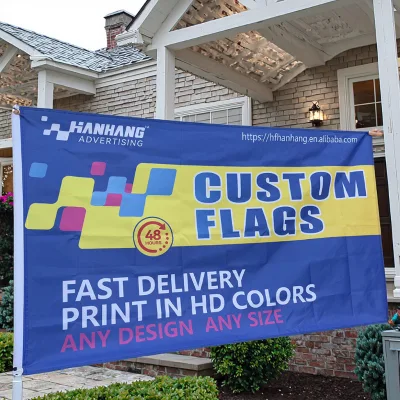


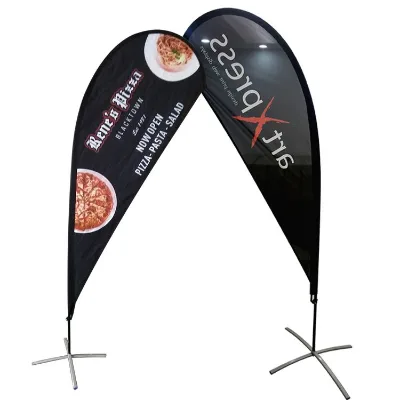
High Quality Custom Logo Design Squire Beach Flag Teardrop Flying Promotional
$3.57 - $12.04
MOQ: 1 pieces


Police Firefighter Military Flags Banner Embroidered Thin Blue Green Red Line Flag
$4.25 - $6.75
MOQ: 100 Pieces


Comprehensive Sourcing Guide
Strategic Sourcing Guide for Waterproof Police Flags
Understanding Technical Specifications and Material Composition
When sourcing waterproof police flags, the primary objective is to identify products that maintain structural integrity and visual clarity under rigorous environmental conditions. The core material specification for these items is predominantly polyester cloth, a choice driven by its high tensile strength and resistance to moisture absorption. Unlike cotton or nylon, polyester offers superior durability against UV degradation and wind stress, which are critical for flags intended for outdoor police department use. The product attributes indicate that the material is specifically engineered to be waterproof, ensuring that the flag does not become heavy or disintegrate during rain or high-humidity operations.
The physical dimensions of the flag are a critical technical variable. Standard configurations often include sizes such as 90cm x 150cm (3ft x 5ft), which is a common ratio for national and organizational flags. However, the market also supports fully customized sizing, allowing procurement teams to match specific flagpole heights or display requirements. The shape is consistently rectangular, though customization options exist for specific operational needs. The construction of the flag often includes a sleeve, hook, or eyelet system, which facilitates mounting on aluminum or fiberglass flagpoles. The choice of pole material is equally important; aluminum and fiberglass are the standard materials observed, offering a balance between weight and strength. Aluminum provides a sleek, metallic finish suitable for formal displays, while fiberglass offers flexibility and resistance to bending in high winds.
Printing technology plays a vital role in the longevity of the flag's design. The sourcing guide notes the availability of digital printing, silk screen printing, and heat transfer printing techniques. Digital printing is particularly advantageous for complex logos and detailed police emblems, supporting high-resolution reproduction. The color gamut typically supports CMYK processes, but procurement teams should verify if the supplier can match specific Pantone Matching System (PMS) numbers to ensure brand consistency. The printing can be executed on a single side or double sides, with double-sided printing being a preferred option for visibility from all angles. The artwork formats accepted by suppliers generally include AI, PDF, JPG, and PNG, ensuring flexibility in file submission.
Compliance, Certification, and Safety Standards
In the realm of law enforcement equipment, safety and compliance are paramount. While specific certification documents are not universally listed for every product variant, buyers must prioritize flags that meet fire-safety standards. The product attributes explicitly mention "Fire-Proof" as a characteristic, a non-negotiable requirement for items used in public demonstrations, parades, or emergency response scenarios where open flames or heat sources may be present. This feature distinguishes professional-grade police flags from generic decorative items.
Buyers should verify that the polyester material used meets local fire safety regulations for public assembly. In many jurisdictions, outdoor flags must be treated with flame-retardant chemicals or manufactured from inherently flame-resistant fibers. The absence of a specific certification number in general product listings does not negate the need for verification; procurement officers must request test reports or compliance certificates from the supplier before placing bulk orders. The standard production origin is China, specifically from regions like Anhui, which is a known hub for textile manufacturing. However, the country of origin does not guarantee compliance with the destination country's safety standards.
Furthermore, the customization process must adhere to legal and ethical guidelines regarding the display of law enforcement insignia. Suppliers typically accept artwork as per the client's request, but the buyer is responsible for ensuring that the design does not infringe on trademarks or violate local laws regarding the display of official emblems. The "OEM & ODM" acceptance indicates that suppliers can produce custom designs, but the legal liability for the design's appropriateness rests with the purchasing entity.
Cost Drivers and Pricing Dynamics
The pricing structure for waterproof police flags is influenced by several dynamic factors, primarily material costs, printing complexity, and order volume. The observed price range in the market spans from $0.03 to $53.03 USD per unit. This wide variance is not indicative of quality differences alone but reflects the scale of production and the level of customization. The lower end of the spectrum typically corresponds to standard, mass-produced flags with simple designs and minimal customization. In contrast, the higher price points are associated with custom sizes, double-sided printing, specialized fire-proof treatments, and complex artwork reproduction.
Order quantity is a significant cost driver. The Minimum Order Quantity (MOQ) ranges from 1 piece to 10,000 pieces. For small departments or specific event needs, suppliers offering an MOQ of 1 piece allow for cost-effective procurement without the burden of excess inventory. However, unit costs generally decrease as the order volume increases. The "Single item" selling unit suggests that individual flags are available, but bulk purchasing often unlocks better pricing tiers.
Additional cost factors include the type of printing technique selected. Digital printing may carry a premium for low-volume, high-detail orders, whereas silk screen printing becomes more cost-effective for large runs. The inclusion of accessories, such as high-quality aluminum or fiberglass flagpoles, will also impact the total cost. Shipping costs are another variable; while some suppliers offer low-cost door-to-door services via DHL, UPS, or FedEx, these fees can escalate significantly for heavy or large-volume shipments. Buyers should factor in these logistics costs when calculating the total cost of ownership.
Typical Applications and Operational Use Cases
Waterproof police flags serve multiple functional roles beyond simple decoration. The primary application is for display and advertising, where the flag acts as a visual identifier for police departments, stations, or specific units. These flags are essential for official ceremonies, parades, and public relations events where a strong visual presence is required. The waterproof nature of the flag ensures that these events can proceed regardless of weather conditions, maintaining the dignity and visibility of the department.
In emergency response scenarios, these flags can be used for signaling or marking. The portability and folding capabilities of the flag make it easy to transport and deploy quickly. The "Hand Flag" and "Club Flag" variations mentioned in the product attributes suggest utility in crowd control or traffic direction, where a visible, durable marker is necessary. The "National Flag" application indicates that these products are also suitable for representing the country in official police contexts, requiring a high degree of color accuracy and material fidelity.
The versatility of the flag extends to various environments. Whether used for "Flying," "Hanging," or "Scrolling" displays, the flag must withstand wind shear and sun exposure. The "Beach Flag" application, while seemingly niche, highlights the need for materials that resist saltwater corrosion and sand abrasion, which is relevant for coastal police units. The ability to customize the logo and design allows departments to create unique identifiers for specific tasks, such as search and rescue units or community outreach programs.
Supplier Evaluation and Selection Criteria
Selecting the right supplier is critical for ensuring consistent quality and reliable delivery. Buyers should evaluate suppliers based on their customization capabilities, production capacity, and logistical efficiency. The availability of "Free to Help You Do Design" services is a significant value-add, indicating that the supplier has in-house design expertise to assist with artwork refinement. This can reduce the risk of errors in the final product and streamline the approval process.
Sample availability is another key evaluation metric. Suppliers offering "Stock Sample Free of Charge" allow buyers to assess the material quality and print fidelity before committing to a large order. For custom requirements, a sample time of 1-3 days is observed, which suggests a responsive production workflow. However, buyers should verify the actual lead time for custom samples, as this can vary based on design complexity.
The production timeline is a crucial factor for time-sensitive procurement. The observed production time ranges from 1 to 25 days based on quantity. For urgent needs, suppliers claiming "Fast Delivery Time to Guarantee Your Urgent Time" should be scrutinized to ensure they can meet the specific deadline. The ability to handle large MOQs up to 10,000 pieces indicates a robust manufacturing infrastructure capable of scaling production.
Logistics capabilities should also be assessed. Suppliers offering "Low Cost DHL/UPS/FedEx Door to Door Service" provide a streamlined shipping experience, reducing the administrative burden on the buyer. However, buyers must confirm that the shipping method is appropriate for the destination and that the packaging (often "Carton" or "Opp bag") is sufficient to protect the flags during transit.
Quality Control and Long-Term Procurement Considerations
Quality control in the manufacturing of waterproof police flags involves rigorous checks on material consistency, print durability, and structural integrity. Buyers should request evidence of the "Waterproof" and "Fire-Proof" claims through test reports or material safety data sheets. The "Carton" packaging standard suggests that bulk orders are protected, but individual flags in "Opp bags" should be inspected for damage upon arrival.
Long-term procurement considerations include the consistency of the supply chain. Suppliers with a history of producing "Polyester Outdoor Waterproof Flag" models like KHL9495 or JMY-FLAG may offer more reliable quality. The "Single package size" of XX cm indicates that dimensions can vary, so buyers must specify exact requirements to avoid confusion. The "Prodiction Time" of 1-25 days suggests that lead times are flexible, but buyers should establish clear communication channels to manage expectations.
Sustainability and environmental impact are increasingly important in public sector procurement. While not explicitly detailed in the product attributes, buyers should inquire about the environmental impact of the printing inks and the recyclability of the polyester material. The "OEM & ODM" acceptance allows for the development of eco-friendly designs, but this requires proactive engagement with the supplier.
Finally, the long-term value of the flag depends on its lifespan. A high-quality polyester flag with digital or silk screen printing should retain its color and structural integrity for years. Buyers should consider the total cost of ownership, including replacement frequency, rather than just the initial purchase price. Establishing a relationship with a supplier that offers consistent quality and responsive service will ensure that the police department can maintain a professional and visible presence in all weather conditions.
Summary of Key Procurement Parameters
To facilitate decision-making, the following table summarizes the critical parameters identified in the sourcing analysis. This comparison highlights the variability in specifications and the importance of verifying details before purchase.
| Parameter | Observed Range/Options | Procurement Verification Point |
|---|---|---|
| Material | Polyester cloth | Verify fire-proof treatment and UV resistance. |
| Size | 90cm x 150cm (Standard) or Custom | Confirm exact dimensions for flagpole compatibility. |
| Printing | Digital, Silk Screen, Heat Transfer | Check color matching (PMS vs. CMYK) and side count. |
| MOQ | 1 to 10,000 Pieces | Align order volume with budget and storage capacity. |
| Lead Time | 1-3 Days (Sample), 1-25 Days (Production) | Confirm urgency requirements and production capacity. |
| Packaging | Carton, Opp Bag | Ensure packaging protects against moisture and damage. |
| Origin | China (Anhui) | Verify export compliance and shipping logistics. |
| Accessories | Aluminum/Fiberglass Poles | Check pole material suitability for local weather. |
By adhering to these guidelines and focusing on the verified attributes of the product, procurement teams can secure high-quality waterproof police flags that meet the rigorous demands of law enforcement operations. The emphasis on material quality, customization flexibility, and supplier reliability ensures that the final product will serve its intended purpose effectively and durably.
FAQs
What materials are used for waterproof police flags?
Waterproof police flags are primarily made from polyester cloth, which offers high tensile strength and resistance to moisture. This material ensures the flag remains durable and does not disintegrate during rain or high-humidity operations.
Can I get custom sizes for these flags?
Yes, custom sizes are available for these flags to match specific flagpole heights or display requirements. Standard configurations include 90cm x 150cm, but the product attributes confirm that fully customized sizing is supported.
Which printing techniques are available for custom logos?
Digital printing, silk screen printing, and heat transfer printing are available for custom logos. Digital printing is particularly advantageous for complex designs, while double-sided printing options ensure visibility from all angles.
Are these flags fire-proof for safety compliance?
Yes, the product attributes explicitly list fire-proof as a key characteristic for these flags. This feature is essential for use in public demonstrations or emergency response scenarios where open flames may be present.
How long does it take to produce a custom sample?
A custom sample typically takes 1 to 3 days to produce based on the design complexity. Stock samples are often available free of charge, while production times for bulk orders range from 1 to 25 days.
What is the minimum order quantity for these flags?
The minimum order quantity can be as low as 1 piece for cheap flags, allowing for small department procurement. However, bulk orders up to 10,000 pieces are supported, with unit costs generally decreasing as volume increases.
Can I choose the flagpole material for my order?
Yes, you can choose between aluminum and fiberglass flagpole materials for your order. Aluminum offers a sleek finish suitable for formal displays, while fiberglass provides flexibility and resistance to bending in high winds.