Source Body Kit Parts for Cars, Trucks, and Motorcycles
Source Body Kit components for automotive protection and styling. Compare 26 listings featuring ABS, polypropylene, and carbon fiber materials. Options include front and rear bumper reinforcements with universal fitment for various vehicle makes.
Key considerations
Products List


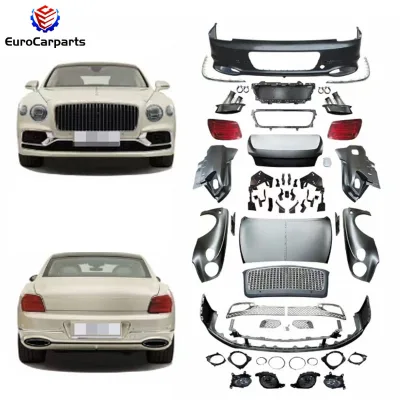
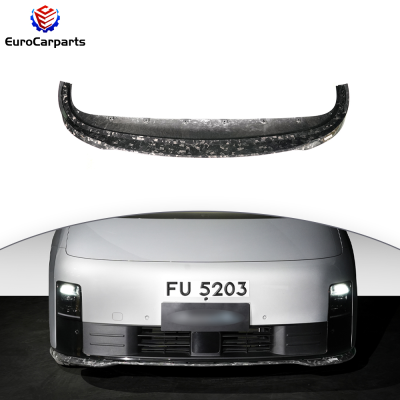


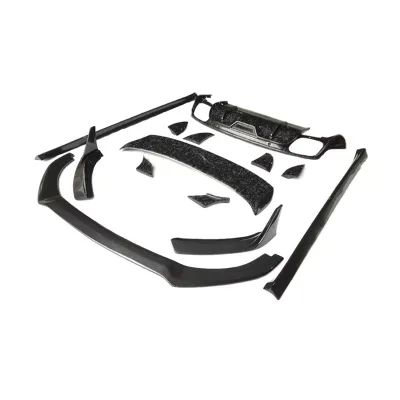
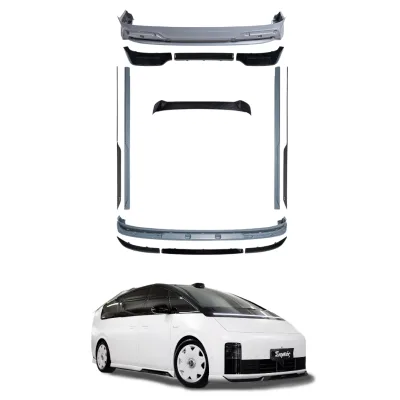

Comprehensive Sourcing Guide
Body Kit Sourcing Guide
Sourcing a Body Kit requires a precise understanding of the specific vehicle architecture and the intended modification purpose, whether for aesthetic enhancement, aerodynamic improvement, or structural reinforcement. The market offers a diverse range of components, from universal fitment parts designed for broad compatibility to bespoke units engineered for specific high-performance models like the Flying Spur or the MEGA 2022+. Buyers must distinguish between complete body kits and individual components such as front lips, rear wings, or bumper rails, as the procurement strategy and technical verification steps differ significantly for each category.
The decision to source these automotive accessories hinges on balancing customization needs with installation feasibility. Many suppliers offer products with features like easy installation and screw-on attachment types, which are critical for buyers looking to upgrade or retrofit vehicles without extensive bodywork. However, the material composition varies widely, ranging from durable ABS and Polypropylene to high-end Carbon Fiber, each offering distinct trade-offs between weight, cost, and impact resistance. Understanding these material differences is the first step in defining a procurement specification that aligns with both budget constraints and performance expectations.
Product Scope and Observed Listing Signals
The current market landscape for body kits displays a wide variance in product attributes, with observed listings featuring items specifically designed for front and rear bumper applications. Buyers will encounter products labeled as "Car Bumper," "Bodykit," or "Front Lip Rear Lip Rear Wing," indicating that the scope extends beyond simple cosmetic covers to include structural elements like bumper rail reinforcements. The color options available in the market typically include Black, Red, and Silver, with some units supplied in a primer finish to allow for custom painting, while others arrive pre-finished to match specific vehicle aesthetics.
Listing signals also reveal significant diversity in packaging and origin, with products originating primarily from manufacturing hubs in Guangdong, China, such as Dongguan. Packaging methods vary from standard cartons to individual OPP bags, which can influence shipping costs and the risk of damage during transit. The observed product count and price ranges suggest a highly competitive market where buyers can find options ranging from basic replacement parts to premium, high-quality upgrades. It is essential to verify that the listed "Universal Fitment" claims are accurate for the specific vehicle make and model, as some listings explicitly target specific models like the MEGA 2022+ while others claim broader compatibility.
Technical Specifications to Verify
When evaluating technical specifications, the material composition is the primary factor determining the longevity and performance of the Body Kit. Listings indicate the use of materials such as ABS, Polypropylene, and Carbon Fiber, each requiring different verification protocols. For instance, ABS and Polypropylene components are often selected for their impact resistance and cost-effectiveness, whereas Carbon Fiber parts are chosen for their superior strength-to-weight ratio. Buyers must confirm the specific material grade used in the product to ensure it meets the durability requirements for the intended application, whether it is for daily driving protection or high-speed aerodynamic performance.
Dimensional accuracy and fitment precision are equally critical, as the physical compatibility of the kit with the vehicle's chassis is non-negotiable. Specifications such as "Standard" size or specific model numbers like "FY-CB09" and "MEGA 2022+" serve as key identifiers that must be cross-referenced with the vehicle's production data. The attachment type, often described as "Screw-On," dictates the installation complexity and the need for specific tools or hardware. Additionally, buyers should verify the single package size and weight, which typically ranges between 3-4kg for individual components, to ensure that the logistics and handling requirements align with the procurement plan.
Compliance and Safety Documentation
While specific certification documents are not explicitly detailed in the provided product listings, the nature of automotive body kits necessitates a rigorous review of compliance with local vehicle safety regulations. In many jurisdictions, aftermarket body modifications must adhere to strict standards regarding protrusion, visibility, and structural integrity to ensure they do not compromise the safety of the vehicle or its occupants. Buyers should request documentation confirming that the product meets relevant industry standards, particularly if the kit includes structural elements like bumper rail reinforcements that interact with the vehicle's crash safety systems.
The condition of the product, consistently listed as "New," implies that the items are manufactured to current standards, but this does not automatically guarantee regulatory compliance in the buyer's specific region. It is the responsibility of the procurement team to verify that the "High-Quality" claims are backed by appropriate testing data or quality assurance protocols. Furthermore, the "Customizable" nature of some standards suggests that the final product may be altered, which could void original certifications. Buyers must ensure that any customization or painting processes, such as applying a primer coat, do not introduce hazardous materials or violate environmental regulations in the destination market.
Cost Drivers and Commercial Terms
The cost of sourcing a Body Kit is influenced by several variables, including the material type, the complexity of the design, and the level of customization required. The observed price range of 2.8 to 4950 USD reflects the spectrum from basic, universal components to specialized, high-performance units made from premium materials like Carbon Fiber. Buyers should anticipate that the cost will scale with the inclusion of additional features such as specific paint codes, custom branding, or complex aerodynamic shapes that require more intricate molding processes.
Commercial terms also play a significant role in the total cost of ownership, with payment methods ranging from TT and PayPal to Western Union and Trade Assurance. The minimum order quantity (MOQ) varies from 1 set to 500 units, allowing flexibility for both individual retrofit projects and bulk commercial orders. Lead times are another critical cost driver, with delivery windows typically ranging from 7 to 20 days depending on the supplier's production capacity and the specific customization requirements. Buyers must factor in these lead times when planning inventory or project timelines, as delays can impact the overall schedule of vehicle upgrades or fleet modifications.
Supplier Qualification and Quality Control
Supplier qualification should focus on verifying the consistency of product attributes and the reliability of the supply chain. The presence of a "24 Hours" service commitment and a "1 Years" warranty indicates a supplier's confidence in their product quality, but buyers must validate these claims through direct communication and reference checks. The origin of the products, specifically from Dongguan, Guangdong, China, suggests a concentration of manufacturing expertise in the region, but it also necessitates a thorough vetting process to ensure that the supplier maintains consistent quality control standards across different batches.
Quality control measures should include a detailed inspection of the product's physical attributes, such as the finish, weight, and dimensional accuracy. Buyers should request samples to verify that the "Easy Installation" features function as advertised and that the "100% Fitment" claims hold true for the specific vehicle model. The use of specific packing methods, such as cartons or OPP bags, should be evaluated to ensure that the products arrive in pristine condition. Additionally, verifying the supplier's ability to handle custom orders and provide technical support for installation issues is essential for a successful procurement relationship.
Long-Term Procurement Checks
Establishing a long-term procurement strategy for body kits requires a focus on supply chain resilience and the ability to adapt to changing vehicle models and market trends. As automotive designs evolve, the demand for specific body kits, such as those for the MEGA 2022+ or the Flying Spur, may fluctuate. Buyers should maintain a flexible relationship with suppliers who can offer "Customizable" standards and adapt their production lines to meet new requirements without significant delays or cost increases.
Regular performance reviews of the supplied products are necessary to ensure that the "High-Quality" standards are maintained over time. This includes monitoring the durability of the materials, the consistency of the color finishes, and the reliability of the warranty claims. Buyers should also track the lead times and delivery performance to identify any potential bottlenecks in the supply chain. By maintaining a proactive approach to supplier management and quality assurance, buyers can ensure a steady supply of reliable body kits that meet the evolving needs of their customers or fleet operations.
FAQs
What materials are used for the Body Kit?
The Body Kit is constructed from ABS, Polypropylene, or Carbon Fiber depending on the specific model. These materials ensure durability and lightweight performance for various car applications while maintaining structural integrity during installation.
Can I customize the Body Kit specifications?
Yes, customization is available for the Body Kit to meet specific requirements. Buyers can request adjustments to the standard dimensions or finish, allowing for tailored solutions that fit unique vehicle models or aesthetic preferences effectively.
How long does delivery take for the Body Kit?
Delivery typically takes between 7 to 20 days depending on the order specifics. This timeframe accounts for production and shipping logistics from the origin in Guangdong, China, ensuring timely arrival for most international orders.
What is the minimum order quantity for the Body Kit?
The minimum order quantity starts at 1 set for most items. This low threshold allows buyers to test the product quality without committing to large volumes, making it suitable for small businesses or individual upgrades.
Which car models fit this Body Kit?
The Body Kit is designed for universal fitment as well as specific models like the Flying Spur and MEGA 2022+. It serves as a direct replacement or upgrade for various car makes, ensuring compatibility with existing bumper systems.
How is the Body Kit packaged for shipping?
The product is packaged in either Cartons or OPP bags to ensure safe transit. This protective packaging prevents damage during handling and shipping, maintaining the pristine condition of the new Body Kit upon arrival at the destination.