Source Waterproof Poplar OSB Board for Construction, Furniture, and Interior Decoration
Find and compare 30 listings for Waterproof Poplar OSB Board suitable for building, furniture, and interior decoration. Evaluate specifications like thickness, density, and formaldehyde emission standards to select the right material for your project needs.
Key considerations
Products List







Comprehensive Sourcing Guide
Waterproof Poplar OSB Board Sourcing Guide
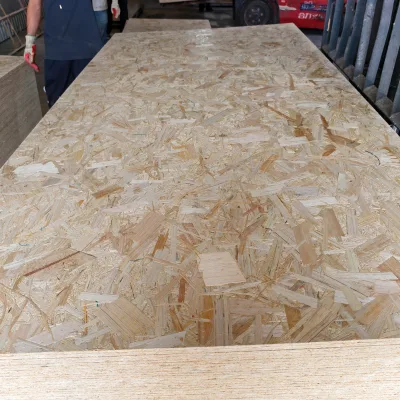
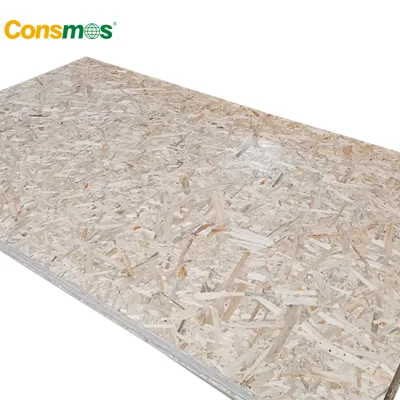
Sourcing waterproof poplar OSB boards requires a nuanced understanding of material composition, as the term often bridges two distinct product categories: traditional Oriented Strand Board (OSB) and film-faced poplar plywood. In the current market, buyers frequently encounter listings that use "OSB" to describe structural panels while simultaneously specifying poplar wood as the core material. This creates a potential ambiguity, as standard OSB is typically manufactured from compressed wood strands of species like aspen or southern yellow pine, whereas poplar is predominantly used in multi-ply plywood construction. Therefore, the primary procurement challenge lies in distinguishing between genuine strand-based OSB and poplar-based plywood that has been treated for water resistance. Buyers must carefully examine the product’s slab structure and ply count to ensure the material aligns with their structural and aesthetic requirements.
The observed market signals indicate a wide variance in product definitions, with some listings explicitly identifying the material as poplar plywood with film faces, while others label the product as OSB board with flakeboard structures. This divergence suggests that suppliers may be using interchangeable terminology to capture broader search traffic, or they may offer hybrid products that combine poplar cores with strand-based layers. For procurement professionals, this means that visual inspection of product images and detailed specification sheets is critical. The presence of film-faced surfaces, such as brown or black phenolic coatings, often indicates a product designed for concrete formwork or outdoor exposure, which aligns with the "waterproof" claim. However, the core material’s density and grain structure will determine the final panel’s strength and suitability for specific applications, ranging from furniture interior decoration to building construction.
Product Scope and Observed Listing Signals
The product scope for waterproof poplar OSB boards encompasses a diverse range of specifications, with observed thicknesses varying from 6 mm to 25 mm. This wide range allows for flexibility in application, from thin interior linings to robust structural sheathing. The standard dimensions of 1220x2440mm are prevalent, but customized sizes are also available, catering to specific project needs. Buyers should note that the term "waterproof" in this context often refers to water-resistant properties rather than complete impermeability, especially for wood-based panels. The observed listings highlight features such as waterproof capabilities and high bonding strength, which are essential for maintaining panel integrity in humid or outdoor environments. Understanding these signals helps buyers filter through the noise and identify products that genuinely meet their performance criteria.
Observations from the market reveal that poplar is a common material choice due to its lightweight nature and ease of processing, making it suitable for furniture and interior decoration. However, the density of poplar-based panels, observed to range between 470-480 Kg/Cmb and up to 700kg/cbm, varies significantly depending on the manufacturing process and core composition. Higher density panels generally offer better structural stability and screw-holding capacity, which is crucial for applications like office building construction or outdoor use. The grain structure, described as angle grain in some listings, further influences the panel’s dimensional stability and resistance to warping. Buyers must correlate these physical attributes with their intended use case, ensuring that the selected panel’s density and grain orientation support the required load-bearing and environmental exposure conditions.
Technical Specifications to Verify
When verifying technical specifications, buyers must prioritize the confirmation of the panel’s actual construction type. It is essential to determine whether the product is a true OSB board made from oriented wood strands or a poplar plywood composed of multiple layers. The observed listings mention both "Slab Structure: Oriented Strand Boards(OSB)" and "Plywood Type: 13-Ply," indicating that suppliers may offer both types under similar keywords. For projects requiring high moisture resistance, the bonding strength and glue type are critical factors. The observed glue options include E0/E1/E2, MELAMINE, MR, and WBP, with WBP (Weather and Boil Proof) being the most suitable for outdoor and waterproof applications. Buyers should explicitly request confirmation of the glue type to ensure the panel can withstand the intended environmental conditions without delamination.
Thickness and density are another pair of specifications that require careful verification. The observed thicknesses range from 6 mm to 25 mm, with common options including 12 mm, 16 mm, and 18 mm. Buyers should verify that the stated thickness matches the actual product, as tolerances can vary between manufacturers. Additionally, the moisture content, observed to be less than 15%, is a key indicator of the panel’s current state and potential for future shrinkage or expansion. Panels with higher moisture content may require acclimatization before installation, which can impact project timelines. Furthermore, the surface finishing, whether unfinished or finished, affects the panel’s readiness for immediate use. Finished panels may offer better protection against moisture ingress, while unfinished panels provide flexibility for custom treatments.
Compliance and Safety Documentation
Compliance with formaldehyde emission standards is a non-negotiable aspect of sourcing wood-based panels, particularly for indoor applications. The observed listings reference E-Grade standards, including Grade One and Excellent Grade, which indicate varying levels of formaldehyde emission. Buyers must ensure that the selected product meets the regulatory requirements of their target market, such as CARB (California Air Resources Board) certification, which is listed among the observed certifications. CARB Phase 2 compliance, in particular, sets strict limits on formaldehyde emissions, making it a benchmark for safety in many international markets. Buyers should request valid certification documents from suppliers to verify that the product has been tested and approved by recognized third-party laboratories.
In addition to formaldehyde emissions, other certifications such as CE and FSC (Forest Stewardship Council) may be relevant depending on the project’s sustainability goals and regional regulations. The CE mark indicates conformity with health, safety, and environmental protection standards for products sold within the European Economic Area. While FSC certification is mentioned in the background knowledge, buyers should verify its applicability to specific products, as it ensures that the wood originates from responsibly managed forests. For outdoor or construction applications, additional performance certifications may be required to demonstrate the panel’s structural integrity and fire resistance. Buyers should consult with their local building codes and project specifications to determine the exact documentation needed, ensuring that all compliance requirements are met before placing orders.
Cost Drivers and Commercial Terms
The cost of waterproof poplar OSB boards is influenced by several factors, including material quality, thickness, and surface treatment. The observed price range of 3-1500 USD reflects the diversity of products available, from basic interior panels to high-performance outdoor-grade boards. Thicker panels and those with specialized glues, such as WBP, typically command higher prices due to increased material and manufacturing costs. Buyers should also consider the impact of customization on pricing, as non-standard sizes or finishes may incur additional charges. Understanding these cost drivers allows buyers to budget accurately and negotiate effectively with suppliers, ensuring that they receive the best value for their specific requirements.
Commercial terms, including payment methods and delivery times, also play a significant role in the procurement process. The observed payment terms often involve a 30% deposit with the balance paid before shipment, which is a common practice in international trade. Buyers should assess their cash flow implications and negotiate terms that align with their financial capabilities. Delivery times, observed to be around 15 days, can vary based on order volume and production schedules. For urgent projects, buyers should confirm lead times early in the sourcing process to avoid delays. Additionally, the availability of free samples, with freight covered by the buyer, provides an opportunity to evaluate product quality before committing to large orders, reducing the risk of receiving substandard materials.
Supplier Qualification and Quality Control
Supplier qualification is a critical step in ensuring the reliability of the supply chain. Buyers should verify the supplier’s production capabilities, quality control processes, and after-sales service offerings. The observed listings mention services such as online technical support and onsite inspection, which can be valuable for resolving issues and ensuring product conformity. Buyers should request detailed information about the supplier’s manufacturing facilities, including equipment and quality assurance protocols. Additionally, checking the supplier’s track record and customer reviews can provide insights into their reliability and responsiveness. A qualified supplier should be able to provide comprehensive documentation, including test reports and certification copies, to support their product claims.
Quality control measures should be implemented throughout the procurement process, from sample approval to final shipment. Buyers should establish clear quality standards and inspection criteria, focusing on key attributes such as thickness, density, and surface finish. Third-party inspection services can be engaged to verify product quality before shipment, providing an additional layer of assurance. For large orders, buyers may consider implementing a pre-shipment inspection (PSI) to identify any defects or discrepancies. Furthermore, maintaining open communication with the supplier regarding quality expectations can help prevent misunderstandings and ensure that the delivered products meet the required specifications. Regular feedback and performance evaluations can also help identify areas for improvement and strengthen the supplier relationship.
Long-Term Procurement Checks
Long-term procurement success depends on continuous monitoring and evaluation of supplier performance and product quality. Buyers should establish key performance indicators (KPIs) to track metrics such as delivery accuracy, product conformity, and responsiveness to issues. Regular audits and site visits can provide valuable insights into the supplier’s operational practices and help identify potential risks. Additionally, staying informed about industry trends and regulatory changes is essential for adapting procurement strategies to evolving market conditions. Buyers should also consider diversifying their supplier base to mitigate risks associated with single-source dependencies, ensuring business continuity and competitive pricing.
Sustainability and environmental responsibility are increasingly important factors in long-term procurement decisions. Buyers should prioritize suppliers who demonstrate a commitment to sustainable practices, such as responsible sourcing and waste reduction. Engaging with suppliers on sustainability initiatives can help align procurement goals with corporate social responsibility objectives. Furthermore, building strong relationships with suppliers based on mutual trust and transparency can lead to better collaboration and innovation. By focusing on long-term partnerships rather than transactional relationships, buyers can secure a stable supply of high-quality waterproof poplar OSB boards, supporting their projects’ success and contributing to a more sustainable industry.
FAQs
What certifications does the Waterproof Poplar OSB Board have?
The board holds CARB, ISO, FSC, and CE certifications. These standards ensure compliance with international safety and environmental requirements for wood products used in construction and furniture applications.
Which thickness options are available for this poplar OSB board?
Available thicknesses include 6mm, 8mm, 9mm, 12mm, 15mm, 16mm, 18mm, 22mm, and 25mm. Buyers can select specific dimensions to match their project requirements for indoor or outdoor use.
Can I get free samples of the Waterproof Poplar OSB Board?
Free samples are available upon request, but the buyer must cover the freight costs. This allows potential clients to verify the material quality and density before placing a larger order.
How is the Waterproof Poplar OSB Board packed for shipping?
The product is packed on wooden pallets with packing belts and stretch film. Some variants use steel reinforcement for added strength during transport to ensure the boards arrive without damage.
What is the lead time for ordering this poplar OSB board?
The standard delivery time is 15 days after the deposit is received. This timeline applies to standard orders, though customization or large volume requests may require specific scheduling confirmation.
Which glue types are used in the Waterproof Poplar OSB Board?
The board utilizes E0, E1, E2, Melamine, MR, and WBP glue types. These adhesives provide varying levels of formaldehyde emission control and water resistance suitable for different indoor and outdoor applications.
What is the density range of the Waterproof Poplar OSB Board?
The density ranges between 470-480 kg/cbm for some grades and 600-700 kg/cbm for others. This variation depends on the specific wood composition and manufacturing process used for the flakeboards.