Source Waterproof PP Card Binder for Business and Storage
Find 30 Waterproof PP Card Binder options from China suppliers. Compare PU and PP materials, perfect and thermal binding styles, and custom printing methods for business card storage and portfolio needs; compare the available evidence and request quotations based on your requirements.
Updated
Key considerations
Products List


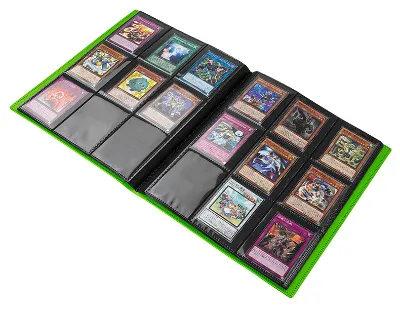
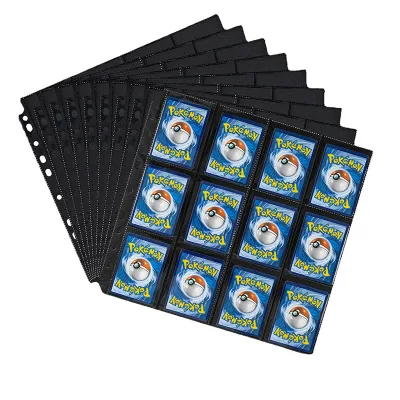
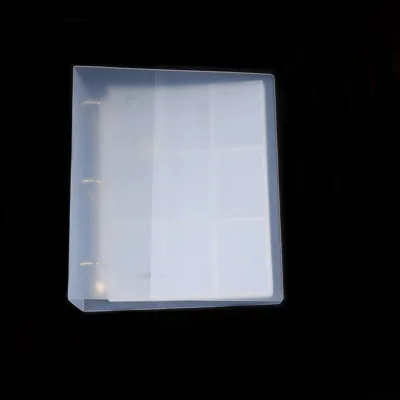
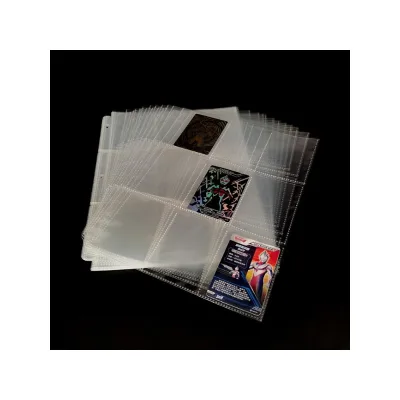
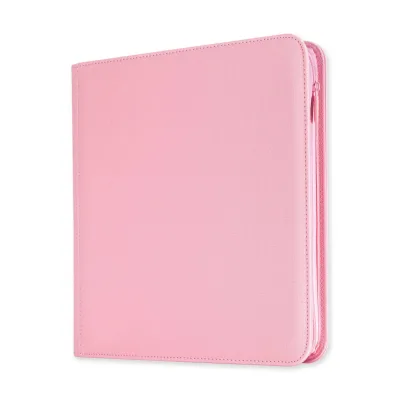
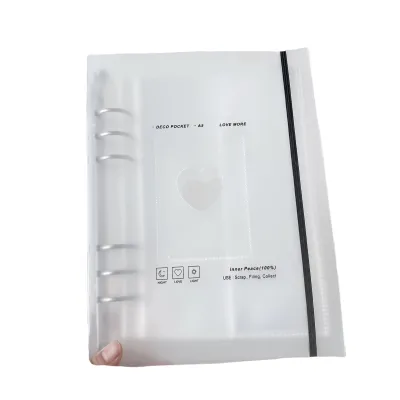
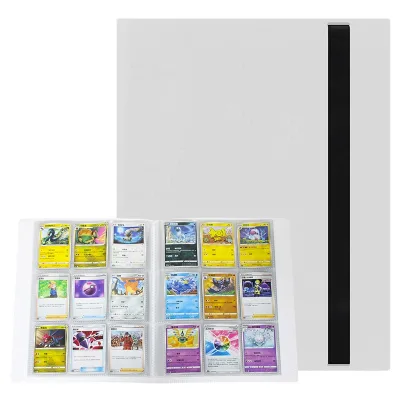
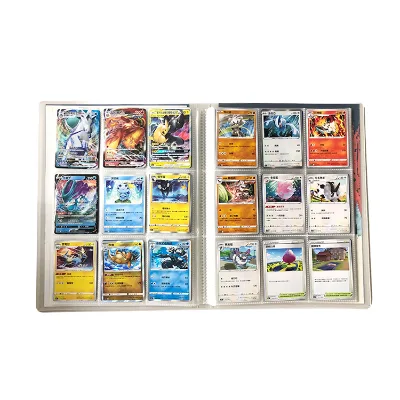
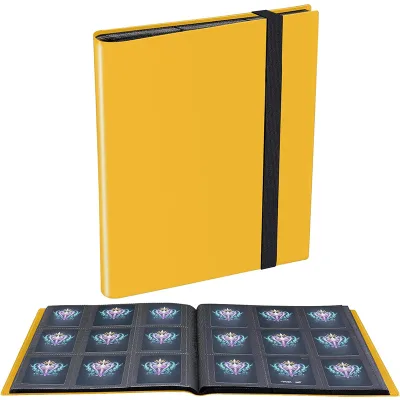
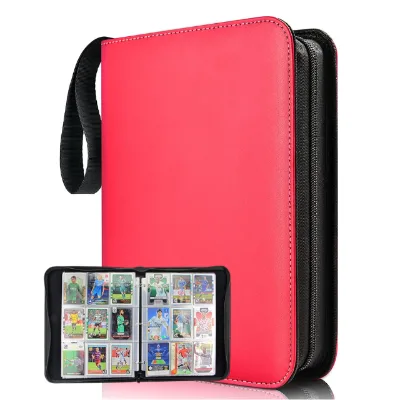
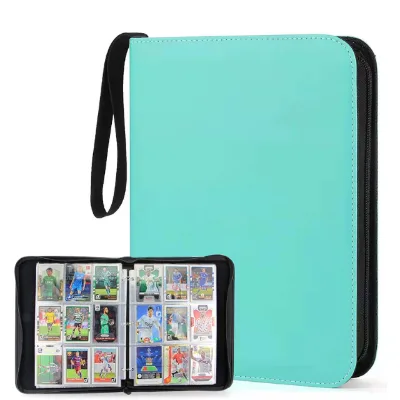
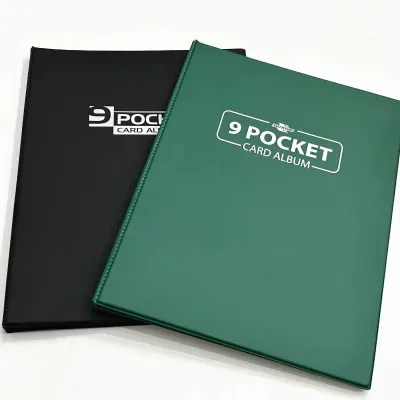
9 Pocket 360 Cards Binder with Thicken PP Material Cover and Elastic Strap
$1.9613 - $2.0645
MOQ: 200 pieces


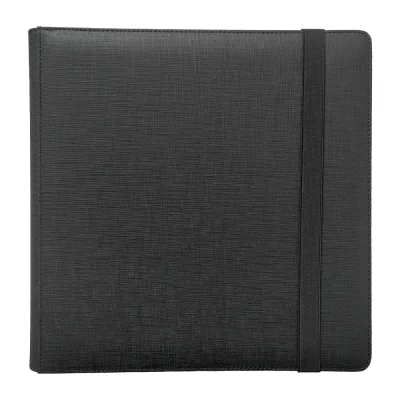
Durability Waterproof 9 Pockets PU Leather Trading Top Loader Card Binder
$0.03 - $0.05
MOQ: 1500 Pieces

Comprehensive Sourcing Guide
Waterproof PP Card Binder Sourcing Guide
Procuring waterproof polypropylene card binders requires a disciplined approach to material verification and structural integrity assessment. Buyers must prioritize suppliers who explicitly confirm the use of high-grade PP for inner pages, ensuring resistance to moisture, tearing, and general wear during frequent handling. The observed market signals indicate a strong preference for simple, functional designs that prioritize durability over ornate aesthetics, making material transparency the primary filter for initial supplier screening.
Beyond material composition, the binding mechanism dictates the long-term usability of the product. Perfect binding and thermal binding are the dominant methods observed, each offering distinct advantages for different usage scenarios. Buyers should evaluate whether the binding method supports the intended volume of card insertions and removals, as well as the structural resilience required for business or promotional environments where the binder may be subjected to rigorous daily use.
Product Scope and Observed Listing Signals
The current market landscape for waterproof PP card binders reveals a diverse range of configurations tailored to specific business needs. Listings frequently highlight customization options for cover materials, with PU leather and art paper being common choices for the exterior. This allows buyers to balance cost-efficiency with premium branding opportunities, ensuring that the final product aligns with corporate identity guidelines while maintaining the functional waterproof properties of the inner PP pockets.
Observed product attributes also emphasize versatile printing capabilities, including multi-color thermal transfer and standard offset methods. Buyers should note that inner page counts vary, with twenty-page configurations being a standard baseline, though customized options up to fifty pages are available. This flexibility enables organizations to select binders that precisely match their inventory of business cards or identification credentials, optimizing space utilization without compromising the structural integrity of the binder.
Technical Specifications to Verify
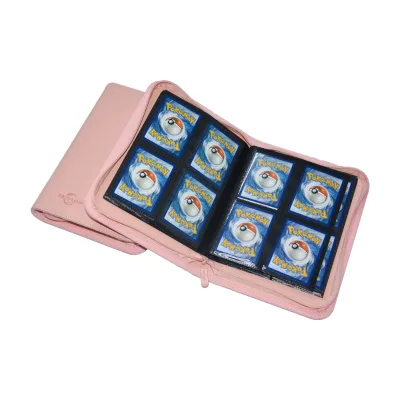
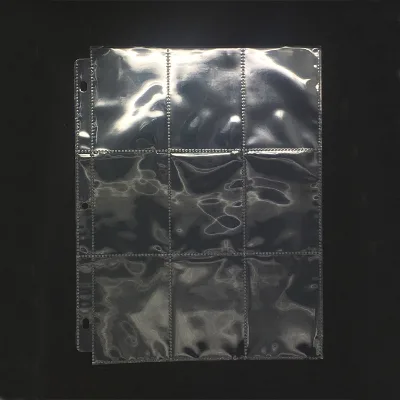
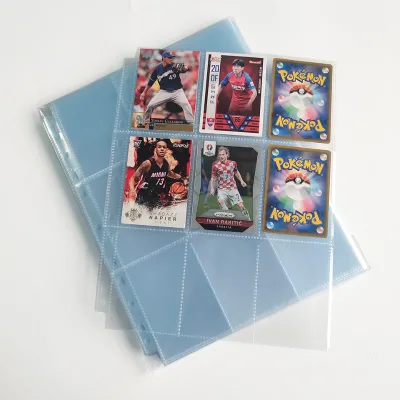
Verifying the precise dimensions and pocket capacity is essential for ensuring compatibility with standard card sizes. The market offers various size specifications, including compact formats like four-by-six inches and larger standard sizes such as 328 by 297 millimeters. Buyers must cross-reference these dimensions with their physical card inventory to prevent fit issues, while also confirming the number of pockets, which typically ranges from nine to twenty-four, to ensure adequate storage capacity for their specific operational requirements.
Surface finishing and printing quality are critical technical factors that influence both the aesthetic appeal and the longevity of the binder. Matte and gloss varnishing options are commonly available, allowing for tactile differentiation and enhanced visual impact. Buyers should request physical samples to assess the adhesion of printed logos and the resistance of the surface coating to scratching, ensuring that the branding remains intact and professional throughout the product's lifecycle in various environmental conditions.
Compliance and Safety Documentation
While specific certification requirements depend on the end-use region, buyers should proactively request documentation regarding material safety and environmental compliance. Polypropylene is generally considered a safe and recyclable material, but verifying that the supplier adheres to relevant international standards for plastic products is crucial. This includes confirming that the manufacturing process does not introduce harmful chemicals, particularly when the binders are intended for use in sensitive environments or by younger demographics in educational settings.
Documentation should also cover the sourcing of raw materials, ensuring that the PP and PU components meet industry norms for durability and non-toxicity. Buyers ought to inquire about the supplier’s quality management systems, which serve as an indirect indicator of their commitment to consistent product safety. Clear communication regarding these standards helps mitigate regulatory risks and ensures that the procured binders can be legally and safely deployed in global markets without encountering compliance barriers.
Cost Drivers and Commercial Terms
The cost structure for waterproof PP card binders is heavily influenced by customization levels, order volume, and material selection. Prices observed in the market range significantly, reflecting the impact of factors such as cover material upgrades, complex printing methods, and the inclusion of custom logos. Buyers should analyze the price-to-volume relationship carefully, as higher MOQs often unlock substantial discounts, making bulk procurement a viable strategy for large organizations with consistent supply needs.
Commercial terms, including lead times and packaging specifications, also play a pivotal role in total cost of ownership. Sample delivery times typically range from five to seven days, allowing for rapid prototyping and quality checks before full-scale production. Buyers should clarify packaging details, such as OPP bag quantities, to ensure efficient logistics and storage, while negotiating clear terms for defect resolution to protect against potential quality inconsistencies in large orders.
Supplier Qualification and Quality Control
Evaluating supplier qualifications requires a focus on their manufacturing capabilities and historical performance in producing similar products. Buyers should verify the supplier’s location, with many manufacturers operating in regions like Guangdong, China, known for their robust printing and binding industries. Assessing their OEM and ODM experience is crucial, as it indicates their ability to handle custom design requests and maintain consistency across large production runs, ensuring that the final product meets the buyer’s exact specifications.
Quality control protocols must be explicitly defined and agreed upon before production begins. Buyers should insist on pre-shipment inspections that check for binding integrity, pocket alignment, and print quality. Establishing clear acceptance criteria for defects, such as loose pages or misaligned pockets, helps maintain high standards. Regular communication with the supplier during the production phase can also help identify and rectify potential issues early, reducing the risk of receiving substandard inventory.
Long-Term Procurement Checks
Establishing a long-term procurement strategy involves regular performance reviews and continuous improvement initiatives. Buyers should track key metrics such as defect rates, delivery punctuality, and responsiveness to quality issues to identify reliable partners. Building a relationship with a supplier who demonstrates a commitment to quality and innovation ensures a stable supply chain, reducing the administrative burden of sourcing new vendors for each procurement cycle and fostering trust over time.
Future-proofing the procurement process requires staying informed about emerging trends in binder design and material technology. As sustainability becomes increasingly important, buyers should explore options for eco-friendly materials and processes, even if they are not currently mandated. By maintaining a flexible and informed approach, organizations can adapt to changing market conditions and regulatory landscapes, ensuring that their procurement of waterproof PP card binders remains efficient, cost-effective, and aligned with broader corporate sustainability goals.
FAQs
What customization options are available for the card binder?
Customization is available for this product, allowing buyers to request specific changes. The cover color can be selected from options like red, yellow, or black, and inner pages can be customized to 20 or 50 pages. OEM and ODM services are accepted to meet unique business requirements.
How many pages does the standard inner section contain?
The standard inner section typically contains 20 pages, though 50 pages are also available as a customized option. The inner pages are made of PP material, ensuring durability for holding cards. This configuration supports business usage while maintaining a simple and modern style.
Which printing methods are supported for this product?
Multiple printing methods are supported, including thermal transfer printing and various color options ranging from one to six colors. The surface finishing offers choices like matte or gloss varnishing. These options allow for detailed branding while adhering to the specified model numbers and material constraints.
Can the product be sourced with specific packaging requirements?
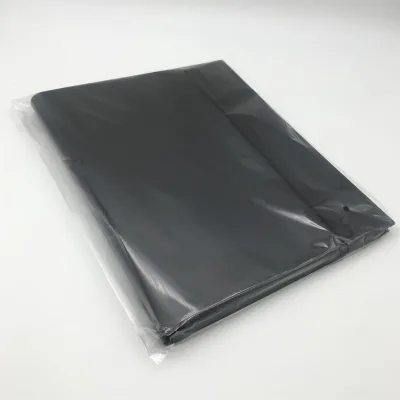
Yes, the product can be sourced with specific packaging requirements such as 100 pieces per OPP bag. The single package size is approximately 35 by 30 by 0.1 cm, and the single gross weight is 0.06 kg. This ensures efficient shipping and handling for bulk orders.
What is the minimum order quantity for this item?
The minimum order quantity is 10,000 pieces for this specific product listing. This high MOQ is typical for customized manufacturing runs involving PU covers and PP inner pages. Buyers should verify if other models with different specifications might have lower thresholds.
How long does it take to receive a sample?
Sample delivery time is typically between 5 to 7 days for this product. This lead time applies to the initial sample request before full production begins. Buyers should confirm the exact timeline with the supplier based on their specific location and current production capacity.
Where is the product manufactured and what is the origin?
The product is manufactured in Guangdong, China, with the place of origin listed as China. This location is a known hub for manufacturing items with PU covers and thermal binding. Buyers can expect standard export procedures from this region for international orders.