Source Waterproof PU Travel Duffel Bag for Hiking Camping Travel
Explore 30 options for the Waterproof PU Travel Duffel Bag designed for outdoor adventures. Buyers can compare materials like PU and PVC, sizes, and customization features to find the ideal gear for hiking, camping, and travel; compare the available evidence and request quotations based on your requirements.
Updated
Key considerations
Products List

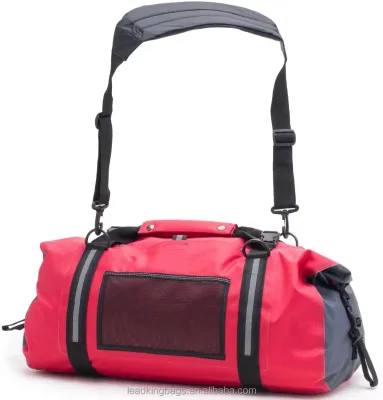
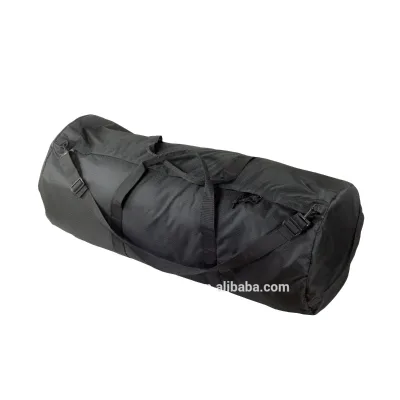


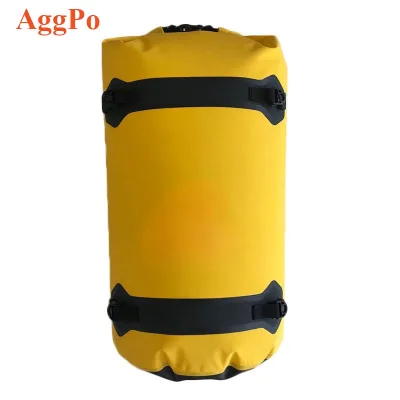


OEM Large Travel Duffel Bag Waterproof Outdoor Unisex Sport Hiking Duffel Bag
$6.89 - $12.89
MOQ: 500 Pieces


Duffle Bag Backpack Waterproof Sports Duffel Bags Travel Weekender Travel Bag
$9.00 - $10.00
MOQ: 100 Pieces
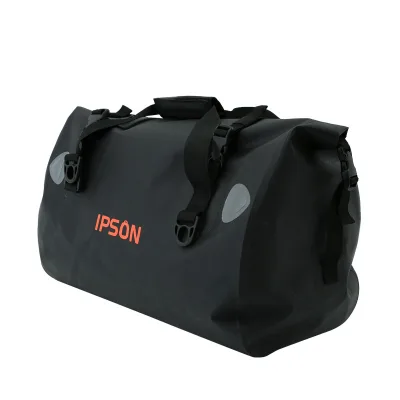

Simple Polyester Travel Outdoor Portable Light Weight Waterproof Duffel Bag
$8.50 - $15.00
MOQ: 100 Pieces



Comprehensive Sourcing Guide
Waterproof PU Travel Duffel Bag Sourcing Guide
Sourcing waterproof PU travel duffel bags requires a careful balance between material durability, functional design, and commercial viability. Buyers must navigate a market where product attributes vary significantly across suppliers, with observed listings indicating a price range of $3 to $28.65 USD and minimum order quantities (MOQs) spanning from 100 to 3,000 pieces. The core keyword highlights a specific niche where polyurethane (PU) is the primary exterior material, often paired with polyester linings to ensure structural integrity and water resistance. This combination is particularly suited for outdoor travel, hiking, and camping scenarios where exposure to moisture is a constant concern.
Procurement teams should recognize that "waterproof" claims are not universal across all listings. While some products explicitly state waterproof capabilities, others may only offer water-resistant properties depending on the seam sealing and material thickness. The observed data shows a high-confidence fact that customization is available, allowing brands to tailor colors, logos, and internal configurations. However, buyers must verify these claims through sample testing, as the actual performance can differ based on the specific manufacturing process and quality control measures implemented by the supplier.
Product Scope and Observed Listing Signals
The product scope for waterproof PU duffel bags encompasses a variety of styles, including horizontal square designs and casual travel bags. Observed listings reveal distinct model numbers such as CR1309 and LKDRB010, each with specific dimensions like 24x12x12 inches or smaller variants like 7x4x15 inches. These variations cater to different use cases, from large-capacity luggage for extended trips to compact bags for day hikes. The gender classification is often listed as unisex, though some models are specifically targeted toward male users, indicating a broad market appeal that transcends traditional gender-based marketing segments.
Material composition is a critical signal for buyers evaluating product quality. While PU is the dominant exterior material, some listings indicate the use of PVC or Spandex/Elastane blends, which affect flexibility, weight, and environmental impact. The inside material is frequently polyester, providing a durable lining that resists abrasion from gear and clothing. Buyers should pay close attention to the closure mechanisms, with zipper closures being a standard feature for security and ease of access. The style trends observed include both "Trend" and "Casual" aesthetics, allowing brands to align the product with their specific brand identity and target demographic preferences.
Technical Specifications to Verify
Technical verification must begin with the physical dimensions and capacity of the duffel bag. Buyers should confirm whether the bag meets the required volume for their intended use, as observed sizes range from compact 7x4x15 inch models to larger 24x12x12 inch options. The shape, often described as horizontal square, impacts how the bag fits into vehicle trunks or overhead compartments. Additionally, the hardness of the material, noted as "Partial Hard," suggests a balance between structure and flexibility, which is essential for protecting contents while allowing the bag to be compressed when not fully loaded.
Closure and waterproofing mechanisms require rigorous testing to ensure reliability in wet conditions. The zipper closure is a common feature, but buyers must verify the quality of the zipper teeth and the presence of storm flaps or sealed seams that prevent water ingress. The use of PU and PVC materials offers inherent water resistance, but the effectiveness depends on the manufacturing precision. Buyers should request detailed specifications on the thickness of the PU layer and the type of polyester lining used, as these factors directly influence the bag's longevity and ability to withstand harsh outdoor environments without degrading or leaking.
Compliance and Safety Documentation
Compliance documentation is essential for ensuring that the sourced duffel bags meet international safety and environmental standards. While specific certifications like BSCI and ISO9001 are mentioned in background contexts, buyers must verify the current status of these certifications with the supplier. Reach compliance is another critical area, particularly for products containing PVC or PU, as these materials may contain restricted substances. Buyers should request test reports from accredited laboratories to confirm that the materials used in the duffel bags do not exceed permissible limits for harmful chemicals, ensuring the product is safe for consumer use.
Labeling and origin documentation also play a significant role in compliance. Products originating from Guangdong or Fujian, China, must adhere to export regulations and labeling requirements of the destination market. Buyers should ensure that the supplier provides accurate country-of-origin labels and any necessary care instructions. The trade mark information, often listed as OEM/ODM, indicates that the supplier is capable of producing custom-branded goods, but buyers must verify that the intellectual property rights are properly managed to avoid infringement issues. Clear documentation of these aspects helps mitigate legal risks and ensures smooth customs clearance.
Cost Drivers and Commercial Terms
Cost drivers for waterproof PU duffel bags include material selection, customization complexity, and order volume. The observed price range of $3 to $28.65 USD reflects significant variation based on these factors. Higher prices may correlate with thicker PU materials, additional features like reinforced handles, or complex customization options such as custom logos and colors. Minimum order quantities (MOQs) typically range from 100 to 3,000 pieces, with some suppliers requiring 300 or 500 pieces as a baseline. Buyers should negotiate MOQs based on their initial market testing needs, as lower volumes may incur higher per-unit costs.
Commercial terms such as payment methods and delivery times are critical for cash flow management. Payment options like T/T and L/C are commonly accepted, providing flexibility for different transaction sizes. Delivery times vary, with sample lead times of 5-7 days and bulk production times ranging from 30 to 45 business days. Buyers should plan their procurement schedule accordingly, accounting for potential delays in production or shipping. Delivery methods, including courier, sea, and air freight, offer different cost and speed trade-offs, allowing buyers to optimize their logistics strategy based on urgency and budget constraints.
Supplier Qualification and Quality Control
Supplier qualification involves assessing the manufacturer's production capabilities and quality control processes. Buyers should verify the supplier's experience in producing PU and PVC duffel bags, as well as their ability to handle OEM/ODM orders. The presence of certifications like ISO9001 suggests a structured quality management system, but buyers must confirm that these standards are actively maintained. Factory audits, either virtual or on-site, can provide insights into the production environment, equipment, and workforce training, ensuring that the supplier can consistently meet quality expectations.
Quality control measures should be established before production begins, including pre-production sample approvals and in-line inspections. Buyers should define clear acceptance criteria for waterproofing, zipper functionality, and material durability. Post-production inspections, such as AQL (Acceptable Quality Level) checks, help identify defects before shipment. The packing method, typically 1PC/OPP Bag with several pieces in one carton, should be verified to ensure that products are protected during transit. Establishing a robust quality control framework minimizes the risk of receiving substandard goods and ensures customer satisfaction.
Long-Term Procurement Checks
Long-term procurement checks focus on supplier reliability and continuous improvement. Buyers should monitor supplier performance metrics, such as on-time delivery rates and defect rates, to assess their consistency. Regular communication and feedback loops help address any issues promptly and foster a collaborative relationship. Suppliers who demonstrate a commitment to innovation and quality improvement are more likely to provide better products and services over time. Buyers should also stay informed about changes in material regulations and market trends, ensuring that their sourcing strategy remains aligned with evolving customer expectations.
Sustainability and ethical sourcing are increasingly important considerations for long-term procurement. Buyers should evaluate the supplier's environmental practices, such as waste management and energy efficiency, as well as their adherence to labor standards. Certifications like BSCI can provide assurance that the supplier maintains fair labor practices. By prioritizing suppliers who align with these values, buyers can enhance their brand reputation and mitigate risks associated with ethical violations. Continuous evaluation and adaptation of the sourcing strategy ensure that the procurement process remains efficient, compliant, and responsive to market dynamics.
FAQs
What materials are used for waterproof PU travel duffel bags?
These bags typically utilize a PU exterior combined with a polyester inside material to ensure durability and water resistance. Some variations may incorporate PVC or Spandex blends for specific flexibility needs. The horizontal square shape and zipper closure provide secure storage while maintaining a trendy, casual style suitable for unisex outdoor travel and hiking activities.
Can I customize the logo and branding on these duffel bags?
Yes, customization is available for logos and branding on these products. Buyers can request OEM or ODM services to apply their specific trade marks. The bags support customized designs, allowing for unique color options like black or red, and solid patterns. This flexibility ensures that the final product aligns perfectly with your brand identity and marketing requirements.
What is the typical lead time for bulk orders?
The bulk delivery time generally ranges from 30 to 45 business days after order confirmation. Sample lead times are significantly shorter, typically taking only 5 to 7 days. These timelines allow for proper production scheduling and quality checks. Buyers should plan their inventory needs accordingly to ensure timely arrival via courier, sea, or air freight options.
What are the standard MOQ requirements for these bags?
The minimum order quantity varies, with some listings requiring 300 pieces and others setting the threshold at 500 pieces. Buyers should verify the specific MOQ for their chosen model, such as CR1309 or LKDRB010. These quantities ensure efficient production runs while allowing flexibility for different order sizes. Payment terms like T/T or L/C are commonly accepted for these transactions.
Where are these waterproof duffel bags manufactured?
These products are primarily manufactured in China, with origins noted in Guangdong and Fujian provinces. The manufacturing hubs provide access to robust supply chains for PU, PVC, and polyester materials. Buyers can expect consistent quality standards and competitive pricing due to the established industrial infrastructure in these regions. Shipping options include courier, sea, and air delivery methods.
What sizes are available for these travel duffel bags?
Available sizes include dimensions such as 24 by 12 by 12 inches and 7 by 4 by 15 inches. These variations cater to different storage needs, from compact carry-ons to larger capacity bags. The horizontal square shape optimizes internal space for outdoor travel, hiking, and camping gear. Buyers can select the size that best fits their specific logistical requirements and product specifications.