Source Telescopic Standing Christmas Doll for Home, Office, and Events
Compare 30 listings for the Telescopic Standing Christmas Doll from verified Chinese suppliers. Buyers can evaluate materials like knitted fabric and resin, customization options, and pricing to find the best fit for indoor and outdoor holiday displays; compare the available evidence and request quotations based on your requirements.
Key considerations
Products List
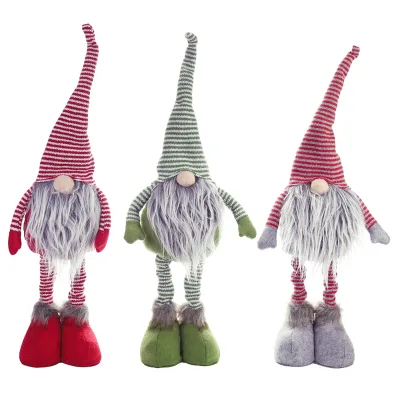


Hote Selling Pink Telescopic Decoration Santa Claus Snowman Standing Doll
$2.85 - $3.21
MOQ: 311 Pieces


Hot Selling Christmas Decoration Cover Cotton Table Standing Faceless Doll
$1.44 - $1.62
MOQ: 617 Pieces

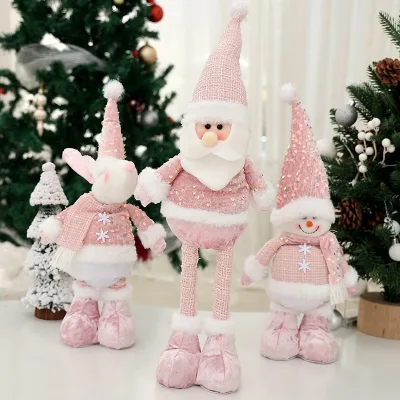

Christmas Standing Telescopic Santa Snowman Xmas Dolls Table Decorations
$3.63 - $3.88
MOQ: 500 Pieces
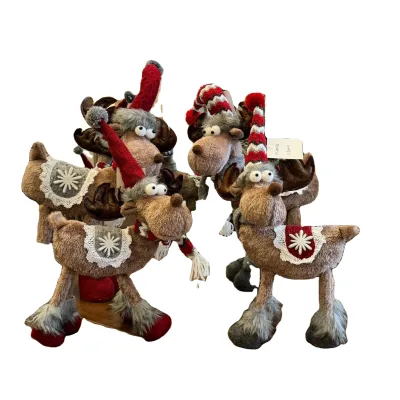

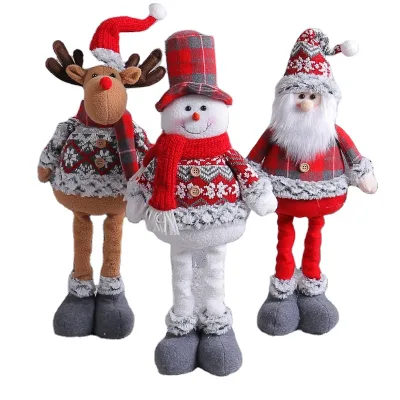


Christmas Decoration Christmas Doll Santa Christmas Gift Navidad Christmas Angel
$1.00 - $2.00
MOQ: 300 Pieces


Wholesale High Quality Christmas Gift Santa Claus Plush Doll for Decoration
$0.37 - $2.37
MOQ: 500 Pieces


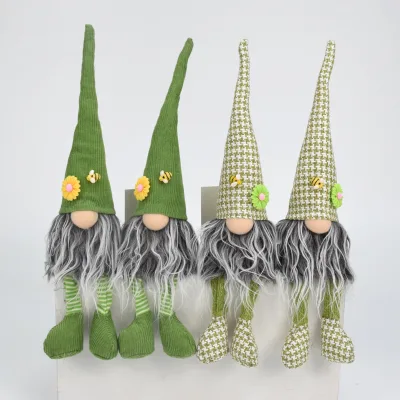

Comprehensive Sourcing Guide
Telescopic Standing Christmas Doll Sourcing Guide
Sourcing telescopic standing Christmas dolls requires a nuanced understanding of both decorative aesthetics and structural integrity, as these items serve as prominent focal points in holiday displays. Buyers must distinguish between static figurines and those with mechanical or extendable components, ensuring the product aligns with specific retail or corporate gifting needs. The market offers a wide variety of styles, from traditional cartoon characters to modern abstract designs, each demanding different quality checks. Understanding the core keyword helps narrow down suppliers who specialize in this niche, preventing confusion with standard plush toys or rigid resin statues.
Procurement teams should prioritize suppliers who demonstrate expertise in handling mixed-material constructions, as these dolls often combine soft fabrics with internal support structures. The visual appeal is critical, so verifying colorfastness and fabric texture is essential before placing large orders. Additionally, the "standing" aspect implies a need for a stable base, which varies significantly in design and material strength. Buyers must evaluate whether the doll is intended for indoor living room decor or outdoor garden displays, as this distinction dictates the durability requirements and weather resistance of the materials used in its construction.
Product Scope and Observed Listing Signals
The current market landscape for Christmas decorations includes a diverse array of products, ranging from knitted fabric ornaments to resin-based figurines. Observed listings indicate that many suppliers offer customizable options, allowing buyers to tailor colors and styles to specific brand identities or seasonal themes. Common materials include knitted fabric, non-woven fabric, resin, and plastic, each offering distinct tactile and visual properties. The presence of OEM branding suggests that many manufacturers are equipped to produce private-label goods, catering to retailers seeking unique product differentiation in a crowded holiday market.
Listing signals also reveal a strong emphasis on customization, with many suppliers offering logo printing and bespoke design services. This flexibility is crucial for businesses looking to create cohesive holiday campaigns. However, buyers must be cautious of vague product descriptions that may not accurately reflect the physical attributes of the item. For instance, while some products are labeled as "telescopic," others may simply be standing figures with fixed heights. Verifying the actual mechanism and material composition through sample requests is essential to avoid discrepancies between marketing claims and the delivered product.
Technical Specifications to Verify
When evaluating technical specifications, buyers must focus on the structural integrity and dimensional accuracy of the Telescopic Standing Christmas Doll. Key parameters include the overall height, base diameter, and the mechanism used for extension or stability. The material composition is critical, as it affects both the aesthetic appeal and the durability of the product. For example, dolls made from knitted fabric may require different handling and storage considerations compared to those made from resin or plastic. Buyers should request detailed technical drawings or specifications that outline the internal support structure, especially if the doll is designed to stand upright without external support.
Additionally, the finish type and surface treatment play a significant role in the product's longevity and visual quality. Plush finishes, for instance, require specific care to maintain their appearance, while resin components may need UV protection if intended for outdoor use. Buyers should verify the weight and packaging dimensions to ensure efficient logistics and storage. The single gross weight and package size are critical for calculating shipping costs and warehouse space requirements. Ensuring that these specifications are clearly defined in the contract helps prevent disputes and ensures that the delivered product meets the buyer's operational needs.
Compliance and Safety Documentation
Compliance with safety standards is paramount, especially when sourcing products intended for children or indoor use. Buyers must ensure that all materials used in the construction of the Christmas doll are free from harmful substances and meet relevant regulatory requirements. This includes verifying that fabrics are flame-retardant if the product is intended for use in public spaces or near heat sources. For products marketed towards children, additional safety checks are necessary to ensure that small parts are securely attached and do not pose a choking hazard. Documentation such as material safety data sheets (MSDS) and test reports from accredited laboratories should be requested and reviewed.
Furthermore, buyers should verify that the supplier adheres to international quality management standards, which can provide assurance of consistent product quality. Certifications related to environmental sustainability may also be relevant, depending on the buyer's corporate social responsibility goals. It is important to note that while some suppliers may claim compliance with specific standards, buyers must independently verify these claims through third-party audits or testing. Ensuring that all compliance documentation is up-to-date and valid helps mitigate legal risks and protects the brand's reputation in the market.
Cost Drivers and Commercial Terms
The cost of telescopic standing Christmas dolls is influenced by several factors, including material costs, labor intensity, and customization requirements. Products made from premium materials such as high-quality knitted fabric or detailed resin casts will naturally command higher prices. Customization options, such as logo printing or bespoke design, also add to the overall cost. Buyers should request detailed quotations that break down these costs to understand the value proposition of each supplier. Additionally, the minimum order quantity (MOQ) can significantly impact the unit price, with larger orders typically benefiting from economies of scale.
Commercial terms such as payment methods, lead times, and shipping arrangements are also critical components of the procurement process. Buyers should negotiate favorable terms that align with their cash flow and inventory management strategies. It is important to clarify who is responsible for import duties and taxes, as this can affect the total landed cost. Suppliers with established logistics networks may offer more competitive shipping rates, but buyers should compare multiple options to ensure they are getting the best value. Clear communication regarding these terms helps prevent unexpected costs and ensures a smooth transaction process.
Supplier Qualification and Quality Control
Supplier qualification is a critical step in ensuring the reliability and consistency of the supply chain. Buyers should conduct thorough due diligence on potential suppliers, including verifying their business licenses, production capabilities, and past performance. Site visits or virtual tours can provide valuable insights into the supplier's manufacturing processes and quality control measures. It is also important to assess the supplier's ability to meet specific customization requirements and handle large volumes of orders. Suppliers with a strong track record in the Christmas decoration industry are more likely to deliver high-quality products on time.
Quality control measures should be established early in the procurement process to ensure that the final product meets the buyer's standards. This includes defining clear quality criteria, such as color accuracy, material durability, and structural integrity. Buyers should request pre-production samples and conduct rigorous testing before approving mass production. Regular inspections during the production process can help identify and address any issues early on. Establishing a robust quality control framework helps minimize the risk of defects and ensures that the delivered products meet the buyer's expectations.
Long-Term Procurement Checks
Long-term procurement success depends on continuous monitoring and evaluation of supplier performance. Buyers should establish key performance indicators (KPIs) to track metrics such as on-time delivery, product quality, and responsiveness to issues. Regular feedback sessions with suppliers can help identify areas for improvement and strengthen the partnership. It is also important to stay updated on market trends and consumer preferences, as these can influence product demand and design requirements. Adapting to changes in the market helps buyers maintain a competitive edge and meet evolving customer needs.
Additionally, buyers should periodically review their supplier base to ensure they are working with the most capable and reliable partners. This may involve onboarding new suppliers or renegotiating terms with existing ones. Building a diverse supplier base can help mitigate risks associated with supply chain disruptions. Buyers should also invest in relationship management to foster trust and collaboration with their suppliers. By maintaining a proactive approach to supplier management, buyers can ensure a stable and efficient supply chain that supports their long-term business goals.
FAQs
What materials are used for these Christmas ornaments?
The ornaments are crafted from knitted fabric, non-woven fabric, resin, and plastic. These materials ensure durability and a soft, plush finish suitable for indoor and outdoor display. The combination allows for varied textures and styles, including cartoon and American style designs, while maintaining high quality for holiday decoration purposes.
Can I customize the logo on these decorations?
Yes, customization is available with OEM and ODM logo options. Buyers can request specific branding to be applied to the ornaments. This service supports tailored marketing needs for retailers and distributors. The customization process allows for unique product differentiation in the competitive holiday decoration market while maintaining the core design integrity.
What is the typical packaging for these items?
The items are packaged in boxes, cartons, or general packages depending on the specific model. Standard packaging dimensions vary, with some sets measuring 25x10x50cm. This ensures safe transit and protection of the plush or resin materials. The packaging is designed to optimize space during shipping while keeping the products secure and presentable upon arrival.
Are these ornaments suitable for children?
Yes, the ornaments are suitable for children and all applicable populations. They are designed with safe materials like knitted fabric and plastic. The cartoon styles and soft textures make them appealing for family environments. These decorations are intended for indoor use, providing a festive atmosphere while being appropriate for households with young children and general holiday decor.
What is the origin of these Christmas decorations?
These decorations originate from Shandong, China. The manufacturing process leverages local expertise in textile and resin production. This origin ensures access to high-quality raw materials and skilled craftsmanship. The products are exported globally, meeting international standards for holiday decorations and providing reliable supply chains for buyers seeking authentic Chinese-made festive items.