Source Waterproof Rechargeable LED Nightclub Furniture for Bars, Clubs, and Hotels
Explore 30 listings of Waterproof Rechargeable LED Nightclub Furniture featuring RGB lighting, remote control, and rechargeable battery options. Buyers can compare specifications, materials, and customization features for salon, bar, and commercial applications.
Key considerations
Products List


Rechargeable LED Furniture Mueble De LED Round Bar Table LED Bar Counter
$100.00 - $300.00
MOQ: 5 Pieces
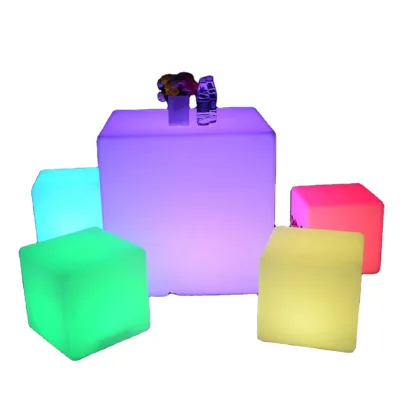
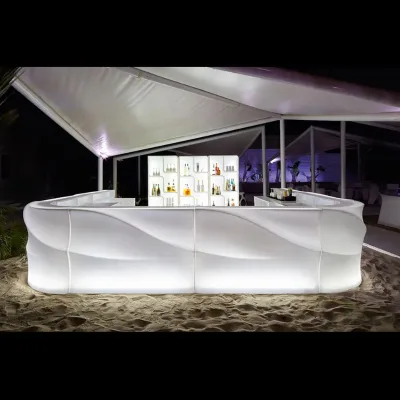
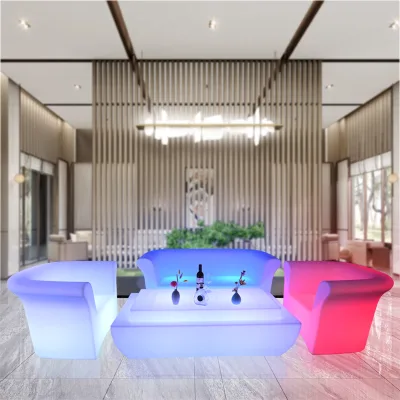


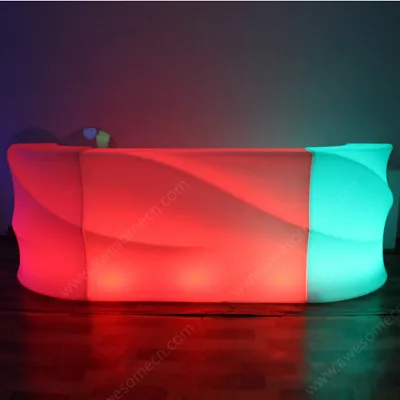


Comprehensive Sourcing Guide
Sourcing Waterproof Rechargeable LED Nightclub Furniture
The global demand for immersive nightlife environments has driven a significant shift toward furniture that integrates lighting, durability, and interactivity. For procurement professionals targeting the core keyword "Waterproof Rechargeable LED Nightclub Furniture," the supply chain offers a distinct category of products designed to withstand high-traffic commercial use while delivering dynamic visual effects. This guide synthesizes available product attributes, technical specifications, and compliance requirements to provide a disciplined framework for sourcing these specialized assets. Buyers must navigate a market where terms like "waterproof" and "rechargeable" are common but require rigorous verification against specific product data to ensure operational reliability in wet or high-moisture environments typical of bars, clubs, and event venues.
Technical Architecture and Lighting Specifications
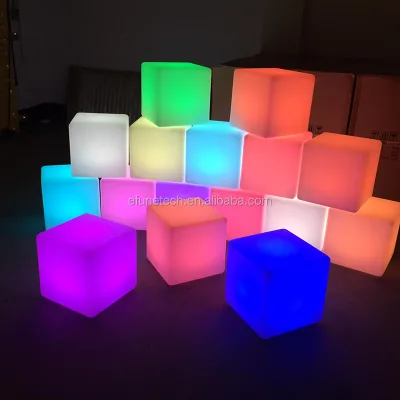
Understanding the technical underpinnings of waterproof rechargeable LED furniture is the first step in defining procurement requirements. The core functionality relies on the integration of light-emitting diodes (LEDs) directly into the furniture structure, often utilizing specific LED types such as RGB5050 and White 3014 or 2835 SMD LEDs. These components are selected for their ability to produce changeable colors, including red, blue, pink, green, orange, and purple, which can be controlled remotely. The lighting source is typically powered by a dual-mode system: a rechargeable lithium battery or direct connection to an AC power source.
The electrical architecture must support a broad input voltage range to accommodate varying global power standards. Observed specifications indicate an input voltage capability of AC 90V-260V or AC 110V-256V, converting to a stable DC 5V output for the LED strips. This wide voltage tolerance is critical for international procurement, ensuring that furniture sourced from one region can operate reliably in another without immediate voltage conversion issues. Battery performance is another key technical metric; typical rechargeable units require 4 to 6 hours of charging time and are designed to sustain operation for 10 to 12 hours on a single charge. This autonomy allows for deployment in areas where power outlets are inaccessible, such as dance floors or outdoor patio sections of a venue.
The physical construction of these units often involves materials like Polyethylene (PE) or general plastics, chosen for their resistance to moisture and impact. The design frequently features a "DIY" or modular approach, allowing for customization of shapes, such as cubes with dimensions like Dia12H24cm or larger furniture pieces like LED Apple Chairs with a size of Dia56H46cm. The inclusion of a remote control is standard, with an infrared (IR) distance capability of 8 to 10 meters, enabling venue managers to adjust lighting effects from a distance without physical interaction with the furniture.
Compliance, Certification, and Safety Standards
In the B2B procurement of electrical furniture, compliance is not merely a formality but a prerequisite for market access and liability protection. The supply data indicates a robust array of certifications that buyers should verify, including CE, RoHS, UL, EMC, LVD, CCC, FCC, SAA, FDA, GS, and ISO. These certifications cover various aspects of safety, electromagnetic compatibility, and hazardous substance restriction. For instance, CE and RoHS are fundamental for European markets, ensuring the product does not emit excessive electromagnetic interference and is free of specific hazardous materials. UL certification is particularly vital for the North American market, signifying that the product has been tested for fire and electrical safety risks.
When evaluating a supplier, procurement teams must request valid certificates for each specific product model, such as the WF-9011-C bar furniture or the Gl-T1224 model. It is essential to distinguish between general company certifications and product-specific test reports. The presence of standards like FCC and SAA suggests compliance with radio frequency and Australian safety standards, respectively, which may be necessary for global distribution. Buyers should also verify the "Standard" attribute, which often lists CE and ROHS, to ensure the product meets the baseline regulatory requirements of the destination country.
Furthermore, the "Waterproof" attribute requires specific verification beyond marketing claims. While the product is listed as waterproof, the exact Ingress Protection (IP) rating (e.g., IP65, IP67) is not explicitly detailed in the general attribute list. Therefore, buyers must explicitly request the IP rating documentation to confirm the level of protection against water jets or immersion, which is critical for nightclub environments where spills and cleaning with high-pressure hoses are common. The absence of a specific IP rating in the general summary necessitates a direct inquiry to the supplier to prevent potential equipment failure due to moisture ingress.
Cost Drivers and Pricing Dynamics
The pricing structure for waterproof rechargeable LED furniture is influenced by several variable factors, including the complexity of the lighting system, the quality of the battery, and the durability of the casing materials. The observed price range in the market spans from 5 to 600 USD, a wide spectrum that reflects the diversity of product types, from small decorative cubes to large, fully functional bar counters or chairs. The lower end of the range likely corresponds to simple, smaller units with basic LED configurations and standard battery life, while the higher end encompasses larger furniture pieces with advanced remote control systems, superior waterproofing, and extended warranty periods.
Minimum Order Quantity (MOQ) is another significant cost driver, with observed ranges varying from 1 to 1000 units. For small venues or testing purposes, suppliers offering an MOQ of 1 allow for low-risk procurement. However, for large-scale outfitting of nightclubs or hotel chains, negotiating an MOQ closer to 1000 units can significantly reduce the per-unit cost. The customization options, such as specific colors, shapes, or branding, often incur additional costs and may affect the lead time. Buyers must balance the desire for customization against the budget constraints, understanding that "Customized" or "DIY" designs may require a higher price point and longer production cycle compared to standard "Modern" style inventory.
Typical Applications and Usage Scenarios
The versatility of waterproof rechargeable LED furniture makes it suitable for a broad spectrum of commercial applications. The primary usage scenarios include salons, bars, shops, festivals, and various nightlife venues such as pubs, clubs, hotels, and nightclubs. The "Applicable Scope" is often listed as "Party," highlighting its suitability for temporary events where power infrastructure may be limited. The furniture is designed to function in environments requiring high durability and aesthetic appeal, such as wedding receptions, landscaping events, and commercial installations.
The specific design attributes, such as the "Counter" kind or "LED Apple Chair" type, dictate their placement within a venue. Counter furniture serves as a focal point in bars, providing both seating and ambient lighting, while standalone chairs and tables enhance the atmosphere in dance areas or VIP sections. The "Folded: Unfolded" attribute suggests that some units may be collapsible for storage, a feature valuable for venues that host events intermittently. The "Rotary: Fixed" and "Armrest: Without Armrest" specifications further define the ergonomic and spatial requirements for these items, ensuring they fit seamlessly into the venue's layout without obstructing movement.
Supplier Evaluation and Quality Control Protocols
Evaluating suppliers for this specialized category requires a focus on their ability to deliver consistent quality and adhere to the specified technical standards. The origin of the products is frequently listed as Guangdong, China, a major manufacturing hub for electronics and furniture. Buyers should verify the supplier's capacity to handle the "Lead Time" of 5-7 days, which is relatively short but may vary based on customization levels. The "Condition: New" attribute confirms that the products are not refurbished, but buyers must ensure that the "New" status applies to the specific batch being ordered.
Quality control protocols should be established to verify the "Material" consistency, ensuring that the PE or Plastic components meet the required durability standards. The "Packing" method, described as "Carton" or "PP Bag+Carton Box," is crucial for protecting the fragile LED components during transit. Buyers should inspect the packaging specifications to ensure they are robust enough to prevent damage during shipping. Additionally, the "Warranty: 1year" is a standard offering, but procurement teams should clarify the terms of this warranty, including coverage for battery degradation and LED failure, to ensure long-term value.
Long-Term Procurement and Maintenance Considerations
Sourcing waterproof rechargeable LED furniture involves long-term considerations regarding maintenance and lifecycle management. The battery life, typically 10 to 12 hours of operation, necessitates a charging schedule that aligns with the venue's operating hours. Over time, the battery capacity may degrade, and buyers should inquire about the availability of replacement batteries or the feasibility of replacing the entire unit. The "Remote Control" functionality also requires maintenance; if the IR distance is 8-10 meters, buyers must ensure that the remote's battery is easily replaceable and that the receiver units are accessible for repair.
The "Customized" nature of these products means that spare parts may not be universally compatible across different batches. Procurement strategies should include securing a stock of spare parts, such as remote controls and power adapters, to minimize downtime. Furthermore, the "LED Type" and "Light Source" specifications should be documented to ensure that future replacements match the original color temperature and brightness. By maintaining detailed records of the product specifications, including the model numbers like WF-9011-C and Gl-T1224, buyers can streamline the reordering process and ensure consistency in their venue's aesthetic.
Comparative Analysis of Product Attributes
To facilitate decision-making, the following table summarizes key attributes observed in the supply data, highlighting the variations that buyers must consider during the sourcing process.
| Attribute Category | Specific Observation | Procurement Implication |
|---|---|---|
| Light Source | RGB5050+White 3014/2835 LEDs | Verify color consistency and brightness levels for specific venue needs. |
| Power Source | Li-Battery or Direct AC (90V-260V) | Ensure compatibility with local power grids; check battery charging time (4-6h). |
| Waterproof Status | Listed as Waterproof | Request specific IP rating documentation to confirm moisture resistance level. |
| Material | PE, Plastic | Assess durability against impact and chemical cleaning agents used in venues. |
| Certification | CE, RoHS, UL, FCC, SAA, etc. | Match certifications to target market regulations; verify validity of certificates. |
| Dimensions | Dia12H24cm to Dia56H46cm | Select size based on venue layout and seating capacity requirements. |
| Control | Remote Control (8-10m IR) | Confirm remote battery type and replacement availability. |
| Warranty | 1 Year | Clarify warranty terms for battery and LED failure. |
In conclusion, sourcing Waterproof Rechargeable LED Nightclub Furniture requires a meticulous approach that balances technical specifications, regulatory compliance, and cost efficiency. By leveraging the observed data on LED types, power requirements, and certification standards, buyers can make informed decisions that ensure the longevity and performance of their investments. The wide range of applications and customization options offers significant flexibility, but success depends on rigorous supplier evaluation and clear communication of technical requirements.
FAQs
What certifications do Waterproof Rechargeable LED Nightclub Furniture units have?
These units typically hold CE, RoHS, UL, EMC, LVD, CCC, FCC, SAA, FDA, GS, and ISO certifications. Buyers must verify that specific product models like WF-9011-C or Gl-T1224 carry valid certificates for their target market to ensure compliance with safety and electromagnetic standards.
How long does the battery last on a single charge?
The battery can sustain operation for 10 to 12 hours on a single charge after a 4 to 6 hour charging period. This autonomy allows for use in areas without power outlets, provided the unit is charged fully before deployment in venues like bars or clubs.
Can these furniture pieces be customized for specific designs?
Yes, customization is available for shapes, colors, and branding on these Waterproof Rechargeable LED Nightclub Furniture units. Buyers should expect that custom orders may affect the lead time and pricing, with options ranging from standard modern styles to specific DIY configurations.
What is the input voltage range for these LED furniture items?
The input voltage range supports AC 90V to 260V, converting to a stable DC 5V output for the LEDs. This wide tolerance ensures the furniture operates reliably in various global power environments without requiring immediate voltage conversion adapters.
Which materials are used to construct these waterproof LED furniture pieces?
These units are constructed from durable materials like Polyethylene (PE) or general plastics to resist moisture and impact. The design often includes a remote control for changing colors, with dimensions varying from small cubes to larger chairs depending on the specific model.
How far can the remote control operate from the furniture?
The infrared remote control typically operates effectively at a distance of 8 to 10 meters from the furniture. This range allows venue managers to adjust lighting effects and colors remotely without needing to physically interact with the units during events.
What is the typical lead time for ordering these products?
The standard lead time for these products is 5 to 7 days from the order date. This duration may vary depending on the level of customization required and the current production capacity of the manufacturers located in Guangdong, China.