Source Waterproof Reflective Rain Suit for Traffic, Security, and Sanitation
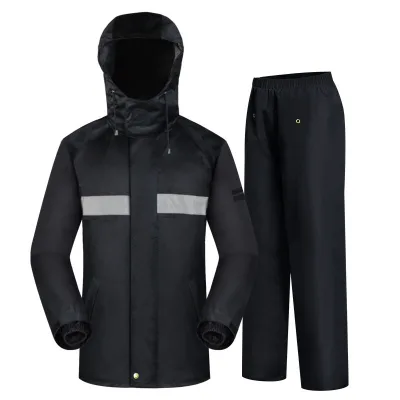
Explore 30 verified options for a Waterproof Reflective Rain Suit designed for road administration, security staff, and sanitation workers. Buyers can compare models like PRCPVCT3 and HWU21, noting features such as CE certification, PVC material, and customizable reflective strips for winter use.
Key considerations
Products List


High Visibility Reflective Waterproof Rainwear PVC Polyester Raincoat Rain Suit
$2.80 - $3.20
MOQ: 100 Pieces


Hot Sale 100% PVC Outdoor Safety Reflective Rain Jacket Pants Raincoat Rainsuit
$3.00 - $4.20
MOQ: 1000 Pieces




Comprehensive Sourcing Guide
Waterproof Reflective Rain Suit Sourcing Guide
Procuring waterproof reflective rain suits requires a disciplined approach that balances material performance, visibility standards, and commercial viability. These garments are critical for personnel operating in adverse weather conditions, particularly in transportation, road administration, and security sectors where visibility and dryness are non-negotiable safety requirements. Buyers must navigate a market characterized by diverse material compositions, ranging from PVC to PU, and varying levels of customization to ensure the selected suits meet specific operational demands.
This guide provides a structured framework for evaluating suppliers and products based on observed market signals and technical realities. It focuses on verifying key attributes such as waterproofing durability, reflective strip placement, and compliance with regional safety standards. By adhering to these verification steps, procurement teams can mitigate risks associated with substandard materials, non-compliant designs, and unreliable supply chains, ensuring that the final product delivers on its promise of protection and visibility.
Product Scope and Observed Listing Signals
The current market for waterproof reflective rain suits exhibits a wide range of product configurations, primarily driven by the intended usage environment. Observed listings indicate that these suits are designed for unisex adult wear, with applications spanning transportation, road administration, traffic warden duties, security staff operations, and sanitation work. The functional requirements for these roles necessitate suits that are not only waterproof but also durable and breathable, ensuring that workers remain protected from rain while maintaining comfort during extended periods of physical activity.
Market data reveals significant variation in pricing and minimum order quantities (MOQ), reflecting the diversity of supplier capabilities and product tiers. Prices for these items typically range from $1 to $15.8 USD, with MOQs varying between 100 and 3,000 pieces. This disparity suggests that buyers can access both low-volume, high-customization options and high-volume, cost-effective standard products. Additionally, many suppliers offer customization services, including logo printing and ODM/OEM design support, allowing organizations to brand their safety gear while maintaining specific technical specifications.
Technical Specifications to Verify
Material composition is the primary determinant of a rain suit’s performance, with PVC and PU being the most commonly observed materials in the market. PVC suits are often valued for their robust waterproofing and lower cost, making them suitable for heavy-duty industrial use, while PU offers greater flexibility and breathability, which may be preferable for activities requiring higher mobility. Buyers must verify the specific material grade and thickness, as these factors directly influence the suit’s resistance to tearing, abrasion, and prolonged exposure to moisture.
Reflective strip placement and quantity are critical for ensuring visibility in low-light conditions, a key requirement for road and traffic-related roles. Suits should feature high-visibility reflective strips that are securely attached and resistant to washing and wear. Additionally, the fit and sizing options, which range from one-size-fits-all to comprehensive S-XXXL ranges, must be carefully evaluated to ensure that the suits accommodate the diverse body types of the workforce. Proper fit is essential for maintaining the integrity of the waterproof seals and ensuring that the reflective strips remain in optimal positions for visibility.
Compliance and Safety Documentation
Certification verification is a mandatory step in the procurement process, as it ensures that the rain suits meet regional safety and environmental standards. Common certifications observed in the market include CE, EN SASO, and REACH, which indicate compliance with European and other international safety and chemical regulations. Buyers must request valid certification documents from suppliers and verify their authenticity through recognized testing bodies, as counterfeit or expired certificates pose significant legal and safety risks.
In addition to product certifications, buyers should inquire about the testing protocols used to validate the suit’s performance claims. This includes tests for waterproof pressure resistance, seam sealing integrity, and the durability of reflective materials under repeated washing cycles. Suppliers should be able to provide test reports or summaries that demonstrate their products meet the specified performance criteria. Without this documentation, buyers risk procuring suits that fail to provide adequate protection, potentially leading to workplace accidents and regulatory penalties.
Cost Drivers and Commercial Terms
The cost of waterproof reflective rain suits is influenced by several factors, including material type, customization requirements, and order volume. PVC materials generally offer a lower cost point compared to PU, but the difference may be offset by the need for additional features such as enhanced breathability or flexibility. Customization, such as logo printing or specific color schemes, adds to the production cost and may also affect the MOQ, as suppliers often require higher volumes to justify the setup costs for custom designs.
Commercial terms, including lead times and payment conditions, vary significantly among suppliers. Sample delivery times are typically within 20 days, allowing buyers to evaluate product quality before committing to large orders. However, production lead times for bulk orders can extend beyond this period, depending on the complexity of the design and the supplier’s current capacity. Buyers should negotiate clear terms regarding delivery schedules, penalties for delays, and return policies for defective goods to protect their interests and ensure timely receipt of the products.
Supplier Qualification and Quality Control
Supplier qualification involves assessing the manufacturer’s production capabilities, quality management systems, and track record. Buyers should prioritize suppliers who have established quality control processes, including in-line inspections and final random inspections, to ensure that each batch of rain suits meets the agreed-upon specifications. Suppliers that offer ODM/OEM services should also demonstrate a strong design and engineering capability, as this indicates their ability to innovate and adapt to specific buyer requirements.
Quality control extends beyond the initial production phase to include ongoing monitoring and feedback loops. Buyers should establish clear communication channels with suppliers to address any issues that arise during production or after delivery. This includes defining acceptable quality limits (AQL) for defects such as stitching errors, material flaws, or reflective strip misalignment. Regular audits and performance reviews can help maintain high standards and foster a collaborative relationship with suppliers, ensuring continuous improvement in product quality and service.
Long-Term Procurement Checks
Long-term procurement success depends on the ability to adapt to changing market conditions and regulatory requirements. Buyers should regularly review their rain suit specifications to ensure they remain aligned with evolving safety standards and operational needs. This includes staying informed about new materials, technologies, and design trends that could enhance the performance and comfort of the suits. Engaging with suppliers for continuous improvement initiatives can also lead to cost savings and product enhancements over time.
Additionally, buyers should maintain a diversified supplier base to mitigate risks associated with supply chain disruptions. Relying on a single supplier can expose the organization to potential shortages, price fluctuations, or quality issues. By cultivating relationships with multiple qualified suppliers, buyers can ensure a steady supply of rain suits and leverage competition to negotiate better terms. Regular market analysis and supplier performance evaluations are essential for maintaining a resilient and efficient procurement strategy.
FAQs
What certifications do the waterproof reflective rain suits have?
The products carry CE certification, with some models also meeting ENSASO and REACH standards. These certifications ensure the gear meets specific safety and material requirements for professional use in various industries.
Can I customize the rain suits with my own logo?
Yes, customization is available including logo printing on the gear. Buyers can request ODM or OEM designs to brand the suits for their specific organizational needs or uniform requirements.
What is the minimum order quantity for these rain suits?
The minimum order quantity is typically 1000 pieces for standard orders. Some listings may show ranges from 100 to 3000, but the confirmed high-confidence fact sets the baseline at 1000 PCS.
How long does it take to receive a sample?
Samples can be provided with a delivery time within 20 days. This allows buyers to verify the quality and fit of the waterproof and breathable materials before committing to a larger purchase.
Which materials are used to make these rain suits?
The suits are constructed from durable materials such as PVC and PU. These materials provide the necessary waterproof and breathable properties required for winter use by traffic wardens and sanitation workers.
What is the packaging method for the rain suits?
Products are packed in standard packaging, often using plastic bags and carton boxes. The specific carton dimensions for some models are 50 by 40 by 37 cm to ensure safe transport.