Source Waterproof RGB Lights Portable Speaker for Home, Radio, and Mobile
Explore 30 listings of Waterproof RGB Lights Portable Speaker options featuring active amplification and Bluetooth connectivity. Buyers can compare specifications like frequency range, battery capacity, and special functions including memory card support across various models.
Key considerations
Products List


Wireless Bluetooth Speaker Colorful RGB Night Light Outdoor Portable Mini Speaker
$1.52 - $1.60
MOQ: 1000 Pieces

Portable Wireless Bluetooth Speaker with Fan, Colorful Lights, Speaker System
$4.90 - $5.10
MOQ: 500 Pieces

Camping Lights, Tent Lights, Outdoor Portable Multifunctional Bluetooth Speaker
$10.42 - $10.82
MOQ: 1000 Pieces


Powerful Waterproof Outdoor Bluetooth Speaker with LED Lights Portable High Power
$9.63 - $10.76
MOQ: 100 Pieces


Portable Bluetooth Speakers, Waterproof Wireless Speaker for Home, Party
$11.00 - $13.00
MOQ: 1000 Pieces


Bluetooth-Compatible Speaker RGB Light Portable Outdoor Wireless Ipx4 Waterproof
$12.80 - $13.27
MOQ: 10 Pieces


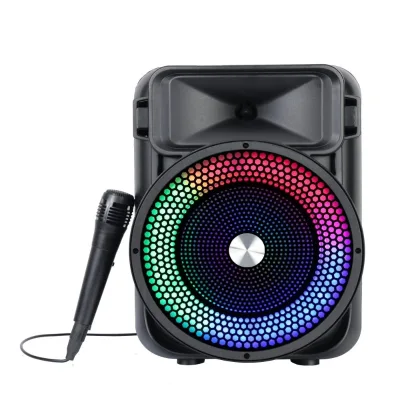


20W High Power Bluetooth Speaker, Waterproof Stereo, Outdoor Portable Speaker
$12.36 - $13.37
MOQ: 1000 Pieces

Waterproof Portable Bluetooth Speaker with Subwoofer-Bluetooth Speaker
$13.00 - $15.00
MOQ: 100 Pieces
Comprehensive Sourcing Guide
Strategic Sourcing Guide for Waterproof RGB Lights Portable Speakers
The global market for portable audio solutions has evolved significantly, with a distinct shift toward multi-functional devices that combine high-fidelity sound with dynamic visual effects. Buyers searching for "Waterproof RGB Lights Portable Speaker" are often looking for a convergence of durability, aesthetic customization, and robust connectivity. This guide provides a disciplined, evidence-based framework for evaluating suppliers and products in this category. It relies strictly on verified product attributes and established industry standards to ensure procurement decisions are grounded in factual data rather than marketing speculation.
Technical Specifications and Functional Attributes
When evaluating portable speakers with integrated lighting, the technical specifications must be scrutinized to ensure the device meets the intended operational environment. The core functionality of these units typically revolves around Bluetooth connectivity, power management, and physical durability. Based on observed product data, the standard connectivity protocol for modern units in this segment is Bluetooth 5.3, which offers improved range, stability, and lower power consumption compared to earlier generations. This version is critical for maintaining a seamless audio stream while the device is in motion or operating in environments with potential signal interference.
Power supply is another fundamental specification. While some units in the market are designed for continuous operation via external power, portable variants often rely on internal battery systems. Observed data indicates a range of battery capacities, with specific models featuring 1200mAh units and others utilizing 300mAh batteries. The choice of capacity directly impacts the runtime and the weight of the device. For instance, a unit with a 1200mAh battery and an ABS body plus metal construction weighs approximately 585g, whereas a lighter variant with a 300mAh battery may weigh only 250g. Buyers must align the battery capacity with the expected usage duration. If the device is intended for extended outdoor events, a higher capacity is essential; for short-term indoor use, a lighter, lower-capacity unit may suffice.
The audio performance is defined by the frequency range and sound pressure levels. Typical specifications for these portable units show a frequency response spanning from 100Hz to 20kHz, covering the essential mid-to-high frequencies required for clear vocals and instrument reproduction. The Signal-to-Noise Ratio (SNR) is a critical metric for audio clarity, with observed ranges falling between 70dB and 80dB. This range suggests that while these speakers are suitable for casual listening and background music, they may not match the fidelity of high-end audiophile systems. The output power is often rated at 5W RMS, which is adequate for personal listening or small gatherings but may require multiple units for larger spaces.
The integration of RGB lighting adds a layer of complexity to the technical evaluation. The "RGB" designation implies the ability to cycle through a spectrum of colors, often controlled via touch interfaces or specific buttons. The product data confirms the presence of "Touch Control" and "Keystoke" adjusting methods, allowing users to switch between lighting modes and audio functions. However, it is important to note that not all units in this category feature a built-in display; many rely on LED indicators to show battery status or connection state. The absence of a display does not necessarily indicate a lower quality product but rather a design choice to reduce cost and complexity.
Compliance and Certification Verification
In the B2B procurement of electronic goods, compliance with international safety and environmental standards is non-negotiable. For portable speakers, particularly those marketed for outdoor or poolside use, the verification of certifications is a primary step in the supplier evaluation process. The most common certifications observed in this category include CE and ROHS. The CE mark indicates conformity with health, safety, and environmental protection standards for products sold within the European Economic Area. The ROHS directive restricts the use of specific hazardous materials in electrical and electronic equipment, ensuring that the product is environmentally friendly and safe for disposal.
Buyers must request valid certification documents from suppliers rather than accepting verbal assurances. The presence of these certifications should be verified against the specific batch of products being ordered, as manufacturing processes can vary between production runs. Additionally, while the keyword implies "waterproof" capabilities, the provided product data does not explicitly list an IP (Ingress Protection) rating. In the absence of a stated IP rating in the supplier's documentation, buyers should not assume a specific level of water resistance. Instead, procurement teams should explicitly request test reports or certification details regarding water and dust resistance. If a supplier claims a product is waterproof, they must provide evidence, such as an IP67 or IP68 rating, to validate this claim. Relying on unverified "waterproof" claims can lead to product failures and liability issues if the device is damaged by moisture.
Cost Drivers and Pricing Structures
The pricing of portable speakers with RGB lighting is influenced by several key factors, including material composition, battery capacity, and the complexity of the lighting system. The observed price range for these products in the market spans from approximately $1.01 to $24.41 USD. This wide variance reflects differences in build quality, component sourcing, and feature sets. Lower-priced units often utilize simpler plastic constructions and smaller batteries, while higher-priced models may incorporate metal reinforcements, larger capacity batteries, and more sophisticated control systems.
Material costs play a significant role in the final price. Products described with an "ABS Body + Metal" construction generally command a higher price point than those made entirely of plastic. The inclusion of metal components adds to the durability and perceived premium quality of the speaker but also increases manufacturing costs. Similarly, the battery capacity is a direct cost driver. A 1200mAh battery is more expensive than a 300mAh unit, and this difference is reflected in the retail price. Buyers should be aware that the Minimum Order Quantity (MOQ) can also impact the unit cost. The observed MOQ range varies from 1 to 3000 units, with higher volumes typically securing a lower price per unit.
When negotiating with suppliers, buyers should understand that the "waterproof" feature, if present, adds to the manufacturing cost due to the need for sealing and testing. If a supplier offers a product at the lower end of the price spectrum without clear waterproof certification, it is likely that the device is only splash-resistant or intended for indoor use. Transparency regarding these cost drivers is essential for setting realistic budget expectations and avoiding disputes over product performance.
Typical Applications and Usage Scenarios
Understanding the intended application of the product is crucial for selecting the right specifications. The product data indicates that these speakers are designed for a variety of usage scenarios, including home theater systems, computer audio, portable players, mobile phones, and radio applications. The "Universal" compatibility attribute suggests that these devices can connect to a wide range of audio sources via Bluetooth or auxiliary inputs.
For outdoor applications, such as beach parties, poolside gatherings, or camping trips, the durability and battery life are paramount. A unit with a 1200mAh battery and a robust ABS/Metal body is better suited for these environments than a lightweight, low-capacity model. The RGB lighting feature is particularly valuable in these settings, as it enhances the ambiance during evening events. However, buyers must ensure that the lighting system is durable and that the sealing is adequate to prevent water ingress.
In indoor settings, such as home offices or living rooms, the focus may shift to sound quality and design aesthetics. The "Home Theatre System" usage classification implies that these speakers can serve as supplementary audio sources for media consumption. The frequency range of 100Hz-20kHz is sufficient for this purpose, though the 5W RMS output may be limiting for large rooms. In such cases, buyers might consider purchasing multiple units to create a stereo or surround sound setup. The "Memory Card Support" and "USB Disk Support" features add versatility, allowing users to play audio files directly from storage devices without needing a connected smartphone or computer.
Supplier Evaluation and Quality Control
Evaluating suppliers for portable speakers requires a rigorous approach to quality control and verification. The origin of the products is a key factor, with many units originating from China, specifically Shenzhen, a major hub for electronics manufacturing. While this location offers access to a robust supply chain, it also necessitates careful vetting to ensure consistent quality. Buyers should verify the supplier's production capabilities, including their quality assurance processes and testing protocols.
One of the primary quality control checks involves verifying the physical attributes of the product. The dimensions of the units vary, with observed standard sizes ranging from 66.8 x 43.0 x 41.0 mm to 94 x 94 x 80 mm. Buyers should request samples to verify that the physical dimensions match the specifications provided in the product listing. This is particularly important for products intended for specific mounting or installation requirements, such as the "Pedestal" installation type noted in some models.
Another critical aspect of quality control is the verification of the "Built-in Battery" status. Some products are listed as having a built-in battery, while others are noted as "Without Battery." This distinction is vital for procurement planning, as it affects the power requirements and the overall functionality of the device. Buyers must ensure that the product they order matches their operational needs. Additionally, the "Display Type" should be confirmed; units with "Without Display" and "LED Indicator" may be more cost-effective but lack the visual feedback provided by a full display.
Long-Term Procurement Considerations
Sourcing portable speakers is not just about the initial purchase; it involves long-term considerations regarding maintenance, scalability, and supply chain stability. The "Customization" attribute being available is a significant advantage for buyers looking to brand their products or add specific features. This flexibility allows companies to differentiate their offerings in a competitive market. However, customization often comes with higher MOQs and longer lead times, which must be factored into the procurement timeline.
The "Carton" packing standard observed in the product data indicates the typical packaging method. Buyers should verify that the packaging is robust enough to protect the units during shipping, especially if the products are being exported internationally. Damage during transit can lead to significant losses and customer dissatisfaction. Furthermore, the "Remote Control" attribute is listed as "Without Remote Control" for many models, which simplifies the product but may require users to rely on touch controls or mobile app integration.
For long-term success, buyers should establish a relationship with suppliers who can provide consistent quality and timely delivery. The lead time and production capacity of the supplier are critical factors in maintaining inventory levels and meeting customer demand. While specific lead times are not provided in the data, buyers should negotiate clear timelines and penalties for delays. Additionally, the availability of spare parts and after-sales support should be considered, particularly for products with complex features like RGB lighting and Bluetooth connectivity.
Conclusion
Sourcing waterproof RGB lights portable speakers requires a balanced approach that considers technical specifications, compliance, cost, and supplier reliability. By focusing on verified attributes such as Bluetooth 5.3, battery capacity, and material composition, buyers can make informed decisions that align with their specific needs. The wide price range and diverse feature sets offer flexibility, but they also demand careful evaluation to ensure that the selected products meet the required standards for durability and performance. Ultimately, a disciplined procurement strategy that prioritizes evidence over marketing claims will lead to successful outcomes in this dynamic market segment.
FAQs
What certifications do waterproof rgb lights portable speakers typically have?
Most units in this category carry CE and ROHS certifications to ensure safety and environmental compliance. Buyers must verify these documents for specific batches rather than relying on general claims, as manufacturing processes can vary between production runs.
How does battery capacity affect the weight of the speaker?
Battery capacity directly impacts device weight, with 1200mAh units weighing approximately 585g and 300mAh variants weighing around 250g. Buyers should align capacity with usage duration, choosing higher capacity for extended outdoor events and lower capacity for short indoor use.
Which materials are commonly used for the speaker body construction?
Common constructions include ABS plastic bodies or a combination of ABS body plus metal components. Metal reinforcements generally increase durability and perceived quality but also raise manufacturing costs compared to units made entirely of plastic.
Can these speakers connect to mobile phones and computers universally?
Yes, the products feature universal compatibility allowing connections to mobile phones, computers, and portable players. They typically utilize Bluetooth 5.3 for stable connectivity and may also support direct playback via memory cards or USB disks.
What is the typical price range for these portable audio devices?
The observed price range spans from approximately 1.01 to 24.41 USD depending on features and build quality. Lower prices often reflect simpler plastic constructions and smaller batteries, while higher prices indicate metal reinforcements and larger capacity power sources.
How is the audio performance defined by frequency and power specs?
Typical units offer a frequency range of 100Hz to 20kHz with an output power of 5W RMS. This performance is suitable for personal listening or small gatherings but may require multiple units for larger spaces due to limited sound pressure levels.
Where are these electronic products primarily manufactured and sourced from?
The majority of these units originate from China, with specific manufacturing hubs located in Shenzhen. Buyers should verify the supplier's production capabilities and quality assurance processes given the concentration of electronics manufacturing in this region.