Source Waterproof RGBW PAR Can for Stage, Wedding, Landscape
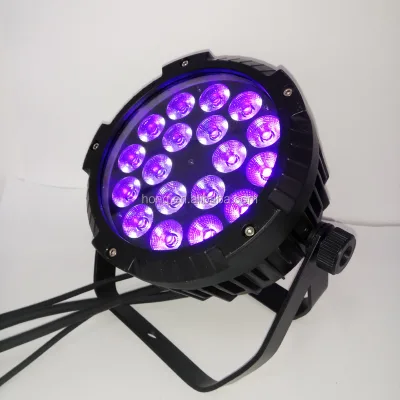
Compare 30 Waterproof RGBW PAR Can options from verified suppliers. These units feature aluminum alloy shells, IP65 ratings, and RGBWA UV LEDs suitable for outdoor weddings, landscape lighting, and stage performances; compare the available evidence and request quotations based on your requirements.
Key considerations
Products List




Comprehensive Sourcing Guide
Waterproof RGBW PAR Can Sourcing Guide
Procuring waterproof RGBW par cans requires a disciplined approach to balancing optical performance with environmental resilience. Buyers must prioritize units that combine robust aluminum alloy construction with high-quality polycarbonate diffusers to ensure longevity in outdoor settings. The core challenge lies in verifying that the IP rating claims match actual field performance, particularly for events like outdoor weddings or landscape lighting where exposure to moisture is inevitable.
This guide focuses on evidence-based verification steps rather than marketing claims. It addresses the critical technical specifications, such as LED configuration and beam angles, which directly impact light output and color mixing. By adhering to strict verification protocols for certifications and commercial terms, procurement teams can mitigate risks associated with non-compliant products and ensure reliable supply chain performance for large-scale installations.
Product Scope and Observed Listing Signals
The market for waterproof RGBW par cans features a diverse range of models, typically identified by specific series codes like LY-818L or LY-560L. Listings often highlight variations in LED quantity, such as 18-piece or 24-piece configurations, which influence both brightness and power consumption. Buyers should observe that while some units are explicitly marketed as waterproof with IP65 ratings, others may lack this protection, making it essential to distinguish between indoor-only and outdoor-ready fixtures before placing orders.
Observed listing signals also reveal significant variations in physical attributes, including net weights ranging from 5 kg to 7.3 kg and gross weights up to 8.4 kg. These weight differences often correlate with the density of the aluminum alloy housing and the quality of the internal components. Procurement teams must carefully review packing specifications, which frequently include flight cases or carton boxes, to ensure that logistics planning accounts for the substantial mass and fragile nature of these lighting fixtures during transit.
Technical Specifications to Verify
Verifying the LED source is paramount, with common configurations including 18x6in1 or 18x18W units using brands like Tianxin. Buyers must confirm the emitting color capabilities, ensuring the unit supports RGBWA UV for full-spectrum color mixing, which is critical for dynamic stage performances. Additionally, the beam angle options, such as 15, 25, or 45 degrees, should be matched to the specific application requirements, whether it requires a tight spotlight effect or a wider wash for landscape illumination.
Electrical and operational specifications also require rigorous checking. The input voltage is typically 220V AC, and the working lifetime is often cited around 60,000 to 80,000 hours. Buyers should verify the number of DMX channels, which can vary, and confirm support for dimming functions to ensure compatibility with existing control systems. The color rendering index, often rated at Ra 95 for pure white light, is another key metric that affects the visual quality of the illuminated environment.
Compliance and Safety Documentation
Safety certifications are non-negotiable for professional lighting equipment, with CE and RoHS being the most commonly cited standards in the supply chain. Buyers must request valid certification documents to verify that the products meet European safety and environmental directives, which is often a prerequisite for importing into many international markets. The presence of SGS certification further indicates that independent testing has been conducted, providing an additional layer of assurance regarding product safety and material compliance.
Beyond basic certifications, buyers should inquire about specific test reports that validate the IP65 waterproof rating. This rating ensures protection against water jets from any direction, which is crucial for outdoor applications. Procurement teams must ensure that the documentation provided by suppliers is current and matches the specific model numbers being ordered, as compliance status can vary between different production batches or product lines within the same manufacturer.
Cost Drivers and Commercial Terms
The price range for these fixtures is broad, typically spanning from $0.27 to $200, driven by factors such as LED quality, housing material, and included accessories. Buyers should understand that lower prices may correlate with reduced component quality or lack of essential features like flight cases. Minimum order quantities (MOQ) also vary significantly, ranging from 1 to 500 units, which impacts the total cost per unit and the feasibility of small-scale trials versus large-volume deployments.
Commercial terms must be clearly defined to avoid hidden costs. Payment methods such as TT or Western Union are common, but buyers should negotiate favorable terms based on order volume. It is also critical to clarify who bears the cost of shipping and insurance, especially given the heavy weight of these aluminum alloy units. Understanding the warranty period, often one year, and the process for handling defective units is essential for managing long-term operational risks and maintaining project timelines.
Supplier Qualification and Quality Control
Supplier qualification begins with verifying the place of origin, with many manufacturers located in Guangzhou, China, a hub for lighting production. Buyers should assess the supplier’s capability to provide onsite metering and lighting solutions services, which indicates a higher level of technical support and customization ability. Customization options are often available, allowing buyers to tailor products to specific brand colors or functional requirements, but this must be confirmed during the initial inquiry phase.
Quality control processes should be explicitly outlined in the procurement agreement. Buyers must ensure that suppliers conduct pre-shipment inspections to verify the integrity of the polycarbonate diffusers and the stability of the LED arrays. It is advisable to request sample units for testing before committing to large orders, allowing for a thorough evaluation of color consistency, heat dissipation, and waterproof performance under real-world conditions.
Long-Term Procurement Checks
Long-term success depends on establishing a robust relationship with suppliers who can provide consistent quality and timely delivery. Buyers should monitor the supplier’s ability to maintain stock levels of critical components, such as specific LED brands or replacement parts, to minimize downtime in case of failures. Regular communication regarding product updates and technological advancements can also help buyers stay competitive and ensure their lighting installations remain state-of-the-art.
Finally, buyers must implement a systematic approach to tracking product performance in the field. Collecting data on failure rates, color drift, and waterproof integrity over time provides valuable feedback for future procurement decisions. This data-driven approach allows for continuous improvement in supplier selection and product specifications, ensuring that the procurement strategy evolves in response to actual operational needs and market changes.
FAQs
What certifications do these waterproof RGBW PAR cans have?
These fixtures typically hold CE, RoHS, and SGS certifications. This ensures compliance with international safety and environmental standards for stage and outdoor lighting applications. Buyers should verify specific documentation with suppliers to confirm valid test reports and regulatory adherence for their target markets.
Can I customize the beam angle for these PAR cans?
Yes, customization is available for beam angles such as 15, 25, or 45 degrees. This allows precise light control for different stage or landscape setups. Buyers must specify their preferred angle during the ordering process to ensure the manufacturer produces the correct optical configuration for their event needs.
What is the typical lifespan of these LED PAR cans?
The LED source generally offers a lifespan of 60,000 to 80,000 hours. This long operational life reduces maintenance frequency for permanent or frequent installations. The actual duration depends on usage patterns and thermal management, so proper ventilation and stable power supply are recommended for optimal longevity.
Which materials are used for the housing of these lights?
The housing is primarily constructed from aluminum alloy for durability and heat dissipation. Some models feature polycarbonate diffusers to protect the LEDs. This robust construction supports outdoor use and frequent transport, ensuring the fixture withstands environmental stress while maintaining structural integrity during stage performances or landscape lighting events.
What is the minimum order quantity for these fixtures?
The minimum order quantity ranges from 1 to 500 units depending on the supplier. This flexibility accommodates both small rental companies and large event production firms. Buyers should confirm the specific MOQ with their chosen vendor, as bulk orders may qualify for better pricing or customized packaging options.
Are these PAR cans suitable for outdoor wedding applications?
Yes, many models are explicitly designed for outdoor weddings and landscape lighting. They often feature IP65 waterproof ratings to resist rain and dust. This makes them ideal for outdoor stage performances and park installations, providing reliable illumination in various weather conditions while maintaining vibrant RGBWA UV color effects.