Source Waterproof Shock Absorbent Phone Cover for Travel, Work, and Outdoor Use
Find 30 options for a Waterproof Shock Absorbent Phone Cover featuring materials like PU and TPU with customizable designs. Buyers can compare specifications including hardness, certifications, and compatible brands to select the right case for their needs.
Key considerations
Products List


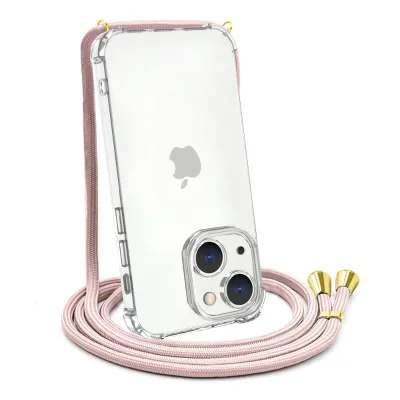
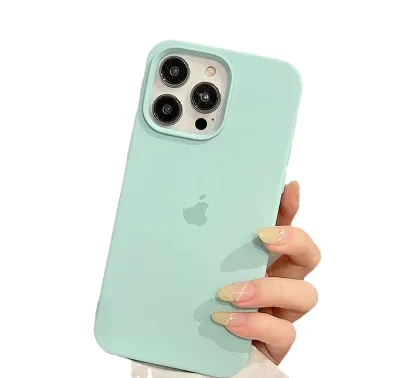

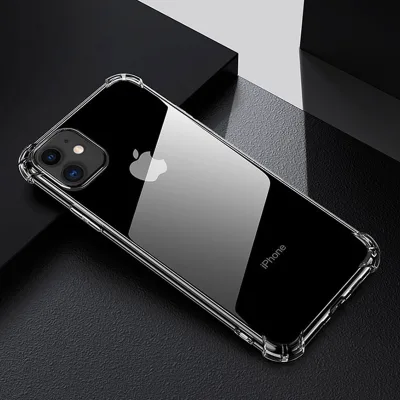


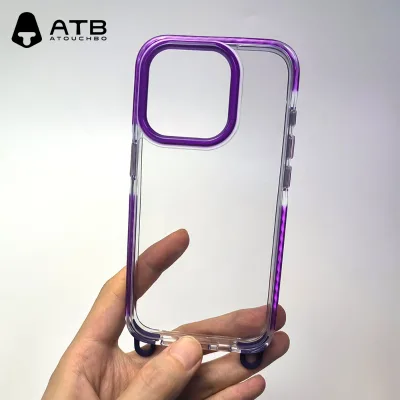
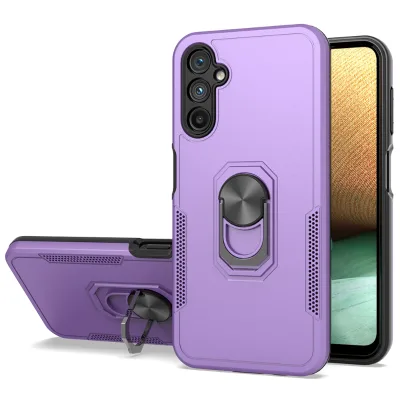

Protective Mobile Case with Ring Phone Cover for iPhone Bracket Phone Case
$0.90 - $1.00
MOQ: 100 Pieces


Hot Selling Carbon Fiber with Long Holder Mobile Phone Case Shockproof Phone Cover
$1.90 - $1.95
MOQ: 100 Pieces
Comprehensive Sourcing Guide
Strategic Sourcing Guide for Waterproof Shock Absorbent Phone Covers
The global demand for protective mobile accessories has intensified as users seek devices that can withstand diverse environmental challenges. When sourcing a Waterproof Shock Absorbent Phone Cover, buyers must navigate a complex landscape of material science, functional engineering, and supply chain reliability. This guide provides a structured approach to evaluating suppliers and products that meet the rigorous demands of modern mobile protection, ensuring that procurement decisions are grounded in verifiable facts rather than marketing assertions.
Understanding Material Composition and Functional Attributes
The foundation of any effective protective case lies in its material composition. The market currently offers a variety of options, with Polyurethane (PU) and Thermoplastic Polyurethane (TPU) being the most prevalent materials observed in high-performance listings. TPU is frequently cited for its balance of flexibility and durability, making it an ideal candidate for shock absorption. Its molecular structure allows it to dissipate impact energy effectively, protecting the device from drops and accidental bumps. Conversely, PU offers a distinct aesthetic appeal, often mimicking the texture of leather while providing a degree of water resistance.
When evaluating a product for "waterproof" and "shock absorbent" capabilities, buyers must look beyond generic labels. The specific functional attributes listed in product specifications are critical indicators of performance. A robust case should explicitly list functions such as "Waterproof," "Shock Absorbent," "Anti-knock," and "Dirt-resistant." These terms, when found together in a single product specification, suggest a multi-layered defense strategy. For instance, a product described with "Anti-slip" and "Decoration" functions alongside waterproofing indicates a design that prioritizes both safety and usability.
It is essential to recognize that not all products labeled as waterproof offer the same level of protection. Some listings specify "Waterproof" as a primary function, while others combine it with "Privacy Filter" or "Power Case" capabilities. Buyers should verify if the waterproofing is achieved through sealed seams, integrated membranes, or material density. Similarly, shock absorption is often linked to the hardness of the material. Observations in the market show a range from "Medium Soft" to "Soft" hardness levels. A "Soft" designation often correlates with better impact absorption, whereas a "Medium Soft" rating might offer a balance between structural rigidity and cushioning.
Technical Specifications and Design Customization
Technical specifications provide the quantitative data necessary to validate a supplier's claims. Key parameters include thickness, weight, and dimensional compatibility. For example, a specific model may list a thickness of 0.65mm, which is a critical metric for ensuring the case does not interfere with wireless charging or port accessibility while still offering protection. Weight is another vital factor; a lightweight case, such as one weighing 10g, enhances user comfort without compromising the protective shell.
Design customization is a significant trend in the B2B sector for phone accessories. Many suppliers offer "Customized" designs, allowing brands to tailor the aesthetic to their specific market needs. This includes options for "Street Fashion" styles, "Korean" aesthetics, or "Simplicity" designs. The ability to customize the logo, design, and packaging is often a prerequisite for private label operations. Suppliers frequently offer "OEM" (Original Equipment Manufacturer) services, enabling buyers to have their branding integrated into the product.
Compatibility is another technical specification that requires careful attention. While some cases are designed for specific brands like "iPhone" or "Samsung," others are listed as "Unisex" or compatible with multiple models. The "Standard" field in product data often notes if a case is a "Perfect fit for Samsung Note 20 Ultra," indicating a precise mold designed for a specific device. Buyers must ensure that the "Compatible Brand" and "Product Model" align exactly with their target inventory to avoid returns and customer dissatisfaction.
Compliance, Certification, and Quality Standards
In the B2B procurement of electronic accessories, compliance and certification are non-negotiable. These documents serve as third-party validations of a product's safety and quality. The market data indicates that reputable suppliers often provide certifications such as "RoHS" (Restriction of Hazardous Substances) and "ISO9001" (Quality Management Systems). RoHS compliance ensures that the materials used in the phone cover do not contain hazardous substances like lead or mercury, which is crucial for environmental regulations in many regions. ISO9001 certification demonstrates that the manufacturer adheres to a consistent quality management process, reducing the risk of defects.
While some listings mention "Certified" status, buyers should verify the specific scope of these certifications. A product may claim "Customized" certification, which implies that the supplier can tailor compliance documentation to meet specific buyer requirements, but this should be confirmed with official certificates. Additionally, the "Product Standard" field often notes if the item is "Customized," suggesting that the manufacturing process can be adapted to meet specific industry standards or buyer-defined criteria.
Quality is frequently described in subjective terms like "Best" in product descriptions. However, objective quality control relies on the adherence to international standards. Buyers should request test reports that verify the "Waterproof" and "Shock Absorbent" claims. These reports should detail the results of drop tests, water immersion tests, and abrasion resistance tests. Without such data, claims of high performance remain unverified observations rather than proven facts.
Cost Drivers and Pricing Dynamics
The pricing of waterproof shock absorbent phone covers is influenced by several factors, including material costs, customization complexity, and order volume. The observed price range in the market spans from $0.34 to $12.00 USD. This wide disparity reflects the difference between basic, mass-produced models and premium, highly customized units. Lower-priced items often utilize standard molds and basic TPU materials with minimal customization. In contrast, higher-priced items may feature advanced PU materials, complex "Thick Line" designs, or specialized packaging solutions.
Minimum Order Quantity (MOQ) is a significant cost driver. The observed MOQ range varies from 2 to 1000 units. Suppliers with lower MOQs, such as 50 or 100 pieces, are often more accessible for small businesses or startups testing the market. However, these suppliers may charge a higher unit price due to the overhead of handling smaller batches. Conversely, suppliers requiring higher MOQs, such as 1000 units, typically offer lower per-unit costs, making them suitable for large-scale distribution.
Customization adds a layer of cost to the procurement process. Features like "Customized" logos, "Customized" designs, and "Customized" packaging (e.g., "OPP Bag+Customized Gift Box") require additional setup time and tooling. Buyers should factor these costs into their total landed cost calculations. Additionally, the origin of the product, often listed as "China" or specifically "Dongguan, China," can influence shipping costs and lead times, which indirectly affect the overall cost structure.
Supplier Evaluation and Quality Control Protocols
Evaluating a supplier requires a multi-faceted approach that goes beyond checking product listings. Buyers should assess the supplier's ability to deliver consistent quality and meet delivery timelines. The "Product Origin" field provides a starting point, with many suppliers located in manufacturing hubs like Dongguan. However, the physical location is less important than the supplier's track record and quality control infrastructure.
Quality control should be integrated into the procurement process. Buyers must verify that the supplier has a robust QC system in place, ideally backed by ISO9001 certification. This involves requesting pre-production samples to test the "Waterproof" and "Shock Absorbent" claims before committing to a large order. During production, random sampling and final inspection are essential to ensure that every unit meets the specified standards.
Packaging is another critical aspect of supplier evaluation. The "Product Packing" field often indicates whether items are packed individually in "Polybags" or in "OPP Bags" with customized gift boxes. Proper packaging protects the product during transit and enhances the unboxing experience for the end consumer. Buyers should ensure that the packaging is durable enough to prevent damage, especially for waterproof cases that may be sensitive to moisture or pressure during shipping.
Typical Applications and Market Segmentation
Waterproof shock absorbent phone covers serve a wide range of applications, catering to different market segments. The "Style" attribute, such as "Simplicity," "Korean," or "Street Fashion," helps identify the target demographic. Simple, functional designs appeal to users who prioritize utility and durability, while fashion-forward styles attract consumers looking for aesthetic appeal alongside protection.
The "Function" list provides insight into specific use cases. "Waterproof" and "Shock Absorbent" features make these cases ideal for outdoor enthusiasts, construction workers, and anyone living in areas prone to heavy rain or accidental drops. The inclusion of "Anti-slip" and "Dirt-resistant" functions further enhances their suitability for rugged environments. Additionally, "Privacy Filter" functions suggest applications in professional settings where data security is paramount.
The "Compatible Brand" field indicates the market segmentation. Cases designed for "iPhone" or "Samsung" target the high-volume smartphone market, where users are willing to pay a premium for protection. The "Type" attribute, such as "Case" or "Thick Line," further refines the product's positioning. Thick-line designs, for instance, offer enhanced protection for users who are particularly concerned about drop damage.
Long-Term Procurement Considerations
Sourcing waterproof shock absorbent phone covers is not a one-time transaction but a long-term partnership. Buyers should consider the scalability of the supply chain. As demand grows, the supplier must be able to increase production capacity without compromising quality. The "MOQ" flexibility is a key indicator of this scalability. Suppliers who can accommodate both small test orders and large volume runs provide greater flexibility for the buyer.
Sustainability is becoming an increasingly important factor in long-term procurement. Buyers should inquire about the environmental impact of the materials used, particularly regarding the "RoHS" compliance and the recyclability of the packaging. The "Product Standard" being "Customized" allows buyers to negotiate for more sustainable materials or processes if they align with their corporate social responsibility goals.
Finally, maintaining a strong relationship with the supplier ensures better support for after-sales issues. Clear communication regarding "Customized" requirements, "Design" changes, and "Certification" updates is essential. By focusing on these long-term considerations, buyers can build a resilient supply chain that delivers high-quality, protective phone covers consistently over time.
Comparative Analysis of Product Attributes
To facilitate decision-making, the following table summarizes key attributes observed in the market for waterproof shock absorbent phone covers:
| Attribute Category | Specific Observation | Relevance to Procurement |
|---|---|---|
| Material | PU, TPU | Determines flexibility, durability, and aesthetic finish. |
| Hardness | Medium Soft, Soft | Indicates impact absorption capability and tactile feel. |
| Functions | Waterproof, Shock Absorbent, Anti-knock, Dirt-resistant | Core performance metrics for protection. |
| Certification | RoHS, ISO9001 | Validates safety and quality management standards. |
| Customization | Logo, Design, Packing, Standard | Enables branding and market differentiation. |
| Compatibility | iPhone, Samsung, Unisex | Ensures fit for target device models. |
| Packaging | Polybag, OPP Bag, Customized Gift Box | Affects protection during transit and end-user experience. |
| Origin | China, Dongguan | Influences logistics, lead times, and manufacturing costs. |
This table serves as a quick reference for buyers to compare potential products against their specific procurement requirements. By systematically evaluating these attributes, buyers can make informed decisions that balance cost, quality, and functionality.
In conclusion, sourcing a Waterproof Shock Absorbent Phone Cover requires a meticulous approach that combines technical verification, compliance checks, and strategic supplier evaluation. By focusing on the evidence-based facts provided in product specifications and adhering to rigorous quality control protocols, buyers can secure a supply chain that delivers reliable protection for mobile devices while meeting the demands of the global market.
FAQs
What materials are used for waterproof shock absorbent phone covers?
These covers typically use Polyurethane (PU) or Thermoplastic Polyurethane (TPU) for protection. TPU offers flexibility and impact dissipation, while PU provides a leather-like aesthetic with water resistance. Buyers should verify the specific material listed in the product specifications to ensure it meets their durability needs.
Which certifications are available for these phone case manufacturers?
Reputable suppliers often provide RoHS and ISO9001 certifications for their products. RoHS ensures the absence of hazardous substances, while ISO9001 confirms adherence to quality management standards. Some listings may offer customized certification options, but buyers must verify official documentation before procurement.
Can I customize the design and logo on these phone cases?
Yes, customization is available for logos, designs, and packaging on these products. Suppliers offer OEM services allowing for specific styles like Street Fashion or Simplicity. Buyers can request customized gift boxes or polybags, though this may affect the minimum order quantity and unit pricing.
What is the typical minimum order quantity for these cases?
The minimum order quantity ranges from 2 to 1000 pieces depending on the supplier and customization level. Specific listings show MOQs of 50 or 100 pieces for standard models. Lower MOQs are suitable for testing, while larger orders often secure better per-unit costs.
How do I verify the waterproof and shock absorbent claims?
Buyers should request test reports detailing drop, water immersion, and abrasion resistance results. Functional attributes like Anti-knock and Dirt-resistant listed in specifications indicate multi-layered defense. Relying solely on product labels without verified test data is insufficient for confirming performance claims.
Where are these phone case products typically manufactured?
Most products originate from China, with specific manufacturing hubs like Dongguan. The product origin field often specifies the city to help buyers assess logistics and lead times. Sourcing from these regions allows access to a wide variety of materials and customization options.