Find waterproof shock-absorbing bicycle saddle cover for mountain, road, and electric bikes
Explore 30 listings for the waterproof shock-absorbing bicycle saddle cover designed for mountain, road, and electric bikes. Buyers can compare materials like PVC and polyester, sizes, and customization options from verified suppliers.
Key considerations
Products List
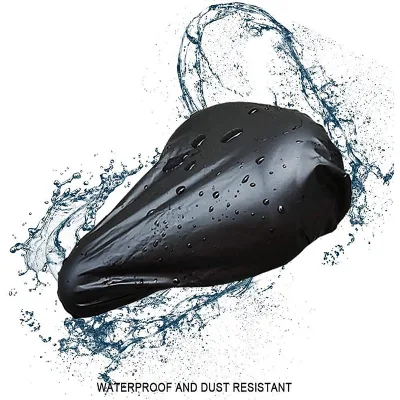

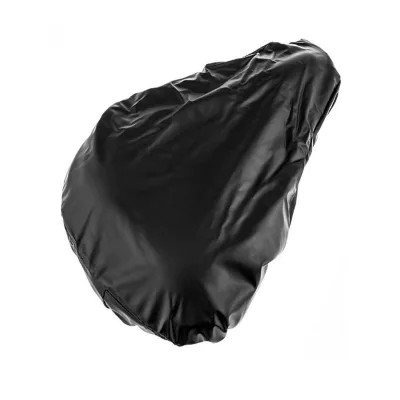
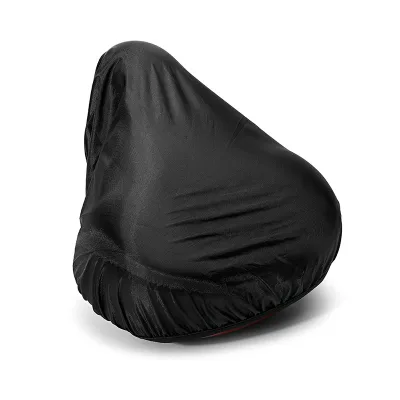
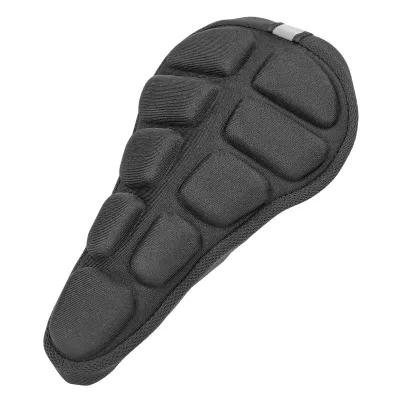
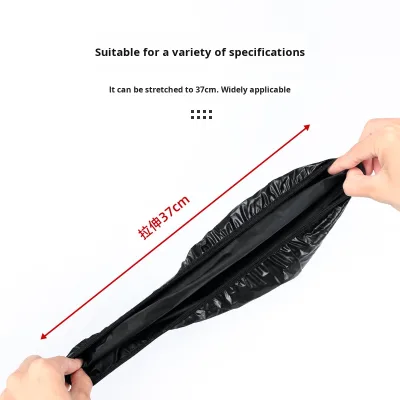
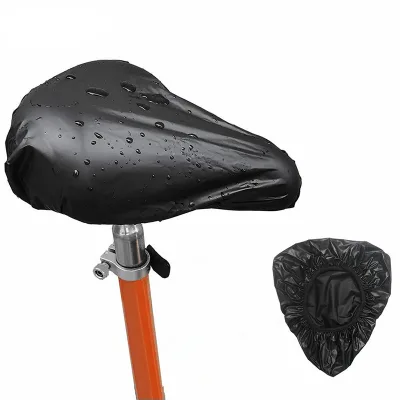
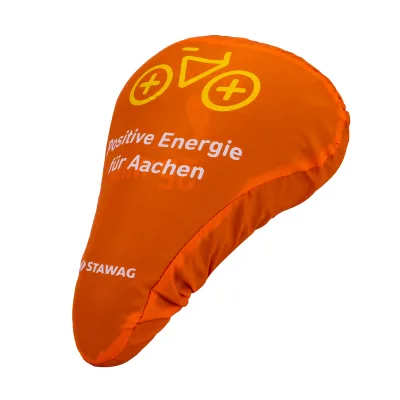
Waterproof Bicycle Seat Cover Black Rainproof Dust Proof Bike Saddle Cushion Covers
$0.28 - $1.14
MOQ: 100 Pieces




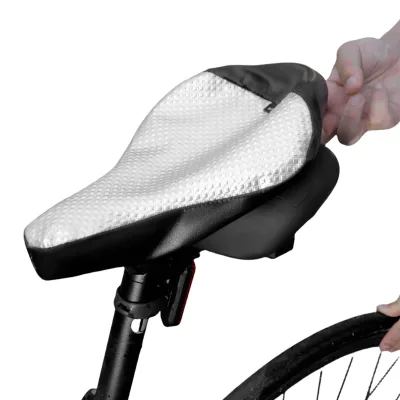
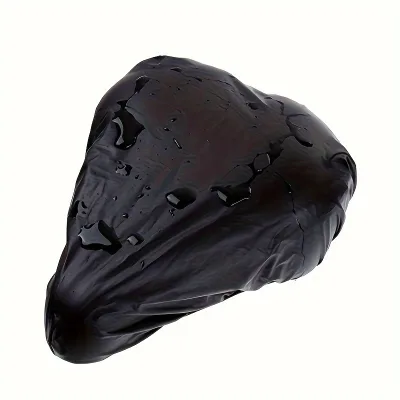


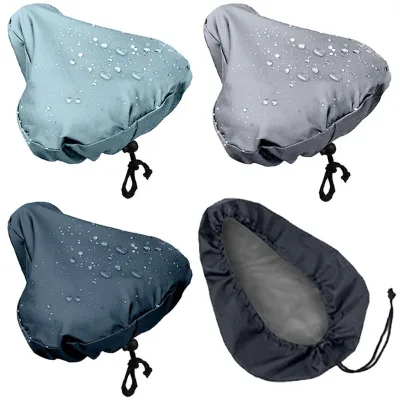
Comprehensive Sourcing Guide
Strategic Sourcing Guide for Waterproof Shock-Absorbing Bicycle Saddle Covers
Understanding Product Variants and Core Specifications
When sourcing a waterproof shock-absorbing bicycle saddle cover, buyers must first navigate the distinct variations in material composition and design intent found in the current market. The core keyword implies a dual function: protection against moisture and enhancement of rider comfort through cushioning. However, product listings reveal a spectrum of offerings that prioritize one function over the other. For instance, some products are explicitly defined by their shell material, such as PVC (Polyvinyl Chloride) combined with Polyester, which offers robust water resistance. These items often feature specific model identifiers like XY71708 or AZT-252211, indicating distinct manufacturing lines.
The material composition is a primary differentiator. While some covers utilize a pure Polyester construction, others rely on a PVC shell to achieve the "waterproof" claim. The PVC variant is often marketed as a "Waterproof PVC Saddle Cover" suitable for mountain and road bikes, whereas the Polyester-only options may emphasize breathability and a softer feel. Buyers must verify the specific material ratio, as a pure polyester cover might offer shock absorption but lack the impermeability required for heavy rain, while a PVC cover provides the barrier but may have different thermal properties. The single package dimensions also vary significantly, ranging from compact sizes like 15x25x2 cm to larger profiles such as 29x22x3 cm, which directly impacts shipping costs and storage logistics.
Furthermore, the application scope is critical. Products are frequently categorized for specific use cases, such as "Mountain Bikes," "Road Bicycles," or "Electric Bikes." Some listings specify a universal application, while others target specific wheel sizes, such as 20-inch wheels. The "Usage" attribute in some listings is surprisingly broad, extending to "Hanging Charm," which suggests that certain products in the category may be decorative accessories rather than functional protective gear. Therefore, a rigorous review of the product name and intended use is essential to ensure the selected item matches the functional requirement of a shock-absorbing, waterproof cover.
Technical Performance and Material Verification
The technical performance of a bicycle saddle cover is contingent upon the integrity of its material layers and the construction of the shock-absorbing element. In the context of the available data, the "Shock-Absorbing" aspect is often linked to the "Soft Breathable" feature found in Polyester-based models. These products claim to provide comfort through material softness, with weights as low as 35g per unit. Conversely, the "Waterproof" attribute is strongly associated with the PVC shell material. A product labeled as "Waterproof PVC Saddle Cover" typically features a shell designed to repel water, with color options like Black, Silver, Blue, or Red.
Buyers should verify the structural integrity of the cover by examining the "Single Gross Weight" and "Single Package Size." For example, a unit with a gross weight of 0.100 kg and dimensions of 15x25x2 cm suggests a lightweight, perhaps thinner construction, while a unit weighing 0.060 kg with dimensions of 29x22x3 cm indicates a different packing density or material thickness. The "Feature" attribute often lists "Waterproof" or "Soft Breathable," but these are observations that must be validated against actual test data. The "Applicable Season" is noted as "All Seasons" for some items, implying a design that functions in both wet and dry conditions, yet the specific performance limits regarding temperature or extreme weather are not defined in the standard product attributes.
The following table outlines the observed technical attributes across different product models to assist in comparative analysis:
| Attribute | Model A (PVC/Polyester) | Model B (Polyester) | Model C (PVC Shell) |
|---|---|---|---|
| Primary Material | PVC/Polyester | Polyester | PVC |
| Key Feature | Waterproof | Soft Breathable | Waterproof |
| Weight | 0.100 kg | 35g | Not specified |
| Package Size | 15x25x2 cm | 29x22x3 cm | Not specified |
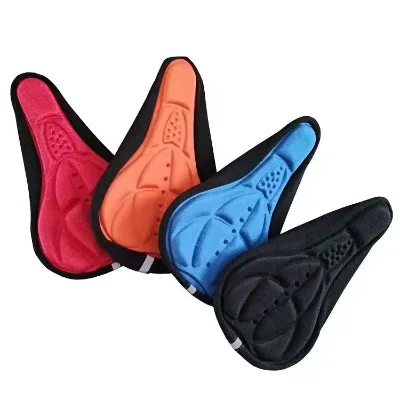
| Color Options | Not specified | Blue, Black, Red, Orange | Black, Silver |
| Intended Use | Mountain/Road Bikes | Universal Bike | Mountain/Road/E-Bike |
| MOQ | 10 Pieces | 100 PCS | Not specified |
This comparison highlights that "Shock-Absorbing" is not a universal standard but a feature tied to specific material choices, such as the softness of Polyester. Buyers must ensure that the "Waterproof" claim is backed by the PVC shell specification and that the "Shock-Absorbing" claim is supported by the "Soft" material description.
Compliance, Certification, and Safety Standards
In the B2B procurement of bicycle accessories, compliance and certification are often the most ambiguous areas when relying on general product listings. The supplied data does not explicitly list certifications such as ISO 9001, REACH compliance, or specific bicycle safety standards like EN 14764. Instead, the "Brand Name" varies from established names like "Angbow" to generic "OEM" designations. This variation suggests that some products may be manufactured under private label agreements without a specific brand's quality assurance framework attached.
Buyers must treat the "Feature" and "Attribute" sections as observations rather than guaranteed compliance statements. For instance, while a product may claim to be "Waterproof," there is no mention of a specific water resistance rating (e.g., IPX4 or IPX7) or a standardized test method used to verify this claim. Similarly, the "Material" section lists PVC and Polyester, but does not confirm if these materials meet specific flammability or chemical safety standards required for export to certain markets. The "Place of Origin" is identified as Jiangsu, China, or Zhejiang, China, which are major manufacturing hubs, but the specific factory certifications are not provided in the product metadata.
To mitigate risk, buyers should request third-party test reports for water resistance and material safety before finalizing an order. The absence of explicit certification data in the listing means that the buyer cannot assume compliance with international standards without direct verification. The "Customization" attribute indicates that some suppliers offer tailored solutions, which may allow for the inclusion of specific compliance markings or packaging requirements, but this must be negotiated explicitly.
Cost Drivers and Pricing Dynamics
The pricing of waterproof shock-absorbing bicycle saddle covers is influenced by material costs, packaging complexity, and order volume. The observed price range in the market spans from $0.08 to $18.50 USD, a significant variance that reflects differences in material quality, branding, and production scale. The lower end of the spectrum, likely around $0.08, corresponds to basic Polyester or simple PVC covers with minimal packaging, such as OPP bags. The higher end, reaching $18.50, may include premium branding, more complex shock-absorbing structures, or specialized packaging.
The Minimum Order Quantity (MOQ) is a critical cost driver. Listings show MOQs ranging from 1 piece to 2000 pieces, with common thresholds at 10 pieces or 100 pieces. A buyer ordering at the 10-piece MOQ will likely face a higher unit cost compared to an order placed at 1000 pieces. The "Selling Units" are typically listed as "Single item," which facilitates small-batch testing but may not be cost-effective for large-scale distribution. Additionally, the "Packing" method, such as "500pcs/ctn" or "100pcs/ctn," affects the total shipping volume and cost. Bulk packing reduces the per-unit shipping cost but requires larger storage space and capital outlay.
Buyers should analyze the "Single Gross Weight" to estimate freight costs. A product weighing 0.100 kg versus one weighing 0.060 kg will have a measurable impact on air freight charges, especially for large orders. The "Model Number" also plays a role, as custom models (e.g., OEM-RSB335) may carry a premium over standard SKUs. Understanding these variables allows buyers to negotiate effectively and select the optimal balance between unit price, MOQ, and logistics costs.
Supplier Evaluation and Geographic Considerations
Evaluating suppliers requires a focus on their location, production capacity, and flexibility. The data indicates that manufacturers are primarily located in Jiangsu and Zhejiang, China, regions known for their textile and plastic manufacturing capabilities. The "Brand Name" field shows a mix of proprietary brands like "Angbow" and OEM providers, suggesting a market with both branded and white-label opportunities.
When evaluating a supplier, buyers should verify the "Customization" capability. The presence of this attribute indicates that the supplier can adapt the product to specific needs, such as custom colors (Blue, Black, Red, Orange, Silver) or branding. However, the "MOQ" for customization may be higher than for standard items. The "Product Name" and "Model Number" consistency across orders is also a sign of a reliable supplier. Suppliers offering multiple model numbers (e.g., XY71708, AZT-252211, OEM-RSB335) demonstrate a diverse product line, which can be advantageous for buyers seeking variety.
Buyers should also assess the "Packing" specifications. Suppliers offering standardized packing like "500pcs/ctn" or "100pcs/ctn" are likely more experienced in handling large volumes and international shipping. Conversely, suppliers with loose or inconsistent packing may pose risks for product damage during transit. The "User" demographic, listed as "unisex adults," suggests a broad market appeal, but buyers should confirm if the supplier has experience exporting to their specific target region.
Quality Control and Long-Term Procurement Strategy
Ensuring consistent quality in waterproof saddle covers requires a robust quality control (QC) strategy. Given the variability in materials (PVC vs. Polyester) and the lack of standardized test data in the listings, buyers must implement their own QC protocols. Key inspection points should include the integrity of the waterproof seal, the durability of the stitching, and the consistency of the "Soft Breathable" texture. The "Color" consistency is also vital, as variations in dye lots can affect the final product appearance.
For long-term procurement, buyers should consider the "Applicable Season" and "Use" durability. Products marketed for "All Seasons" and "Mountain Bikes" must withstand harsh conditions. Establishing a relationship with a supplier who offers "Customization" can help in refining the product over time to meet specific durability requirements. The "Model Number" should be locked in to ensure consistency across production runs.
Buyers should also monitor the "Lead Time" and "MOQ" flexibility. While the data does not provide specific lead times, the "MOQ" range suggests that suppliers are willing to accommodate different order sizes. However, larger orders may require longer lead times for production and quality assurance. Establishing a clear communication channel for quality feedback and maintaining a consistent order volume can help secure better pricing and priority production slots.
Final Procurement Recommendations
Sourcing a waterproof shock-absorbing bicycle saddle cover requires a meticulous approach to verifying product specifications, material integrity, and supplier reliability. Buyers should prioritize products with clear material definitions, such as PVC shells for waterproofing and Polyester for comfort, and verify these claims through sample testing. The wide price range and MOQ variability necessitate a careful cost-benefit analysis to determine the optimal order size.
By focusing on the technical attributes observed in the market, such as package dimensions, weight, and color options, buyers can make informed decisions that align with their specific needs. The absence of explicit certification data underscores the importance of requesting third-party test reports and establishing clear quality control standards. Ultimately, a strategic partnership with a supplier who offers customization and consistent quality will ensure a successful procurement outcome for this essential bicycle accessory.
FAQs
How do material choices affect waterproof and shock-absorbing performance?
PVC shells provide the primary waterproof barrier while polyester layers often add softness for shock absorption. Some products combine both materials, whereas others use pure polyester for breathability. Buyers must verify the specific material composition to ensure the cover meets both moisture protection and comfort requirements for their specific riding conditions.
What is the typical minimum order quantity for these saddle covers?
Minimum order quantities typically range from 10 pieces to 100 pieces depending on the supplier and model. Some listings accept orders as low as a single item for testing, while bulk pricing often requires higher volumes. Buyers should check the specific MOQ for their chosen model number to plan their initial procurement budget effectively.
Which locations are the primary manufacturing hubs for these covers?
Manufacturers are primarily located in Jiangsu and Zhejiang provinces in China, which are known for textile and plastic production. These regions offer a high concentration of factories capable of producing PVC and polyester bicycle accessories. Buyers sourcing these items should expect the majority of suppliers to originate from these specific Chinese manufacturing zones.
Can buyers request customization for colors and branding on these covers?
Yes, many suppliers offer customization options for colors like blue, black, red, orange, and silver, as well as branding. Customization is often available for specific model numbers, but it may require meeting a higher minimum order quantity than standard items. Buyers should confirm the customization scope and associated costs before placing an order.
How does the single package size impact shipping costs for these items?
Package dimensions vary significantly, ranging from compact sizes like 15x25x2 cm to larger profiles of 29x22x3 cm. These differences directly affect the volume and weight per unit, which influences air freight and container shipping calculations. Buyers should calculate logistics costs based on the specific single gross weight and package size of the selected model.
What price range can buyers expect for these waterproof saddle covers?
The observed price range spans from 0.08 USD to 18.50 USD depending on material quality and branding. Lower prices usually correspond to basic polyester or simple PVC covers with minimal packaging, while higher prices may include premium features or complex shock-absorbing structures. Buyers should consider the unit price alongside the minimum order quantity to determine the total cost.
Which bike types are these saddle covers designed to fit?
These covers are designed for use on mountain bikes, road bicycles, and electric bikes. Some listings specify universal application, while others target specific wheel sizes like 20 inches. Buyers must verify the model specifications to ensure the cover fits their specific bike type and saddle dimensions before purchasing.