Source waterproof shrink-resistant fleece fabric for Bags, Tents, and Apparel
Compare 30 listings of waterproof shrink-resistant fleece fabric suitable for bags, tents, and apparel. Buyers can evaluate features like water resistance, tear strength, and GSM weight to find the right material for their projects.
Key considerations
Products List
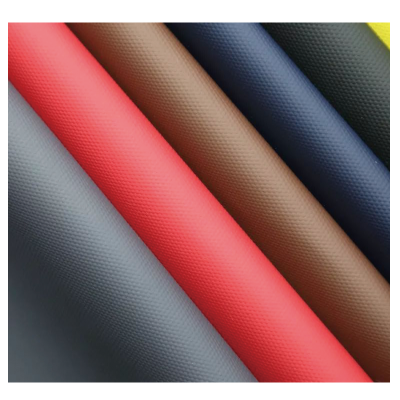


Polyester Fleece Compound The Four Way Stretch Fabrics, Waterproof and Breathable
$3.66 - $5.87
MOQ: 1500 Meters


92% Polyester 8% Spandex Waterproof Breathable Soft Shell Fleece Fabric
$2.45 - $3.50
MOQ: 2000 Meters


Comprehensive Sourcing Guide
Strategic Sourcing Guide for Waterproof Shrink-Resistant Fleece Fabric
Understanding Technical Specifications and Material Composition
When sourcing waterproof shrink-resistant fleece fabric, the primary objective is to identify materials that balance water repellency with dimensional stability and softness. The market offers a diverse range of polyester-based textiles that serve as the foundation for this category. Based on current market observations, the core material composition is predominantly 100% Polyester, often utilizing filament fiber types to ensure durability and consistent performance. Buyers must scrutinize the yarn count and density, as these metrics directly influence the fabric's weight and structural integrity. For instance, specific market listings indicate a yarn count of 900*900D, which suggests a heavy-duty construction suitable for demanding applications. The density is often cited around 66T, a figure that correlates with the fabric's ability to resist tearing while maintaining flexibility.
The weight of the fabric is a critical specification for procurement planning. Observed data points to a weight of approximately 280 GSM, classified as medium weight. This thickness allows for effective insulation and water resistance without becoming overly rigid. However, the market also presents a broader weight range, typically spanning from 160 to 350g, allowing buyers to select options that fit specific garment or product requirements. The production technique is another vital differentiator. While some high-performance variants utilize woven or knitted techniques, other specialized fleece products employ needle-punched methods to achieve a unique texture and enhanced bonding of fibers. The choice between woven, knitted, or needle-punched structures will dictate the final hand feel and the extent of shrinkage resistance.
Pattern and style variations further complicate the selection process. While the core requirement is a fleece texture, the surface finish can vary significantly. Options include plain, jacquard, rib, slub, and flocked finishes. Some products feature specific weaves like herringbone, twill, or ripstop, which add structural strength. The presence of a coated finish is also a common attribute, providing an additional layer of protection against moisture and stains. Buyers should verify whether the fabric is coated or treated, as this impacts the breathability and the specific waterproof rating. The width of the fabric is another standard specification to confirm, with common measurements falling between 57 and 58 inches. Ensuring the correct width is essential for minimizing waste during the cutting and sewing phases of production.
Compliance, Certification, and Safety Standards
In the realm of B2B textile procurement, verifying compliance and certification is non-negotiable, particularly for fabrics intended for apparel, home textiles, and children's products. The supply chain for waterproof shrink-resistant fleece often involves multiple chemical treatments to achieve water resistance and anti-shrink properties. Consequently, buyers must demand transparency regarding the standards used to validate these treatments. While specific certification statuses cannot be universally asserted for all products, the market frequently references international standards such as SGS and IAF for quality assurance. These organizations provide third-party verification of product quality and safety, which is crucial for maintaining brand integrity.
Buyers should prioritize suppliers who can provide test reports confirming that the fabric meets specific safety thresholds. For applications involving children or direct skin contact, the absence of harmful substances is paramount. Although specific certification labels like OEKO-TEX are mentioned in broader industry contexts, buyers must verify the actual status of each supplier rather than assuming compliance based on general market trends. The verification process should include checking for anti-static, anti-bacterial, and eco-friendly claims, as these are frequently advertised features in the fleece category. It is essential to request documentation that proves the fabric has passed tests for these specific attributes.
Furthermore, the origin of the raw materials and the manufacturing location play a significant role in compliance. Many high-quality polyester fabrics originate from major textile hubs in China, such as Shengze, Jiangsu, and Wujiang. These regions have established supply chains and regulatory frameworks that often align with international standards. However, buyers must not assume that all products from these locations automatically meet specific safety requirements. Due diligence requires confirming that the specific batch of fabric has been tested according to the relevant standards for the target market. This includes checking for compliance with local regulations regarding flammability, chemical residues, and dye fastness.
Cost Drivers and Pricing Structures
The pricing of waterproof shrink-resistant fleece fabric is influenced by a complex interplay of factors, including material costs, production complexity, and order volume. The observed price range in the market spans from $0.30 to $10.00 per unit, reflecting the vast diversity in quality, weight, and feature sets. Several key drivers contribute to this variance. The yarn count and density are primary cost determinants; a 900*900D fabric with a density of 66T will generally command a higher price than a lighter, less dense alternative. Similarly, the weight of the fabric, ranging from 160g to 350g, directly impacts the amount of raw material required, thereby influencing the final cost.
Production techniques also significantly affect pricing. Fabrics that undergo specialized treatments, such as coating, needle-punching, or complex weaving patterns like jacquard or herringbone, incur higher manufacturing costs. The addition of functional features like anti-pilling, anti-shrink, and anti-wrinkle properties requires additional chemical processes and quality control measures, which are reflected in the price. Furthermore, the customization level requested by the buyer plays a crucial role. While standard plain or striped fabrics are more economical, custom colors, patterns, or specific functional treatments can increase the unit cost.
Order volume is another critical factor in determining the final price. The market typically accommodates a wide range of Minimum Order Quantities (MOQ), from as low as 1 unit to as high as 5000 units. Suppliers often offer tiered pricing structures where larger orders result in a lower cost per unit. However, for small orders, the price per unit may be higher to cover the fixed costs of production setup and logistics. Buyers should also consider the packaging requirements, as specialized packing methods like PVC shrink film or PE polybags in rolls may add to the overall cost. Delivery time is another variable; expedited shipping or shorter lead times, such as 10-15 days, may come with a premium compared to standard shipping schedules.
Typical Applications and End-Use Scenarios
Waterproof shrink-resistant fleece fabric is a versatile material with applications spanning multiple industries. Its unique combination of water resistance, durability, and softness makes it suitable for a wide array of products. In the apparel sector, this fabric is commonly used for loungewear, blazers, suits, dresses, and sweatshirts. The shrink-resistant property ensures that garments maintain their fit and shape after washing, which is a critical requirement for consumer satisfaction. The waterproof feature adds an extra layer of protection, making it ideal for outerwear and activewear designed for outdoor use.
Beyond apparel, the fabric is extensively used in the home textile industry. Applications include bedding, curtains, and various home decor items. The ability to resist stains and wrinkles makes it particularly valuable for high-traffic areas where cleanliness and appearance are paramount. In the bag and luggage sector, this fabric is utilized for manufacturing bags, tents, umbrellas, and fashion accessories such as purses and totes. The tear-resistant and water-resistant characteristics ensure that these products can withstand the rigors of daily use and exposure to the elements.
The toy and fashion accessory markets also benefit from the properties of this fabric. Its soft texture and safety features make it suitable for children's toys and accessories. The fabric's ability to be customized in terms of color, pattern, and style allows manufacturers to create unique and appealing products. Whether it is a plaid, dobby, or herringbone pattern, the fabric can be tailored to meet specific design requirements. The versatility of the material extends to its suitability for both men and women, as well as girls and boys, making it a staple in the fashion industry.
Supplier Evaluation and Selection Criteria
Selecting the right supplier is a critical step in the procurement process, requiring a thorough evaluation of their capabilities, reliability, and compliance record. Buyers should prioritize suppliers who demonstrate a clear understanding of the technical specifications required for waterproof shrink-resistant fleece. This includes verifying their ability to produce fabrics with the correct yarn count, density, and weight. Suppliers should be able to provide detailed information about their production techniques, whether they are woven, knitted, or needle-punched, and how these techniques impact the final product.
Certification and compliance are also key evaluation criteria. Buyers should request documentation proving that the supplier adheres to relevant standards and has undergone third-party testing. While specific certification statuses may vary, the presence of recognized standards like SGS or IAF indicates a commitment to quality. Additionally, buyers should assess the supplier's track record in terms of delivery times and consistency. A lead time of 10-15 days is common, but suppliers should be able to meet these timelines reliably. Flexibility in handling small orders is another important factor, as many buyers require the ability to test the market with smaller quantities before committing to larger orders.
The supplier's location and logistics capabilities should also be considered. Many suppliers are located in major textile hubs in China, such as Shengze, Jiangsu, and Wujiang. These locations offer access to a robust supply chain and efficient logistics networks. However, buyers should verify the supplier's ability to handle international shipping and customs clearance. Packaging is another aspect to evaluate; suppliers should offer appropriate packaging solutions, such as roll packages or standard packing with plastic bags, to ensure the fabric arrives in perfect condition. Finally, the supplier's willingness to customize products according to specific requirements is a valuable asset, allowing buyers to differentiate their offerings in the market.
Quality Control and Long-Term Procurement Strategies
Implementing a robust quality control (QC) strategy is essential for ensuring the consistency and reliability of waterproof shrink-resistant fleece fabric. Buyers should establish clear quality standards that cover all aspects of the fabric, including water resistance, shrinkage, tear strength, and color fastness. Regular inspections and testing should be conducted at various stages of the production process to identify and address any issues early. This includes verifying the fabric's weight, width, and density to ensure they meet the specified requirements.
Long-term procurement strategies should focus on building strong relationships with reliable suppliers. This involves maintaining open communication, providing feedback on product performance, and collaborating on continuous improvement initiatives. Buyers should also consider diversifying their supplier base to mitigate risks associated with supply chain disruptions. Having multiple suppliers for the same product category can provide flexibility and ensure a steady supply of materials. Additionally, buyers should stay informed about market trends and technological advancements in the textile industry to make informed decisions about product development and sourcing.
Investing in quality control and long-term supplier relationships can lead to significant benefits, including reduced costs, improved product quality, and enhanced brand reputation. By prioritizing these aspects, buyers can ensure a sustainable and successful procurement process for waterproof shrink-resistant fleece fabric.
Comparative Analysis of Fabric Attributes
To facilitate informed decision-making, the following table compares key attributes of different waterproof shrink-resistant fleece fabric options based on observed market data. This comparison highlights the variations in material composition, technical specifications, and functional features.
| Attribute | Option A | Option B | Option C |
|---|---|---|---|
| Material | 100% Polyester | 100% Polyester | 100% Polyester |
| Yarn Count | 900*900D | Standard | 150D*150D |
| Weight | 280 GSM | 160-350g Range | Varies |
| Technics | Woven | Knitted | Needle-Punched |
| Density | 66T | Standard | Standard |
| Width | 57/58" | Standard | Standard |
| Features | Waterproof, Tear-Resistant | Waterproof, Anti-Pilling | Waterproof, Eco-Friendly |
| Pattern | Coated | Plain | Flocked |
| MOQ | 1 | 1 | 1 |
| Origin | China (Shengze/Wujiang) | China | China |
This table illustrates the diversity available in the market, allowing buyers to select the option that best aligns with their specific needs and application requirements. By carefully evaluating these attributes, buyers can make strategic sourcing decisions that optimize performance and cost-effectiveness.
FAQs
What is the material composition of this waterproof fleece fabric?
The fabric is composed of 100% Polyester using filament fiber types. This composition ensures durability and consistent performance while maintaining the required water-resistant and shrink-resistant properties for various applications.
Which certifications verify the safety and quality of this fabric?
Products are often verified against SGS and IAF standards for quality assurance. Buyers should request specific test reports to confirm compliance with safety thresholds for anti-static, anti-bacterial, and eco-friendly claims before purchasing.
How does the fabric weight affect its suitability for different uses?
The fabric typically weighs around 280 GSM, classified as medium weight, suitable for insulation and water resistance. A broader market range spans from 160 to 350g, allowing selection based on specific garment or product requirements.
Can suppliers accept small orders for this specific fabric type?
Yes, suppliers accept small orders with a Minimum Order Quantity as low as 1 unit. This flexibility allows buyers to test the market with smaller quantities before committing to larger production runs.
What is the typical delivery time for orders of this fabric?
The standard delivery time is 10 to 15 days from the order date. Buyers should confirm specific lead times with suppliers as expedited shipping or shorter schedules may incur additional costs.
Which production techniques are used for this waterproof fabric?
Manufacturing techniques include woven, knitted, and needle-punched methods depending on the specific product model. These techniques dictate the final hand feel, texture, and the extent of shrinkage resistance achieved in the final material.