Source Waterproof Shopping Cart with 5 Inch PU Wheels for Retail, Warehouse, Events
Explore 30 listings for a Waterproof Shopping Cart with 5 Inch PU Wheels designed for retail, warehouse, and event use. Buyers can compare specifications like load capacity, volume, and surface treatment to find the right wheeled basket for their needs.
Key considerations
Products List

Durable Shopping Trolley with 5 Inch PU Wheels for Smooth Floor Movement
$50.00 - $55.00
MOQ: 200 Pieces

Heavy Capacity Shopping Trolley with 5 Inch Double Axle PU Wheels for Stability
$50.00 - $55.00
MOQ: 200 Pieces

5 Inch Double Axle PU Wheel Shopping Trolley for Smooth Store Navigation
$59.00 - $70.00
MOQ: 200 Pieces

240L Capacity Shopping Trolley with Double Axle PU Wheels for Durability
$50.00 - $55.00
MOQ: 200 Pieces


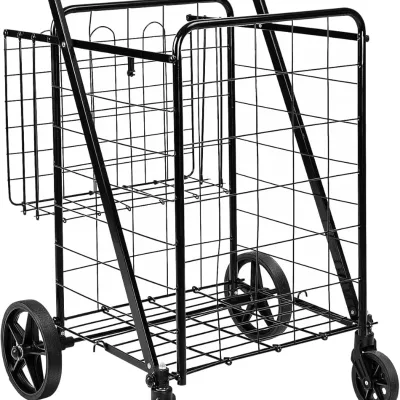


Wholesale New Portable Foldable Shopping Carts Trolley Carts Five Wheels
$13.50 - $16.50
MOQ: 500 Pieces


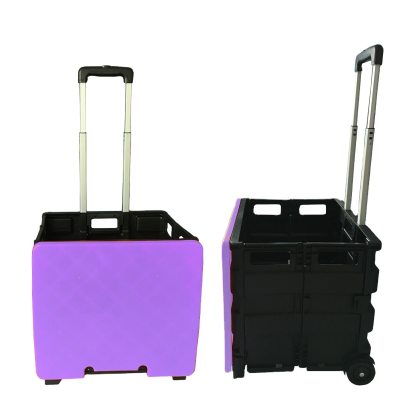


Comprehensive Sourcing Guide
Waterproof Shopping Cart with 5 Inch PU Wheels Sourcing Guide
Procuring durable retail equipment requires careful evaluation of material integrity and wheel performance, particularly when selecting a Waterproof Shopping Cart with 5 Inch PU Wheels. These carts are designed for high-traffic environments where moisture resistance and smooth maneuverability are critical. The 5-inch polyurethane wheels provide a balance between load-bearing capacity and floor protection, making them suitable for various retail surfaces. Buyers must verify that the wheel composition meets specific durability standards to prevent premature wear in wet conditions.
The construction of the cart body significantly impacts its longevity and maintenance requirements. While some models utilize iron frames with protective coatings, others may incorporate plastic components for enhanced corrosion resistance. Understanding the interplay between the frame material and the wheel type is essential for making an informed purchasing decision. This guide outlines the key technical and commercial factors to consider when sourcing these specialized carts, ensuring that the selected equipment aligns with operational needs and budget constraints.
Product Scope and Observed Listing Signals
The market for wheeled shopping baskets and carts presents a diverse range of options, with observed listings indicating a price range from 2 to 100.97 USD and minimum order quantities varying between 10 and 1500 units. These signals suggest a broad spectrum of product tiers, from basic portable baskets to heavy-duty commercial carts. Buyers should note that the term "waterproof" often correlates with specific surface treatments and material choices, such as zinc-coated iron with powder coating or epoxy finishes, which enhance resistance to moisture and corrosion.
Observed product attributes reveal significant variation in capacity and design, with volumes ranging from 120 to 240 liters and load capacities up to 140 kilograms. Some models are explicitly described as American-style shopping carts, while others are categorized as portable or wheeled baskets. The presence of customization options, including logo printing on handle bars and customizable plastic part colors, indicates that many suppliers offer tailored solutions. Buyers must carefully cross-reference these attributes to ensure the selected cart meets specific operational requirements for volume and weight.
Technical Specifications to Verify
Verifying the technical specifications of a shopping cart is crucial for ensuring it meets operational demands. Key parameters include overall dimensions, which can vary significantly, such as lengths from 900mm to 1100mm and heights around 1030-1050mm. The wheel type is a critical specification; while 5-inch PU wheels are a common feature for smooth rolling, some models may offer 4-inch alternatives. Buyers should confirm the exact wheel diameter and material composition to ensure compatibility with store flooring and desired maneuverability characteristics.
Load capacity and structural integrity are equally important technical considerations. Observed data indicates load capacities ranging from 80kg to 140kg, depending on the model and construction material. The frame material, often iron or plastic, directly influences the cart's weight and durability. For instance, iron frames with zinc and powder coating provide robustness, while plastic components may offer lighter weight and corrosion resistance. Buyers must verify these specifications against their specific use case, ensuring the cart can safely handle the intended maximum load without compromising stability.
Compliance and Safety Documentation
Compliance with safety standards is a fundamental requirement for retail equipment, ensuring both customer safety and regulatory adherence. While specific certification statuses may vary by supplier, buyers should request documentation confirming that the carts meet relevant safety guidelines. This includes verifying that the wheels are securely attached and that the handlebars are stable under load. The presence of a CE certificate, as observed in some listings, indicates compliance with European health, safety, and environmental protection standards, which can be a valuable indicator of quality for international buyers.
Documentation should also cover material safety and environmental impact, particularly if the carts are intended for markets with strict regulations on hazardous substances. Buyers should inquire about the composition of the polyurethane wheels and the coatings used on metal frames to ensure they are free from harmful chemicals. Additionally, verifying that the product origin and manufacturing processes adhere to recognized quality management systems, such as ISO 9001, can provide assurance of consistent production quality and reliable supply chain practices.
Cost Drivers and Commercial Terms
Several factors influence the final cost of a shopping cart, including material selection, customization options, and order volume. The use of high-quality materials like zinc-coated iron with powder coating or durable polyurethane wheels can increase the unit price but offer better long-term value through reduced maintenance and replacement costs. Customization features, such as logo printing and specific color choices, may incur additional charges. Buyers should evaluate the total cost of ownership, considering durability and maintenance, rather than focusing solely on the initial purchase price.
Commercial terms, including minimum order quantities and payment conditions, vary widely among suppliers. Observed MOQs range from 10 to 1500 units, allowing for flexibility depending on the buyer's scale. Packaging methods, such as bubble bags, knock-down packing, or standard cartons, can also impact shipping costs and storage efficiency. Buyers should negotiate clear terms regarding lead times, shipping responsibilities, and warranty coverage to mitigate risks associated with bulk purchases and ensure a smooth procurement process.
Supplier Qualification and Quality Control
Selecting a reliable supplier is critical for obtaining high-quality shopping carts that meet specified requirements. Buyers should assess suppliers based on their manufacturing capabilities, quality control processes, and track record. Suppliers located in regions known for manufacturing expertise, such as China, may offer competitive pricing and a wide range of options. However, it is essential to verify the supplier's ability to maintain consistent quality across production batches, particularly for customized orders.
Quality control measures should include rigorous testing of wheel durability, frame strength, and surface treatment integrity. Buyers should request samples or conduct factory audits to evaluate the supplier's production standards. Additionally, verifying the supplier's adherence to international quality management standards can provide confidence in their ability to deliver reliable products. Establishing clear communication channels and defining quality expectations upfront can help prevent discrepancies and ensure that the final products meet the buyer's standards.
Long-Term Procurement Checks
Long-term procurement success depends on establishing ongoing quality assurance and supplier performance monitoring. Buyers should implement regular inspections and feedback loops to ensure that delivered carts continue to meet quality standards over time. This includes monitoring for issues such as wheel wear, frame corrosion, or handlebar instability, which can indicate underlying quality problems. Maintaining a relationship with the supplier for continuous improvement and addressing any defects promptly is essential for sustaining operational efficiency.
Additionally, buyers should periodically review market trends and supplier offerings to ensure they remain competitive and cost-effective. This may involve exploring new materials, designs, or suppliers that offer improved features or better pricing. By staying informed about industry developments and maintaining a flexible procurement strategy, buyers can adapt to changing market conditions and ensure that their shopping cart inventory remains reliable, durable, and aligned with evolving retail needs.
FAQs
Can I find a Waterproof Shopping Cart with 5 Inch PU Wheels?
Yes, you can find a Waterproof Shopping Cart with 5 Inch PU Wheels, though specific models vary. Some units feature zinc with powder coating for surface treatment, while others use zinc with epoxy. These carts typically offer high load capacities ranging from 80kg to 140kg depending on the specific model selected for your needs.
What customization options are available for these carts?
Customization is available for certain models, allowing for logo printing on the handle bar and specific Pantone colors for plastic parts. However, some listed products are marked as non-customized. Buyers should verify the specific model, such as JS-TEU08 or JS-TAM08, to confirm if personalized features like custom logos are included in the order.
Which material is used for the frame of these carts?
The frame material is primarily iron, providing durability for heavy-duty use. Some variants may include plastic components or PU wheels. The surface treatment often involves zinc coating combined with powder coating or epoxy to ensure resistance against corrosion and wear during regular shopping or transport activities in various environments.
How much weight can these carts typically hold?
These carts typically hold between 80kg and 140kg, with specific models rated for 130kg or 140kg. The exact capacity depends on the model, such as the JS-TAS06 or ZC-120L. Always check the specific product standard and weight capacity listed for the unit to ensure it meets your required load requirements for safe operation.
What is the standard packing method for these items?
Standard packing methods include bubble bags, knock-down packing, or standard cartons depending on the model. Some items are packed individually in bubble bags, while others use carton packaging for bulk shipping. This ensures protection during transit. Buyers should confirm the specific packing type, such as bubble packings, for their chosen model before finalizing the order.
Can I get a cart with a 240-liter capacity?
Yes, specific models like the JS-TEU08 offer a 240-liter capacity. Other models provide different volumes, such as 125 liters or 180 liters. The dimensions also vary, with some measuring around 1100mm in length. Ensure you select the correct model based on your required volume and physical space constraints for optimal performance.
Are these carts certified for safety standards?
Some models carry CE certification, indicating compliance with specific safety standards. However, not all listed products explicitly state this certification. Buyers should verify the certificate status for the specific model, such as JS-TAM04, before purchase. Always request documentation to confirm that the product meets the necessary regulatory requirements for your target market.