Source Waterproof Solar Fence Lamp for Garden, Street, and Yard
Explore 30 Waterproof Solar Fence Lamp options with varying battery capacities, solar panel wattages, and IP ratings. Buyers can compare specifications like luminous flux, charging time, and working modes to find suitable units for garden, street, and yard applications.
Key considerations
Products List


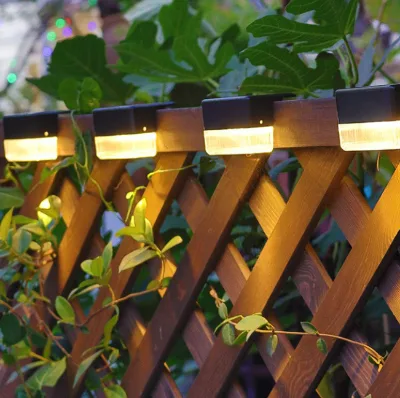


Outdoor Waterproof Fence Landscape Lawn Guardrail Column LED Solar Garden Lamp
$6.89 - $8.89
MOQ: 200 Pieces


LED Solar Motion Sensor Wall Light Outdoor Waterproof Security Fence Light for Garden
$8.00 - $10.00
MOQ: 3000 Pieces

LED Solar Lamp Pool Lights Waterproof Solar Light Garden Decoration Lamp for Yard
$2.00 - $3.00
MOQ: 3000 Pieces


Solar Lawn Lamp Solar Fence Light, Energy Saving LED Sourcing Fence Light
$22.90 - $24.00
MOQ: 100 Pieces


Comprehensive Sourcing Guide
Waterproof Solar Fence Lamp Sourcing Guide
Sourcing waterproof solar fence lamps requires a disciplined approach to balancing energy efficiency, environmental resilience, and aesthetic integration. These fixtures are designed to provide autonomous illumination for boundary lines, garden edges, and pathway markers without relying on grid electricity. The procurement process must prioritize components that withstand outdoor exposure while maintaining consistent light output over extended operational cycles. Buyers should focus on verifying the integrity of the solar harvesting system and the durability of the enclosure materials to ensure long-term performance in varying weather conditions.
The market offers a diverse range of configurations, from compact unit designs to modular systems with adjustable mounting options. Understanding the specific power requirements and lighting modes is essential for selecting the right product for a given project scale. Procurement teams must evaluate the interplay between battery capacity, solar panel efficiency, and LED luminous efficacy to determine the suitability of a product for its intended environment. This guide outlines the critical verification steps and commercial considerations necessary for successful sourcing of these specialized lighting solutions.
Product Scope and Observed Listing Signals
The current market landscape for waterproof solar fence lamps reveals a wide variance in technical specifications and pricing structures. Observed listing data indicates a price range spanning from $0.19 to $97.67 USD, reflecting significant differences in component quality, brand positioning, and included features. This broad spectrum suggests that buyers must look beyond unit cost to assess the underlying value proposition, particularly regarding battery chemistry and solar panel wattage. Lower-priced items may utilize basic Ni-MH batteries and low-wattage panels, while higher-tier products often feature advanced lithium-based cells and higher-efficiency photovoltaic modules.
Minimum Order Quantities (MOQs) observed in the market range from 1 to 5,000 units, offering flexibility for both small-scale residential projects and large commercial installations. Suppliers frequently offer customization options, allowing buyers to tailor aspects such as color temperature, mounting hardware, and packaging to specific project requirements. The predominant style observed is modern, with square or linear shapes designed to blend seamlessly with contemporary architectural fencing and landscaping. Buyers should verify whether the listed MOQs apply to standard stock items or if custom configurations require higher volume commitments.
Technical Specifications to Verify
Verifying the core technical specifications is paramount to ensuring the lamp meets the illumination and durability requirements of the installation site. Key attributes to scrutinize include the solar panel wattage, battery capacity, and LED chip type. For instance, some listings specify a 5.5V/1W solar panel paired with a 3.7V/1500mAh Ni-MH battery, while others may offer a 5V/4.5W panel with a 3.2V/7Ah battery. The disparity in these components directly impacts charging efficiency and runtime. Buyers must confirm the actual wattage of the solar panel and the amp-hour capacity of the battery to calculate the expected lighting duration under typical sunlight conditions.
The IP rating and material composition are critical for assessing weather resistance and longevity. Most products in this category claim an IP65 rating, indicating protection against dust ingress and low-pressure water jets, which is suitable for outdoor exposure. The lamp body is typically constructed from plastic, which must be UV-stabilized to prevent degradation from prolonged sun exposure. Additionally, the working mode, often a combination of light sensors and solar charging, should be verified to ensure automatic operation. Buyers should also check the CCT range, which typically spans from 3000K to 6500K, to select the appropriate color temperature for the desired ambiance.
Compliance and Safety Documentation
Compliance with international safety and environmental standards is a non-negotiable aspect of sourcing electronic lighting products. Certifications such as CE and RoHS are commonly cited, indicating adherence to European health, safety, and environmental protection standards. The CE mark ensures that the product meets EU requirements for electromagnetic compatibility and low voltage directives, while RoHS compliance restricts the use of hazardous substances in electrical and electronic equipment. Buyers should request valid certification documents from suppliers to verify that these marks are legitimate and not merely marketing claims.
Beyond certifications, understanding the warranty period and product standards is essential for risk mitigation. A standard warranty period of three years is observed in some listings, providing a baseline for supplier confidence in product durability. Buyers should also verify the product origin, with many suppliers located in Guangdong, China, a major hub for electronics manufacturing. Understanding the supply chain origin can help in assessing logistics costs and potential tariffs. It is advisable to request test reports for waterproofing and electrical safety to supplement the standard certifications.
Cost Drivers and Commercial Terms
Several factors influence the final cost of waterproof solar fence lamps, including the quality of the solar panel, battery type, and LED efficiency. Higher wattage solar panels and larger capacity batteries increase the unit cost but offer better performance in low-light conditions. The luminous efficacy, measured in lumens per watt, is another key driver; products with higher efficacy, such as those rated at 90 Lm/W, may command a premium due to superior energy conversion. Buyers should evaluate the total cost of ownership, considering that higher-quality components may reduce replacement frequency and maintenance costs over time.
Commercial terms such as packaging and shipping methods also impact the overall procurement budget. Products are typically packed in cartons or normal safety packing, which affects the number of units that can be shipped per container. Efficient packaging can reduce shipping costs and minimize the risk of damage during transit. Buyers should negotiate clear terms regarding payment methods, delivery schedules, and liability for damaged goods. Understanding the MOQ requirements and any associated discounts for bulk orders can further optimize the procurement budget.
Supplier Qualification and Quality Control
Selecting a reliable supplier involves rigorous due diligence to ensure consistent product quality and service reliability. Buyers should verify the supplier’s manufacturing capabilities, including their production capacity and quality control processes. Suppliers with established factories in key manufacturing regions like Guangdong often have more streamlined supply chains and better access to raw materials. It is crucial to assess the supplier’s ability to provide customization, such as adjusting the lamp size or switching type, to meet specific project needs.
Quality control measures should be clearly defined before placing orders. Buyers should request samples to test the actual performance of the solar charging, battery retention, and LED brightness. Verifying the working lifetime, which is often cited as 50,000 hours for the LED component, requires independent testing or third-party validation. Establishing a clear communication channel for addressing defects or performance issues is essential. Buyers should also inquire about the supplier’s return policy and support for warranty claims to ensure long-term partnership stability.
Long-Term Procurement Checks
Long-term success in sourcing waterproof solar fence lamps depends on continuous monitoring of product performance and supplier reliability. Buyers should establish key performance indicators (KPIs) such as failure rates, customer feedback, and energy efficiency metrics to evaluate the products over time. Regular audits of the supply chain can help identify potential disruptions or quality drifts. Maintaining a diverse supplier base can mitigate risks associated with single-source dependencies and provide leverage in negotiations.
As technology evolves, staying informed about advancements in solar panel efficiency and battery chemistry is crucial for future procurement decisions. Buyers should periodically review the market for new products that offer improved specifications, such as higher IP ratings or longer lighting times. Engaging with suppliers for feedback on product usage can provide valuable insights for future specifications. By maintaining a proactive approach to supplier management and product evaluation, buyers can ensure that their lighting installations remain efficient, reliable, and cost-effective over the long term.
FAQs
What certifications do these solar wall lights have?
These solar wall lights carry CE and RoHS certifications. This ensures they meet specific safety and environmental standards for international markets, providing assurance of product quality and compliance for buyers.
How long does the battery last after a full charge?
The battery provides 10 to 12 hours of lighting time after charging. This duration depends on direct sunlight exposure for 6 to 8 hours, utilizing either AA, Ni-MH, or 3.7V 1500mAh battery options.
Can I customize the shape and style of the lamp?
Yes, customization is available for these solar wall lights. Buyers can select from a modern style and square shape, allowing for tailored designs that fit specific aesthetic or functional requirements for outdoor installations.
What is the waterproof rating for outdoor use?
The lamps feature an IP65 waterproof rating suitable for outdoor environments. This protection level ensures the device withstands rain and dust, making it reliable for garden, street, or fence applications without water damage.
Which battery capacity options are available for these lights?
Available battery options include AA, Ni-MH, 3.7V 1500mAh, 3.2V 7ah, and 600mAh capacities. The specific capacity depends on the model, such as the GV-SL-0806 or HS-ZC-ZTD2106, affecting total runtime and performance.
What is the minimum order quantity for these solar lamps?
The minimum order quantity ranges from 1 to 5000 units depending on the supplier. This flexibility allows buyers to start with small test orders or place large bulk purchases based on their specific project needs.
How long is the warranty period for these products?
The warranty period for these solar wall lights is 3 years. This coverage provides long-term protection against defects, ensuring reliability and peace of mind for buyers investing in durable outdoor lighting solutions.