Source Waterproof Solar Mosquito Killer Lamp for Gardens, Patios, and Yards
Explore 30 Waterproof Solar Mosquito Killer Lamp options designed for outdoor pest control. Compare features like IP65 protection, warm light sources, and smart sensors to find the right solution for your sourcing needs; compare the available evidence and request quotations based on your requirements.
Key considerations
Products List


Portable Lamp Outdoor Waterproof Solar LED Pest Control Mosquito Killer Lamps
$36.00 - $43.00
MOQ: 5 Pieces


Waterproof Solar Insect Killer Lamp Outdoor Garden Yard Electric Mosquito Killer
$10.40 - $11.20
MOQ: 300 Pieces


Electric Solar UV Insect Killer Mosquito Killing Lamp Made with Waterproof IP65
$119.00 - $130.00
MOQ: 5 Pieces


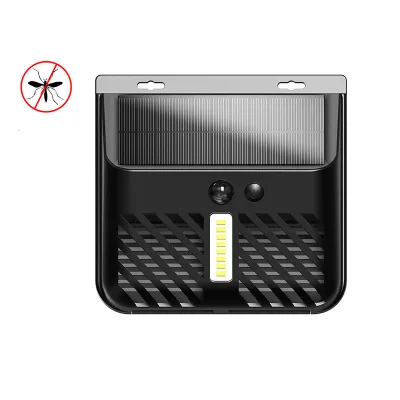


Comprehensive Sourcing Guide
Waterproof Solar Mosquito Killer Lamp Sourcing Guide
Buyers must first distinguish between general solar lighting and specialized pest control units, as the core keyword implies a dual function of illumination and insect elimination. The observed product listings reveal a specific category of devices labeled as "Solar Mosquito Killer Lamp" or "Electric Shock Mosquito-killing Lamp," which utilize electromagnetic waves or electric grids rather than simple UV attraction. This distinction is critical because a standard solar garden lamp lacks the specific trap mechanisms required for effective pest control, and procurement teams should verify that the product description explicitly mentions pest control functionality before proceeding.
The market data indicates a wide variance in design and capacity, ranging from compact units suitable for areas under 20 square meters to larger systems designed for spaces up to 100 square meters. Procurement teams should note that while some listings describe "Abstract Type" modeling, others specify "Modern simplism style," suggesting that aesthetic customization is a viable negotiation point. Buyers should prioritize suppliers who can demonstrate the specific integration of solar panels with mosquito-killing technology, ensuring the unit is not merely a decorative light but a functional tool for outdoor pest management in residential or commercial settings.
Product Scope and Observed Listing Signals
When evaluating product scope, buyers should focus on the specific power and illumination metrics that define the unit's operational viability. The observed listings consistently cite a rated power of 3W with a continuous illumination time of 12 to 16 hours, powered by a 3.7V 2200mAh lithium battery and a 2V 2W monocrystalline silicon solar panel. These figures suggest a robust energy storage system capable of sustaining both the lighting and the mosquito-killing circuitry through the night, but buyers must verify that the listed battery capacity matches the actual discharge requirements of the specific model to avoid premature failure.
The physical dimensions and material composition also vary significantly across the observed range, with overall dimensions spanning from 300mm to 580mm and specific models measuring up to 680mm in length. Most units are constructed from aluminum with chrome-plating techniques to ensure durability against the elements, yet the "IP65" protection level observed in some listings must be confirmed for every specific unit to guarantee resistance against dust and water jets. Procurement teams should request detailed dimensional drawings to ensure the selected model fits the intended installation space, particularly since some units are designed for areas under 20 square meters while others target larger outdoor zones.
Technical Specifications to Verify
Technical verification must begin with the electrical architecture, specifically the voltage and switch mechanisms that control the device's operation. While some data points list a voltage of 1.2V, others indicate 12V or 3.7V for the battery, creating a potential confusion that requires immediate clarification from the supplier. Buyers should insist on a clear schematic showing how the solar panel charges the battery and how the inductive or toggle switch manages the transition between charging and discharging modes, ensuring the system can handle the load of both the LED filament chips and the mosquito-killing grid without voltage drops.
The light source and control logic are equally critical, with observed specifications including Warm Light at 3000K and a smart light sensor for automatic operation. Buyers must verify that the "Smart Light Sensor" effectively distinguishes between ambient daylight and darkness to trigger the mosquito-killing function only when necessary, preventing energy waste. Additionally, the "Type: Convertible Frequency Electromagnetic Waves" claim requires technical validation to ensure the frequency range is effective against mosquitoes without posing risks to other wildlife or humans, as this is a key differentiator from standard UV insect traps.
Compliance and Safety Documentation
Safety compliance is paramount for electrical devices exposed to outdoor environments, and buyers should demand evidence of CE, RoHS, and CCC certifications for all units intended for the European and Chinese markets. The observed listings frequently mention these certifications, but procurement teams must verify that the certificates are current and specifically cover the solar mosquito killer model, not just a generic solar lamp line. This verification is essential to ensure the product meets international safety standards for electrical insulation, battery safety, and the absence of hazardous substances, which is a prerequisite for customs clearance and market entry.
Beyond general certifications, buyers must scrutinize the specific safety features related to the mosquito-killing mechanism, such as the protection level against electric shock. The "IP65" rating observed in some listings indicates a high degree of dust and water protection, but this must be validated through independent test reports to confirm the unit can withstand rain and humidity without short-circuiting the high-voltage grid. Procurement teams should also check for any specific standards regarding the electromagnetic waves emitted by the device to ensure they comply with local regulations on electromagnetic interference and human exposure limits.
Cost Drivers and Commercial Terms
Cost structures for these units are heavily influenced by the complexity of the internal components, particularly the battery capacity and the solar panel efficiency. The observed price range of 1.2 to 130 USD suggests a significant disparity based on features, with higher-priced units likely offering larger batteries, more efficient monocrystalline panels, and advanced pest control technologies. Buyers should analyze the cost per unit against the specific technical specifications, such as the 2200mAh battery and 3W power rating, to determine if the premium price reflects genuine performance improvements or merely aesthetic customization.
Commercial terms, including Minimum Order Quantity (MOQ) and packaging, vary widely, with observed MOQs ranging from 1 to 1000 units and packaging sizes differing from 24x24x25cm to 48x40x29cm per carton. Buyers must negotiate these terms based on their inventory needs, as larger MOQs may secure better unit pricing but increase storage costs. Additionally, the "Customization: Available" attribute indicates that buyers can request specific branding or design changes, but these customizations will likely impact the lead time and unit cost, requiring a clear agreement on the timeline and pricing adjustments before production begins.
Supplier Qualification and Quality Control
Supplier qualification should focus on the manufacturer's ability to maintain consistent quality across the production of solar mosquito killer lamps, given the technical complexity of integrating solar, battery, and pest control systems. Buyers should verify the supplier's origin, noting that many observed listings originate from Guangdong, China, a hub for electronics manufacturing, but should also assess their specific experience with solar-powered pest control devices. Requesting references from previous clients who have purchased similar units can provide insight into the supplier's reliability and their ability to meet delivery schedules and quality expectations.
Quality control protocols must be rigorous, especially regarding the waterproofing and electrical safety of the final product. Buyers should implement a pre-shipment inspection plan that specifically tests the IP65 rating, battery charge retention, and the functionality of the mosquito-killing grid under simulated outdoor conditions. It is essential to verify that the "Chrome-plating" and "Aluminum" materials used in construction meet the specified standards for corrosion resistance, as these factors directly impact the product's lifespan and performance in harsh weather conditions.
Long-Term Procurement Checks
Long-term procurement success depends on establishing a robust warranty and after-sales support framework, as the observed warranty period is typically one year. Buyers should negotiate terms that extend beyond the standard warranty to cover potential battery degradation or solar panel efficiency loss over time, ensuring that the supplier provides replacement parts or units if the product fails prematurely. This proactive approach helps mitigate the risk of equipment failure in critical outdoor areas and maintains the reliability of the pest control solution for the end-user.
Continuous performance monitoring is also necessary to ensure the products continue to meet the initial specifications after deployment. Buyers should track key performance indicators such as the actual continuous illumination time and the effectiveness of the mosquito-killing mechanism in real-world conditions, comparing these results against the observed 12-16 hour illumination and 3W power ratings. If discrepancies arise, buyers should engage the supplier immediately to investigate potential manufacturing defects or design flaws, ensuring that the procurement relationship remains productive and that the supply chain remains resilient against future quality issues.
FAQs
What is the IP rating for waterproof solar mosquito killer lamps?
The waterproof solar mosquito killer lamps feature an IP65 protection level. This rating ensures the device is dust-tight and protected against water jets from any direction. It makes the lamp suitable for outdoor garden or patio use without risk of internal damage from rain or cleaning.
How long does the battery last on a single charge?
These lamps provide continuous illumination for 12 to 16 hours. They are equipped with a 3.7V 2200mAh lithium battery that stores energy from the solar panel. This duration supports overnight operation, ensuring effective mosquito control throughout the night without needing external power sources.
Can I customize the solar mosquito killer lamp design?
Yes, customization is available for these solar mosquito killer lamps. Buyers can request specific modifications to meet unique project requirements. The product supports tailored solutions, allowing for adjustments in style or functional elements to align with specific aesthetic or operational preferences for outdoor lighting.
What certifications do these solar mosquito killer lamps hold?
The lamps hold CE, CCC, and RoHS certifications. These standards verify compliance with safety, electromagnetic compatibility, and hazardous substance restrictions. Such certifications ensure the product meets rigorous quality and environmental requirements, providing assurance for international buyers and regulatory compliance in various global markets.
What is the typical MOQ for ordering these lamps?
The minimum order quantity ranges from 1 to 1000 units. This flexible MOQ allows buyers to place small trial orders or large bulk purchases. It accommodates diverse procurement needs, from individual garden setups to large-scale commercial installations, ensuring accessibility for various business scales.
What material is used for the lamp body construction?
The lamp body is constructed from aluminum with chrome-plating techniques. This material choice provides durability and resistance to corrosion in outdoor environments. The modern simplism style combined with robust materials ensures the lamp remains aesthetically pleasing while withstanding weather conditions over its one-year warranty period.