Source Internal Thermal Printer Ophthalmic Biometer for Hospitals
Find and compare 30 Internal Thermal Printer Ophthalmic Biometer listings from verified manufacturers. Evaluate key specifications such as measuring range, precision, and connectivity options to select the right ophthalmic optical equipment for your clinical needs.
Key considerations
Products List
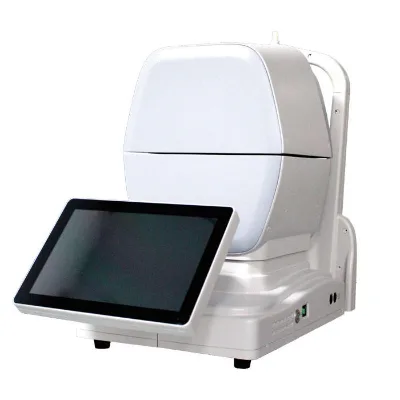
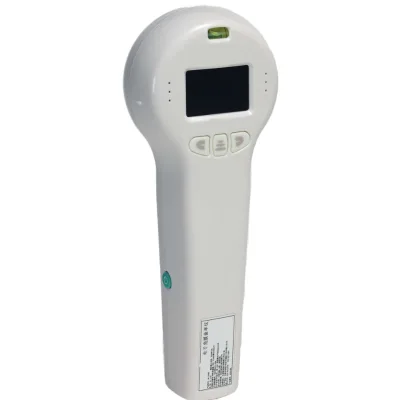


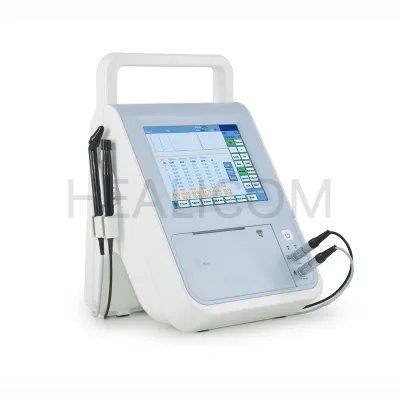


Ophthalmogy Device Medical Auto Lensmeter with Built-in Thermal Printer
$550.00 - $610.00
MOQ: 1 Pieces

Sy-Vl043 Ophthalmic Refractometer Auto Lensmeter with High Speed Thermal Printer
$570.00 - $866.00
MOQ: 1 Pieces


Sy-V033 Infrared Printer Mini Ophthalmic Equipment Non-Contact Portable Tonometer
$882.00 - $1882.00
MOQ: 1 Pieces

Portable Ophthalmic Ab Scanner & Biometer Ophthalmic Ubm for on-Site Eye Examinations
$4700.00 - $9300.00
MOQ: 1 Pieces

High Accuracy Ophthalmic Ap Scanner Ultrasound Machine Optical Biometer Equipment
$800.00 - $2000.00
MOQ: 1 Pieces


Kr-8000K China Optical Eye Test Auto Refractometer Keratometer with Thermal Printer
$1550.00 - $1750.00
MOQ: 1 Pieces
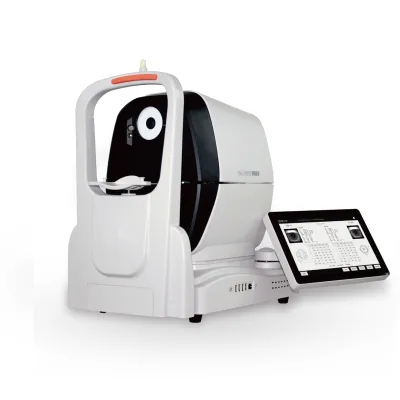


MS-3200A/B Biometer Phachymeter Ophthalmic Ophthalmology Ultrasound Scanner Scan
$1399.00 - $2899.00
MOQ: 1 Pieces




Comprehensive Sourcing Guide
Internal Thermal Printer Ophthalmic Biometer Sourcing Guide
Procuring an Internal Thermal Printer Ophthalmic Biometer requires a precise understanding of how integrated printing capabilities influence the overall instrument architecture and workflow efficiency. The presence of a built-in thermal printer, whether wireless infrared or standard thermal output, fundamentally changes the data handling process by allowing immediate physical record generation at the point of care. This integration reduces the dependency on external peripherals and minimizes the risk of data transmission errors between the biometer and a separate printing station. Buyers must evaluate whether the specific printer mechanism aligns with their clinic's volume requirements and whether the wireless output feature supports the necessary mobility within the examination room.
The market for these devices is characterized by a diverse range of specifications, from single-item selling units to complex systems with multi-language support and touch screen interfaces. While some models are designed for hospital applications with Class II instrument classification, others may target smaller scale operations with different power requirements. The observed product landscape includes variations in material composition, such as metal or plastic housings, which can impact durability and maintenance needs. Sourcing decisions should prioritize the specific functional requirements of the user, such as the measuring range for corneal curvature or the precision of axial length measurements, rather than assuming all listed units possess identical capabilities.
Product Scope and Observed Listing Signals
When analyzing product listings, buyers must distinguish between different functional categories, such as Auto Refractor Keratometers and dedicated Optical Biometers, as the internal thermal printer may be integrated differently depending on the primary function. Some observed listings indicate a measuring range for corneal curvature radius between 6.5mm and 9.5mm with a resolution of 0.01mm, while others specify a measuring range of 0.3mm to 1.2mm for axial length or other biometric parameters. It is critical to verify the specific model number, such as INK-OB1 or INC-HK01, to ensure the device matches the intended clinical application, as the internal printer's compatibility with the measurement data varies by model architecture.
The physical attributes of the device, including single package dimensions and gross weight, are significant logistical factors that influence shipping costs and installation requirements. Listings show variations in packaging, ranging from standard export packing to specific dimensions like 30x16x10 cm, which affects how the equipment fits into existing clinic spaces. Additionally, the power supply requirements, observed as AC 110-240V or AC100-240V 50/60Hz, must be compatible with the local electrical infrastructure to prevent operational failures. Buyers should carefully review the "Selling Units" and "Customization" fields to determine if the device is sold as a single item or if it requires bulk ordering, as this impacts the initial capital outlay and inventory management strategy.
Technical Specifications to Verify
The core technical specification that defines the utility of an Internal Thermal Printer Ophthalmic Biometer is the precision and resolution of its measurement capabilities. Buyers must verify that the device offers a precision of ±0.05mm for curvature radius and a resolution of 0.01mm, as these metrics directly impact the diagnostic accuracy required for procedures like intraocular lens calculations. The gain adjusting range, observed as 0-127dB, and the voltage stability are also critical parameters that ensure consistent performance across different patient types and environmental conditions. Without confirming these specific numerical values, the risk of acquiring a unit that fails to meet clinical standards increases significantly.
Connectivity and user interface features are equally vital for ensuring a seamless workflow in a busy ophthalmic practice. The presence of an LCD touch screen and multi-language support facilitates ease of use for diverse medical staff, while the output capability, whether wireless infrared or a standard thermal printer, determines how quickly patient data can be archived. The power consumption, noted as 60va in some listings, and the shelf life of the device, typically around one year for consumables or specific components, must be factored into the total cost of ownership. Buyers should explicitly confirm the compatibility of the internal printer with the specific data formats generated by the biometer to avoid compatibility issues during routine operations.
Compliance and Safety Documentation
Regulatory compliance is a non-negotiable aspect of sourcing medical devices, particularly those classified as Class II instruments. Buyers must verify that the product holds valid Quality Certifications such as CE and ISO standards, which are explicitly mentioned in several observed listings. The safety standard adherence, often cited as ISO, ensures that the device meets international safety requirements for electrical and mechanical operation. It is essential to request current certification documents from the supplier to confirm that the specific model being purchased is covered under the valid certification, as certifications can be model-specific and may not apply to all variations of a product line.
Documentation regarding the instrument's origin and manufacturing standards provides additional assurance of quality and traceability. Listings indicate origins in Guangdong, China, or Jiangsu, China, and some specify a place of origin in Guangzhou, which can influence the supply chain reliability and the availability of local technical support. The "Standard Size" and "Standard Packing for Export" attributes suggest adherence to international shipping norms, but buyers should also verify if the device meets the specific regulatory requirements of their own country or region. Ensuring that the supplier can provide a complete set of compliance documents, including user manuals and safety data sheets, is crucial for maintaining regulatory standing in the buyer's jurisdiction.
Cost Drivers and Commercial Terms
The price range for internal thermal printer ophthalmic biometers is highly variable, with observed listings spanning from $99 to $42,000, reflecting differences in brand, technology, and feature sets. This wide disparity indicates that the cost is driven by factors such as the precision of the optical system, the sophistication of the internal printer mechanism, and the inclusion of advanced features like wireless data output. Buyers should not assume that a lower price point equates to a lesser device, but rather investigate the specific specifications and warranty terms associated with each price tier to understand the value proposition. The "Single item" selling unit structure suggests that pricing is often per unit, but bulk discounts may be available depending on the supplier's MOQ policies.
Commercial terms, including warranty and after-sales service, play a significant role in the total cost of ownership and should be carefully negotiated. Most observed listings offer a one-year warranty and online technical support, which are standard but essential for mitigating the risk of equipment failure. Buyers must clarify the scope of the warranty, including whether it covers the internal thermal printer and the optical components, and verify the response time for technical support. Additionally, the availability of customization options and the specific packing requirements can impact the final cost, so these details should be confirmed before finalizing the purchase agreement to avoid unexpected expenses.
Supplier Qualification and Quality Control
Evaluating the supplier's qualification involves verifying their location and their ability to provide consistent quality assurance for medical devices. The observed origins in Guangdong and Jiangsu provinces suggest a concentration of manufacturing capabilities in China, but buyers must ensure the supplier has a proven track record of exporting to their specific market. The "Standard Export" packing and "Standard Packing for Export" attributes indicate an awareness of international logistics, but the supplier's ability to maintain quality control throughout the manufacturing process is paramount. Buyers should request evidence of their quality management systems and inquire about their process for handling defects or returns.
Quality control extends to the specific attributes of the product, such as the material composition and the reliability of the internal printer. Listings mention materials like metal and plastic, which affect the durability and longevity of the device. Buyers should verify that the supplier conducts rigorous testing on the power supply, voltage stability, and measurement precision before shipment. The "After-sale Service" of online technical support is a key indicator of the supplier's commitment to product reliability, but buyers should also assess the depth of this support, including the availability of spare parts and the expertise of the technical team. Ensuring that the supplier can provide a comprehensive quality control report for each unit is essential for maintaining high standards in the buyer's facility.
Long-Term Procurement Checks
Sustaining the operational efficiency of internal thermal printer ophthalmic biometers requires a proactive approach to long-term maintenance and supply chain management. Buyers should establish a clear protocol for monitoring the shelf life of consumables, such as thermal printer paper, and ensure a reliable supply chain for replacement parts. The one-year shelf life mentioned in some listings highlights the need for regular inventory checks to prevent the use of expired components that could compromise measurement accuracy. Developing a relationship with the supplier for timely restocking of consumables and spare parts is crucial for minimizing downtime in clinical operations.
Future-proofing the procurement strategy involves staying informed about technological advancements and regulatory changes that may impact the device's performance. As medical standards evolve, the ISO and CE certifications may be updated, requiring buyers to verify that their existing equipment remains compliant. Buyers should also consider the scalability of their procurement, ensuring that the supplier can accommodate future orders for additional units or upgrades. Regular reviews of the device's performance against the original specifications, such as the measuring range and precision, will help identify any degradation in performance that may require calibration or replacement. By maintaining a vigilant approach to long-term checks, buyers can ensure the continued reliability and efficacy of their ophthalmic equipment.
FAQs
What is the warranty period for the INNORKOM ophthalmic biometer?
The warranty period is 1 year for the INNORKOM model. This coverage applies to the device manufactured in Guangdong, China, ensuring reliability for hospital applications during the specified duration.
Can the device measure corneal curvature radius with high precision?
Yes, the device measures corneal curvature radius with a resolution of 0.01mm. It operates within a measuring range of 6.5mm to 9.5mm and maintains a precision of ±0.05mm for accurate clinical results.
Which certifications does the ophthalmic optical equipment hold?
The equipment holds CE and ISO certifications for quality and safety. These standards ensure the instrument meets international requirements for Class II medical devices used in hospital settings for ophthalmic diagnostics.
How is data output handled by the thermal printer?
Data output is handled via a wireless infrared thermal printer or a standard thermal printer. This feature allows for wireless output of print data, facilitating efficient record-keeping in clinical environments.
What power supply requirements does the instrument have?
The instrument requires an AC power supply of 100-240V at 50/60Hz. This universal voltage range supports operation in various regions while maintaining a power consumption of 60va for stable performance.
Is customization available for the optical biometer model?
Customization is available for specific models like the INNOCOM product line. Buyers can request tailored configurations, though some standard models may be listed as non-customized depending on the specific product code.