Source Dental Fixation Screw for Implants, Restorations, and Surgery
Find 30 Dental Fixation Screw options from Chinese manufacturers. Compare titanium grades, custom shapes, and OEM services for implant restorations and surgical applications. These precision components support various dental procedures with flexible customization and reliable delivery times for bulk orders.
Key considerations
Products List

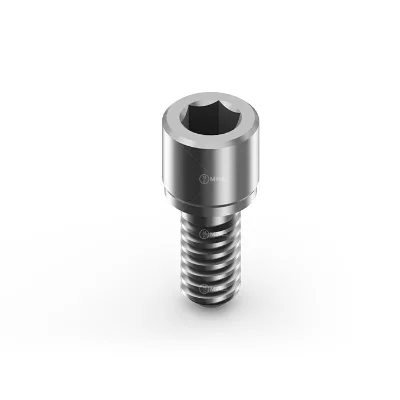
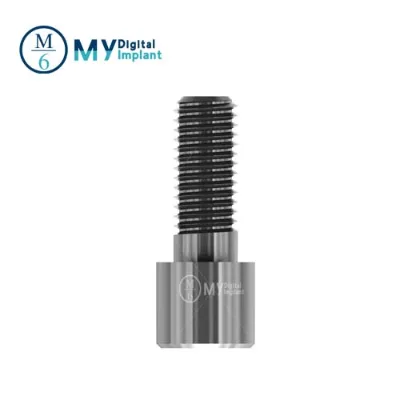


Self-Drilling Thread Dental Orthodontic Titanium Micro Implant Screw Tool
$4.50 - $6.00
MOQ: 10 Pieces

Dental Universal Implanttools Kit with Different Fixture Drivers Stainless Steel Screws Tool
$950.00 - $1000.00
MOQ: 10 Pieces

Dentist Remove Broken Implant Screws Tools Kit Dental Implant Screws Removal Kit
$109.00 - $125.00
MOQ: 1 Sets


Comprehensive Sourcing Guide
Dental Fixation Screw Sourcing Guide
Procuring dental fixation screws requires a precise understanding of the specific clinical applications and material constraints inherent to the market. Buyers must distinguish between general fasteners and specialized medical devices designed for implant restoration, where precision is non-negotiable. The observed product landscape includes items explicitly labeled for dental implant restoration, often utilizing grade 5 titanium or titanium alloys to ensure biocompatibility and structural integrity.
Sourcing decisions should be grounded in the verified attributes of the supply chain, such as the availability of customization and micro-machining capabilities. Suppliers in this sector frequently offer OEM and ODM services, allowing for tailored solutions that meet specific surgical requirements. However, buyers must carefully evaluate the distinction between standard and nonstandard models, as the latter often dictates unique lead times and pricing structures that differ significantly from off-the-shelf inventory.
Product Scope and Observed Listing Signals
The market for dental fixation screws presents a wide variance in product specifications, ranging from standard round head designs to specialized shapes with unique grooves. Listings indicate a strong presence of precision anodized titanium components, with some products explicitly compatible with established systems like Zimmer TSV. This variability necessitates a rigorous review of the product name and model number to ensure the item matches the intended surgical procedure, whether it involves general fixation or specific implant restoration tasks.
Buyers should also scrutinize the observed listing signals regarding packaging and shipping logistics, as these factors directly impact the readiness of the supply chain. Products are typically shipped via air cargo services like DHL, UPS, or FedEx, with delivery times varying from three days for samples to several weeks for batch goods. Understanding these logistical parameters is essential for planning inventory levels and ensuring that critical surgical components arrive within the required timeframe for clinical use.
Technical Specifications to Verify
Technical verification must begin with the material composition, as the supplied data highlights the use of titanium and titanium alloys, specifically grade 5, which is critical for medical applications. The head style is predominantly round, yet the groove configuration can vary, including special shapes that require precise CNC machining. Buyers must confirm that the micro-machining capabilities of the supplier align with the tight tolerances required for dental fixation, ensuring that the final product meets the exact dimensional requirements of the surgical site.
Further verification should focus on the connection shape and compatibility with existing instrumentation, as listings mention hexagon connections and compatibility with specific brands. The model numbers, such as LF or L, often correspond to distinct functional requirements, and buyers must ensure these align with their existing surgical protocols. Additionally, the instrument classification, which may range from Class I to Class II, dictates the regulatory pathway and the level of scrutiny required during the procurement process to ensure patient safety.
Compliance and Safety Documentation
Compliance documentation is a critical component of sourcing medical devices, with certifications like CE and ISO9001-2008 serving as key indicators of quality management systems. Buyers must verify that the supplier holds valid quality certifications from recognized bodies such as SGS and IAF, which validate the manufacturing processes and the consistency of the product output. The presence of these certifications is not merely a formality but a prerequisite for ensuring that the dental fixation screws meet the rigorous safety standards required for human implantation.
Safety documentation also extends to the shelf life and warranty terms associated with the product, which are vital for inventory management and risk mitigation. Listings indicate shelf lives ranging from one to three years, and warranties typically cover a period of one year, providing a buffer against manufacturing defects. Buyers should request detailed test results and quality assurance reports to confirm that the products have undergone the necessary stress and biocompatibility testing before they are cleared for clinical application.
Cost Drivers and Commercial Terms
Cost drivers in the Dental Fixation Screw market are heavily influenced by the level of customization and the complexity of the machining process. Products requiring micro-machining or special groove shapes often command higher prices due to the specialized equipment and skilled labor involved. The observed price range is broad, reflecting the diversity of products from simple standard screws to complex, custom-made fixation devices, and buyers must align their budget with the specific technical requirements of their surgical needs.
Commercial terms, including payment methods and minimum order quantities, vary significantly among suppliers and must be negotiated carefully. Payment options such as TT and PayPal are common, while MOQs can range from as low as ten pieces to several thousand units depending on the supplier's capacity. Buyers should also consider the lead times, which can extend from ten days for samples to thirty-five days for batch goods, as these factors directly impact the total cost of ownership and the ability to meet urgent clinical demands.
Supplier Qualification and Quality Control
Supplier qualification requires a thorough assessment of the manufacturing location and the specific production processes employed. Many suppliers are based in Guangdong, China, and utilize advanced CNC milling and swing clamp technologies to produce high-precision components. Buyers should verify the supplier's experience with OEM and ODM services to ensure they can adapt to specific design changes or volume fluctuations without compromising quality. The ability to provide consistent product quality is paramount, especially when dealing with medical devices that must perform reliably in critical surgical environments.
Quality control measures must be robust, encompassing everything from raw material inspection to final packaging and shipping. The use of standard export cartons with inner PP bubble bags or polybags helps protect the screws during transit, preventing damage that could render them unusable. Buyers should request evidence of the supplier's quality control protocols, including how they handle returns and replacements, to ensure that any defective products are managed efficiently and that the supply chain remains resilient against potential disruptions.
Long-Term Procurement Checks
Long-term procurement success depends on establishing a reliable relationship with suppliers who can consistently meet evolving clinical and regulatory demands. Buyers should regularly review the supplier's ability to maintain their certifications and adapt to changes in industry standards, such as updates to ISO or GOST requirements. Continuous communication regarding product updates, material changes, or new model introductions ensures that the procurement strategy remains aligned with the latest advancements in dental implant technology.
Finally, buyers must monitor the performance of the products in the field to identify any recurring issues or areas for improvement. Tracking metrics such as return rates, warranty claims, and customer feedback provides valuable insights into the quality and reliability of the dental fixation screws. By maintaining a proactive approach to supplier management and product evaluation, buyers can ensure a steady supply of high-quality components that support the safety and efficacy of dental implant procedures over the long term.
FAQs
What material is used for the Dental Fixation Screw?
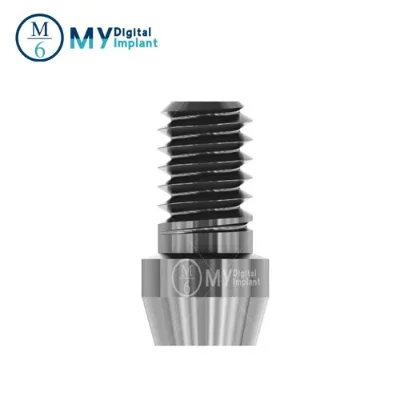
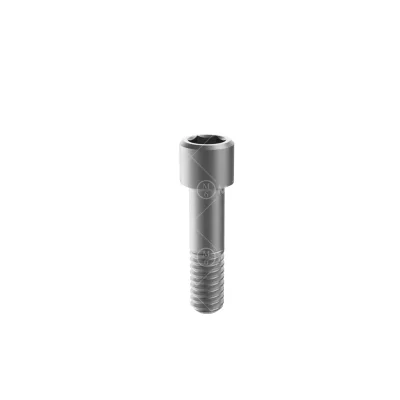
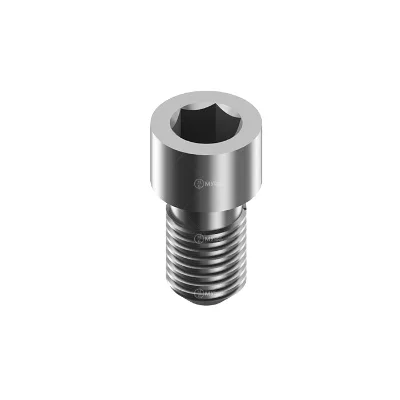
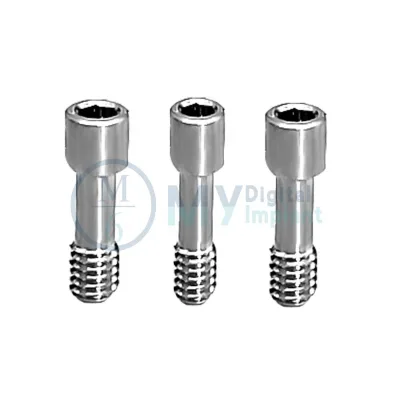
The Dental Fixation Screw is manufactured from grade 5 titanium or titanium alloy. This material choice ensures high biocompatibility and mechanical strength for dental implant restoration. The silver-colored screws undergo precision anodizing to enhance surface properties. This composition supports reliable fixation in clinical applications while meeting strict medical device standards.
Can the Dental Fixation Screw be customized for specific needs?
Yes, customization is available for these dental fixation screws. The product supports OEM and ODM services to meet specific clinical requirements. Models are custom-made with special shape grooves and micro-machining capabilities. Buyers can request specific dimensions or connection shapes to ensure compatibility with their existing dental instruments and implant systems.
What certifications does the Dental Fixation Screw hold?
The Dental Fixation Screw holds CE certification for quality assurance. It also complies with ISO9001-2008 standards and carries SGS IAF recognition. These certifications verify that the manufacturing process meets international quality management requirements. The product is classified as a Class II instrument, ensuring safety and efficacy for dental implant restoration procedures.
What is the typical lead time for ordering these screws?
The delivery time is 10-25 days for samples and 20-35 days for batch goods. This timeline allows for proper quality control and manufacturing processes. The product originates from Guangdong, China, and uses standard export carton packaging. Buyers should plan their procurement schedules accordingly to ensure timely availability for their clinical or distribution needs.
What is the minimum order quantity for these screws?
The minimum order quantity is 10 pieces for this Dental Fixation Screw. This low MOQ allows buyers to test the product quality before committing to larger orders. The screws are packaged in polybags and standard export cartons. This flexible ordering structure supports both small clinics and larger distributors in sourcing reliable titanium fixation components.
How are the dental fixation screws packaged and shipped?
The screws are packaged in polybags and standard export cartons with inner PP bubble bags for protection. Shipping options include DHL, UPS, FedEx, EMS, and TNT air cargo. The single gross weight is 0.020 kg, making them lightweight for international transport. This secure packaging ensures the precision anodized surfaces remain undamaged during transit to global destinations.