Source Waterproof TPU Coated Oxford Fabric for bags, tents, and umbrellas
Find 30 verified listings for Waterproof TPU Coated Oxford Fabric suitable for bags, tents, and umbrellas. Compare specifications like weight, thickness, and coating types from suppliers in Jiangsu, China, to match your specific project needs.
Key considerations
Products List
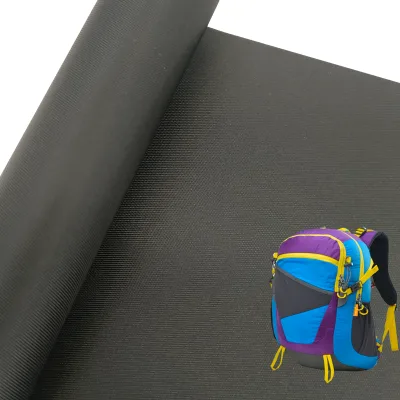


600d Good Quality Polyester Waterproof Oxford Fabric for Backpack TPU Coated
$2.00 - $10.00
MOQ: 300 Yards


100%Polyester Waterproof TPU Coated Polyester Twill Oxford Fabric for Bag
$0.76 - $0.80
MOQ: 1000 Meters
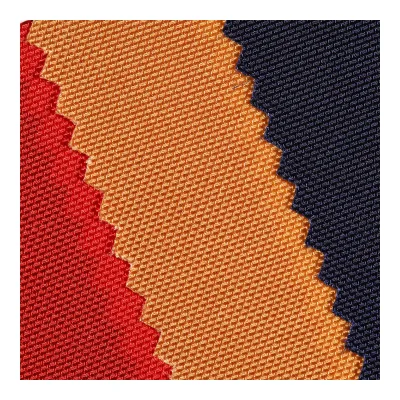
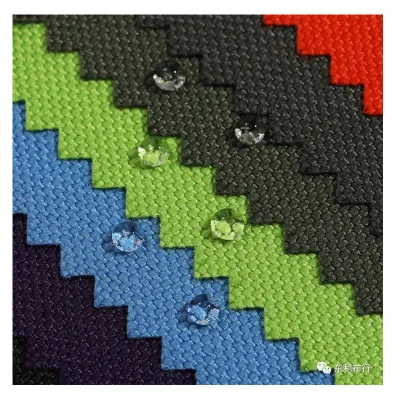
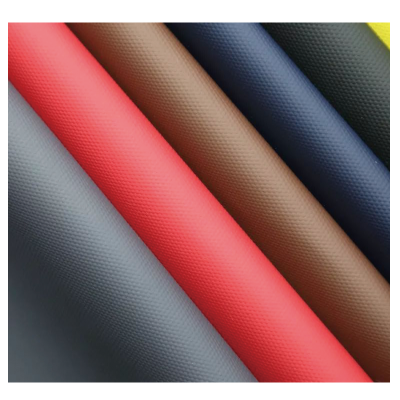


New Durable Strength Eco-Friendly Waterproof Outdoor TPU Fabric for Water Bags
$0.60 - $1.80
MOQ: 1000 Meters


Bags Fabrics 300d Oxford Fabric Waterproof PU Coated Polyester Oxford Fabric
$1.20 - $1.30
MOQ: 1000 Meters


Comprehensive Sourcing Guide
Strategic Sourcing Guide for Waterproof TPU Coated Oxford Fabric
Understanding the Core Material and Technical Specifications
Sourcing waterproof TPU (Thermoplastic Polyurethane) coated Oxford fabric requires a precise understanding of the base material and the specific coating technology applied. The foundation of this product is typically 100% polyester, woven using a high-denier yarn count such as 290D, though customizable options like 400D or 900D are frequently available to meet varying durability needs. The fabric is constructed using a woven technic, providing a robust structural integrity essential for heavy-duty applications. The coating process is the critical differentiator; while PVC and PE coatings exist, the specific requirement for TPU coating involves a W/R (Water Repellent) + TPU application. This combination ensures that the fabric maintains breathability while offering superior waterproofing compared to standard PVC alternatives.
The physical dimensions and weight are key indicators of the fabric's suitability for specific projects. The standard width for these materials is typically 57/58 inches, though buyers must verify if custom widths are required for their manufacturing lines. The weight of the fabric generally ranges between 300-400gsm, but this is often customizable based on the desired thickness and density. Thickness measurements for the coated fabric usually fall within the 0.35-0.55mm range, a specification that balances flexibility with protection against water ingress. The fabric is available in a wide spectrum of colors, including Army Green, Black, Blue, Brown, Burgundy, Dark Gray, Lavender, Light Blue, Orange, Purple, Red, Sky Blue, Turquoise, White, and Light Yellow, with specific variants like Ranger Green and Silver also noted in the market. The surface finish can be plain, twill, or feature patterns such as plaid, dobby, or jacquard, allowing for aesthetic customization alongside functional requirements.
Performance Characteristics and Functional Attributes
The primary value proposition of TPU-coated Oxford fabric lies in its multi-functional performance attributes. Beyond the fundamental waterproof capability, these fabrics often exhibit anti-static properties, which are crucial for environments where static electricity could pose a risk to sensitive equipment or personnel. Flame resistance is another critical feature, with specific product lines labeled as "FlameR" or "Fire Resistant," indicating compliance with safety standards for industrial and outdoor applications. The material also demonstrates high abrasion resistance, ensuring longevity when subjected to friction or rough handling.
In addition to mechanical durability, some variants offer specialized performance features such as anti-infrared (Anti IR) capabilities. This attribute is particularly relevant for military, security, or specialized industrial applications where thermal signature reduction is necessary. The fabric is designed to be stable, with a quality description often noted as "Stable Fabric Textile," implying consistent performance under varying environmental conditions. The coating process, specifically the W/R + TPU method, enhances the fabric's ability to repel water while maintaining a degree of breathability, preventing the buildup of condensation on the interior surface. This makes the material suitable for a diverse range of uses, including awnings, car covers, bags, luggage, tents, umbrellas, and home textiles like curtains and bedding.
Compliance, Certification, and Verification Protocols
When sourcing industrial textiles, verifying compliance and certification is paramount to ensure the material meets safety and environmental standards. While general market knowledge often references standards like Oeko-tex, buyers must not assume that every listed product holds this certification without explicit verification from the supplier. The procurement process should include a direct request for test reports and certification documents relevant to the specific application. For instance, if the fabric is intended for baby products or children's apparel, specific chemical safety certifications are mandatory.
Buyers should also verify the "Standard" designation provided by the supplier. Some listings indicate a standard length of 50 meters per roll, while others note that standards are customizable. It is essential to confirm whether the fabric meets specific international or regional safety standards for flame resistance and water proofing. The "Customizable" attribute found in many product descriptions suggests that buyers can negotiate specific compliance requirements, such as testing for specific chemical residues or fire ratings. However, these customizations must be documented in the purchase agreement. The presence of a "Brand" name, such as Blackmamba, may imply a certain level of quality control, but it does not replace the need for independent verification of material safety and performance claims.
Cost Drivers and Economic Factors in Procurement
The pricing of Waterproof TPU Coated Oxford Fabric is influenced by several dynamic factors, including the raw material costs of polyester and TPU, the complexity of the coating process, and the order volume. The observed market price range for such materials can vary significantly, typically falling between $0.45 and $10 per unit, depending on the specific configuration, color, and quantity ordered. The Minimum Order Quantity (MOQ) is a critical economic driver; while some suppliers offer low MOQs as low as 1 meter for samples, standard production runs often require a minimum of 1000 meters. This high-volume threshold is necessary to justify the setup costs for the coating machinery and to ensure consistent quality across the batch.
Additional cost factors include the customization of the fabric. Customizable yarn counts, weights, and widths will inevitably increase the unit price compared to standard stock items. The "In-Stock Items" designation suggests that purchasing standard variants may result in faster delivery and potentially lower costs due to economies of scale. Conversely, custom orders involving specific colors, patterns, or performance enhancements like anti-infrared properties will incur higher costs and longer lead times. The packaging method, whether rolls or boxes, also impacts the logistics cost, with single package sizes typically around 15x1x1 cm and a single gross weight of 1.0 kg for standard units. Buyers must balance the need for customization against the budget constraints and the MOQ requirements to optimize their procurement strategy.
Typical Applications and Industry Use Cases
The versatility of TPU-coated Oxford fabric makes it suitable for a vast array of applications across multiple industries. In the outdoor and recreational sector, it is widely used for manufacturing tents, awnings, umbrellas, and camping gear, where waterproofing and durability are non-negotiable. The automotive industry utilizes this material for car covers and interior linings, benefiting from its abrasion resistance and weather protection. In the fashion and accessories market, the fabric is employed in the production of bags, purses, totes, and luggage, offering a blend of style and functionality.
Industrial applications are equally significant. The fabric is used in the creation of equipment belts, vests, and protective garments, where its flame-resistant and anti-static properties provide essential safety features. Home textiles, including curtains, bedding, and window treatments, also benefit from the fabric's stability and aesthetic variety. The "Applicable to the Crowd" attribute indicates that the material is suitable for women, men, girls, boys, and infants, highlighting its adaptability to different end-user demographics. Specific product models, such as KM-QY-090-153 or JCTF26234, may be tailored for specific uses like equipment belts or general garment processing. The ability to customize the fabric allows manufacturers to adapt the material to niche requirements, such as military-grade gear or specialized industrial safety wear.
Supplier Evaluation and Quality Control Measures
Selecting a reliable supplier for Waterproof TPU Coated Oxford Fabric requires a rigorous evaluation process. Buyers should prioritize suppliers who offer "In-Stock Items" for immediate needs while also assessing their capability for custom orders. The "Place of Origin" is a key indicator, with many suppliers located in Jiangsu Changzhou, China, a region known for its textile manufacturing expertise. However, location alone is not a guarantee of quality; buyers must verify the supplier's production capacity and quality control systems.
Quality control should focus on verifying the consistency of the coating process, the accuracy of the weight and thickness specifications, and the durability of the fabric. Buyers should request samples, such as A4 size samples, to test the fabric's performance in real-world conditions. Key quality checks include verifying the waterproof rating, the adhesion of the TPU coating, and the resistance to abrasion and tearing. The "Quality: Stable Fabric Textile" attribute suggests that reputable suppliers maintain consistent production standards, but this should be confirmed through third-party testing if the application is critical. Additionally, buyers should evaluate the supplier's ability to provide customization, including color matching, pattern selection, and specific performance enhancements. The "Customization: Available" attribute indicates flexibility, but the supplier must demonstrate the technical capability to execute these customizations without compromising the fabric's integrity.
Long-Term Procurement Considerations and Supply Chain Stability
Long-term procurement of Waterproof TPU Coated Oxford Fabric requires a strategic approach to supply chain management. Buyers should consider the lead times associated with custom orders versus in-stock items. While in-stock items offer immediate availability, custom orders may involve longer lead times due to the need for specific production runs. The "Standard" of 50 meters per roll is a common benchmark, but buyers should confirm if this aligns with their production needs or if custom lengths are required.
Sustainability and environmental compliance are increasingly important factors in long-term sourcing. While specific certifications like Oeko-tex are not universally guaranteed, buyers should inquire about the environmental impact of the TPU coating process and the recyclability of the fabric. The "Process: W/R+TPU" and "Process: W/R+PU" distinctions highlight the importance of selecting the right coating technology for the intended application and environmental goals. Furthermore, buyers should establish clear communication channels with suppliers to ensure consistent quality over time. The ability to customize the fabric, including yarn count and weight, allows for adaptation to changing market demands, but it requires a supplier with robust R&D capabilities. By focusing on suppliers who offer transparent quality control, flexible customization, and reliable delivery schedules, buyers can secure a stable supply chain for their Waterproof TPU Coated Oxford Fabric needs.
FAQs
What is the standard width and weight of this fabric?
The standard width is 57/58 inches with a weight range of 300-400gsm. These specifications are typical for the 290D polyester woven construction, though custom weights and dimensions are available upon request for specific project needs.
Can I order samples before committing to a large purchase?
Yes, A4 size samples are available for evaluation before placing a bulk order. This allows buyers to verify the waterproof coating quality and fabric stability before proceeding with the standard minimum order quantity of 1000 meters.
Which coating processes are used for this Oxford fabric?
The fabric utilizes W/R plus TPU or W/R plus PU coating processes. These methods ensure water resistance while maintaining breathability, distinguishing them from standard PVC or PE coatings for specific industrial and outdoor applications.
What are the key performance features of this material?
Key features include waterproofing, anti-static properties, and flame resistance. The material also offers high abrasion resistance and is available in various colors to suit applications ranging from tents to protective industrial garments.
Where is this fabric manufactured and what is the origin?
The fabric originates from Jiangsu Changzhou, China. This region is a known hub for textile manufacturing, ensuring consistent production quality for the woven polyester materials used in this product line.
What is the minimum order quantity for production runs?
The standard minimum order quantity is 1000 meters for production runs. While samples can be ordered in smaller quantities, bulk orders typically require this volume to justify the coating machinery setup and ensure cost efficiency.