Source Waterproof TPU Printing Pongee Fabric for Jackets
Compare 30 listings of Waterproof TPU Printing Pongee Fabric suitable for jackets, sportswear, and outdoor gear. Buyers can review specifications like GSM, width, and coating types to find the right material for garment applications; compare the available evidence and request quotations based on your requirements.
Key considerations
Products List




Comprehensive Sourcing Guide
Waterproof TPU Printing Pongee Fabric Sourcing Guide
Buyers evaluating Waterproof TPU Printing Pongee Fabric must first distinguish between coated and bonded variants, as the supplied data indicates both TPU coating and bonding finishes are available in the market. The observed product attributes confirm that 100% polyester compositions are standard, with specific models like PX200506-1 and JYHZ230221120 demonstrating the versatility of this material for down jackets and outdoor garments. Understanding whether the fabric requires a specific coating thickness or a bonding process is critical before initiating any supplier inquiry, as these processes dictate the final hand feel and durability of the finished apparel.
Procurement teams should also verify the specific weave density and width, as listings show variations ranging from 57/58 inches to specific denier counts like 50D50D or 75D75D. The presence of high-density weaves, such as the 300t specification noted in several entries, suggests a tighter barrier against wind and water, which is essential for sportswear applications. Buyers must cross-reference these technical observations with their own garment design requirements to ensure the selected fabric provides the necessary structural integrity without compromising the breathability required for active wear.
Product Scope and Observed Listing Signals
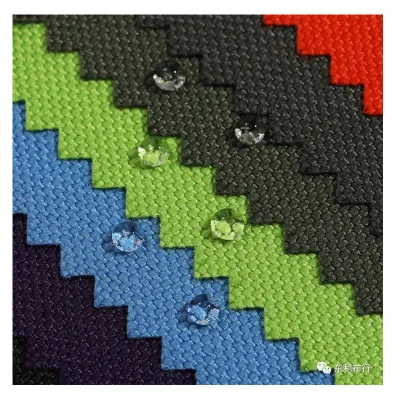
The market for this material is characterized by a wide range of customization options, with suppliers frequently offering customized colors and specific pattern treatments like plain dyed finishes. The observed product features consistently highlight a combination of waterproof, windproof, and downproof capabilities, making these fabrics ideal for high-performance outerwear. However, buyers must treat these feature lists as observations of specific listings rather than universal guarantees, as the actual performance will depend on the specific TPU application method used by the manufacturer.
Commercial signals in the listings reveal significant variability in minimum order quantities, ranging from as low as one unit to 1500 meters, which allows for both prototyping and large-scale production runs. The availability of free samples with freight collect terms provides a practical mechanism for buyers to validate the fabric's weight, which is observed around 150GSM, and its tactile properties before committing to a bulk order. This flexibility in sampling and ordering allows procurement teams to manage risk effectively while exploring different fabric weights and densities suitable for various garment types.
Technical Specifications to Verify
When verifying technical specifications, the primary focus must be on the fiber length and weave structure, as the data confirms the use of long fibers in a woven construction. Buyers should specifically request confirmation of the denier count and thread count, as observed standards include 30D*30D and 300T densities, which directly influence the fabric's resistance to abrasion and water penetration. Ensuring the fabric meets the required density is crucial for maintaining the integrity of the waterproof membrane, particularly when the material is subjected to the stress of sewing and garment assembly.
Thickness and weight are equally critical parameters, with listings indicating lightweight options that are suitable for down jackets and outdoor wear. Procurement teams must verify that the observed 150GSM weight aligns with the thermal and wind protection needs of the final product, as lighter fabrics may require additional reinforcement to prevent tearing. Additionally, the specific coated type, whether TPU coated or bonded, must be confirmed against the intended use case, as different finishing processes offer varying levels of flexibility and durability for sportswear applications.
Compliance and Safety Documentation
While specific certification statuses like REACH and RoHS are mentioned in background data, buyers must treat these as potential attributes rather than confirmed facts for every listed product. It is essential to request current compliance documentation directly from the supplier to ensure the TPU coating and polyester composition meet the regulatory requirements of the target export market. Relying on general market knowledge without verifying specific batch certifications can lead to significant compliance risks, especially when dealing with chemical finishes used in waterproofing processes.
Buyers should also verify that the production origin, often cited as Jiangsu or Shengze in China, aligns with the company's sourcing policies regarding supply chain transparency. The location of the manufacturing facility can impact the consistency of quality control and the ability to conduct on-site audits if necessary. Ensuring that the supplier can provide traceable documentation for the raw materials, including the 100% polyester composition, is a fundamental step in mitigating supply chain risks and maintaining brand integrity in the global market.
Cost Drivers and Commercial Terms
Cost structures for waterproof TPU pongee fabric are heavily influenced by the complexity of the finishing process, such as TPU coating versus bonding, and the specific density of the weave. The observed price range of 0.6 to 5.34 USD reflects these variations, with higher costs typically associated with specialized features like downproofing or custom color matching. Buyers must analyze the total cost of ownership, including the potential for higher waste rates if the fabric width or weight does not match the garment pattern efficiency, rather than focusing solely on the unit price.
Commercial terms observed in the listings, such as a 30% deposit via T/T or L/C payment methods, indicate standard industry practices that require careful financial planning. The minimum order quantity of 1500 meters for some models suggests that economies of scale play a significant role in pricing, and buyers should negotiate based on their projected volume to secure more favorable terms. Understanding the lead times and packing requirements, such as rolled packing with paper tubes and plastic bags, is also vital for logistics planning and inventory management.
Supplier Qualification and Quality Control
Supplier qualification should prioritize manufacturers who demonstrate a clear understanding of the specific technical requirements for TPU-coated fabrics, such as the ability to maintain consistent coating thickness across large rolls. The presence of multiple product models and standards in the listings suggests a mature manufacturing base, but buyers must verify the supplier's capacity to maintain quality control during the bonding and coating processes. Requesting detailed quality assurance protocols and past performance data for similar applications, such as down jackets, is essential to ensure the supplier can meet rigorous performance standards.
Quality control checks must include testing for key attributes like abrasion resistance and waterproof integrity, which are listed as standard features but require validation through independent testing. Buyers should establish clear acceptance criteria for defects such as uneven coating or delamination, which can occur if the bonding process is not executed correctly. Implementing a robust inspection regime, potentially including third-party verification, ensures that the fabric meets the specified density and weight requirements before it is shipped to the production facility.
Long-Term Procurement Checks
Establishing a long-term procurement strategy requires regular re-evaluation of the supplier's ability to maintain consistent product standards over time. Buyers should monitor changes in the fabric's composition, such as the 100% polyester content, and verify that the TPU coating remains stable under various environmental conditions. Continuous communication with the supplier regarding any updates in manufacturing processes or material sourcing helps prevent unexpected disruptions in the supply chain and ensures the product remains aligned with evolving market demands.
Performance tracking should also include feedback loops from the garment manufacturing floor to identify any issues related to the fabric's workability or durability during the sewing process. If the fabric exhibits unexpected behavior, such as reduced breathability or compromised waterproofing, immediate corrective actions must be taken to prevent further losses. By maintaining a proactive approach to supplier management and quality assurance, buyers can secure a reliable supply of high-performance waterproof TPU pongee fabric for their long-term production needs.
FAQs
What is the composition of this waterproof pongee fabric?
The fabric is composed of 100% polyester, ensuring durability and performance. It features a plain dyed style with long fiber specifications. This composition supports its use in garments and sportswear applications while maintaining structural integrity.
Can I request custom colors for this TPU coated fabric?
Yes, customized colors are available for this product line. Buyers can specify their preferred shades to match brand requirements. The fabric supports customization alongside its standard waterproof and windproof features for diverse garment needs.
How is the fabric packed for international shipping?
The product is typically packed in rolls with paper tubes and plastic bags. Some variants use plastic packages or roll packing with outer plastic bags. This method ensures protection during transit while maintaining the fabric's quality and specifications.
What are the standard width and weight specifications?
The fabric has a standard width of 57 to 58 inches and weighs approximately 150 GSM. These dimensions make it suitable for down jackets and outdoor wear. The lightweight nature ensures comfort without compromising on windproof or waterproof performance.
Which payment terms are accepted for bulk orders?
Accepted payment methods include T/T with a 30% deposit or L/C. These terms facilitate secure transactions for large volume purchases. Buyers should confirm specific deposit requirements with suppliers before finalizing the order details for production.
Is free sample availability offered for testing purposes?
Free samples are available upon request, though freight charges are collected from the buyer. This allows clients to verify the TPU coating and fabric quality before committing to bulk orders. Samples help confirm the waterproof and breathable features effectively.
What are the minimum order quantity requirements?
Minimum order quantities range from 1 to 1500 units depending on the specific product model. Buyers should check the exact MOQ for their selected style, such as PX200506-1 or PBM18. Flexible options exist to accommodate different business scales and project needs.