Source Waterproof Transparent Printing Inflatable Cube for advertising, events, and pools
Find 30 options for the Waterproof Transparent Printing Inflatable Cube suitable for advertising, business functions, and swimming pools. Buyers can compare sizes, materials like PVC or Oxford, and customization features from verified Chinese manufacturers.
Key considerations
Products List
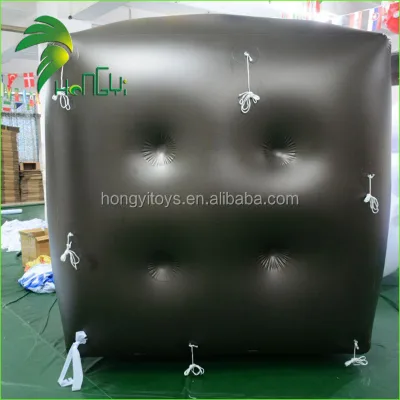
Giant Inflatable Party Cube Custom Inflatable Floating Cube for Advertisement
$180.00 - $520.00
MOQ: 1 Minimum


Swimming Inflatable Water Floating Buoy, Inflatable Safety Buoy, Sup Buoy
$119.00 - $129.00
MOQ: 1 Pieces


Air tight Square cube inflatable tent Inflatable sealed Tent for Outdoor
$3000.00 - $8000.00
MOQ: 1 Pieces

High Quality Cube Shaped Inflatable Water Buoy for Pool Safety Fun at Beach or Lake
$200.00 - $240.00
MOQ: 1 Pieces


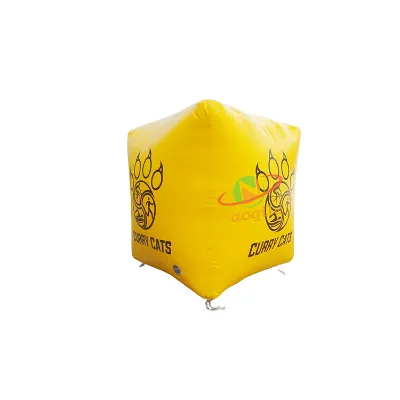


Climbing Water Park Toys Inflatable Cube Bouncia Inflatable Water Game
$2181.00 - $2666.00
MOQ: 1 Pieces

Inflatable Cube Floating Water Toys Obstacle Course for Climbing for Sale
$2181.00 - $2666.00
MOQ: 1 Pieces


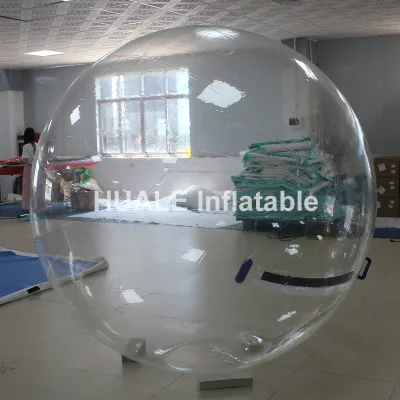


Comprehensive Sourcing Guide
Strategic Sourcing Guide for Waterproof Transparent Printing Inflatable Cubes
Procuring specialized inflatable structures requires a rigorous approach that balances aesthetic requirements with structural integrity and safety compliance. When sourcing a Waterproof Transparent Printing Inflatable Cube, buyers must navigate a landscape of varying material grades, manufacturing capabilities, and logistical constraints. This guide provides a comprehensive framework for evaluating potential suppliers and products, ensuring that the final acquisition meets the specific demands of advertising, business functions, and promotional events. The focus remains on evidence-based criteria derived from observable product attributes and industry standards, avoiding unverified claims or speculative market data.
Technical Specifications and Material Composition
The foundational element of any inflatable cube is its material composition, which dictates durability, transparency, and waterproofing capabilities. In the context of the current market, materials such as PVC (Polyvinyl Chloride) and Oxford fabric are frequently cited as primary options. For applications requiring transparency and waterproofing, PVC is often the preferred choice due to its ability to be manufactured in clear variants while maintaining high tensile strength. The specific product data indicates that materials may be described as "PVC sealed," "PVC," or "PVC or TPU," suggesting that buyers must verify the exact polymer blend to ensure it meets the transparency requirements for printing applications.
Dimensions are another critical specification. Observed data points to a standard height of 2 meters, with customization options available for other sizes. This flexibility allows buyers to tailor the inflatable to specific venue constraints or visual impact goals. The structural design often features durable and strong overlapping seams, a crucial detail for maintaining air pressure and preventing leaks in a transparent cube that may be subjected to wind or physical contact. The shape is generally customizable, allowing for variations beyond the standard cube, though the core request specifies a cubic form.
| Feature | Observed Specification | Verification Requirement |
|---|---|---|
| Primary Material | PVC, Oxford, or TPU | Confirm transparency grade and thickness (e.g., 0.55mm vs 0.9mm) |
| Standard Size | 2m tall | Verify if custom dimensions are feasible for the specific project |
| Seam Construction | Durable overlapping seams | Request photos of seam welding or stitching processes |
| Transparency | Clear or Customized Color | Ensure the material allows for high-fidelity printing without distortion |
| Shape | Any shapes acceptable | Confirm the specific geometry required for the event layout |
Compliance and Certification Verification
Safety and regulatory compliance are non-negotiable when sourcing inflatable products, particularly those intended for public use or water-based activities. The supply chain data references certifications such as CE and UL, which are significant indicators of adherence to international safety standards. Buyers should explicitly request valid certification documents for the specific batch of products being ordered, as these certificates often apply to the manufacturing facility or specific product lines rather than every individual unit.
In addition to general safety certifications, specific standards for inflatable toys and water activities may apply. The provided context mentions EN14960, a standard relevant to inflatable play equipment, and EN71, which pertains to safety of toys. While these are listed as potential standards, buyers must verify if the specific inflatable cube model complies with the relevant local regulations of the destination country. For instance, if the cube is intended for use in swimming pools or water walking scenarios, compliance with water safety standards is paramount. The absence of a specific certification on a product listing should not be assumed to indicate non-compliance, but rather a need for further verification with the supplier.
Cost Drivers and Pricing Dynamics
Understanding the cost structure of inflatable cubes is essential for budget planning. The observed price range in the market spans from 1 to 8000 USD, reflecting the vast difference between small, simple units and large, custom-engineered structures. The price is influenced heavily by material costs, with PVC and TPU being more expensive than standard Oxford fabrics. Customization is a major cost driver; options such as customized colors, printed logos, and unique shapes add to the production complexity and material waste.
The supply ability of manufacturers, noted as 100,000 pieces per month, suggests that large-scale orders can be fulfilled without significant delays, potentially stabilizing unit costs. However, the minimum order quantity (MOQ) is observed to be as low as 1 piece, which allows for small-batch procurement but may result in higher per-unit costs due to setup fees. Buyers should negotiate based on volume, as the "reasonable, negotiable, and affordable" nature of pricing implies flexibility. It is crucial to distinguish between the base product cost and additional fees for printing, packaging, and shipping, which are often quoted separately.
Typical Applications and Usage Scenarios
The versatility of the Waterproof Transparent Printing Inflatable Cube makes it suitable for a wide array of applications. The primary use cases identified include advertising and general business functions. The transparency of the material allows for internal lighting, making the cube an effective display unit for products, promotional items, or digital screens. The ability to print logos and pictures directly onto the surface enhances its utility for brand visibility at trade shows, exhibitions, and corporate events.
Beyond static advertising, the product data indicates usage in swimming pools and as water walking balls. This suggests that the material is robust enough to withstand immersion and interaction with water, making it suitable for aquatic events, pool parties, or water park attractions. The "swimming inflatable water floating buoy" classification highlights its buoyancy and safety in water environments. Buyers should ensure that the specific model selected is rated for the intended environment, whether it is a dry indoor venue or a wet outdoor pool setting. The customization of colors, including options like yellow, orange, red, or clear, allows for alignment with brand colors or event themes.
Supplier Evaluation and Production Capabilities
Selecting the right supplier involves more than just comparing prices; it requires an assessment of their production capabilities and reliability. The origin of these products is consistently noted as Guangdong, China, a region known for its manufacturing infrastructure in the inflatable industry. Suppliers in this region typically offer a production time of around 10 days, which is a standard benchmark for custom inflatable orders. However, buyers must confirm if this timeline includes the time required for printing and quality checks.
Key evaluation criteria include the supplier's supply ability, which is listed as 100,000 pieces per month, indicating a capacity for large orders. The packaging details, such as "products in carry bag inner, carton box outer," are important for logistics and protection during transit. Buyers should verify if the supplier offers protective packaging that prevents damage to the transparent material, which is more susceptible to scratches and tears than opaque fabrics. Additionally, the availability of customization services, including logo printing and color matching, should be confirmed. The supplier's willingness to negotiate terms, including payment methods like TT or Western Union, and shipping terms via air, sea, or express, is also a factor in the overall procurement strategy.
Quality Control and Long-Term Procurement Considerations
Quality control is paramount to ensure the longevity and safety of the inflatable cube. The observed product attributes mention a warranty period of 2-3 years, which serves as a benchmark for expected durability. Buyers should inquire about the specific testing procedures used by the supplier to ensure seam strength and material integrity. The presence of "durable and strong overlapping seams" is a positive indicator, but visual inspection or third-party testing may be necessary for high-stakes applications.
For long-term procurement, buyers should consider the maintenance requirements of the product. Transparent PVC materials can degrade over time due to UV exposure, so suppliers should provide guidance on storage and care. The availability of replacement parts or repair kits is another consideration for extended use. Furthermore, the customization options, such as printing your logo or picture, should be evaluated for print durability to ensure the graphics do not fade or peel after repeated use. Establishing a relationship with a supplier who offers consistent quality and reliable after-sales support is crucial for repeat business and large-scale event planning.
Logistics and Shipping Terms
The final stage of procurement involves logistics, where shipping terms and costs play a significant role. The port of dispatch is often negotiable or specified as Guangzhou, China, reflecting the manufacturing hub. Buyers must decide between air, sea, or express shipping based on urgency and budget. Sea freight is typically the most cost-effective for large orders, while air freight is suitable for urgent, smaller shipments. The packaging details, including the use of carton boxes and carry bags, should be optimized to minimize volume and weight, thereby reducing shipping costs.
Buyers should also be aware of potential customs duties and import regulations in their destination country. The product origin, listed as China or China Inflatables, may affect tariff classifications. Clear communication with the supplier regarding Incoterms (e.g., FOB, CIF, DDP) is essential to avoid unexpected costs. The payment terms, such as TT or Western Union, should be agreed upon in advance to ensure a smooth transaction process. By carefully managing these logistical aspects, buyers can ensure that the inflatable cubes arrive on time and in perfect condition, ready for their intended application.
FAQs
What materials are used for waterproof transparent printing inflatable cubes?
These cubes are typically made from PVC or Oxford fabric, with PVC preferred for clear transparency. Some options include TPU blends for enhanced durability. Buyers must verify the specific polymer grade to ensure the material supports high-fidelity printing without distortion.
Can I customize the size and shape of the inflatable cube?
Yes, customization is available for both size and shape. The standard height is 2 meters, but custom dimensions are acceptable. The shape can also be altered beyond the standard cube to fit specific venue constraints or visual impact goals.
What certifications do these inflatable products hold?
The products often carry CE and UL certifications indicating adherence to safety standards. Specific standards like EN14960 may apply for inflatable play equipment. Buyers should request valid certification documents for the specific batch to ensure compliance with local regulations.
How long does production take for custom orders?
Production time is typically around 10 days for custom orders. This timeline covers manufacturing and basic quality checks. Buyers should confirm if this duration includes the time required for complex printing or specific color matching requests.
What is the minimum order quantity for these cubes?
The minimum order quantity is as low as 1 piece for single items. This allows for small-batch procurement but may result in higher per-unit costs. Volume discounts are often negotiable given the supplier's high monthly capacity.
Where are these inflatable cubes manufactured and shipped from?
The products originate from Guangdong, China, with dispatch ports often being Guangzhou. Shipping terms can be negotiated via air, sea, or express methods. Buyers should clarify Incoterms to manage logistics and potential customs duties effectively.
What are the primary applications for waterproof transparent inflatable cubes?
Primary uses include advertising, business functions, and promotional events. They are also suitable for swimming pools and water walking activities. The transparency allows for internal lighting, making them effective display units for products or digital screens.