Source Ceramic Negative Ion Hair Straightener for Salon, Spa, Household
Explore 30 Ceramic Negative Ion Hair Straightener options with varying power, temperature ranges, and plate materials. Buyers can compare automatic models featuring MCH or PTC heaters, tourmaline ceramic plates, and LED displays suitable for salon, spa, and household use; compare the available evidence and request quotations based on your requirements.
Key considerations
Products List


Factory Customized Salon Home Hair Straightener Negative Ion Hair Straightener
$29.00 - $36.00
MOQ: 1000 Pieces


Multi-functional curling iron set, constant temperature negative ion straightener
$96.19 - $97.19
MOQ: 500 Pieces

Straight Hair Comb, Negative Ion Straightener, Electric Curling Hair Comb
$3.87 - $4.87
MOQ: 500 Pieces


Flat Iron Curler Dual Voltage Titanium Tourmaline Ionic Ceramic Hair Straightener
$15.99 - $18.00
MOQ: 500 Pieces


Private Label Ionic Electric Ceramic Professional Flat Iron Hair Straightener
$11.50 - $13.80
MOQ: 1000 Pieces

Flat Iron Hair Straightener 360° Airflow Styler with Cool Air for Curls
$11.50 - $13.80
MOQ: 1000 Pieces

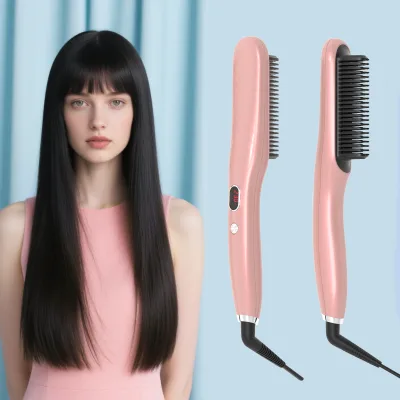
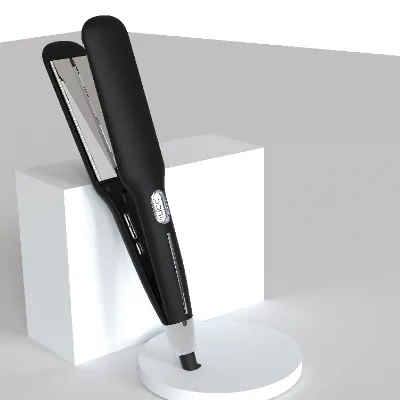
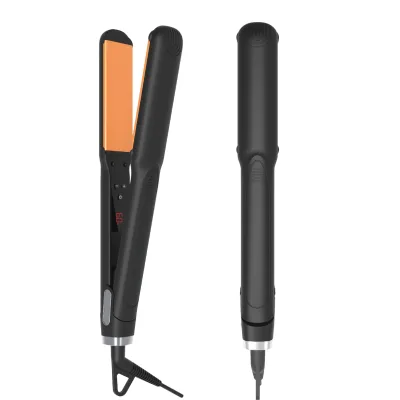


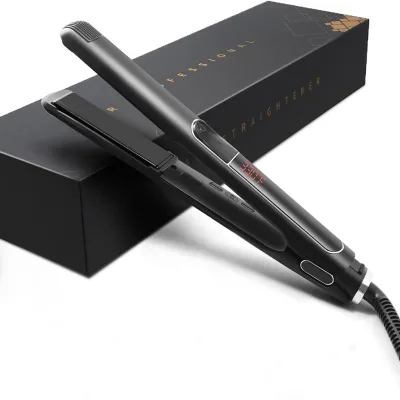
Comprehensive Sourcing Guide
Ceramic Negative Ion Hair Straightener Sourcing Guide
Procurement teams must first distinguish between the diverse configurations available in the current market, as observed listings reveal significant variation in power ratings and heating technologies. While some units operate at 35W with MCH heaters, others reach 65W utilizing PTC technology, directly impacting heating speed and energy consumption profiles. Buyers should verify the specific heater type and power rating against their target application, whether for high-volume salon use or lower-power household styling, to ensure the selected unit meets operational demands without unnecessary energy waste.
The observed product range also highlights critical differences in plate materials and temperature control mechanisms that define the final styling outcome. Listings indicate the presence of both ceramic and titanium plates, with temperature ranges spanning from 110°C to 230°C depending on the specific model and intended hair type. Sourcing decisions must account for these material and thermal variances, ensuring the chosen straightener offers the appropriate heat distribution and ionization features, such as negative ion or Lonic technology, to minimize hair damage while delivering the desired smoothness for long hair applications.
Product Scope and Observed Listing Signals
Buyers analyzing the market must recognize that product applications vary significantly between professional salon environments and general household use, a distinction clearly reflected in the available specifications. Some units are explicitly marketed for dual use in salons and spas, featuring robust construction and higher power outputs, while others are designed specifically for household consumption with lower wattage and compact form factors. This segmentation requires procurement teams to align their purchasing strategy with the specific end-user environment to avoid acquiring over-engineered or under-powered devices that fail to meet the intended service level.
The observed listing signals further reveal a wide spectrum of customization options and packaging standards that influence logistics and branding strategies. Suppliers offer customization availability, with packaging ranging from individual color boxes to bulk cartons, and models varying from simple LED displays to more advanced LCD interfaces. Procurement planners must evaluate these physical and functional attributes to determine the most cost-effective configuration, ensuring that the selected product's display type, packing method, and model number align with the retailer's branding requirements and the logistical constraints of their distribution channels.
Technical Specifications to Verify
Verification of the heating element diameter and material composition is essential to ensure consistent thermal performance and durability across the product batch. The observed specifications indicate heating element diameters ranging from 21mm to 30mm, constructed from tourmaline ceramic or titanium materials, which directly affect heat retention and ionization efficiency. Buyers must confirm that the specific model selected matches the required plate width for the target hair type, as narrower plates may struggle with long hair while wider plates could offer uneven heating if the diameter is not optimized for the specific application.
Temperature control precision and power stability are equally critical technical parameters that must be validated against the supplier's data sheets. Listings show temperature settings ranging from 150°C to 230°C with up to 15 levels of adjustment, alongside power ratings that fluctuate between 35W and 65W depending on the heater type. Procurement teams should demand proof of stable voltage operation at 220V and verify that the temperature control mechanism, whether manual or digital, maintains the stated range accurately to prevent hair damage and ensure the optimal styling time of approximately 30 seconds is consistently achievable.
Compliance and Safety Documentation
Safety compliance for electrical appliances requires rigorous verification of voltage ratings and insulation standards, particularly given the observed 220V operation of many units. Buyers must ensure that the supplier provides documentation confirming the device meets the electrical safety standards of the destination market, as the listed voltage is specific and may require transformers or specific plug configurations for international distribution. The absence of explicit certification claims in the provided data necessitates a proactive request for test reports to validate that the electrical components are safe for continuous operation in the intended environment.
While specific certification marks like CE or RoHS are noted in background knowledge, they should not be assumed present without direct supplier confirmation for each batch. Procurement teams must treat these certifications as mandatory verification points rather than inherent features, requesting valid certificates that cover the specific model numbers and power ratings observed in the listings. This due diligence is crucial to mitigate liability risks and ensure that the imported hair straighteners comply with local regulations regarding hazardous substances and electrical safety, protecting both the retailer and the end consumer from potential hazards.
Cost Drivers and Commercial Terms
The observed price range of 3.4 to 97.19 USD indicates that cost is heavily influenced by the complexity of the heating system and the quality of the plate materials. Units featuring advanced PTC heaters, titanium plates, and digital LCD displays command higher price points compared to basic models with MCH heaters and ceramic plates. Buyers should analyze the cost-to-performance ratio carefully, understanding that the lower end of the price spectrum may correspond to simpler features and lower power outputs, while the higher end reflects enhanced functionality and durability suitable for professional salon environments.
Minimum Order Quantity (MOQ) and packaging requirements are significant commercial variables that impact the total landed cost and inventory management strategy. The observed MOQ ranges from 1 to 2000 units, offering flexibility for small retailers while potentially requiring larger commitments for bulk buyers to secure optimal pricing. Additionally, the choice between color box and carton packaging affects shipping density and unit costs, requiring procurement teams to calculate the total cost per unit including packaging and logistics to determine the most efficient order volume that balances cash flow with inventory turnover goals.
Supplier Qualification and Quality Control
Supplier qualification should prioritize manufacturers who demonstrate consistent adherence to the observed technical specifications, particularly regarding the heating element material and temperature control accuracy. Given the variation in power ratings and heater types, buyers must assess the supplier's ability to maintain quality control across different production batches to ensure that every unit meets the stated 15-level temperature adjustment and optimal styling time claims. A robust quality assurance process is essential to prevent defects that could lead to inconsistent heating or premature failure of the heating element.
After-sales service and warranty provisions are critical indicators of supplier reliability and long-term product viability. The observed listings mention a one-year warranty and store warranty services, which serve as a baseline for buyer protection against manufacturing defects. Procurement teams should verify the specific terms of these warranties, including the process for handling returns and replacements, to ensure that the supplier is committed to supporting the product throughout its lifecycle. This commitment is vital for maintaining brand reputation and minimizing the financial impact of potential product failures in the market.
Long-Term Procurement Checks
Sustained procurement success depends on establishing clear protocols for monitoring product performance and customer feedback over time. Buyers should implement a system to track return rates and specific failure modes, such as heating element degradation or temperature control drift, to identify any systemic issues with the supplier's production quality. Regular reviews of product performance data will enable the procurement team to make informed decisions about continuing the relationship with the current supplier or seeking alternative sources that better meet the evolving needs of the market.
Continuous evaluation of the supplier's ability to adapt to changing market demands is also necessary for long-term strategic planning. As the market for hair styling tools evolves, suppliers must demonstrate the capacity to update their product lines with new features, such as improved ionization technology or energy-efficient designs, while maintaining the core specifications observed in the current listings. Procurement teams should engage in ongoing dialogue with suppliers to anticipate future trends and ensure that the product portfolio remains competitive and aligned with consumer expectations for safety, performance, and style.
FAQs
What power options are available for ceramic negative ion hair straighteners?
Available power ratings include 35W, 48W, 55W, and 65W models. These units operate on 220V electric power sources. Higher wattage options typically support faster heating cycles. Buyers should select power levels based on their specific salon or household usage requirements and electrical infrastructure constraints.
Can ceramic negative ion hair straighteners be customized for branding?
Yes, customization is available for these devices. Manufacturers offer options to tailor products for specific brand identities. This service allows buyers to modify packaging or product features. Customization helps businesses differentiate their offerings in competitive retail environments while maintaining core functional performance standards.
Which temperature settings do these straighteners support?
Temperature ranges typically span from 110°C to 230°C. Some models feature 15-level temperature adjustments for precise control. LED or LCD displays indicate current heat settings. These ranges accommodate various hair types, ensuring safe styling without excessive heat damage during professional or home use sessions.
What materials are used for the heating plates?
Heating plates are constructed from materials like tourmaline ceramic, standard ceramic, and titanium. These materials ensure even heat distribution and smooth gliding. Tourmaline ceramic plates often enhance negative ion generation. Buyers should choose plate materials based on desired hair finish and durability requirements for their specific styling applications.
How long does it take for these straighteners to heat up?
Optimal styling time is approximately 30 seconds for many models. Fast heating features are common in higher wattage units. This rapid warm-up time reduces waiting periods in busy salon environments. Efficient heating ensures consistent temperature maintenance throughout the styling process for professional results.
What warranty coverage is provided for these hair tools?
Standard warranty coverage is typically one year. This store warranty protects against manufacturing defects. Buyers should verify specific warranty terms with suppliers. Adequate after-sales service ensures product reliability and customer satisfaction. Warranty support helps mitigate risks associated with electronic hair styling equipment purchases.