Source Waterproof Wood Veneer Wall Panels for Furniture, Indoor, Outdoor
Find 30 verified options for Waterproof Wood Veneer Wall Panels suitable for furniture decoration, indoor spaces, and outdoor applications. Compare features like fireproof ratings, installation ease, and customization availability from manufacturers in China.
Key considerations
Products List


Waterproof Fireproof Modern Wood Veneer Wall Panel for Hotel Project Decoration
$2.60 - $2.80
MOQ: 300 Square Meters


Waterproof Interior Wood Wall Panels Bamboo Charcoal Wood Veneer Sheet
$1.79 - $2.49
MOQ: 100 Square Meters

Waterproof Bamboo Fiber Wood Veneer Wall Board Wood Fiber Wall Panel
$1.99 - $2.69
MOQ: 100 Square Meters


Wall Panels/Boards Exterior WPC Wall Panel Outdoor Wood Veneer Wall Panels
$0.90 - $1.20
MOQ: 900 Meters

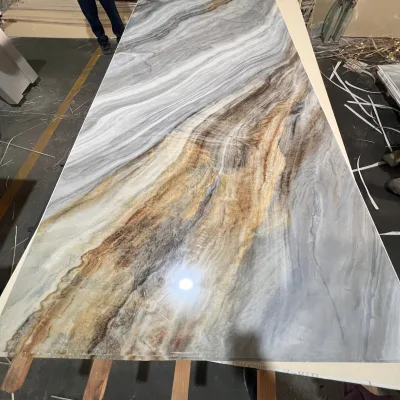


Waterproof Wood Plastic Composite WPC Wall Panel WPC Wall Panel Wood Veneer
$11.20 - $22.20
MOQ: 1000 sheet


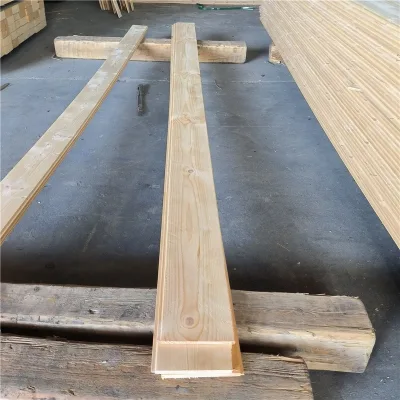
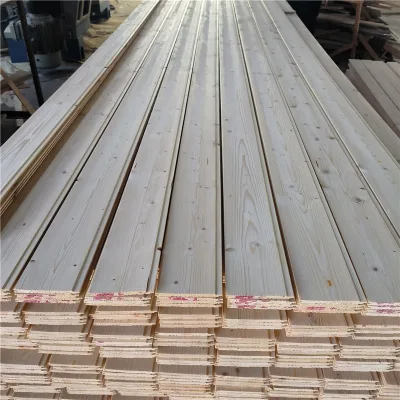

$1.60 - $7.50
MOQ: 3000 Square Meters

$1.60 - $7.50
MOQ: 3000 Square Meters

$1.60 - $7.50
MOQ: 3000 Square Meters

$1.50 - $7.50
MOQ: 3000 Square Meters

$1.60 - $7.50
MOQ: 3000 Square Meters

$1.50 - $7.50
MOQ: 3000 Square Meters

Comprehensive Sourcing Guide
Strategic Sourcing Guide for Waterproof Wood Veneer Wall Panels
Understanding Product Composition and Technical Attributes
When sourcing Waterproof Wood Veneer Wall Panels, buyers must first distinguish between the core material and the surface finish, as the market often blends these terms. The supplied product data indicates a diverse range of materials, including Wood Plastic Composite (WPC) and Medium Density Fiberboard (MDF), alongside traditional wood veneer options. This distinction is critical because the "waterproof" claim relies heavily on the substrate's inherent properties. WPC products, as noted in the observed listings, are frequently marketed with specific advantages such as being waterproof and fire-resistant, often achieving a B1 fire rating. In contrast, MDF-based panels require specific treatments or laminations to achieve similar moisture resistance.
The physical specifications of these panels vary significantly depending on the intended application. Observed data reveals that thicknesses commonly range from 5mm to 9mm, with some products offering standard dimensions of 1220x2440mm or 160x24mm profiles. Width and length are often customizable, with standard lengths observed at 2.44m, 2.8m, and 2.9m, though customization is a primary feature for many suppliers. The surface finish is another technical variable; options include groove, embossed, and co-extrusion processes. These surface treatments not only affect the aesthetic appeal, aligning with modern or luxury design styles, but also influence the panel's ability to hide seams and resist dirt accumulation. The "smooth" feature is frequently cited, suggesting a low-maintenance surface that is easy to clean, a crucial factor for high-traffic indoor environments.
Compliance, Certification, and Safety Standards
Verifying compliance is a non-negotiable step in the procurement of wall panels, particularly when the product is marketed as fireproof or antibacterial. The supplied facts mention specific certifications such as "ISOSGS," which likely refers to ISO and SGS standards, indicating that buyers should look for third-party verification of quality and safety. Furthermore, the environmental protection grade is a significant consideration; one observed specification lists an "Eo" grade, which implies a specific level of formaldehyde emission control. Buyers must verify that the supplier can provide current test reports confirming these grades, as environmental regulations vary by region.
Fire safety is another paramount compliance area. The product data explicitly mentions "Fire Proof B1" as a feature. In the context of building materials, B1 typically denotes a specific fire resistance rating, often requiring rigorous testing to ensure the material does not easily ignite or spread flames. When evaluating suppliers, procurement teams should request documentation that validates these fire ratings against international or local building codes. Additionally, the "Antibacterial" and "Dirt-Resistant" claims found in the product types list require empirical evidence. Buyers should not rely solely on marketing descriptions but must demand laboratory test results that confirm the efficacy of these surface treatments.
Cost Drivers and Pricing Dynamics
The pricing structure for Waterproof Wood Veneer Wall Panels is influenced by a complex interplay of material costs, customization levels, and order volume. The observed price range in the market spans from $0.50 to $580 USD, a variance that reflects the difference between basic composite panels and high-end, fully customized luxury units. Several key factors drive these costs. First, the material composition is a primary driver; WPC panels may offer a different price point compared to solid wood veneer or MDF-based solutions. Second, the level of customization significantly impacts the final price. Attributes such as "Customized" color, "Custom" size, and "Customer Require" specifications often incur higher manufacturing costs due to the need for specialized tooling and smaller production runs.
Order volume, represented by the Minimum Order Quantity (MOQ), is another critical cost driver. The observed MOQ ranges from 1 unit to 3,000 units, with specific listings noting an MOQ of 1,000 meters for certain WPC products. Buyers purchasing small quantities may face a higher per-unit cost, while those meeting the 1,000-meter threshold can likely negotiate more favorable pricing. Packaging also plays a role in the overall cost; options include crates, cartons, paper cartons, and pallets. The choice of packaging affects shipping efficiency and potential damage rates, which indirectly influences the total landed cost. Buyers should request detailed quotes that break down material, customization, packaging, and logistics costs to understand the true value proposition.
Typical Applications and Design Integration
The versatility of Waterproof Wood Veneer Wall Panels allows for a wide array of applications, ranging from indoor furniture decoration to outdoor installations. The product data highlights "Indoor" usage as a primary category, with specific applications in furniture decoration and general wall cladding. The "Modern" and "Modern/Luxury" design styles suggest these panels are well-suited for contemporary commercial spaces, high-end residential interiors, and hospitality venues where aesthetics are paramount. The "Smooth" and "Easily Clean" features make them particularly attractive for environments requiring hygiene, such as kitchens, bathrooms, or commercial corridors.
However, the data also indicates "Outdoor" usage for certain product lines, specifically those made from WPC. This suggests that while traditional wood veneer might be limited to indoor use, composite alternatives offer the durability required for exterior facades or covered outdoor areas. The "Waterproof" and "Fire Proof" attributes further expand the potential use cases to include areas with high moisture exposure or strict fire safety codes. When selecting panels for a specific project, buyers must align the product's design style and functional attributes with the environmental conditions of the installation site. For instance, a panel with a "Groove" surface might be ideal for creating visual depth in a modern lobby, while a "Co-Extrusion" surface might be preferred for its enhanced durability in outdoor settings.
Supplier Evaluation and Geographic Considerations
Evaluating suppliers requires a careful analysis of their location, production capabilities, and ability to meet customization demands. The supplied facts indicate that major production hubs are located in Shandong and Zhejiang, China. These regions are known for their manufacturing clusters, but buyers should verify the specific factory capabilities rather than relying solely on the region. A supplier in Shandong may specialize in WPC products, while a facility in Zhejiang might focus on MDF or veneer solutions. The "OEM Support" attribute confirms that many suppliers are willing to produce under the buyer's brand, but this requires a robust quality assurance process.
When assessing suppliers, buyers should look for evidence of a structured production process. The "Install Easily" attribute suggests that the supplier provides user-friendly installation systems, which can reduce labor costs and installation time. Additionally, the "Customization" and "Available" attributes indicate flexibility, but buyers must ensure the supplier has the technical capacity to handle complex requests without compromising quality. The "prod_packing" variations, ranging from simple cartons to full pallets, also reflect the supplier's logistics capabilities. A supplier that offers standardized packaging options alongside custom solutions demonstrates a mature supply chain. Buyers should request samples to verify the "Smooth" finish and "Water Proof" claims firsthand before committing to a large order.
Quality Control and Long-Term Procurement Strategy
Establishing a rigorous quality control (QC) protocol is essential for mitigating risks associated with Waterproof Wood Veneer Wall Panels. Given the variability in materials like WPC and MDF, buyers should implement a multi-stage QC process. This includes pre-production checks on raw materials, in-process inspections of the surface finish (groove, embossed, or co-extrusion), and final product testing for water resistance and fire ratings. The "10 Pieces Per Carton or 100 Pieces by Pallet" specification highlights the importance of packaging integrity; damaged packaging can lead to product degradation, negating the "Waterproof" benefits.
For long-term procurement, buyers should prioritize suppliers who offer consistent quality and reliable lead times. The "Lead time" is not explicitly provided in the data, but the range of MOQs suggests that production schedules can vary. Buyers should negotiate clear timelines in their contracts to avoid project delays. Furthermore, the "Low Maintance" feature implies that the panels should retain their appearance and functionality over time. Procurement teams should request warranty information and after-sales support details to ensure long-term value. Finally, maintaining a relationship with suppliers who support "Custom" colors and sizes can provide a competitive advantage, allowing buyers to differentiate their projects in the market. By focusing on these strategic elements, buyers can secure a reliable supply of high-quality Waterproof Wood Veneer Wall Panels that meet both aesthetic and functional requirements.
FAQs
What materials are used for Waterproof Wood Veneer Wall Panels?
These panels are primarily made from Wood Plastic Composite (WPC) or Medium Density Fiberboard (MDF). WPC options offer inherent waterproof and fire-resistant properties, while MDF variants require specific treatments to achieve similar moisture resistance for indoor applications.
Can these panels be customized for specific project needs?
Yes, customization is available for color, size, and surface finish. Buyers can request specific dimensions like 5mm or 9mm thickness and choose from groove, embossed, or co-extrusion surfaces to match modern or luxury design styles.
Which certifications verify the fire safety of these wall panels?
Products often carry ISOSGS certifications and meet fire proof B1 standards. Buyers should request test reports to confirm these ratings, as fire safety compliance is critical for both indoor and outdoor installations in commercial spaces.
How does the minimum order quantity affect pricing for these panels?
Minimum order quantities range from 1 unit to 3,000 units depending on the supplier. Specific listings note an MOQ of 1,000 meters for certain WPC products, where larger volumes typically result in more favorable per-unit pricing.
Where are the main manufacturing locations for these wall panels?
Major production hubs are located in Shandong and Zhejiang, China. Suppliers in these regions offer OEM support and vary in specialization, with some focusing on WPC products while others may prioritize MDF or traditional wood veneer solutions.
What surface finishes are available for these waterproof wall panels?
Available surface processes include groove, embossed, and co-extrusion treatments. These finishes provide a smooth, easy-to-clean surface that resists dirt accumulation, making them suitable for high-traffic indoor environments and furniture decoration.