Source Chevrolet Seeker Parts for Repair, Racing, and Customization
Find 30 available items for the Chevrolet Seeker, including clutch covers, pulleys, and body components. Compare specifications from suppliers in China to identify suitable replacements for repair, racing, and customization needs.
Key considerations
Products List




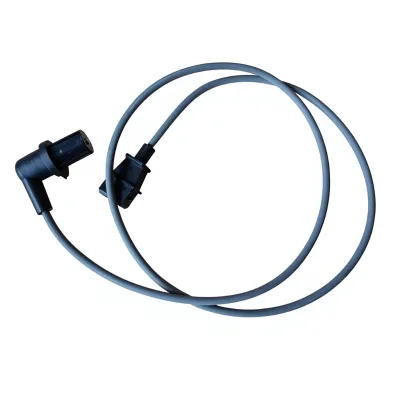
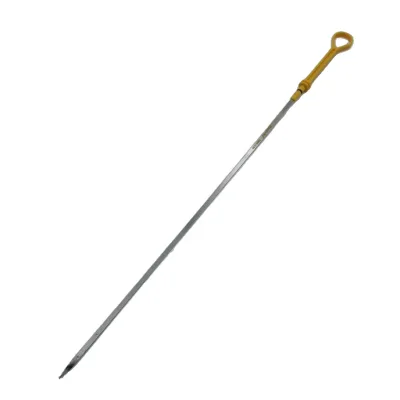
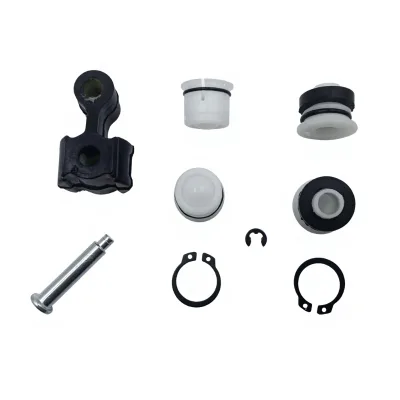
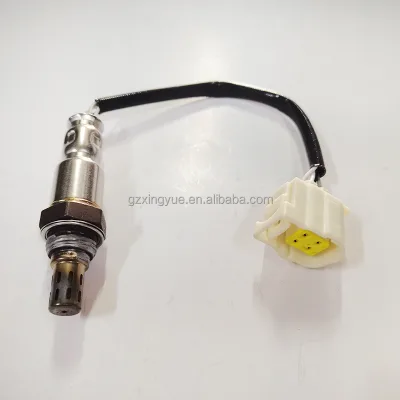
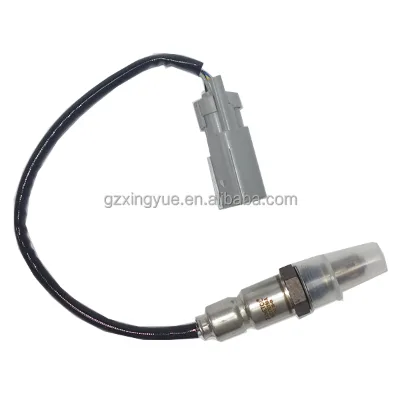
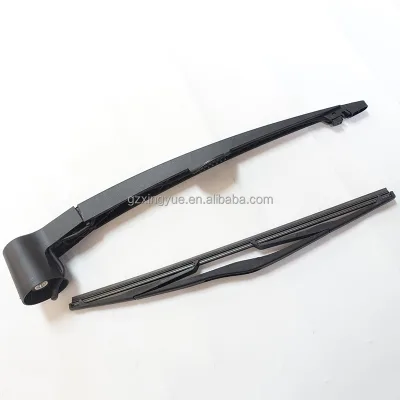
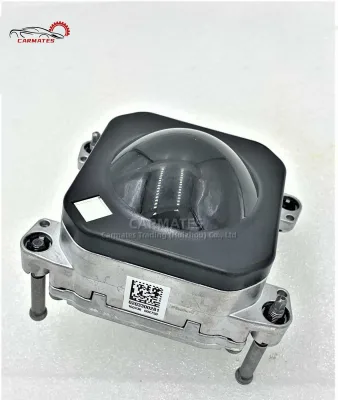


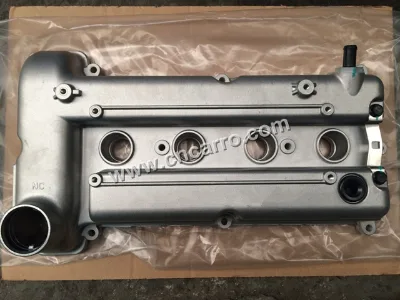
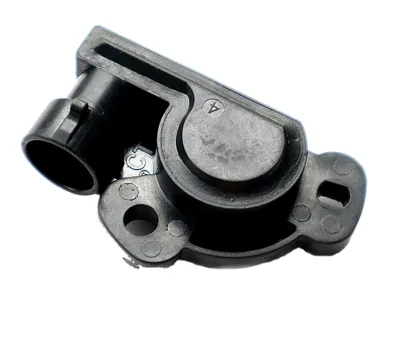

Fog-Based North Finder NF1700 True North Seeker for Navigation and Surveying
$9162.75 - $9959.51
MOQ: 1 Pieces


Comprehensive Sourcing Guide
Chevrolet Seeker Sourcing Guide
Sourcing replacement parts and accessories for the Chevrolet Seeker requires a disciplined approach to verifying compatibility, as the vehicle’s production timeline and regional market variations create distinct part numbers and fitment requirements. Buyers must navigate a fragmented supply chain where generic aftermarket components often overlap with OEM-specific designs, necessitating rigorous cross-referencing of OE numbers and vehicle model years. The following guide outlines the critical verification steps, commercial considerations, and quality controls necessary for successful procurement of Chevrolet Seeker components, ensuring that sourced items meet both functional and regulatory standards.
Product Scope and Observed Listing Signals
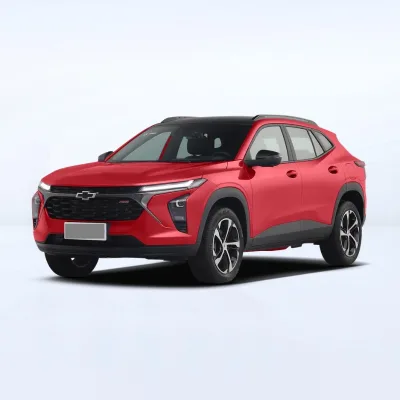
The current market landscape for Chevrolet Seeker components reveals a diverse array of products, ranging from structural body panels to specialized mechanical assemblies such as clutch covers and idler pulleys. Listings frequently highlight compatibility with related models like the Tracker, Equinox, Malibu, and Trailblazer, indicating a shared platform architecture that buyers must carefully decode to avoid fitment errors. Observed product attributes include specific exterior colors like black and body styles such as SUVs, which serve as initial filters but must be validated against the specific trim level and production year of the target vehicle.
Price points and minimum order quantities (MOQs) vary significantly across suppliers, with observed ranges extending from low-cost individual units to bulk industrial pricing structures. Some listings indicate an MOQ of 100 pieces for certain mechanical components, while others allow for single-item purchases, reflecting the difference between wholesale distributors and direct factory exporters. Buyers should treat these observed signals as indicative of market variability rather than fixed benchmarks, recognizing that lead times can extend to 60-90 days for custom or bulk orders, which impacts inventory planning and supply chain resilience.
Technical Specifications to Verify
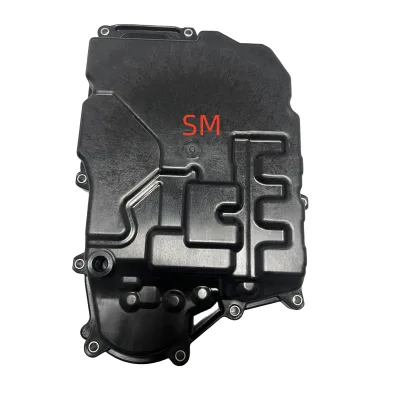
Verifying technical specifications is paramount when sourcing parts for the Chevrolet Seeker, particularly given the overlap with other GM platforms. Buyers must cross-reference OE numbers such as 24273818 and 24052991 to ensure precise fitment, as generic descriptions like "for Chevrolet Seeker 2020-2025" may encompass multiple generations or regional variants with different mounting points and dimensions. The displacement range of 1000-1600CC and automatic gearbox configurations are common attributes, but mechanical compatibility extends beyond engine size to include transmission type, drive configuration, and specific model year revisions that may alter part geometry.
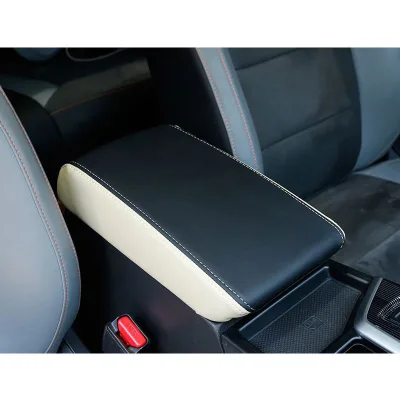
Dimensional accuracy and material composition are critical factors that directly influence installation success and long-term durability. Sourced components should be evaluated against standard dimensions, such as the 453718231564mm vehicle footprint or specific part packaging sizes like 33X24X7 cm, to ensure they meet physical constraints. For interior or exterior trim pieces, material types such as leather or specific plastic compounds must be confirmed, as these affect both aesthetic integration and resistance to environmental wear, ensuring that the replacement part matches the original equipment's performance characteristics.
Compliance and Safety Documentation
Compliance with international quality management standards is a key indicator of supplier reliability, with ISO9001 certification frequently cited in product listings as a baseline for manufacturing consistency. Buyers should request valid certification documents to verify that the supplier’s quality management system covers the specific production processes for the ordered components, ensuring that tolerances and material specifications are consistently met. This documentation is essential for mitigating the risk of receiving substandard parts that may fail prematurely or cause safety issues during vehicle operation.
Warranty terms and return policies provide additional layers of protection for buyers, with observed warranties typically ranging from 12 months to one year for various components. These terms should be clearly defined in the purchase agreement, specifying coverage for manufacturing defects and the process for claiming replacements or refunds. Buyers must also verify that the supplier adheres to export standards, such as the Joryee Factory Export Standard Carton Box or standard pallet packing, to prevent damage during transit, which is a common source of disputes in international procurement.
Cost Drivers and Commercial Terms
Several factors influence the total cost of ownership for Chevrolet Seeker parts, including the complexity of the component, the volume of the order, and the origin of manufacture. Components originating from regions like Jiangsu, Beijing, or Guangdong in China may have different cost structures due to local labor rates, material availability, and logistical efficiencies. Buyers should analyze the unit price in the context of the MOQ, as higher volumes often yield significant discounts, but must also account for the capital tied up in inventory and the potential costs of storage and handling.
Shipping and packaging costs are additional variables that can impact the final landed cost, especially for bulky items like body panels or large mechanical assemblies. The choice of packaging, whether standard export cartons or specialized pallets, affects both the protection of the goods and the efficiency of container loading, which in turn influences freight charges. Buyers should negotiate clear Incoterms to define responsibility for shipping and insurance, ensuring that unexpected costs do not erode the savings achieved through competitive sourcing.
Supplier Qualification and Quality Control
Supplier qualification involves a thorough assessment of the manufacturer’s capabilities, including their production capacity, quality control processes, and track record in the automotive parts industry. Buyers should verify the supplier’s ability to handle customization requests, as indicated by the "Available" customization attribute, which may be necessary for specific vehicle modifications or regional requirements. This assessment should include a review of the supplier’s facility, production lines, and testing procedures to ensure they can consistently deliver parts that meet the specified technical standards.
Quality control measures should be implemented at multiple stages of the procurement process, from initial sample approval to final pre-shipment inspection. Buyers should establish clear acceptance criteria based on the observed specifications, such as the single gross weight of 2.000 kg for certain items or the precise model numbers like 89131 and 12571794. Implementing a robust inspection protocol helps to identify defects early, reducing the risk of receiving non-conforming goods and minimizing the disruption to vehicle maintenance or assembly schedules.
Long-Term Procurement Checks
Establishing long-term procurement relationships with reliable suppliers requires ongoing monitoring of performance metrics, including delivery times, product quality, and responsiveness to issues. Buyers should track key performance indicators such as the lead time of 60-90 days to ensure that supply chain delays are managed effectively and do not impact operational continuity. Regular audits and feedback loops with suppliers can help identify areas for improvement and foster a collaborative environment that prioritizes mutual growth and reliability.
Continuous market monitoring is essential to stay informed about changes in part availability, pricing trends, and regulatory requirements that may affect the sourcing of Chevrolet Seeker components. Buyers should maintain a diversified supplier base to mitigate risks associated with single-source dependencies, ensuring that alternative options are available if primary suppliers encounter production or logistical challenges. By maintaining a proactive approach to supplier management and market analysis, buyers can secure a stable and cost-effective supply of high-quality parts for their Chevrolet Seeker fleet.
FAQs
What is the condition of the Chevrolet Seeker parts listed?
The listed parts are in new condition. This applies to items like the racing clutch cover and body components sourced from Jiangsu and Beijing factories, ensuring they meet standard export requirements for replacement and repair purposes.
Which certifications do the manufacturers hold for these parts?
Manufacturers hold ISO9001 certification for specific components like the idler pulley. This standard ensures quality control during production, which is a key requirement for sourcing reliable replacement parts for Chevrolet models such as the Seeker and Tracker.
What is the typical lead time for ordering these parts?
The typical lead time ranges from 60 to 90 days for bulk orders. This duration accounts for production and export logistics, particularly for items requiring standard pallet packing or specific carton box packaging from Chinese factories.
Can I find parts with customization options available?
Yes, customization is available for certain product lines. Buyers can request specific configurations for parts like handrail covers or body components, provided they meet the minimum order quantity and packaging standards set by the supplier.
What is the minimum order quantity for these parts?
The minimum order quantity is 100 pieces for specific items like the idler pulley. Some single items may be available with lower MOQs, but bulk orders typically require meeting the 100-piece threshold to proceed with sourcing.
Where are the Chevrolet Seeker parts manufactured?
Parts originate from multiple locations including Jiangsu, Beijing, Anhui, and Guangdong in China. These regions host factories that produce components ranging from clutch covers to body parts, all adhering to specific export standards.
What warranty is provided for the replacement parts?
A warranty of 12 months or one year is provided for eligible parts. This coverage applies to items like the racing clutch cover and ensures protection against defects during the specified period after purchase.