Source Wear Resistant Ceramic Cyclone for Mining Cement Coal
Compare 30 verified suppliers offering Wear Resistant Ceramic Cyclone solutions for mining, cement plants, and coal yards. These products feature high alumina content, customizable shapes, and ISO9001 certification for reliable performance in abrasive environments.
Key considerations
Products List


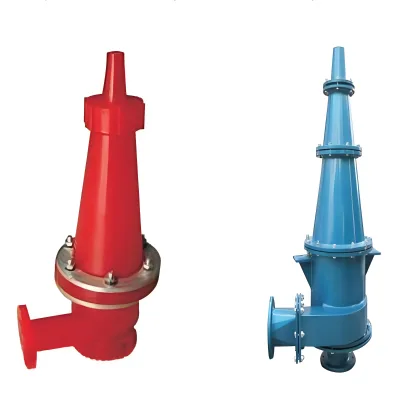
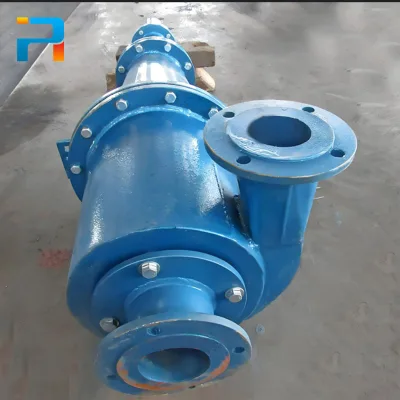
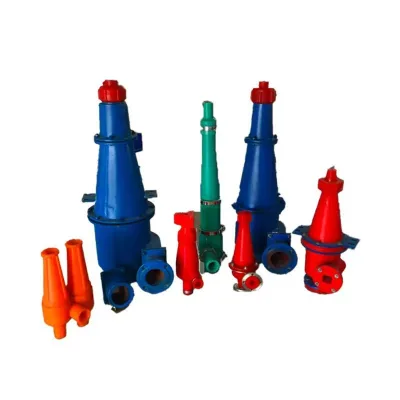
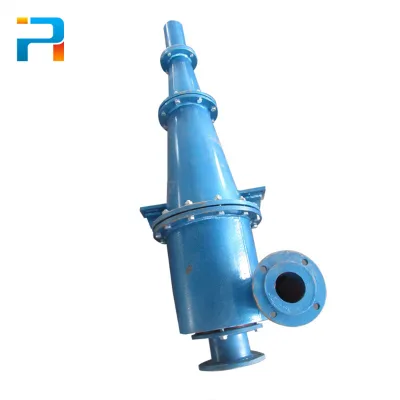
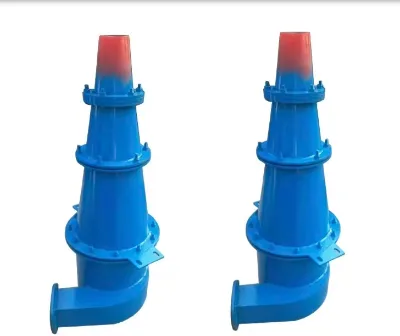
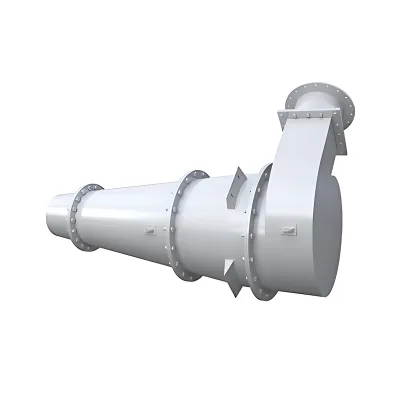
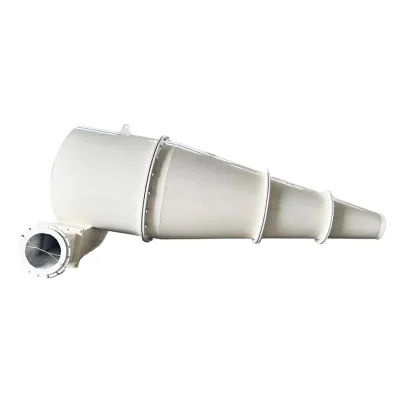
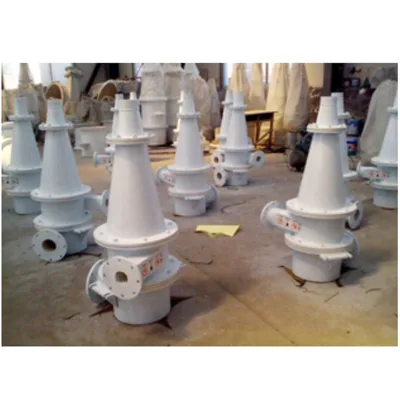
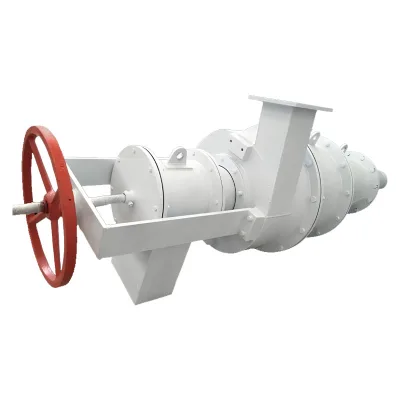


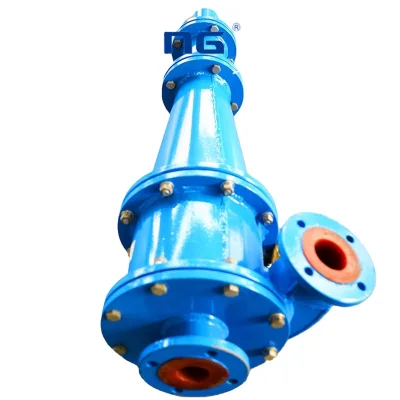
Haiwang Hydrocyclone Filter Cyclon Mine Cyclon Hydrocyclon Multicone Cyclone
$1233.20 - $1234.50
MOQ: 1 sets


Comprehensive Sourcing Guide
Strategic Sourcing Guide for Wear Resistant Ceramic Cyclones
Understanding the Technical Profile of Ceramic Cyclones
When sourcing wear-resistant ceramic cyclones, buyers must first establish a clear understanding of the material composition and physical properties that define performance in abrasive environments. The core material for these components is typically high-purity alumina ceramic, with aluminum oxide (Al2O3) content ranging from 92% to 99%, or utilizing Zirconia-Toughened Alumina (ZTA) for enhanced toughness. This material selection directly influences the hardness of the component, which is observed to fall within the range of 900 to 1600 HV. Such high hardness is critical for resisting the erosive effects of abrasive media such as pulp, powder, coal, and cement dust.
The density of these ceramic cyclones is a key physical attribute, generally observed between 3.6 and 4.2 g/cm³. This density contributes to the structural integrity required to withstand high-velocity particle impacts. In terms of mechanical strength, the flexural strength or modulus of rupture is a vital metric, with specific observations indicating a value greater than 1400 GPa for high-grade variants, though buyers should verify the specific unit of measurement and testing standard used by the supplier. The surface finish of these cyclones is typically smooth, which is essential for maintaining optimal flow dynamics and preventing material buildup or clogging within the cyclone chamber.
The geometry of the cyclone is not always standardized. While some models are designated as "ceramic-cone" or "cyclone" types, the shape is often customizable to fit specific process requirements. The maximum dimensions for individual ceramic plates or assembled units can reach up to 900 mm by 900 mm, allowing for the construction of large-diameter cyclones. The installation method is predominantly adhesive bonding, which requires precise surface preparation and the use of compatible high-temperature epoxy resins to ensure the ceramic lining remains secure under thermal and mechanical stress.
Compliance, Certification, and Standard Verification
In the industrial procurement of wear-resistant ceramics, verifying compliance with international and national standards is non-negotiable. Buyers should look for evidence that the supplier adheres to ISO 9001 quality management systems, with specific references to the ISO 9001-2015 version being a common benchmark in the industry. Additionally, product standards often align with major international specifications such as AISI, ASTM, DIN, GB, and JIS. The specific standard ID15-720mm may appear in product documentation, but buyers must confirm that this refers to dimensional tolerances or specific model identifiers rather than a universal material standard.
Third-party certification is another critical layer of verification. Reputable suppliers often provide certificates from recognized bodies such as SGS, which validate the chemical composition and physical properties of the ceramic material. The presence of an ISO certificate is a baseline requirement, but buyers should also inquire about specific material certifications that confirm the Al2O3 content is indeed over 99% for high-performance applications. It is important to note that while some product listings may mention "Standard: GB," this refers to Chinese National Standards, and international buyers should ensure these align with their local regulatory requirements or project specifications.
The origin of the product is a significant factor in the supply chain. The majority of these ceramic cyclones originate from Shandong Province, specifically the Zibo region, which is a recognized hub for ceramic manufacturing in China. This location impacts logistics and lead times. Buyers should verify the "prod_origin" field in supplier documentation to ensure the product is sourced from a legitimate manufacturing base rather than a trading company with no direct production capability. The export markets for these products include Australia, South Africa, South America, and global regions, indicating that the products are designed to meet international shipping and durability requirements.
Cost Drivers and Pricing Structures
The pricing of wear-resistant ceramic cyclones is influenced by a complex interplay of material purity, customization, and order volume. The observed price range in the market is vast, spanning from 1 USD to 15,000 USD, which reflects the difference between small, standard-sized ceramic plates and large, fully assembled, custom-engineered cyclone units. The primary cost driver is the Al2O3 content; products with 99% purity or ZTA formulations command a higher price point than those with 92% or 95% content due to the more expensive raw materials and stricter manufacturing controls required.
Customization is a significant factor in cost escalation. While standard models may be available at lower price points, the "Customization: Available" attribute indicates that buyers can request specific shapes, sizes, and configurations. This flexibility comes with a premium, as it requires dedicated tooling and production planning. The "prod_packing" method also affects the final landed cost. Products are typically packed in wooden boxes or on pallets, and the choice between these options, along with the complexity of the packing required for fragile ceramic components, adds to the overall expense.
Order volume plays a crucial role in determining the unit price. The Minimum Order Quantity (MOQ) ranges from 1 to 100 units, suggesting that buyers can source small quantities for testing or replacement purposes, but larger volumes will likely yield better per-unit economics. The trade terms, such as EXW, FOB, CFR, and CIF, dictate who bears the cost of shipping and insurance. For international buyers, selecting a CIF (Cost, Insurance, and Freight) term might simplify logistics but could result in a higher base price compared to an EXW (Ex Works) term where the buyer manages all transportation costs.
Typical Industrial Applications and Performance Requirements
Wear-resistant ceramic cyclones are engineered for environments where abrasive particles cause rapid degradation of metal components. The primary applications include coal yards, mining machinery, cement plants, and metallurgical machinery. In these settings, the cyclones are used to separate solid particles from gas or liquid streams, a process that subjects the internal surfaces to intense erosion. The "Use" attribute specifically highlights "Chute Wear Resistant" applications, indicating that these cyclones are often integrated into chute systems to protect the structural integrity of the equipment.
The medium being processed is another critical consideration. Whether the application involves pulp, powder, or dry bulk materials like coal and cement, the ceramic lining must maintain its structural integrity under continuous flow. The "Function" of the product is explicitly defined as "Wear Abrasion Resistant," which is the primary mechanism for extending the service life of the cyclone. The color of the ceramic is typically white, which can serve as a visual indicator of purity, although this is not a definitive test of quality on its own.
In terms of performance, the ceramic cyclones must withstand high temperatures and chemical exposure. The "Application" list includes "Chemical Resistant Lining" and "Thermal Insulation Lining," suggesting that these components are not only abrasion-resistant but also capable of withstanding harsh chemical environments and thermal shocks. This dual functionality makes them suitable for complex industrial processes where multiple stress factors are present simultaneously. Buyers should ensure that the specific ceramic grade selected matches the chemical and thermal profile of their specific process medium.
Supplier Evaluation and Lead Time Management
Evaluating a supplier for wear-resistant ceramic cyclones requires a deep dive into their production capabilities and logistical reliability. The "Bulk Order Time" is typically observed between 10 and 30 days, while the "Sample Time" is shorter, ranging from 2 to 5 days. These timelines are critical for project planning, as delays in sample approval can cascade into significant delays in bulk production. Buyers should verify these lead times against their project schedules and consider the impact of potential supply chain disruptions.
The "Shipping Way" options, including Fob, CIF, DDP, and DDU, offer flexibility but also require careful management. Buyers must understand the responsibilities associated with each term to avoid unexpected costs or delays. For instance, DDP (Delivered Duty Paid) places the maximum responsibility on the supplier, while FOB (Free on Board) requires the buyer to manage freight and insurance from the port of origin. The "Trade Market" terms, such as EXW, Fob, CFR, and CIF, further define the point at which risk and cost transfer from the seller to the buyer.
When evaluating suppliers, buyers should look for evidence of a robust quality control system. The presence of an ISO 9001 certification is a strong indicator, but it should be complemented by specific product testing data. Suppliers should be able to provide test results for hardness, density, and flexural strength that match the claimed specifications. The "Certificate" field often lists SGS and ISO, but buyers should request copies of these certificates and verify their validity. Additionally, the "Standard" field may list various international standards, and buyers should ensure the supplier can demonstrate compliance with the specific standards required for their industry.
Quality Control and Long-Term Procurement Strategy
Ensuring the long-term reliability of wear-resistant ceramic cyclones requires a proactive approach to quality control and procurement strategy. The "Installation Method" of adhesive bonding is a critical point of failure if not executed correctly. Buyers should verify that the supplier provides detailed installation guidelines and, if possible, technical support for the bonding process. The "Surface Finish" being smooth is a key quality attribute, but it must be maintained during shipping and handling to prevent micro-cracks that could lead to premature failure.
For long-term procurement, buyers should consider the "Customized" attribute as a strategic advantage. By working with suppliers to develop custom solutions, buyers can optimize the cyclone design for their specific process conditions, potentially extending the service life and reducing maintenance costs. The "prod_model" variations, such as "ceramic-cone," "Alumina ceramic," and "Cyclones," indicate a range of options that can be tailored to different applications. Buyers should maintain a clear record of the specific model and specifications used in their operations to ensure consistency in future orders.
Finally, buyers should monitor the "Export Markets" and "Market" attributes to gauge the supplier's experience and reputation. Suppliers with a global footprint, including markets in Australia, South Africa, and South America, are likely to have a deeper understanding of diverse industrial requirements and regulatory environments. By focusing on suppliers with a proven track record in these regions, buyers can mitigate the risks associated with sourcing from less experienced vendors. The combination of high-quality materials, rigorous certification, and reliable logistics forms the foundation of a successful procurement strategy for wear-resistant ceramic cyclones.
FAQs
What material composition defines wear resistant ceramic cyclones?
These cyclones are primarily made of high-purity alumina ceramic with aluminum oxide content ranging from 92% to 99% or ZTA. This material selection ensures high hardness between 900 and 1600 HV to resist abrasive media like pulp and powder effectively.
How are these ceramic cyclones installed on equipment?
Installation is predominantly achieved through adhesive bonding using compatible high-temperature epoxy resins. This method requires precise surface preparation to ensure the ceramic lining remains secure under the thermal and mechanical stress of industrial operations.
Which certifications should buyers verify for these products?
Buyers should verify ISO 9001-2015 quality management certification and third-party validation from bodies like SGS. These documents confirm the chemical composition and physical properties, ensuring the product meets international standards like AISI, ASTM, and DIN.
Can suppliers customize the shape and size of cyclones?
Yes, customization is available for shape, size, and configuration to fit specific process requirements. While standard models exist, buyers can request custom shapes with maximum dimensions up to 900 by 900 mm for large-scale applications.
What is the typical lead time for bulk orders?
The bulk order time typically ranges from 10 to 30 days depending on the order volume and complexity. Sample orders are faster, usually taking between 2 to 5 days for preparation and delivery to the buyer.
Where are these ceramic cyclones manufactured?
The majority of these products originate from Shandong Province, specifically the Zibo region in China. This location is a recognized manufacturing hub, and buyers should verify the origin to ensure direct production capability from legitimate factories.
How does Al2O3 content affect the product price?
Higher aluminum oxide content, such as 99% or ZTA formulations, commands a higher price due to stricter manufacturing controls. Products with 92% or 95% content are generally less expensive, reflecting the cost of raw materials and purity levels.