Source Wear Resistant Carbide Carburetor Kit for Brush Cutters, Engines, and Tools
Find and compare 30 Wear Resistant Carbide Carburetor Kit options suitable for brush cutters, small engines, and general machinery. Evaluate specifications such as stroke type, material composition, and certification standards to identify the right spare parts for your equipment needs.
Key considerations
Products List


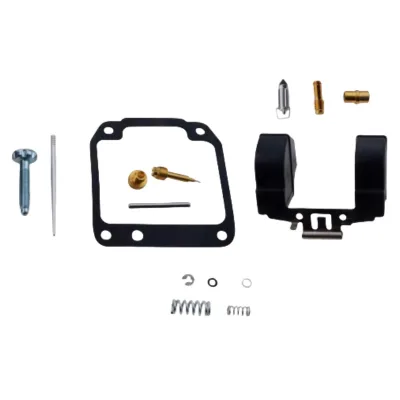
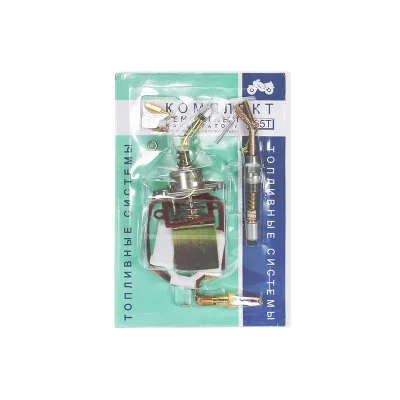
Motorcycle Spare Parts Motorcycle Carburetor Accessories/Carburetor Repair Kit
$0.80 - $1.50
MOQ: 300 Pieces


Motorcycle Parts Carburetor Carburedor Carburador Carburadores Completo Bros 125
$3.00 - $5.00
MOQ: 100 Pieces


Gasoline Engine Carburetor Kit High-Performance Engine Parts Carburetor Eh12
$16.00 - $20.00
MOQ: 5 pieces



Comprehensive Sourcing Guide
Wear Resistant Carbide Carburetor Kit Sourcing Guide
Sourcing high-performance carburetor components for industrial and agricultural machinery requires a nuanced understanding of material science, engine compatibility, and supply chain reliability. The term "Wear Resistant Carbide Carburetor Kit" often appears in listings for replacement parts, yet the actual specifications vary significantly across suppliers. Buyers must distinguish between marketing terminology and verifiable engineering data to ensure that the purchased kits meet the operational demands of their equipment. This guide provides a structured approach to evaluating these products, focusing on the critical attributes that influence durability, performance, and total cost of ownership.
The procurement process for carburetor kits involves navigating a complex landscape of engine types, from two-stroke brush cutters to four-stroke motorcycles and small engines. Observed market data indicates a wide range of product models, including specific fits for FS120, FS200, and FS250 brush cutters, as well as universal applications for various engine configurations. Understanding these distinctions is vital for aligning supplier offerings with specific maintenance needs. This guide aims to equip procurement professionals with the knowledge to verify technical claims, assess compliance, and negotiate favorable commercial terms while avoiding common pitfalls associated with generic or mismatched spare parts.
Product Scope and Observed Listing Signals
The current market for carburetor kits encompasses a diverse array of products, ranging from specialized replacement parts for specific brush cutter models to universal kits designed for broader engine compatibility. Listings frequently highlight features such as "replacement brush cutter parts" and compatibility with models like BC430 and BC520, indicating a strong segment focused on agricultural and landscaping equipment. Additionally, there is a significant presence of kits for motorcycle engines, including models like CG150, CG200, and YBR125, suggesting that the term "carburetor kit" is applied across multiple machinery categories. Buyers must carefully cross-reference these model numbers with their existing inventory to prevent procurement errors.
Observed listing signals reveal variations in packaging and origin that can impact logistics and perceived quality. Products are commonly sourced from Zhejiang, China, and are packaged in materials ranging from simple poly bags to more protective safety cartons and color boxes. The presence of specific product codes, such as 609120020 and LH430-035, suggests that some suppliers offer standardized, traceable components rather than generic unbranded items. Furthermore, the mention of "high quality performance" and "a class" quality levels in listings serves as a self-reported indicator of durability, though these claims require independent verification through sample testing and supplier audits before being accepted as fact.
Technical Specifications to Verify
Material composition is a primary determinant of a carburetor kit's longevity and resistance to wear. Listings indicate the use of aluminum for body materials and stainless steel for internal components, which are standard choices for balancing weight, corrosion resistance, and mechanical strength. However, the specific claim of "wear resistant carbide" requires careful scrutiny, as carbide components are typically found in high-wear areas such as jets or throttle valves. Buyers should request detailed material certificates or technical drawings to confirm the presence and location of carbide elements, ensuring that the kit offers genuine wear resistance rather than just standard aluminum construction.
Engine compatibility and operational principles are equally critical when selecting a carburetor kit. The market includes kits for both two-stroke and four-stroke engines, with specific mentions of air-cooled designs and single-cylinder configurations. For instance, some listings specify a "horizontal draught" carburettor type and "electric/kick" start compatibility, which are essential details for matching the kit to the target engine. Buyers must verify the stroke type, cooling method, and cylinder count against their equipment specifications. Mismatching a four-stroke kit with a two-stroke engine, or vice versa, will result in immediate failure and potential engine damage, making precise technical alignment a non-negotiable step in the sourcing process.
Compliance and Safety Documentation
Certification status is a key indicator of a supplier's adherence to international quality and safety standards. Observed listings frequently cite CE, CCC, and ISO9001 certifications, which suggest that the manufacturers have undergone specific compliance processes. The CE mark is particularly relevant for products intended for the European market, indicating conformity with health, safety, and environmental protection standards. However, buyers should verify the validity of these certifications through official databases or by requesting current certificates from the supplier, as listing a certification does not guarantee that every batch of products meets the required standards.
Documentation regarding product standards and testing procedures provides additional assurance of quality and reliability. Some listings reference specific standards such as "FS120 FS200 FS250" or "various models' specification," which may refer to industry benchmarks or internal quality protocols. Buyers should inquire about the specific test results associated with these standards, including fuel efficiency tests, emission compliance data, and durability assessments. Understanding the regulatory landscape of the destination market is also crucial, as different regions may have varying requirements for emissions and safety, necessitating additional documentation or modifications to the standard product offering.
Cost Drivers and Commercial Terms
Pricing for carburetor kits varies widely based on material quality, certification status, and order volume. Observed price ranges in the market span from $0.1 to $20 USD, reflecting the diversity from basic replacement parts to high-performance, certified kits. The minimum order quantity (MOQ) also fluctuates, with observed ranges from 1 to 1000 pieces, allowing for flexibility in procurement strategies. Buyers should analyze the cost per unit in the context of the total value proposition, considering factors such as lead time, packaging quality, and the potential for reduced downtime due to higher durability.
Commercial terms, including delivery times and payment conditions, significantly impact the overall procurement cost. Listings indicate delivery times ranging from 15 days to 30 days after order confirmation, with some suppliers specifying an MOQ of 300 pieces for certain models. These lead times must be factored into inventory planning to avoid stockouts or excess holding costs. Buyers should negotiate clear terms regarding shipping responsibilities, insurance, and return policies for defective items. Establishing a transparent communication channel with the supplier regarding production schedules and potential delays can help mitigate risks associated with supply chain disruptions.
Supplier Qualification and Quality Control
Evaluating supplier qualifications is essential for ensuring consistent product quality and reliable service. Buyers should assess the supplier's manufacturing capabilities, including their production capacity, quality control processes, and experience in the carburetor industry. Requesting samples for thorough testing is a critical step in this evaluation, allowing buyers to verify material composition, fitment, and performance under real-world conditions. Suppliers who are willing to provide samples and support testing efforts often demonstrate greater confidence in their products and a commitment to customer satisfaction.
Quality control measures implemented by the supplier directly influence the reliability of the carburetor kits. Buyers should inquire about the supplier's inspection protocols, including incoming material checks, in-process inspections, and final product testing. Documentation of these processes, such as quality control reports or inspection certificates, provides valuable insight into the supplier's commitment to consistency. Additionally, establishing a clear feedback loop for reporting defects or performance issues can help identify and resolve quality problems early in the procurement relationship, fostering a collaborative approach to continuous improvement.
Long-Term Procurement Checks
Building a sustainable procurement strategy for carburetor kits requires ongoing monitoring of supplier performance and market trends. Buyers should regularly review supplier delivery times, product quality, and responsiveness to issues, using this data to inform future purchasing decisions. Establishing key performance indicators (KPIs) for supplier evaluation, such as on-time delivery rate and defect rate, provides a quantitative basis for assessing supplier reliability. Regular audits or site visits, where feasible, can offer deeper insights into the supplier's operations and help identify potential risks before they impact the supply chain.
Adapting to changes in technology and regulatory requirements is crucial for maintaining the competitiveness of the procurement function. As engine technologies evolve, the demand for more efficient and environmentally friendly carburetor kits may increase. Buyers should stay informed about emerging trends, such as the development of new materials or compliance with stricter emissions standards, to ensure that their procurement strategies remain aligned with market demands. Engaging with suppliers who are actively involved in research and development can provide access to innovative solutions and help secure a long-term supply of high-quality carburetor kits.
FAQs
What is the main function of this carburetor kit?
This carburetor kit functions as a replacement part for brush cutters. It is specifically designed for models like Bc430 and 520, ensuring proper fuel mixture for 2-stroke engines used in outdoor maintenance tasks.
Which engine types are compatible with this product?
The product is compatible with 2-stroke and 4-stroke engines. It fits specific models such as FS120, FS200, and FS250, as well as various brush cutter types requiring a single cylinder configuration for optimal performance.
Can I request customization for this carburetor kit?
Yes, customization is available for this product. Buyers can request specific modifications to meet unique operational needs, provided the order meets the minimum quantity requirements set by the manufacturer in Zhejiang, China.
What certifications does this carburetor kit hold?
The product holds CE and CCC certifications, ensuring compliance with safety standards. Some variants also meet ISO9001 standards, providing assurance of quality and reliability for international buyers sourcing from Chinese manufacturers.
How is the product packaged for shipping?
Packaging options include poly bags, safety cartons, plastic bags with color boxes, and paper carton boxes. The specific packing method depends on the model ordered, ensuring safe transport of the aluminum or stainless steel components.
What is the typical delivery time for this order?
Delivery times vary between 15 days and 30 days after order confirmation. The exact lead time depends on the specific model and quantity ordered, with some suppliers offering faster turnaround for standard configurations.
Which materials are used to construct this carburetor?
The carburetor is constructed using high-quality aluminum and stainless steel materials. These materials ensure durability and resistance to wear, making the component suitable for heavy-duty brush cutter applications in various environments.