Source Wearable Electric Breast Pump for nursing, travel, and pumping
Compare 30 listings of Wearable Electric Breast Pump options featuring BPA-free materials and various power sources. Buyers can evaluate models with LED displays, automatic power-off functions, and different breast shield sizes to find suitable solutions for nursing, travel, and pumping.
Key considerations
Products List


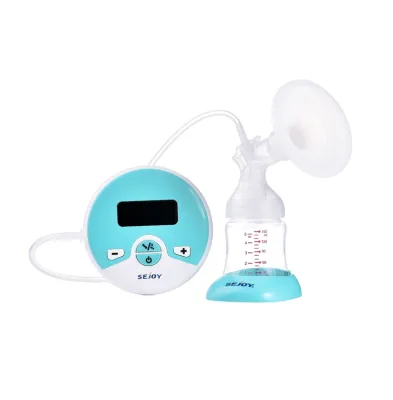


Wireless Electric Breast Pump BPA-Free Silicone Wearable Hands-Free Breast Pump
$17.50 - $18.50
MOQ: 100 Pieces






Comprehensive Sourcing Guide
Strategic Sourcing Guide for Wearable Electric Breast Pumps
Understanding Product Categories and Technical Specifications
The market for wearable electric breast pumps presents a diverse landscape where functionality, portability, and user comfort intersect. When sourcing these devices, buyers must first distinguish between the specific technical configurations available. The core product category includes electric breast pumps designed for hands-free operation, often characterized by their compact form factors and integration with wearable components. Based on observed market data, these devices frequently utilize specific power sources to ensure reliability during use. Common configurations include operation via 4 AA batteries or a dedicated medical AC adaptor, typically rated at DC 6.0V with a current capacity of 1000mA. This dual-power capability is a critical specification for buyers to verify, as it directly impacts the device's utility in various environments, from home settings to professional or travel scenarios.
Material composition is another fundamental technical aspect that defines the safety and durability of the pump. The primary materials observed in this category include Polypropylene (PP) and P.P., which are selected for their chemical stability and resistance to wear. A crucial material feature to validate is the absence of harmful substances. Buyers should specifically look for products that are explicitly BPA Free and Latex Free, as these attributes are essential for ensuring the safety of the device when in contact with breast milk and sensitive skin. The physical design often varies, with some models featuring a "Circle Nail Clip" shape or a "Large Baby Bottle" configuration, indicating different attachment mechanisms or collection methods. Furthermore, the vacuum performance is a key performance metric; observed specifications indicate a vacuum range of approximately -15 to -270mmHg, which is vital for effective milk expression.
The functional capabilities of these pumps also vary significantly. Advanced models may include an LED display for monitoring settings, automatic power-off functions to conserve energy, and automatic memory features that retain the last set vacuum level for user convenience. The driven type is consistently electric, distinguishing these units from manual alternatives. Packaging details often reflect the complexity of the equipment, with some units arriving as a "Single Loaded" package or a "Combination of equipment" that includes necessary accessories. Understanding these technical nuances allows procurement teams to align product specifications with the specific needs of their target demographic, whether that involves medical-grade requirements or consumer-grade convenience.
Compliance, Certification, and Safety Standards
Navigating the regulatory landscape is a paramount concern for buyers sourcing wearable electric breast pumps. While specific certification statuses vary by manufacturer, the presence of recognized quality management systems is a strong indicator of a supplier's commitment to safety and consistency. Buyers should prioritize suppliers who can demonstrate compliance with ISO certification standards. This certification serves as a foundational verification that the manufacturing processes adhere to international quality management principles, which is particularly important for medical-adjacent products like breast pumps.
Material safety is another critical compliance area. The supply chain must guarantee that all components, particularly those in direct contact with food or biological fluids, meet strict safety thresholds. The "BPA Free" and "Latex Free" attributes are not merely marketing terms but essential compliance markers. Buyers must verify that these claims are supported by material test reports or supplier declarations of conformity. Additionally, the absence of phthalates is often a requirement for products intended for infant care, and this should be explicitly confirmed in the product documentation.
Standardization of dimensions and packaging also plays a role in compliance and logistics. Observed product standards include specific dimensional requirements such as 11575150MM, 188125156MM, and 12124.5 CM, which likely correspond to different model sizes or packaging constraints. These dimensions are crucial for determining shipping costs and storage requirements. Furthermore, the origin of the product is a significant factor in regulatory compliance. Products originating from regions such as the Chinese Mainland, Guangdong, or Zhejiang must adhere to both local export regulations and the import standards of the destination country. Buyers should ensure that the supplier provides clear documentation regarding the Place of Origin, as this impacts tariff classifications and regulatory scrutiny.
Cost Drivers and Pricing Dynamics
The pricing structure for wearable electric breast pumps is influenced by a complex interplay of factors, including material costs, technological complexity, and order volume. The observed market price range spans from $5.92 to $35.80 USD, reflecting the wide variety of product tiers available. Lower-priced units typically represent basic models with standard features, while higher-priced units often incorporate advanced functionalities such as LED displays, sophisticated vacuum control, and premium packaging.
Material costs are a primary driver of the final price. The use of high-grade Polypropylene (PP) and the assurance of BPA-free and latex-free status add to the base cost of production. Suppliers who source certified raw materials and maintain rigorous quality control measures will naturally command higher prices. Additionally, the complexity of the electronic components, such as the motor and control circuitry, significantly impacts the cost. Models featuring automatic power-off and memory functions require more sophisticated engineering, which increases the manufacturing expense.
Order volume is another critical determinant of cost. The Minimum Order Quantity (MOQ) observed in the market ranges from 1 to 1000 units, with many suppliers setting a standard MOQ of 500 pieces. Buyers purchasing at the lower end of the MOQ spectrum may face higher per-unit costs due to the fixed costs of production setup. Conversely, larger orders can leverage economies of scale to reduce the unit price. The supply ability of the manufacturer, often cited as 150,000 pieces per month, indicates the capacity to handle large orders without significant lead time delays, which can further stabilize pricing for bulk purchasers.
Packaging also contributes to the overall cost structure. Options such as color boxes with specific dimensions (e.g., 33.49.532.2 cm) or master cartons add to the material and labor costs. Buyers should evaluate whether the packaging requirements align with their retail strategy, as premium packaging can justify a higher retail price but will increase the initial procurement cost.
Typical Applications and User Scenarios
Wearable electric breast pumps serve a variety of applications, catering to different user needs and lifestyles. The primary application is for nursing mothers who require flexibility and mobility. The hands-free design allows users to perform daily tasks while expressing milk, making these devices ideal for working professionals, students, and active parents. The ability to operate on both battery power and AC adaptors enhances their versatility, allowing for use in environments without immediate access to electrical outlets.
In medical and clinical settings, these pumps are utilized for their reliability and consistent performance. The automatic memory feature, which retains the last set vacuum level, is particularly beneficial in clinical environments where multiple users may operate the same device. This feature reduces the setup time and ensures that the correct settings are applied for each user, minimizing the risk of error. The vacuum range of -15 to -270mmHg provides the necessary suction power for effective milk expression, meeting the physiological needs of lactating women.
The design variations, such as the "Circle Nail Clip" or "Large Baby Bottle" shapes, suggest specialized applications. Some models may be designed for specific breast shield sizes, such as 24mm or 27mm, which are critical for comfort and efficiency. The inclusion of a milk bottle capacity of 230ml or customizable options indicates that these pumps are designed to accommodate different storage needs, whether for immediate consumption or long-term freezing.
Additionally, the "Animal" pattern type observed in some models suggests a market segment focused on aesthetic appeal and user experience. These designs may be targeted at younger demographics or those who prefer a more personalized and less clinical appearance. The "Fast Flow" and "Variable Flow" capabilities further expand the application scope, allowing users to customize the pumping experience based on their comfort and milk flow rate.
Supplier Evaluation and Selection Criteria
Selecting the right supplier is a critical step in the procurement process. Buyers should evaluate potential suppliers based on their production capabilities, quality assurance systems, and responsiveness to market demands. The observed supply ability of 150,000 pieces per month is a strong indicator of a supplier's capacity to handle large orders and maintain consistent delivery schedules. However, capacity alone is not sufficient; buyers must also assess the supplier's ability to meet specific customization requirements.
Customization is a key differentiator in the market. Many suppliers offer options for customized colors, packaging, and even specific product models such as XN610, PM-212, PM-127A, and PM-121A. Buyers should inquire about the extent of customization available, including the ability to tailor the product to specific regional standards or branding requirements. The availability of a "Handle" feature, or the lack thereof, may also be a customization option that needs to be addressed based on the target market's preferences.
Quality control is another essential criterion. Buyers should request evidence of the supplier's quality management systems, including ISO certification and material safety reports. The consistency of the product standard, such as the specific dimensions and material features, should be verified through sample testing. Suppliers who provide detailed packaging details, including color box and master carton sizes, demonstrate a level of professionalism and attention to detail that is crucial for successful logistics.
Geographic location is also a factor to consider. Suppliers located in Guangdong, China, or Zhejiang, China, are well-established manufacturing hubs with access to a robust supply chain. However, buyers should verify the specific location of the production facility to ensure it aligns with their logistical and compliance requirements. The origin of the product, whether from the Chinese Mainland or specific provinces, should be clearly documented to avoid any regulatory issues.
Quality Control and Long-Term Procurement Considerations
Implementing a robust quality control (QC) strategy is essential for ensuring the reliability and safety of wearable electric breast pumps. Buyers should establish clear acceptance criteria based on the observed specifications, such as the vacuum range, material composition, and functional features. Regular sampling and testing should be conducted to verify that the products meet the required standards. Key areas of focus include the integrity of the BPA-free and latex-free claims, the accuracy of the vacuum performance, and the durability of the electronic components.
Long-term procurement considerations involve building a sustainable relationship with suppliers who can adapt to changing market needs. The ability to customize products, such as offering different breast shield sizes or milk bottle capacities, is a valuable asset for buyers looking to differentiate their offerings. Buyers should also consider the lead times and production flexibility of their suppliers. A supplier with a high supply ability and a flexible MOQ structure can better accommodate fluctuations in demand.
Sustainability is an emerging consideration in the procurement of medical and consumer health products. Buyers should evaluate the environmental impact of the packaging and materials used. The use of recyclable materials and eco-friendly packaging options can enhance the brand image and appeal to environmentally conscious consumers. Additionally, the energy efficiency of the device, particularly in relation to its power source, should be assessed to ensure it aligns with sustainability goals.
Finally, buyers should maintain open communication with suppliers regarding any changes in regulations or market trends. The ability to quickly adapt to new standards, such as updated material safety requirements or new certification mandates, is crucial for long-term success. By prioritizing quality control and fostering strong supplier relationships, buyers can ensure a steady supply of high-quality wearable electric breast pumps that meet the needs of their customers.
Comparative Analysis of Product Models
To facilitate informed decision-making, buyers can utilize a comparative analysis of the available product models. The following table summarizes key specifications observed in the market, providing a clear overview of the differences between various models.
| Feature | Model XN610 | Model PM-212 | Model PM-127A | Model PM-121A | Model LD-202 |
|---|---|---|---|---|---|
| Material | PP | PP | PP | PP | P.P., PP |
| Material Feature | BPA Free, Latex Free | BPA Free, Latex Free | BPA Free | BPA Free | BPA Free |
| Shape | Circle Nail Clip | - | - | - | Large Baby Bottle |
| Power Source | Electric | Electric | Electric | Electric | 4 AA or AC Adaptor |
| Vacuum | - | - | - | - | -15~-270mmHg |
| Breastshield Size | - | - | - | - | 24mm or 27mm |
| Milk Bottle | - | - | - | - | 230ml or option |
| Special Features | - | - | Auto power-off, Memory | - | - |
| Display | - | LED Display | - | - | - |
| Origin | Chinese Mainland | Guangdong, China | Guangdongchina | Zhejiang, China | - |
| MOQ | 500 PCS | 500 PCS | 500 PCS | 500 PCS | - |
| Certification | ISO | ISO | - | - | - |
This comparison highlights the diversity in features and specifications available to buyers. While some models focus on advanced features like LED displays and automatic memory, others prioritize specific material properties or vacuum performance. Buyers should select the model that best aligns with their specific market requirements and customer expectations. By carefully evaluating these specifications, procurement teams can make data-driven decisions that optimize value and ensure product quality.
FAQs
What power sources do wearable electric breast pumps use?
These devices typically operate via 4 AA batteries or a medical AC adaptor rated at DC 6.0V with 1000mA capacity. This dual-power capability ensures reliability in various environments, from home settings to professional scenarios where outlets may be unavailable.
Which material features ensure safety for these pumps?
Products are constructed from Polypropylene (PP) and explicitly feature BPA Free and Latex Free attributes. These material standards are essential for ensuring safety when the device contacts breast milk and sensitive skin during use.
How is the vacuum performance defined for these units?
The vacuum range is approximately -15 to -270mmHg, which is vital for effective milk expression. This performance metric allows users to achieve the necessary suction power required for efficient pumping sessions.
Can buyers find customized colors for these products?
Yes, customization is available for colors and packaging details like color box sizes. Suppliers often offer options for specific product models such as PM-212 or PM-127A to meet distinct branding or regional requirements.
What certifications should buyers look for in suppliers?
Buyers should prioritize suppliers demonstrating compliance with ISO certification standards. This certification verifies that manufacturing processes adhere to international quality management principles, which is critical for medical-adjacent products like breast pumps.
What is the typical minimum order quantity for these items?
The minimum order quantity observed ranges from 1 to 1000 units, with many suppliers setting a standard MOQ of 500 pieces. Purchasing at the lower end may result in higher per-unit costs due to fixed production setup expenses.
How do supply capabilities affect order fulfillment?
Suppliers often cite a supply ability of 150,000 pieces per month, indicating capacity to handle large orders. This high capacity helps stabilize pricing for bulk purchasers and ensures consistent delivery schedules without significant lead time delays.