Source Wearable Neck Fan for Travel, Work, and Outdoor Use
Compare 30 options for the Wearable Neck Fan featuring battery power, bladeless design, and customizable colors. Buyers can review specifications like 4000mAh capacity, Type-C charging, and five wind speeds from manufacturers in China.
Key considerations
Products List


Hot Selling Multifunctional Rechargeable Neck Fan with Mobile Power Supply
$5.28 - $5.90
MOQ: 100 Pieces


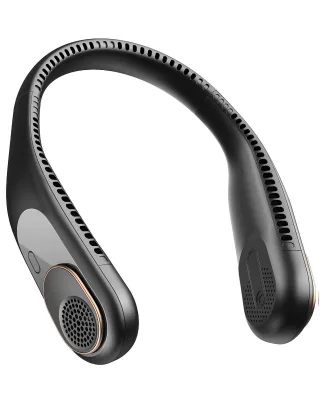
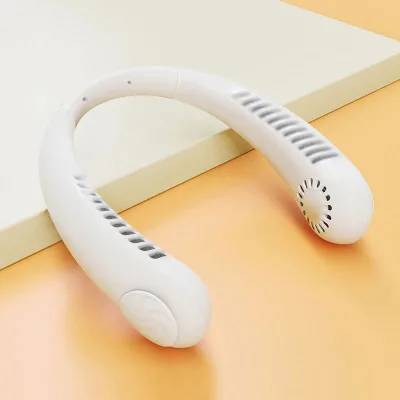

Factory Price Green 4000mAh Flexible Arm Wearable Personal Colorful Portable Neck Fan
$1.95 - $2.00
MOQ: 500 Pieces

High Satisfaction 6000mAh Rechargeable Personal Lightweight Wearable Portable Neck Fan
$2.26 - $2.30
MOQ: 435 Pieces

Factory Price Multi Motors USB Wearable Portable Bladeless Personal Neck Fan
$7.11 - $7.15
MOQ: 140 Pieces

Hot Sale Hands Free Bladeless 9000mAh Rechargeable Personal Portable Neck Fan
$3.31 - $3.35
MOQ: 300 Pieces

High Satisfaction Super Quiet 3 Speeds Neck Fan Portable Bladeless Neck Fans
$1.39 - $1.43
MOQ: 700 Pieces

Factory Price Bladeless USB Wearable Rechargeable 5 Speeds Adjustable Neck Fan
$4.95 - $5.00
MOQ: 200 Pieces


Comprehensive Sourcing Guide
Wearable Neck Fan Sourcing Guide
Product Scope and Observed Listing Signals
The Wearable Neck Fan market presents a diverse array of options, primarily characterized by bladeless designs that prioritize user safety and comfort during active use. Based on observed listing signals, the core product name is consistently identified as a "Wearable Bladeless Neck Fan," with specific model identifiers such as W-102, WNK-2028, and KH-860 appearing across different supplier catalogs. These devices are categorized broadly as cooling fans, yet they distinguish themselves through portable, wearable form factors that allow for hands-free operation. The physical dimensions observed in the data suggest a compact design, with product sizes ranging from approximately 200x192x60mm to smaller variants like 12x4.6x6cm, indicating that buyers should expect significant variation in the physical footprint depending on the specific model and intended use case.
Color options and customization capabilities are prominent features in the current market landscape. Standard color palettes frequently include white, blue, pink, and green, with many suppliers explicitly offering customizable color options to meet brand-specific requirements. This flexibility is crucial for B2B buyers looking to create private-label products or align the device with corporate branding. The packaging also varies, with options ranging from simple color boxes and cartons to more premium gift box presentations, suggesting that the target market spans from utilitarian personal use to promotional gift-giving scenarios. Buyers must carefully review the packing specifications, as the inclusion of a gift box or specific carton configurations can significantly impact the final unit cost and logistics planning.
Technical Specifications to Verify
Power source and battery capacity are critical technical parameters that directly influence the usability and performance of the neck fan. The observed data indicates a mix of power sources, with some units relying on battery power while others are described as electric or USB-powered. Battery capacities vary notably, with observations of 1500mAh and 4000mAh options, which likely correlates with the stated working time of 2-6 hours. Buyers must verify the specific battery capacity for each model to ensure it meets the expected runtime requirements for their target audience. Additionally, the charging method is specified as Type-C in some listings, which is a modern standard that enhances user convenience, but this should be confirmed for each SKU to avoid compatibility issues with existing charging infrastructure.
The physical construction and operational features also require close scrutiny. The blade material is consistently noted as plastic, supporting the bladeless design claim, which reduces the risk of injury and minimizes noise. The item weight ranges from 180g to 245g, with one specific observation of 216g, indicating a lightweight design suitable for prolonged wear. Wind speed settings are described as having five levels, providing users with adjustable cooling intensity. Furthermore, the absence of a remote control and timer is a notable feature, suggesting a simplified user interface that relies on direct button controls. Buyers should verify these specifications against their product requirements, particularly the weight and wind speed settings, to ensure the device meets ergonomic and performance expectations.
Compliance and Safety Documentation
Certification requirements are a vital aspect of sourcing wearable electronics, ensuring that products meet safety and environmental standards in target markets. The observed listings include a variety of certifications, such as CE, RoHS, UR, ISO, CCC, and CB. These certifications indicate that the manufacturers are adhering to specific regulatory frameworks, with CE and RoHS being particularly important for European markets, and CCC for the Chinese domestic market. Buyers must verify which certifications are valid and applicable to their specific destination country, as holding a certification does not automatically guarantee compliance in all regions. It is essential to request copies of the actual certificates and check their validity dates to ensure ongoing compliance.
Warranty and product standards provide additional layers of assurance for buyers. A one-year warranty is observed in the listings, which is a standard expectation for consumer electronics and helps mitigate the risk of early product failure. The product standards mentioned, such as 585x455x490MM and 22019560mm, likely refer to packaging or shipping dimensions rather than electrical safety standards, so buyers should clarify these with suppliers. Understanding the warranty terms, including what is covered and the process for claims, is crucial for managing after-sales support. Buyers should also inquire about the manufacturer's quality control processes and whether they conduct internal testing beyond the required certifications to ensure product reliability.
Cost Drivers and Commercial Terms
Pricing and minimum order quantities (MOQ) are significant factors in the procurement strategy for wearable neck fans. The observed price range spans from $1.2 to $15.7 USD, reflecting the wide variation in features, battery capacity, and packaging options. Lower-priced items likely correspond to models with smaller batteries and simpler packaging, while higher-priced items may offer larger capacities, premium materials, or custom branding. MOQs also vary considerably, ranging from 1 to 30,000 units, allowing for flexibility for both small-scale testers and large-volume buyers. Understanding the price-break structure is essential, as ordering larger quantities can significantly reduce the per-unit cost, but it also increases inventory holding costs.
Lead times and payment terms are other critical commercial considerations. The observed lead times range from 20-35 days to within 25-30 days, which is typical for manufacturing and shipping processes. Buyers must factor these lead times into their inventory planning to avoid stockouts, especially during peak seasons. The origin of the products is primarily China, with some specific mentions of Guangdong, which is a major manufacturing hub for electronics. This geographic concentration can offer advantages in terms of supply chain efficiency but also requires buyers to be aware of potential logistical challenges and shipping costs. Clear communication regarding payment terms, such as deposits and balance payments, is necessary to establish a smooth transaction process.
Supplier Qualification and Quality Control
Supplier qualification involves assessing the manufacturer's capabilities and reputation. The observed data mentions "Hexi" as a manufacturer, indicating that some suppliers are direct manufacturers rather than trading companies. Direct manufacturers often offer better pricing and more control over the production process, but buyers should verify this claim through site audits or third-party inspections. The availability of customization services is a key differentiator, allowing buyers to tailor the product to their specific needs. Buyers should inquire about the supplier's experience with custom orders, including their ability to handle custom packaging, colors, and potentially minor design modifications.
Quality control measures are essential to ensure that the products meet the specified standards. Buyers should request samples before placing bulk orders to verify the quality of materials, build, and performance. The observed item weights and dimensions should be checked against the samples to ensure consistency. Additionally, buyers should ask about the supplier's defect rate and their process for handling defective units. Establishing a clear quality agreement that defines acceptable quality levels and inspection criteria is crucial for maintaining product standards. Regular communication with the supplier regarding production progress and quality checks can help identify and resolve issues early in the manufacturing process.
Long-Term Procurement Checks
Long-term procurement success depends on continuous monitoring of product performance and market trends. The Wearable Neck Fan market is dynamic, with new features and technologies emerging regularly. Buyers should stay informed about advancements in battery technology, such as higher capacity or faster charging options, to ensure their products remain competitive. The observed working time of 2-6 hours is a current standard, but improvements in this area could become a key selling point in the future. Buyers should also monitor customer feedback and return rates to identify any recurring issues with the products, such as battery degradation or mechanical failures.
Sustainability and regulatory changes are also important considerations for long-term sourcing. The increasing emphasis on environmental regulations may impact the materials and manufacturing processes used by suppliers. Buyers should encourage suppliers to adopt sustainable practices, such as using recyclable packaging materials and reducing energy consumption during production. Additionally, staying updated on changes in certification requirements and safety standards is crucial to avoid compliance issues. Building a strong relationship with suppliers based on transparency and mutual benefit can help navigate these challenges and ensure a stable supply chain for wearable neck fans.
FAQs
What certifications do these wearable neck fans have?
These fans typically hold CE, RoHS, ISO, and CCC certifications. Some models also include CB and UR marks. Buyers should verify specific documentation for their target market to ensure compliance with local safety and environmental regulations before placing bulk orders.
How long is the lead time for production?
Production lead times generally range from 20 to 35 days. Some suppliers offer faster turnaround within 25 to 30 days. Buyers should confirm exact schedules with manufacturers, as lead times may vary based on order volume and customization requirements.
What battery capacity options are available?
Battery capacities vary, with options including 1500mAh and 4000mAh. Higher capacity models support longer working times, typically between 2 and 6 hours. Buyers should select capacity based on intended usage duration and weight preferences for optimal portability.
Can the product color be customized?
Yes, customization is available for colors such as white, blue, pink, and green. Buyers can request specific color schemes to match brand identity. Minimum order quantities may apply for custom color runs, so early discussion with the manufacturer is recommended.
What is the charging method for these fans?
Most models use Type-C charging for convenience and speed. The fans are rechargeable and portable, powered by DC electric current. Buyers should ensure compatible cables are included or ordered separately to facilitate easy recharging in various environments.
What is the typical weight of the device?
Device weights range from 180g to 245g depending on the model. Lighter models enhance comfort for extended wear. Buyers should consider weight specifications when evaluating ergonomic suitability for their target demographic and intended use cases.