Source Weeping Acer Palmatum Tree for Landscaping, Gardens, and Yards
Explore 30 listings for the Weeping Acer Palmatum Tree, comparing options like bare root seedlings and artificial variants. Buyers can review specifications including height, stem size, and customization features from suppliers in China.
Key considerations
Products List


Hot Sale Multi-Color Maple Weeping Branch Acer Palmatum Tree Seedling for Growing
$15.00 - $55.00
MOQ: 20 Pieces

Chinese Different Species Ornametal Acer Palmatum Tree Seedling for Growing
$5.00 - $35.00
MOQ: 20 Pieces

Chinese Ornametal Green Change Color Acer Palmatum Tree Seedling for Growing
$5.00 - $35.00
MOQ: 20 Pieces








Comprehensive Sourcing Guide
Strategic Sourcing Guide for Weeping Acer Palmatum Tree Procurement
Understanding Species Variability and Product Definitions
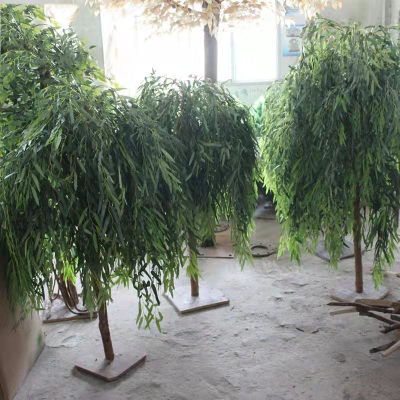
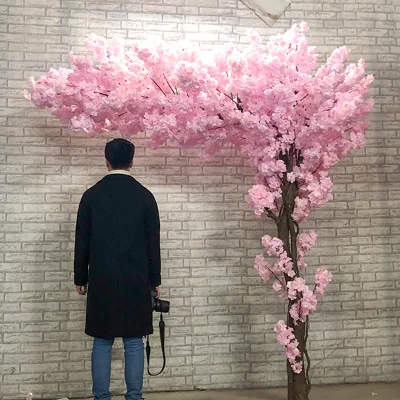
When initiating a procurement strategy for the Acer palmatum tree, specifically targeting weeping varieties, buyers must first navigate the complex landscape of botanical nomenclature and product categorization. The core keyword "Weeping Acer Palmatum Tree" often appears in catalogs alongside broader classifications such as "Acer Spp." or "Chinese, Japanese, America Species." It is critical to distinguish between genuine live botanical specimens and artificial alternatives, as the market frequently conflates these categories. The supplied data indicates a product profile labeled as "Acer Palmatum Tree Seedling" with the Latin name Acer Spp., yet it also lists attributes for "Artificial Plant Wall/Plant/Flower/Tree/Lawn" with materials like plastic. A rigorous sourcing approach requires the buyer to explicitly verify whether the listing refers to a live, bare-root seedling or a simulated decorative item. The observed product attributes include a height range of 50-70cm for the seedling variety, whereas artificial options may range from 30-50cm for flowers to 1.5-3m for simulated trees. Confusion in these definitions can lead to significant procurement errors, such as ordering live stock when a permanent decorative solution was intended, or vice versa. The "Always Called" attribute of "Acer Palmatum" suggests a strong market association with this specific cultivar, but the "Other Name" of "Red Maple" indicates potential regional naming variations that must be clarified in purchase orders to ensure the correct genetic stock is delivered.
Technical Specifications and Physical Attributes
For buyers seeking live Acer palmatum seedlings, technical specifications form the backbone of the evaluation process. The data highlights a specific stem diameter range of 0.8-1.5cm, which serves as a primary indicator of the seedling's maturity and structural integrity. This dimension is critical for transplant survival rates; stems falling outside this range may indicate either underdeveloped stock or a different cultivar entirely. The height specification of 50-70cm provides a benchmark for the vertical growth stage, ensuring the plant is ready for immediate landscape integration. In contrast, artificial products listed under the same search terms may feature a "Thickness 0.8-1.5cm" standard, which likely refers to the stem of the artificial plant rather than a living tissue measurement. Buyers must scrutinize the "Seedling Type" attribute, which is identified as "Bare Root Acer Tree Seedling." This implies that the plant is sold without soil, a standard practice for live tree shipping to reduce weight and prevent pest transfer. The packaging for these live seedlings is described as "Boxes Include Moisture Material," a vital detail for maintaining hydration during transit. Conversely, artificial products utilize "Carton + Bubble Film" packaging. The distinction between "Bare Root" and potted or containerized stock is essential for logistics planning, as bare-root plants have specific handling requirements regarding root exposure and immediate planting protocols.
Compliance, Certification, and Phytosanitary Requirements
The international movement of live plant material, including Acer palmatum, is heavily regulated to prevent the spread of pests and diseases. The supplied facts explicitly mention a "Phytosanitary Certificate" as a key attribute for the seedling products. This document is not merely a formality but a legal requirement for importing live trees across borders. Buyers must verify that the certificate is issued by the National Plant Protection Organization of the country of origin, which is listed as "China" in the provided data. The absence of this certificate can result in the seizure of the shipment at the port of entry, leading to total financial loss. Furthermore, the "Transport" method is noted as "by Air or by Vessel," each carrying different risks for the viability of the bare-root stock. Air freight offers speed, which is beneficial for maintaining the moisture content of the roots, while vessel transport is more cost-effective but involves longer transit times that require robust moisture-retention packaging. The "Offer Time" is specified as "From Nov. to March," indicating a seasonal availability window. This aligns with the dormant season for deciduous trees like the maple, which is the optimal time for bare-root shipping. Procurement outside this window may require the use of containerized stock, which may not be available or may incur significantly higher costs. Buyers must ensure that the supplier's certification aligns with the import regulations of the destination country, as requirements for Acer species can vary significantly between regions.
Cost Drivers and Pricing Dynamics
The pricing landscape for Acer palmatum trees is influenced by a wide array of factors, ranging from the biological characteristics of the plant to the logistics of international shipping. The observed listed price range in the market data spans from 0.3 to 500,000 USD, a variance that underscores the difference between low-cost artificial replicas and high-value, mature live specimens or bulk commercial orders. For live seedlings, the cost is driven by the stem diameter, height, and the specific cultivar's rarity. The "MOQ" (Minimum Order Quantity) data shows a range of 1 to 1000, with a specific observation of 20PCS for the seedling variety. This suggests that while small sample orders are possible, bulk purchasing is often required to achieve optimal unit pricing. The "Supply Ability" of 5000 pieces per month indicates a robust production capacity, which can stabilize pricing for larger orders. However, buyers should be aware that the "Offer Time" constraint (November to March) may create seasonal price fluctuations due to supply and demand imbalances. Additionally, the "Customization" attribute, marked as "Available" and "Yes," implies that bespoke requirements, such as specific stem lengths or unique height profiles, may incur additional costs. The "Product Name" variations, including "Ornametal Multi-Color Maple Waishan Acer Palmatum," suggest that color variations or specific aesthetic traits can also influence the final price. Buyers must carefully evaluate the total landed cost, including freight, insurance, and potential duties, rather than focusing solely on the unit price.
Supplier Evaluation and Operational Capabilities
Selecting a reliable supplier for Acer palmatum requires a thorough assessment of their operational capabilities and adherence to the provided specifications. The data indicates a "Place of Origin" in Zhejiang, China, a region known for its horticultural industry. Buyers should verify the supplier's ability to meet the "MOQ" of 20PCS and their capacity to handle the "Supply Ability" of 5000 pieces per month without compromising quality. The "Customized" attribute suggests that suppliers may offer tailored solutions, but this requires clear communication and detailed specifications to avoid misunderstandings. The "Product Packing" of "Boxes Include Moisture Material" is a critical quality control point; buyers should request photos or samples of the packaging to ensure it meets the necessary standards for long-distance transport. The "Transport" options of "by Air or by Vessel" should be evaluated based on the buyer's timeline and budget constraints. Additionally, the "Brand Name" of "Yiheng" appears in the data, though buyers should not rely on brand reputation alone without verifying the specific product lineage. The "Commercial Buyer" list, which includes restaurants, hotels, and supermarkets, indicates that these products are often used in commercial landscaping or interior design, suggesting that the supplier must have experience serving B2B clients. Buyers should also check for any inconsistencies in the "Product Model" codes, such as "ZX-CL2," "ZX-CL," and "ZX-CL1," to ensure they are ordering the correct variant.
Quality Control and Long-Term Procurement Considerations
Ensuring the long-term success of an Acer palmatum procurement requires a robust quality control framework that extends beyond the initial purchase. For live seedlings, the "Bare Root" status necessitates immediate attention upon arrival. Buyers must have a plan for inspecting the roots for signs of desiccation or disease before planting. The "Height" and "Stem" specifications serve as the primary metrics for acceptance; any deviation from the 50-70cm height or 0.8-1.5cm stem diameter should trigger a rejection or a claim. The "Moistrue Material" in the packaging must be checked for functionality; if the moisture-retaining material is compromised, the seedlings may not survive transit. For artificial alternatives, quality control focuses on the "Material" (Plastic) and "Technics" (Coating). Buyers should verify the durability of the coating and the structural integrity of the "Round" shape. The "Characteristics" of being "Maintenance Free/Evergreen All Year Round" apply only to artificial products, and buyers must ensure that the "Style" (Modern) and "Design Style" (Minimalist, Traditional, etc.) align with their specific application needs. Long-term procurement considerations include the "Season" of "Everyday" for artificial plants versus the dormant season for live trees. Buyers should also consider the "Room Space" requirements for artificial plants, which include kitchens, bedrooms, and offices, ensuring the selected product fits the intended environment. Finally, the "Format" of "Spring" suggests that some products may be marketed seasonally, which could impact availability and pricing in the future.
Comparative Analysis of Product Variants
To facilitate informed decision-making, buyers should compare the distinct product variants available in the market. The following table summarizes the key differences between live seedlings and artificial alternatives based on the supplied data.
| Feature | Live Acer Palmatum Seedling | Artificial Maple / Decorative Tree |
|---|---|---|
| Product Name | Acer Palmatum Tree Seedling | Ornametal Multi-Color Maple / Artificial Plant |
| Latin Name | Acer Spp. | N/A (Simulated) |
| Height Range | 50-70cm | 30-50cm (Flower) or 1.5-3m (Tree) |
| Stem Diameter | 0.8-1.5cm | Thickness 0.8-1.5cm (Artificial) |
| Seedling Type | Bare Root | N/A |
| Material | Living Plant | Plastic |
| Packaging | Boxes Include Moisture Material | Carton + Bubble Film |
| Certification | Phytosanitary Certificate | N/A |
| Offer Time | Nov. to March | Everyday |
| MOQ | 20PCS | 1 |
| Transport | Air or Vessel | Standard Freight |
| Customization | Available | Customized |
This comparison highlights that while both categories may share similar naming conventions, their operational requirements, compliance needs, and end-use cases are fundamentally different. Buyers must align their procurement strategy with the specific nature of the product they intend to acquire, ensuring that the technical specifications, certifications, and logistics plans are tailored to the chosen variant.
FAQs
What certification is required for importing live Acer Palmatum seedlings?
A Phytosanitary Certificate is required for importing live Acer Palmatum seedlings. This document must be issued by the National Plant Protection Organization of China to prevent pest transfer during international transport by air or vessel.
Which height range is standard for bare root Acer Palmatum seedlings?
The standard height range for bare root Acer Palmatum seedlings is 50 to 70 cm. This specification ensures the plant is at the correct maturity stage for immediate landscape integration and transplant survival.
Can buyers customize the stem diameter for their tree order?
Yes, buyers can customize the stem diameter for their tree order. The standard range is 0.8 to 1.5 cm, but suppliers offer customization options to meet specific project requirements or aesthetic preferences.
How is the packaging designed to protect bare root seedlings during transit?
The packaging is designed with boxes that include moisture material to protect bare root seedlings during transit. This ensures hydration is maintained while the plants are shipped by air or vessel from the origin in China.
What is the minimum order quantity for purchasing live Acer Palmatum seedlings?
The minimum order quantity for purchasing live Acer Palmatum seedlings is 20 pieces. While some artificial options allow for single unit orders, live stock typically requires this bulk threshold to ensure viability.
Which months are the optimal times to offer live Acer Palmatum seedlings?
The optimal time to offer live Acer Palmatum seedlings is from November to March. This period aligns with the dormant season for deciduous trees, making it the best window for bare root shipping and planting.
What material is used for artificial Acer Palmatum decorative trees?
Plastic is the primary material used for artificial Acer Palmatum decorative trees. These items are designed to be maintenance-free and evergreen all year round, often featuring a modern style for indoor or outdoor use.